REVIEW · MILAN
PRIVATE Cooking Class in a Local Home – Pick Your Menu
Book on Viator →Operated by Casa Pastrocchi Home Cooking Milan · Bookable on Viator
Fresh pasta in a real Milan home. This private class in a local house lets you choose the menu ahead of time and then cook it step by step with an Italian chef, finishing with a shared meal and wine. The catch is simple: since it’s just your group, you won’t get the social buzz of a larger cooking class.
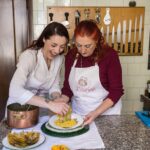
You start at Via Aosta, 10 (20155 Milano), usually with a small Italian aperitivo, then move into hands-on cooking with your chef-hosts—often Niccolò and Francesca, and sometimes Chef Sissi, depending on the session. You’ll tackle fresh pasta shapes and a classic sauce lineup (like carbonara, cacio e pepe, amatriciana, or tomato-based options) and usually finish with a homemade tiramisù-style dessert, plus a digital recipe booklet you can use at home.
In This Review
- Quick highlights
- A private Milan home cooking class, not a factory classroom
- Choosing the menu: you steer the pasta, sauces, and dessert
- What happens during the 3 hours: aperitivo to aperitivo-level satisfaction
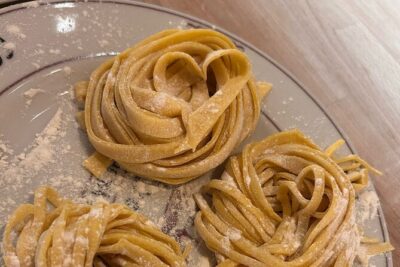
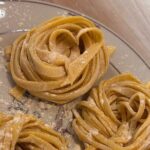
- Fresh pasta shapes: the technique that makes the difference
- Sauce options that cover Italy’s classics (and why you’ll remember them)
- Dessert tiramisù and the kind of little extras that make it feel special
- The end-of-class meal: wine, coffee, and a real table moment
- Price and value: where $203.06 per person makes sense
- Logistics that matter: meeting point, transport, and keeping the day smooth
- Who should book this cooking class in Milan (and who might not)
- Should you book Casa Pastrocchi in Milan?
- FAQ
- What is the duration of the private cooking class?
- Is this cooking class private or a group class?
- How does menu selection work?
- What dishes are included in the menu?
- Is the experience offered in English?
- Where do we meet, and where does the experience end?
- What do I receive after the class?
- Is there wine included?
- Is it easy to get there using public transportation, and do I get a mobile ticket?
- Is there a cancellation policy?
Quick highlights
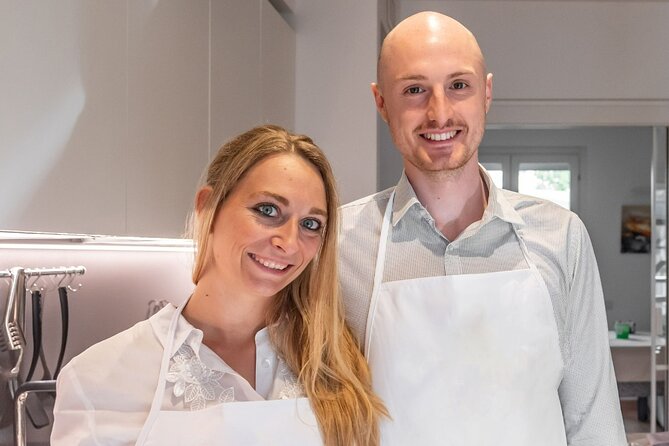
- Fully private, not a school: only your group cooks and eats together in a real Milanese home.
- Menu selection in advance: you decide what you cook and eat, from handmade pasta to dessert.
- Hands-on learning with a chef: step-by-step technique, plus tips and traditions as you work.
- Cook, then sit down and eat: wine, water, and coffee are part of the end-of-class meal.
- Fresh pasta shapes you can name: tagliatelle/fettuccine/pappardelle/tagliolini, plus ravioli and tortellini-style options.
- Recipes after you go: you receive a digital recipe booklet to recreate the dishes later.
A private Milan home cooking class, not a factory classroom
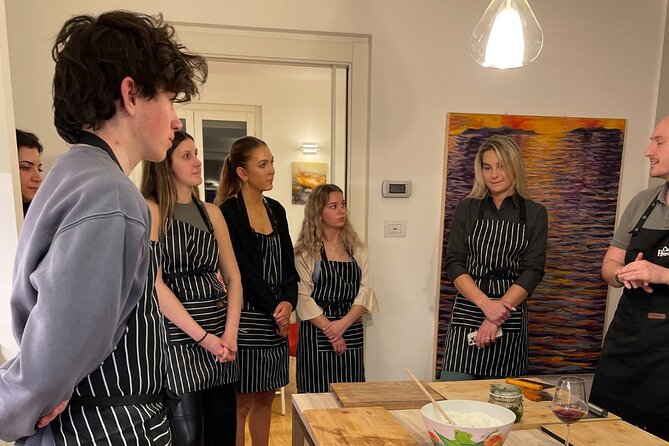
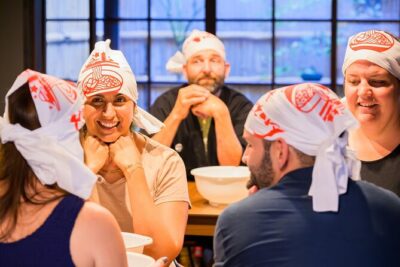
I like this format because it treats cooking like real life, not a choreographed lesson. You’re in a warm home setting with your chef-host guiding the process, and the pace feels personal because it’s fully private and designed around your group.
This is also clearly not a big cooking school. Instead of rotating through stations, you cook the meal with the chef and then share it at the table. That matters in Milan, where you can easily find food experiences that are impressive but impersonal.
One more practical win: it’s offered in English. If you’re comfortable ordering in Italian but want smoother conversation around technique, this is the kind of setup that keeps the experience enjoyable instead of stressful.
You can also read our reviews of more tours and experiences in Milan.

Choosing the menu: you steer the pasta, sauces, and dessert
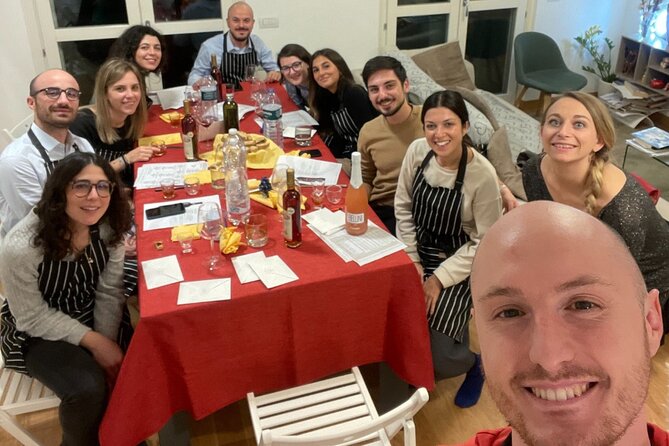
The best part for me is that you choose the menu together before you arrive. That means you’re not stuck guessing what style of pasta you’ll get or whether you’ll like the dessert. You can align the meal with your tastes—fresh handmade pasta, risotto, pizza-style options, traditional sauces, classic desserts, and other Italian specialties depending on what’s on offer.
In the sample menu, the pasta plan is built in layers:
- A main pasta course that could be tagliatelle, fettuccine, pappardelle, tagliolini, or similar fresh shapes
- A second pasta course that could be ravioli, tortellini, or tortelloni
- A sauce course chosen from classics such as pomodoro (tomato), cacio e pepe, carbonara, or amatriciana
- Dessert: a version of tiramisù
Here’s the value angle: you’re not just paying for a “cook and eat” session. You’re paying for targeted instruction on the exact dishes you’re excited to learn.
Also, don’t treat the sample menu as a fixed promise. The menu can change because it’s frequently rotated. That flexibility is good if you’re booking a specific date and want something current, but it also means you should be ready to adapt when you confirm your final menu.
What happens during the 3 hours: aperitivo to aperitivo-level satisfaction
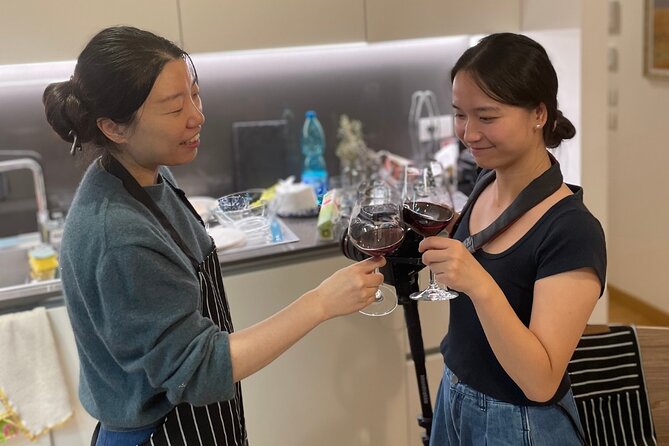
The experience is about 3 hours from start to finish. You’ll meet at Via Aosta, 10 and the activity ends back there, so you’re not trying to coordinate extra transport at the end of a meal.
Timing usually works like this:
- You arrive, get welcomed into the home, and enjoy a small Italian aperitivo.
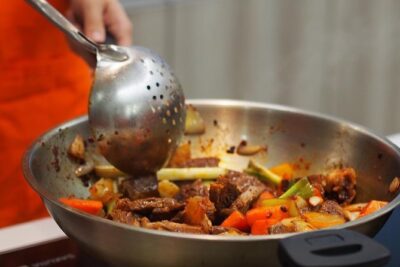
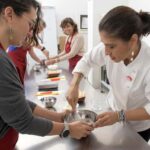
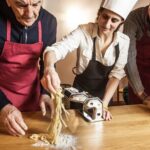
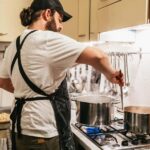
- Then the hands-on cooking starts with your chef guiding you step by step.
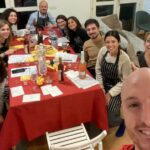
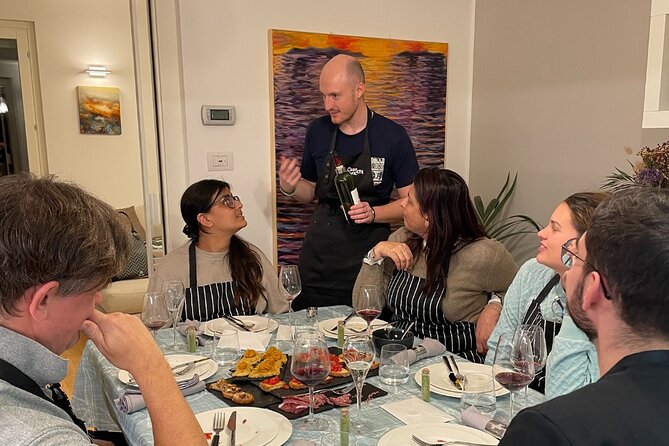
- Finally, you sit down together to eat what you made, with wine, water, and coffee.
This flow is exactly why the experience feels fun instead of exhausting. You get guided momentum at the start, real skill-building in the middle, and then a payoff meal at the end. In many cooking experiences, the “eat” part is a quick afterthought. Here it’s the event.
And yes, because it’s a home kitchen, the kitchen rhythms can feel more natural than a studio schedule. That can be relaxing, especially if you’re traveling and want to shift gears from sightseeing mode.
Fresh pasta shapes: the technique that makes the difference
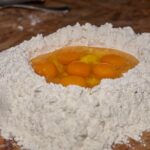
When people say fresh pasta is easy, they usually mean it after the first successful batch. In a hands-on class like this, you learn how the process actually works: making dough, handling it, shaping it, and then cooking it properly.
The pasta lineup is designed around classic Italian forms. You might make tagliatelle/fettuccine/pappardelle/tagliolini, and you might also make ravioli (or tortellini/tortelloni depending on the menu). Those choices matter because each shape teaches you something different.
What I like about learning pasta this way is that you’re not only memorizing steps. You’re understanding why the dough behaves the way it does—elasticity, thickness, and the difference between shaping for looks versus shaping for texture. Once you’ve seen that in action, you can usually reproduce it back home with less guesswork.
In the feedback around the experience, a big theme is how it removes intimidation. If fresh pasta has felt like an advanced art project, this kind of private pacing helps you feel capable. When you’re working one-on-one or in a small private group, questions are welcome and you can move at a comfortable speed.
Sauce options that cover Italy’s classics (and why you’ll remember them)
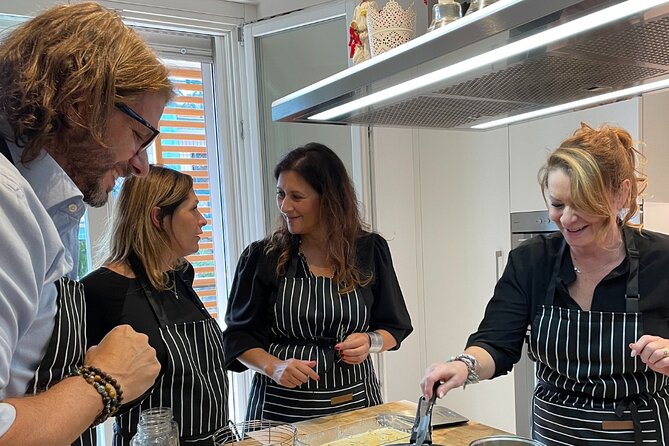
You’re not just cooking one sauce here. The menu options typically include iconic Italian classics such as:
- pomodoro (an iconic tomato sauce)
- cacio e pepe
- carbonara
- amatriciana
Even if you’re already familiar with these names, cooking alongside the chef is how they become more than items on a restaurant menu. These sauces depend on technique and timing—especially ones like carbonara and cacio e pepe, where the key is building flavor without overcomplicating the ingredients.
Practical tip mindset helps here. You’ll learn what matters in the process and what you can simplify when you recreate it later. That’s why the digital recipe booklet after the class is so useful: you’re getting more than a list of ingredients. You’re also pairing a recipe with the method you practiced.
Also, the home dinner style means the meal is built as a full sequence. You’re not just sampling tastes—you’re experiencing how the sauces fit with pasta shapes and how the final plate makes sense together.


Dessert tiramisù and the kind of little extras that make it feel special
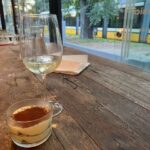
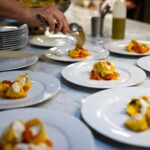
Dessert is usually a version of tiramisù. And in a home setting, that matters. You’re not rushing through a pre-made dessert moment; you’re making it as part of the overall meal, which makes the ending feel earned.
Some sessions also include additional touches people remember, like homemade limoncello or a nod to traditional olive oil passed down through family-style practice. Even when those extras vary by session, the consistent idea is the same: you’re getting more than a template. You’re tasting something with character.
One more practical benefit: desserts can be the easiest way to learn a crowd-pleaser technique without needing advanced equipment. If you want a souvenir that you can actually reproduce, tiramisù is a strong choice because it teaches you how to build texture and balance, not just sweetness.
The end-of-class meal: wine, coffee, and a real table moment
The best way to think about the meal at the end is: it’s the point. You’ll sit together and enjoy everything you cooked, accompanied by wine, water, and coffee—just like in a real Italian home.
This part is where the value shows up. Cooking classes can become a “busy-work” experience, where you’re focused on making it through the tasks. Here, the meal is waiting for you right afterward, so you can relax and enjoy the fruits of your work.
If you’re booking for more than one person, this also becomes the social glue. There’s shared accomplishment, not just shared sightseeing stories. Even though it’s private, the table experience still brings people together.
And because wine is part of the meal, it’s a nice option if you want a dinner that feels grown-up without going to a formal restaurant. Just keep in mind you’re cooking earlier, so pace yourself like you would on a normal evening in Italy.
Price and value: where $203.06 per person makes sense
At $203.06 per person, this isn’t a bargain-basement activity. But you’re paying for something that often costs more in Italy: a fully private experience in a real home with an Italian chef, menu planning, hands-on instruction, and then a meal with wine, water, and coffee.
Here’s why the cost can feel fair:
- You’re not splitting a chef’s time across a crowd; it’s centered on your group.
- You get instruction that matches your exact menu choices.
- The meal isn’t a snack plate—it’s the final payoff with coffee and wine.
- You leave with a digital recipe booklet, which turns the experience into something you can use again.
Where the price might feel less worth it is if you’re only interested in watching. This experience is hands-on by design. If you want a “spectator” experience, you’ll likely be happier with a restaurant meal plus a guided tasting instead.
Logistics that matter: meeting point, transport, and keeping the day smooth
You’ll meet at Via Aosta, 10, 20155 Milano. The activity ends back at the meeting point, which is a small but real convenience in a city where cross-town plans can multiply quickly.
The experience is near public transportation, so you should be able to reach it without a long taxi run. Also, the ticket is mobile, which keeps things simple on travel days.
Since the menu is chosen in advance and agreed upon, plan to message your preferences early enough to avoid last-minute scrambling. Your ability to pick between pasta types and sauce styles is a big part of why this experience feels tailored.
If you’re scheduling around other Milan highlights, keep in mind this is about three hours, and it flows into a meal. That means it can fit well as an early dinner plan or as a calmer alternative to another late-night stop.
Who should book this cooking class in Milan (and who might not)
This is a great match if you want:
- a private cooking experience with an Italian chef in a home setting
- to learn fresh pasta and sauces you can name
- to control the menu and cook what you actually want to eat
- a dinner-style end result with wine, water, and coffee
- recipes you can take home via a digital booklet
It’s less ideal if you want a big group atmosphere or if you’re hoping to meet lots of other travelers. Since it’s just your group, the conversation stays focused on your table and the chef.
It also works well for people who have been nervous about cooking at home. Fresh pasta and ravioli can sound intimidating, but a guided private setup is the kind of environment where you can ask questions and build confidence step by step.
Should you book Casa Pastrocchi in Milan?
If you’re the kind of traveler who likes hands-on learning, good technique, and an ending that turns into a real shared dinner, this is a strong yes. I especially like that you choose the menu in advance, because it keeps the experience aligned with your tastes instead of guessing what you’ll get.
Book it if you value a private chef, fresh pasta skills, classic Italian sauces, and a tiramisù-style finish you can reproduce later. If you want a lively crowd scene or a passive experience, look elsewhere. For everyone else, this is one of the most memorable ways to spend a few hours in Milan without spending your whole day in lines.
FAQ
What is the duration of the private cooking class?
The experience lasts about 3 hours.
Is this cooking class private or a group class?
It is fully private. Only your group participates.
How does menu selection work?
Before the experience, you choose the menu together based on your tastes and preferences. The menu is customized and agreed in advance.
What dishes are included in the menu?
A sample menu can include a fresh pasta main (like tagliatelle/fettuccine/pappardelle/tagliolini), a filled pasta main (like ravioli/tortellini/tortelloni), a sauce option (like pomodoro, cacio e pepe, carbonara, or amatriciana), and dessert (a version of tiramisù). The actual menu can vary.
Is the experience offered in English?
Yes, it is offered in English.
Where do we meet, and where does the experience end?
You meet at Via Aosta, 10, 20155 Milano MI, Italy, and it ends back at the meeting point.
What do I receive after the class?
After the class, you receive a digital recipe booklet so you can recreate the dishes at home.
Is there wine included?
Yes. The meal at the end includes wine, water, and coffee.
Is it easy to get there using public transportation, and do I get a mobile ticket?
It is near public transportation, and you receive a mobile ticket.
Is there a cancellation policy?
Free cancellation is available. You can cancel up to 24 hours in advance for a full refund.