REVIEW · GENOA
Genoa: Market and Cooking Class at a Local’s home
Book on GetYourGuide →Operated by Cesarine · Bookable on GetYourGuide
Food days in Genoa start with market smells. I love how this experience pairs local market shopping with a hands-on private cooking class in a real home with a Cesarina. One practical consideration: the exact meeting address is only shared after you book.
You’ll spend about five hours going from ingredients to dinner, guided in English or Italian by your host. You also get a full table moment at the end—tasting everything you made with water, coffee, and a selection of local wines. Main downside to plan around: dietary needs can be accommodated, but you must confirm directly with the organizer after booking.
In This Review
- Key things that make this Genoa class worth your time
- Genoa market shopping: why it changes the cooking class
- Finding the right ingredients with your Cesarina
- The cooking class: three recipes, real hands-on practice
- Lunch around the table: wine, coffee, and tasting everything you made
- Price and value: what you’re really paying for at $214.11
- Timing and logistics: how to plan your day in Genoa
- Who should book this cooking class (and who might hesitate)
- Practical tips before you go
- Should you book the Genoa market and cooking class?
- FAQ
- How long is the Genoa market and cooking class?
- Where does the tour start and end?
- Is this a private experience?
- What’s included in the price?
- Are wines included?
- What language will the instructor use?
- Can dietary requirements be accommodated?
- What recipes will you learn?
- When does the market part usually happen?
Key things that make this Genoa class worth your time
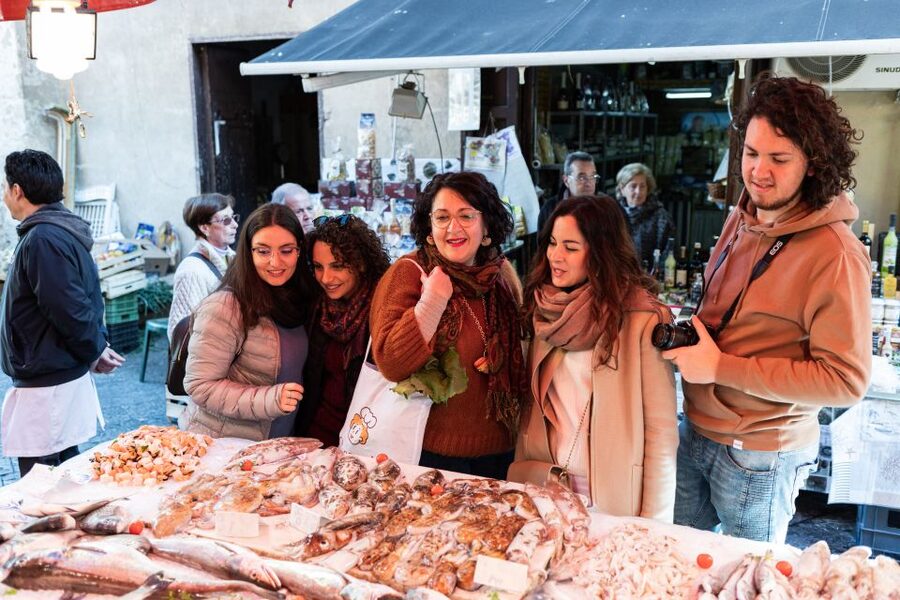
- Market shopping with a Cesarina who teaches you what to look for in local produce
- Private cooking at a home kitchen, not a scripted restaurant setup
- Three authentic local recipes with hands-on practice at a prepared workstation
- Family recipe know-how from older cookbooks, shared as practical kitchen tricks
- Tastings with local wines (red and white) included with the meal
- Convenient food-focused timing that typically runs from around 9 AM to 4 PM, with flexibility
Genoa market shopping: why it changes the cooking class
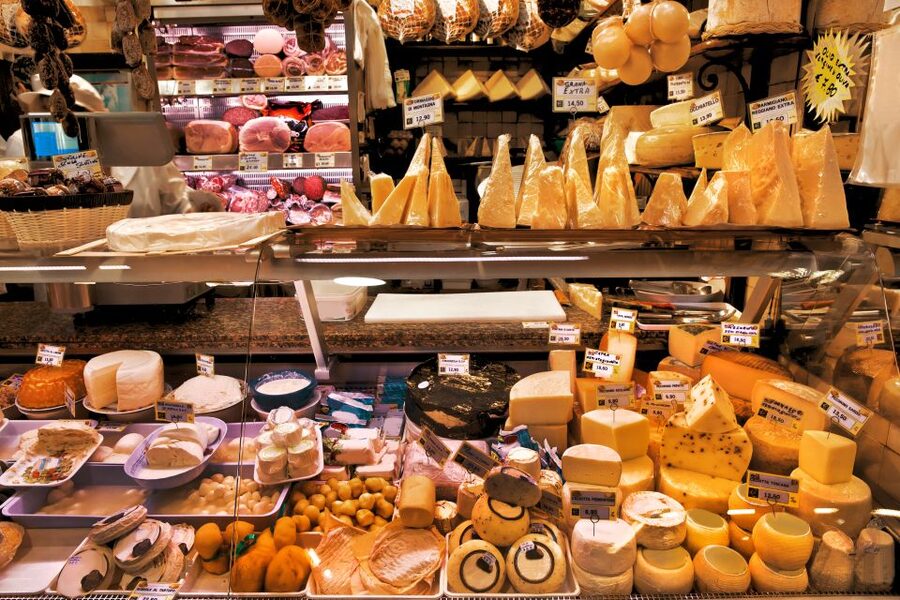
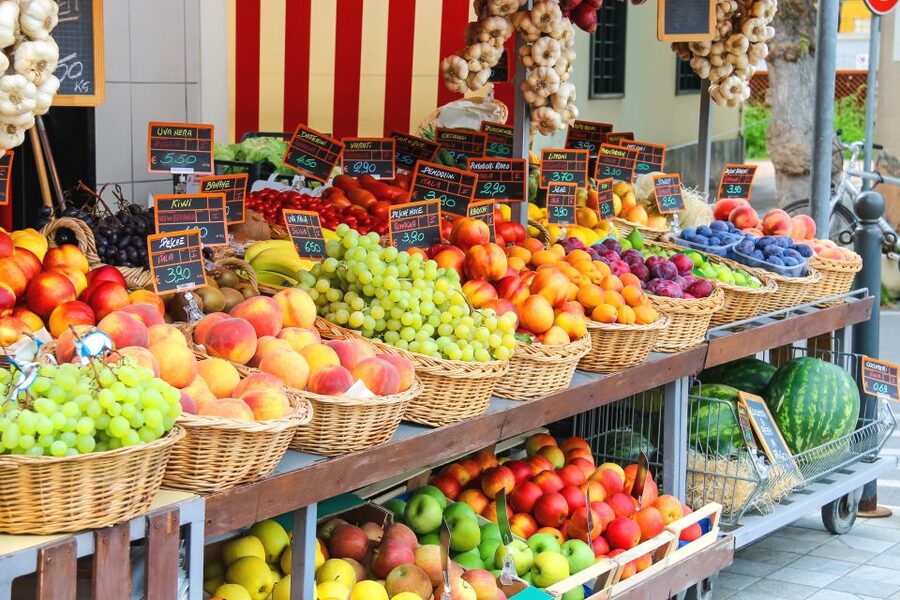
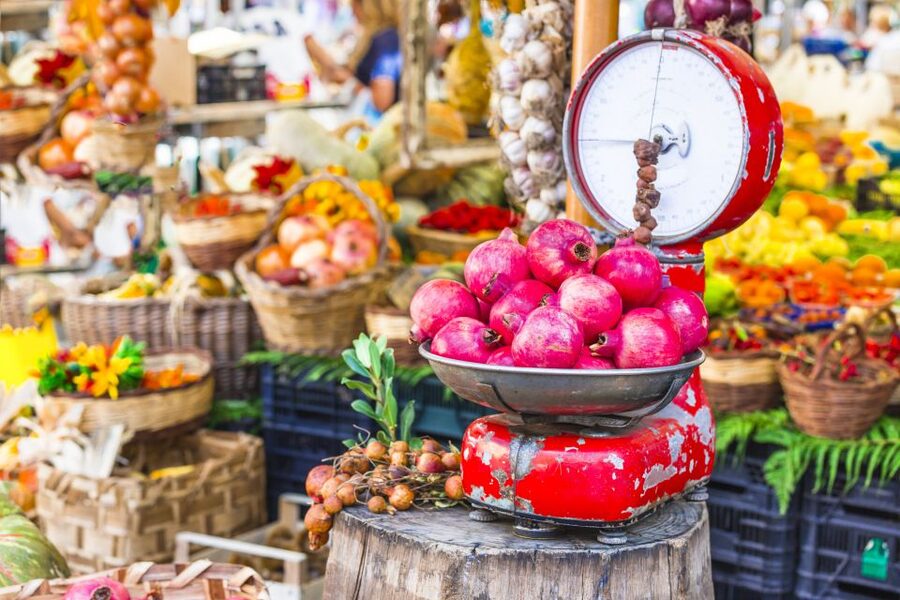
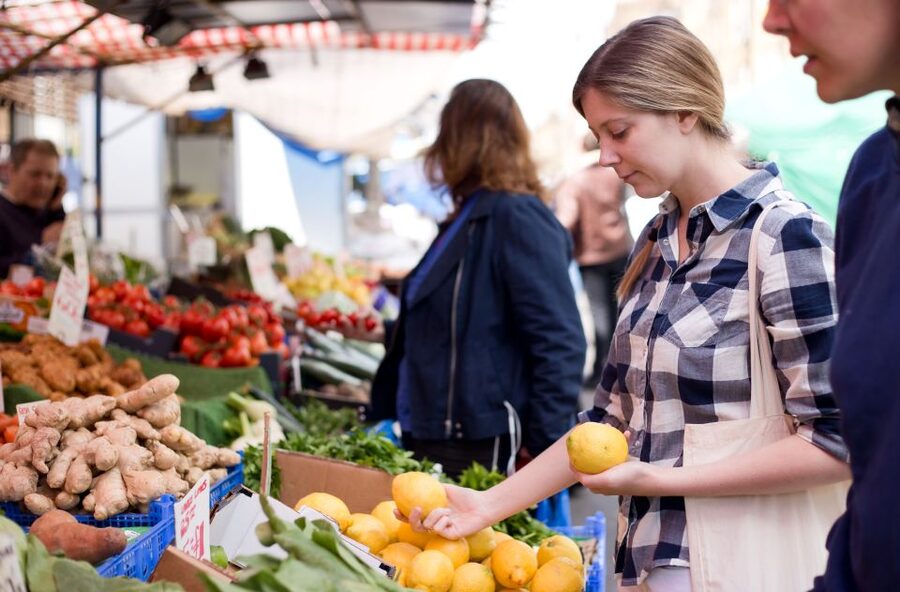
Genoa has a way of teaching you before you ever pick up a knife. The market visit is more than sightseeing—it’s the moment where you learn how Italians actually shop: what looks best, what’s in season, and how to choose ingredients you can recognize later when you’re cooking at home.
Your host guides you through the stalls and helps you practice spotting strong quality. The point isn’t memorizing a list. It’s learning the logic behind good buying—so the recipes you cook in the next part of the day make sense on a sensory level, not just as steps in a worksheet. When you taste what you chose, you understand the recipe choices.
Another nice detail: you’re not just browsing. You’re shopping like a local with your host. That gives you something to talk about later, even if your cooking skills are still growing.
You can also read our reviews of more tours and experiences in Genoa.
Finding the right ingredients with your Cesarina
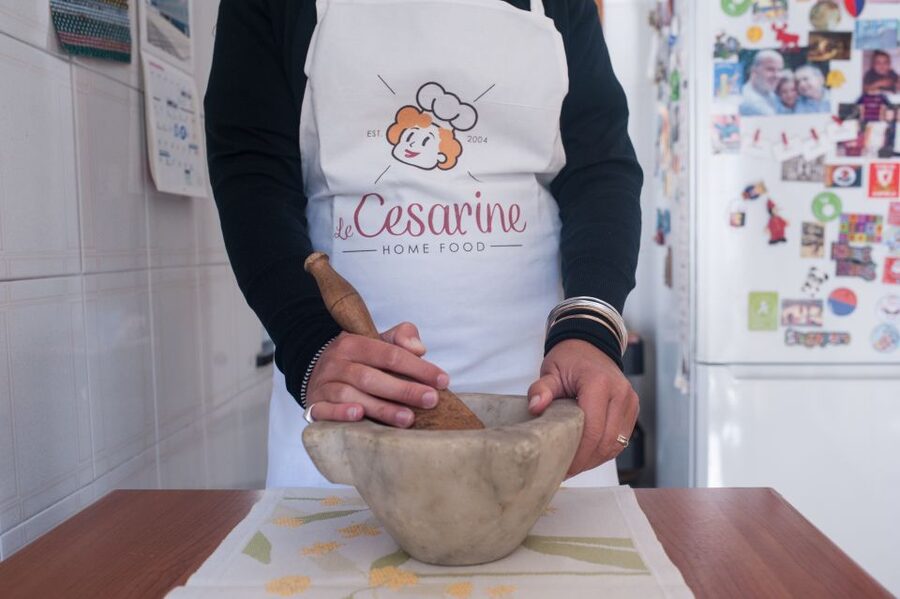
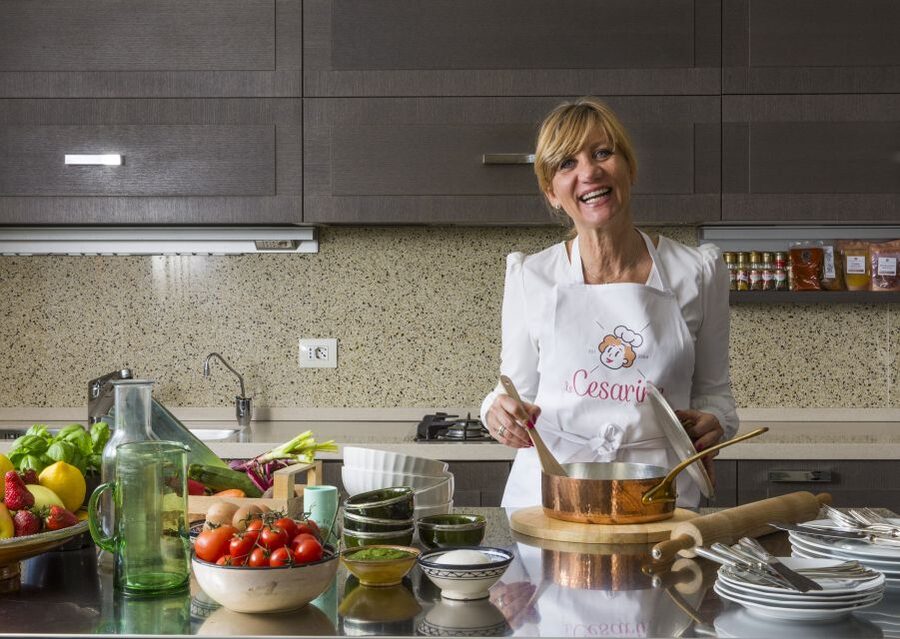
This is a private group experience led by a Cesarina (a certified home cook). You’ll go shopping with your host first, which matters because the kitchen lesson is built around what you buy together.
In the market, expect your host to steer you toward the best produce from the land. You’ll also learn how to think about ingredient quality in Italian cooking—what matters most for flavor, texture, and consistency. That’s the kind of practical knowledge you don’t get from a typical food tour where you just sample a few bites and move on.
One review example included a host named Agatha. That same review described being taken to her home in the historical district and cooking in a kitchen that felt deeply rooted in family tradition—down to the pasta-making approach. Even if your host is different, this is the general spirit: you’re learning from someone who cooks with intention, not from a production line.
If you’re the kind of traveler who likes taking home skills instead of magnets, this part will likely be your favorite.
The cooking class: three recipes, real hands-on practice
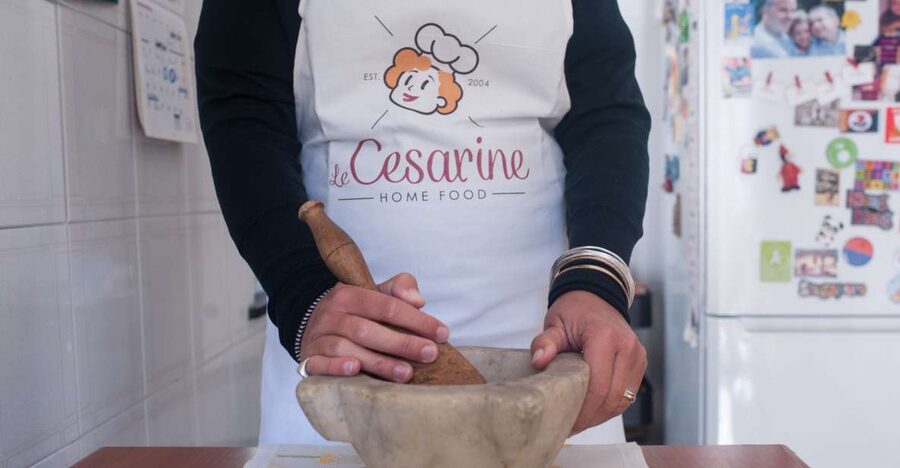
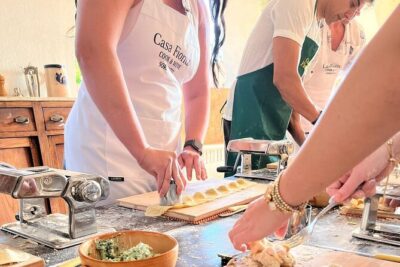
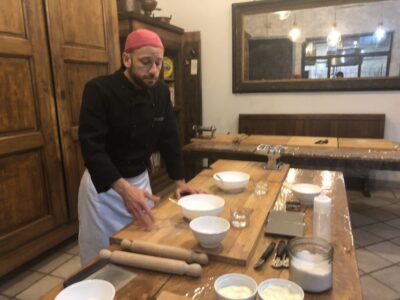
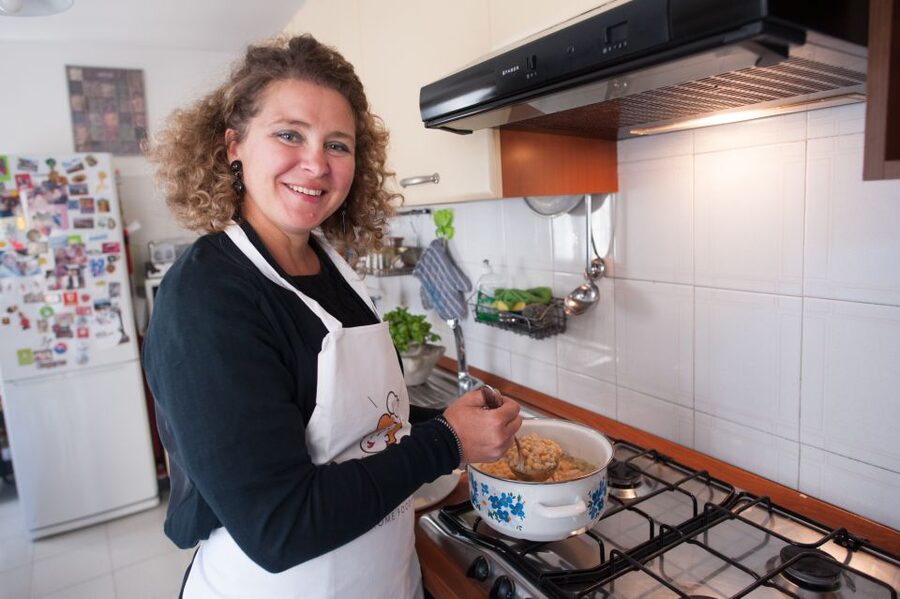
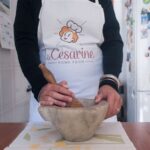
After the market, you shift to a private cooking class at your host’s home. This is where the day becomes more than a food tour. You’ll cook at a workstation set up with utensils and ingredients, so you’re not spending time hunting tools or translating recipe instructions.
The class is built around three authentic local recipes. During the lesson, your Cesarina reveals “tricks of the trade”—the small, practical adjustments that experienced home cooks make without thinking. That could be timing cues, how to handle a certain texture, or how to tell when something is ready. Even if you’ve cooked before, you’ll probably pick up at least a few cues that make you faster and more confident.
You’ll learn local dishes and regional cuisine techniques from family cookbooks. This matters because the recipes aren’t treated like museum pieces. They’re living versions of what someone serves at home—passed down and refined, not just copied from a modern cookbook.
Also, because you cook the meal yourself, the tasting at the end isn’t a random buffet. It’s the final checkpoint: you compare your results to what you were aiming for while your host can explain what worked and what you can tweak next time.
Lunch around the table: wine, coffee, and tasting everything you made
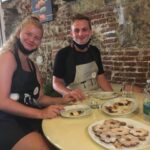
Here’s the part I always watch for in cooking experiences: do you actually get to eat what you cooked? In this case, yes. You’ll taste everything you prepared, gathered around the table, with beverages included.
You get water, and you’ll also have a selection of local red and white wines. Coffee is included too. That combination makes the meal feel like a real Italian home dining rhythm—cook, taste, talk, adjust, and enjoy.
This structure is one of the highest-value elements of the day. A lot of classes teach technique but end with a small sample. Here, you’re meant to feel the full payoff of the recipes you made. And since you shopped for ingredients with your host earlier, you can connect the flavor to the choices you made at the market.
One review also described the authenticity of cooking in a home setting that felt far removed from restaurant life—where you’re not just watching and eating, but participating in a family routine. If you care about the difference between learning dishes and learning a household approach, you’re in the right place.
Price and value: what you’re really paying for at $214.11
At $214.11 per person for about five hours, this isn’t a cheap activity. But it also isn’t paying for a single course or a short market walk. You’re paying for a full, private, guided food day:
- Market visit with a host who helps you choose quality ingredients
- Private cooking class in a home kitchen (not a standard restaurant demo)
- Three recipes taught with hands-on workstation support
- Tastings of everything you prepared
- Beverages including water, wine, and coffee
- Local taxes included
The value here is the combination. You’re getting both the sourcing piece and the technique piece, plus the tasting that lets you judge your results. That’s why it can feel like more than the sum of its parts.
One more practical value point: because it’s taught by a certified home cook (Cesarina), you’re learning the logic and small adjustments that help you repeat the recipes later. If you take those home and actually cook again, the cost starts to look more reasonable.
Timing and logistics: how to plan your day in Genoa
This activity typically runs from around 9 AM to 4 PM, but it can flex depending on your requirements and what the organizer is able to accommodate. The duration is listed as five hours, so plan for a steady food-focused block rather than a quick morning activity.
The biggest planning note is simple: the address of your host is shared after booking. So don’t lock in a tight schedule for right after you arrive in Genoa. Keep some breathing room so you can get to the meeting point smoothly and end up back there.
Your instructor can work in English or Italian, which is reassuring if you want clarity on cooking steps and ingredient choices. It also helps if you’re trying to understand what your host is teaching beyond just following motions.
Dietary requirements can be catered for, but you need to confirm directly with the organizer after booking. That’s the right approach. Cooking classes are ingredient-dependent, so make sure you communicate your needs early rather than hoping it can be improvised at the last second.
Who should book this cooking class (and who might hesitate)
This fits you best if you want more than a meal. You’ll likely enjoy it if you:
- like food planning and ingredient quality tips
- want to learn from a home cook, not a classroom-style demo
- enjoy wine with dinner and a sit-down tasting
- want take-home skills you can actually repeat
It might not be the best match if you’re looking for a strict sightseeing-heavy day. This is structured around shopping, cooking, and eating. You’ll get a strong local-food day, but you’re not treating it like a rapid-fire checklist of landmarks.
If you’re nervous in kitchens, don’t be. The class includes a prepared workstation with utensils and ingredients, and the host teaches the process step by step. You’ll still be doing the work, but you’re not doing it alone.
Practical tips before you go
A few things I’d do to make this day go smoothly:
- Wear comfortable shoes you can handle on market floors and around a home kitchen setup.
- Come hungry. You’ll shop, cook, and then taste everything you made.
- Ask about dietary accommodations right after you book so the host can plan ingredients properly.
- Keep your schedule flexible since the meeting address is shared later and the timing can shift.
Also, try to treat the market and the cooking as one storyline. If you pay attention to ingredient choices early, the recipe steps later will feel clearer, and the tasting will make more sense.
Should you book the Genoa market and cooking class?
Yes, if you want a hands-on Genoa food day with real local voices behind it. The strongest reasons to book are the pairing of market shopping plus a private home cooking class, and the fact that you cook three recipes and then taste everything with local wines.
If you’re trying to choose between this and something more general (like a short market stop or a restaurant cooking demo), this one tends to win for skill-building. You’re not just eating; you’re learning how ingredients are chosen and how the small cooking decisions get made in a real kitchen.
If you’d like, tell me your travel dates and any dietary needs, and I can suggest how to fit this into a Genoa day plan (morning market, cooking block, and evening plans) without squeezing your schedule.
FAQ
How long is the Genoa market and cooking class?
The experience is listed as 5 hours. The exact start times can vary, so check availability for the schedule options.
Where does the tour start and end?
The meeting point address is disclosed after booking. The activity ends back at the meeting point.
Is this a private experience?
Yes. The group type is listed as private.
What’s included in the price?
Included are the local market visit, the private cooking class, tastings of the 3 local recipes, beverages (water, wines, and coffee), and local taxes.
Are wines included?
Yes. You’ll have beverages including a selection of local red and white wines with the meal.
What language will the instructor use?
The instructor offers English and Italian.
Can dietary requirements be accommodated?
Different dietary requirements can be catered for, but you need to confirm directly with the service organizer after booking.
What recipes will you learn?
The lesson focuses on 3 authentic local recipes, taught by your certified home cook.
When does the market part usually happen?
The market tour usually starts at 9 AM and ends at 4 PM, but it can be flexible based on requirements and notification to the organizer.