REVIEW · MALAGA
Malaga: Authentic Paella Cooking Class with Sangría
Book on GetYourGuide →Operated by Kulinarea · Bookable on GetYourGuide
Paella, but make it hands-on. I like how this Malaga class turns a familiar dish into a real skill, starting at the food market and ending with you eating what you cooked. Two things I especially love: the Atarazanas Market stop (daytime classes) for ingredient shopping, and the modern SOHO District kitchen setup that makes cooking feel easy, not chaotic. One drawback to consider: if you book an evening slot, the market won’t be part of the experience since it’s closed.
You’ll also get a real taste of southern Spain beyond the pan. There’s an extra virgin olive oil tasting, then you’ll make homemade gazpacho (or sometimes salmorejo) and cook your own classic paella with an English-speaking local chef. Plan around one practical note: dietary restrictions can’t be accommodated on the day of class, so you’ll want to go only if your menu can stay standard.
In This Review
- Key Highlights I’d Put on Your Shortlist
- Atarazanas Market: The Flavor Start Line (Daytime Only)
- Olive Oil Tasting: Small Moment, Big Difference
- Inside the SOHO Kitchen: Clean, Modern, and Actually Built for Cooking
- Cooking Paella Yourself: Skills You Can Reuse at Home
- Gazpacho or Salmorejo + Sangria: Eating Together Like the Locals
- Drinks and Pairing: Wine With a Purpose, Not Just a Pour
- The People Factor: Local Chefs and Friendly Hosts
- Price and Value: $63 for a Full Cooking + Tasting Meal
- Day vs Evening: Choosing the Right Slot for Your Trip
- Who Should Book This Paella Class (and Who Might Skip It)
- Should You Book It? My Honest Take
- FAQ
- How long is the Malaga paella cooking class?
- Is the Atarazanas Market visit included?
- What will I cook and eat during the experience?
- Are drinks included?
- Can you accommodate dietary restrictions?
- Do I need pickup or drop-off?
Key Highlights I’d Put on Your Shortlist
- Atarazanas Market in daytime classes: see and learn from fresh seasonal produce before you cook
- Extra virgin olive oil tasting with traditional snacks to set flavor expectations early
- State-of-the-art kitchen in the SOHO District, designed for real cooking—not just watching
- You cook the paella yourself, guided step-by-step by an expert local chef
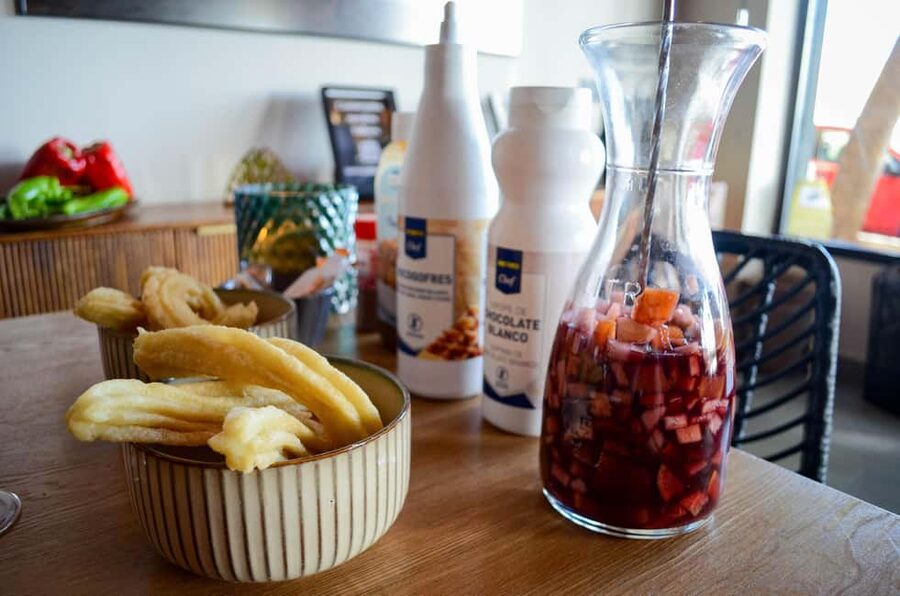
- Gazpacho (or salmorejo), sangria, and regional wine/beer/soft drinks included with your meal
- Take-home Kulinarea apron so the lesson doesn’t vanish the moment you leave
Atarazanas Market: The Flavor Start Line (Daytime Only)
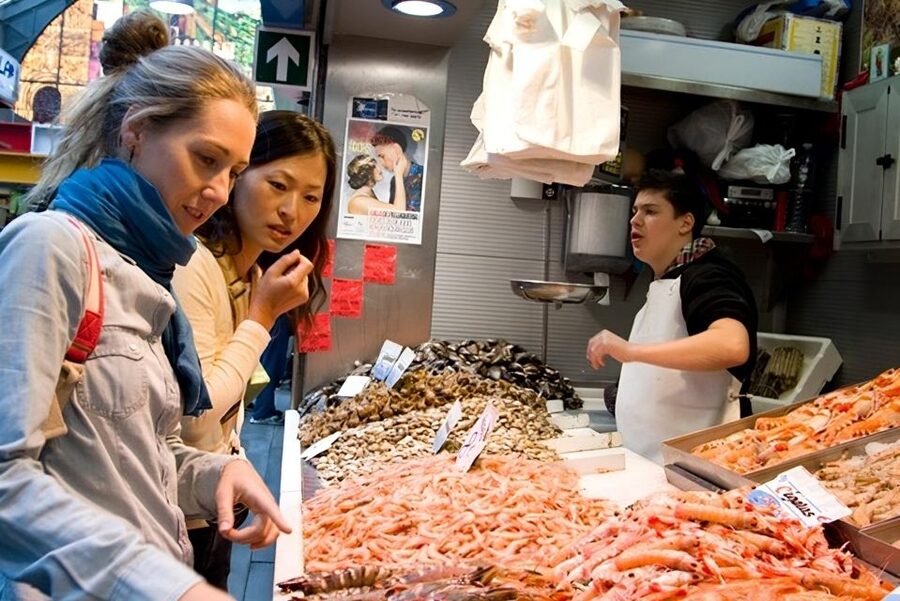
The day begins at Atarazanas, Malaga’s classic food market area. This matters because paella doesn’t start with rice—it starts with what you decide to put into it. Walking the market first gives you a sense of what’s actually in season and what you should care about when you’re shopping for ingredients later.
In daytime sessions, you’ll browse the market before you cook. You’ll also get the chance to learn how local stalls are stocked and why certain ingredients show up more than others depending on the time of year. If you’re the type who likes to understand what’s behind the dish, this stop is a big part of the value.
If you’re considering an evening class, here’s the key catch: the market is closed in the evenings. The experience still runs, but you won’t get that ingredient-shopping walk. Also, the market closes on specific holidays (like Jan 1, Jan 5, Aug 15, Dec 25, and other listed dates), so schedule matters if you’re traveling during those windows.
Practical takeaway: if you want the full “see ingredients → cook them” arc, choose a daytime option.
You can also read our reviews of more tours and experiences in Malaga.
Olive Oil Tasting: Small Moment, Big Difference
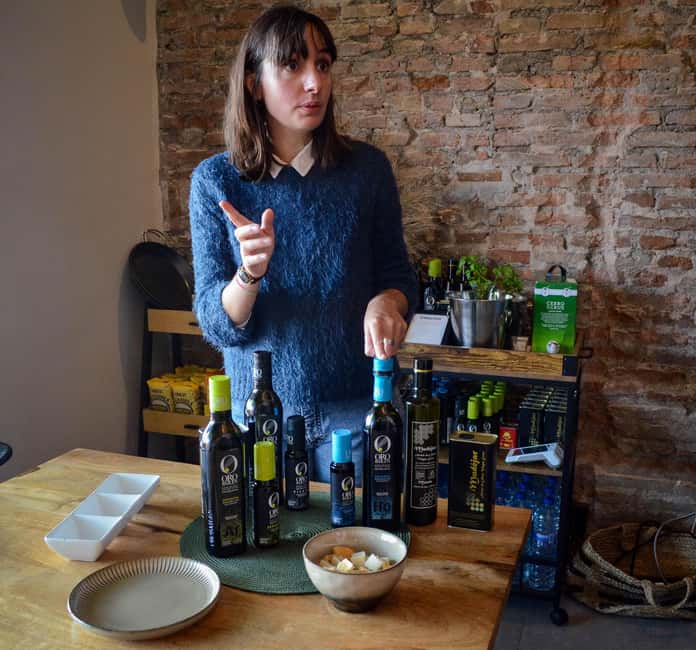
Before you hit the stove, you’ll do a brief tasting of extra virgin olive oil, paired with traditional snacks. This is one of those small add-ons that quietly changes how you cook and eat.
Why? Because once you’ve tasted good olive oil properly, you start noticing what it brings—fruitiness, bite, and balance—rather than treating it like a generic cooking step. The class uses this tasting to calibrate your palate before you start building flavors in the kitchen.
You’ll also get context on local ingredients used around Malaga and Andalusia. It’s short, but it’s not random. You’ll feel more confident when the chef starts referring to aromas and flavor choices while you cook.
Inside the SOHO Kitchen: Clean, Modern, and Actually Built for Cooking
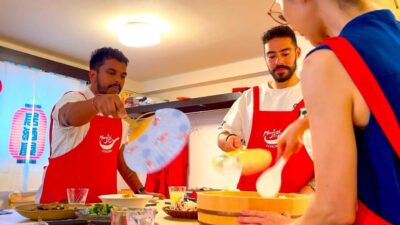
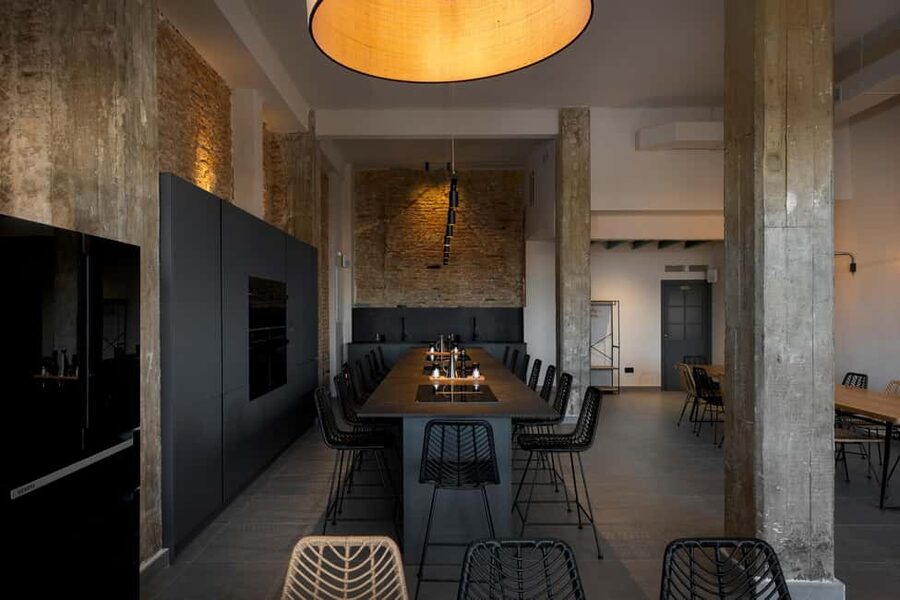
After the market, you head to a spacious, modern kitchen in Malaga’s artistic SOHO District, close enough to feel connected to the earlier market walk. I like this part because it reduces the usual “tour fatigue.” You’re not trekking across town or bouncing between places.
The kitchen is described as state-of-the-art and also very clean. That matters because paella and sauces can get messy fast—having the setup right makes the class smoother. You’ll be working with ingredients and tools in a kitchen environment that feels designed for group cooking.
Another underrated plus: since this is an English-led experience, the chef can explain what you’re doing and why you’re doing it while you’re doing it. That’s when classes become useful instead of just fun.
Cooking Paella Yourself: Skills You Can Reuse at Home
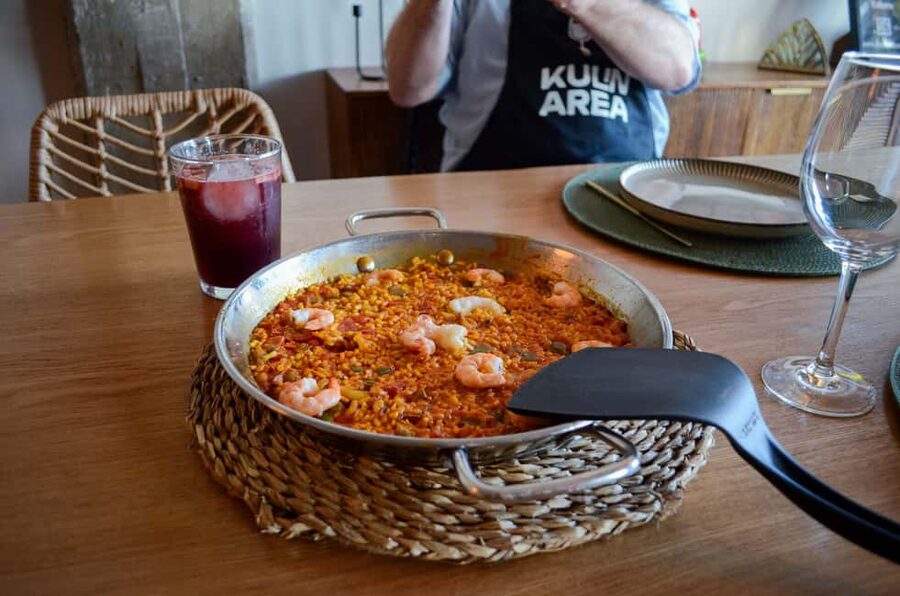
Now the main event: you’ll prepare a classic Spanish paella and cook it under expert guidance. This is the part you’ll remember later when you’re tempted to cook paella “the lazy way.”
Here’s what makes this cooking format valuable:
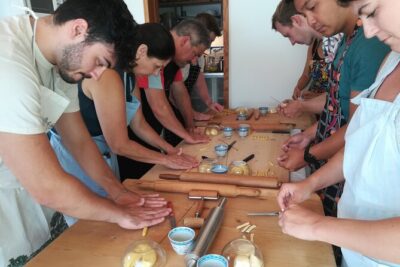
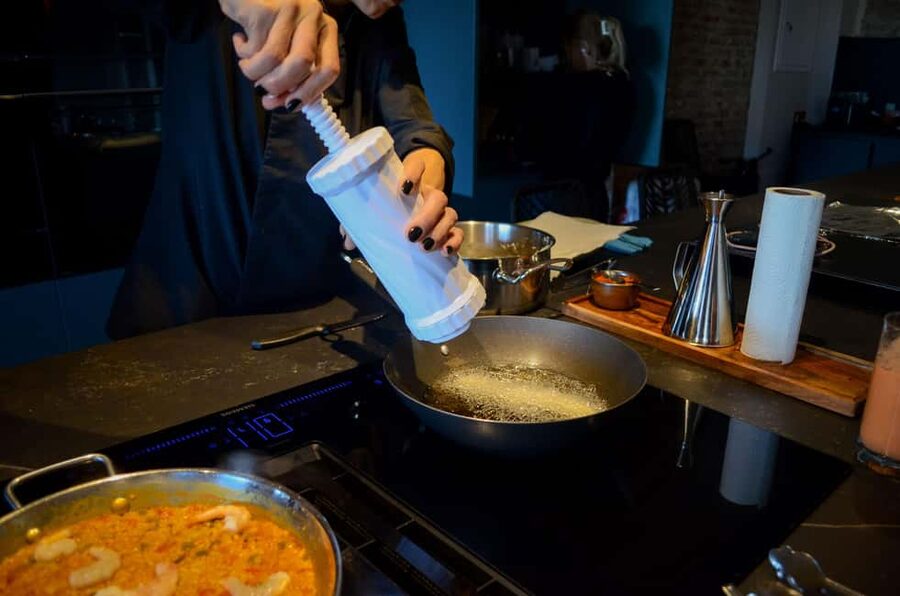
First, you’re not watching someone else do the hard steps. You’re making decisions during the process—how you handle ingredients, how you work the cooking flow, and how you respond when the chef adjusts technique.
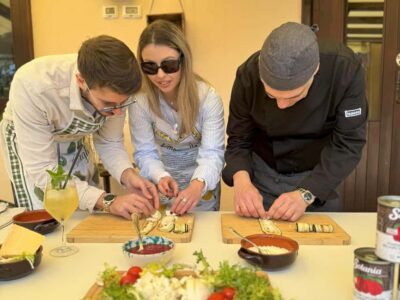
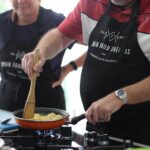
Second, the chef’s guidance is practical. You’ll get clear instruction while you work, and you’re not left to guess if your pan is behaving differently than you expected. Several classes have been described as very well organized with everyone assigned tasks, from prepping vegetables to working in sequence.
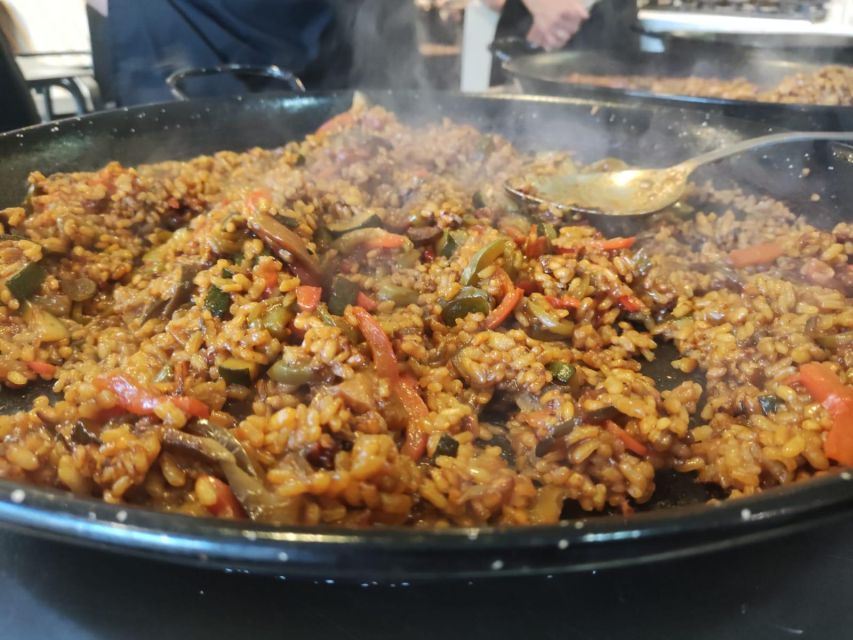
One detail I found interesting: in at least some sessions, multiple paellas are made during the class, and they can come out a bit different. That’s not a flaw—it’s a reminder that small ingredient and timing choices change the final result. The goal isn’t identical perfection. It’s learning how to make a good paella by understanding what you’re doing.
What you’ll likely take home: confidence. Not just a recipe page, but the ability to recreate the method.
Gazpacho or Salmorejo + Sangria: Eating Together Like the Locals
While paella cooks, you’ll also tackle homemade gazpacho (and in some sessions, it may be salmorejo). This matters because it shifts the meal from heavy to bright, and it gives you another Andalusian skill beyond rice.
You’ll also get sangria, plus drinks during the meal—regional wines are included, and other options like beer or soft drinks may be part of what’s served. The pairing idea is simple: you’re tasting Spanish flavors with the food rather than treating drinks like an afterthought.
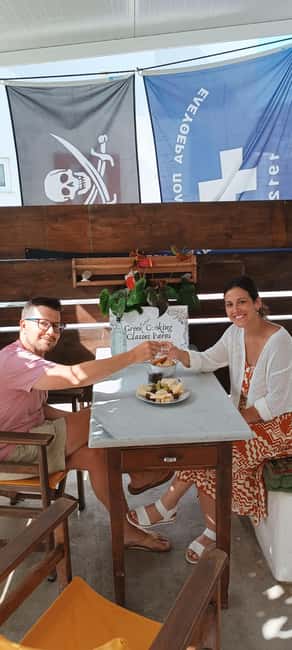
If you like a meal that feels social, this part delivers. You’re working, cooking, and then sitting down to eat what you made with the group. Several notes from past experiences highlight a friendly vibe at the table, with people chatting during the meal—exactly what you want after a hands-on class.
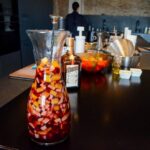
Drinks and Pairing: Wine With a Purpose, Not Just a Pour
The class includes drinks during the session, typically regional wine alongside sangria. It’s not just about “more alcohol.” It’s about tasting alongside food you’ve made, so you connect flavor with the right drink profile.
And there’s an extra touch in some sessions: wine shows up while you’re cooking, creating a steady rhythm—prep, cook, taste, toast. It makes the class feel like an event, not a checklist.
Just be mindful: sangria can go down fast. If you plan to keep exploring Malaga afterward, pace yourself.
The People Factor: Local Chefs and Friendly Hosts
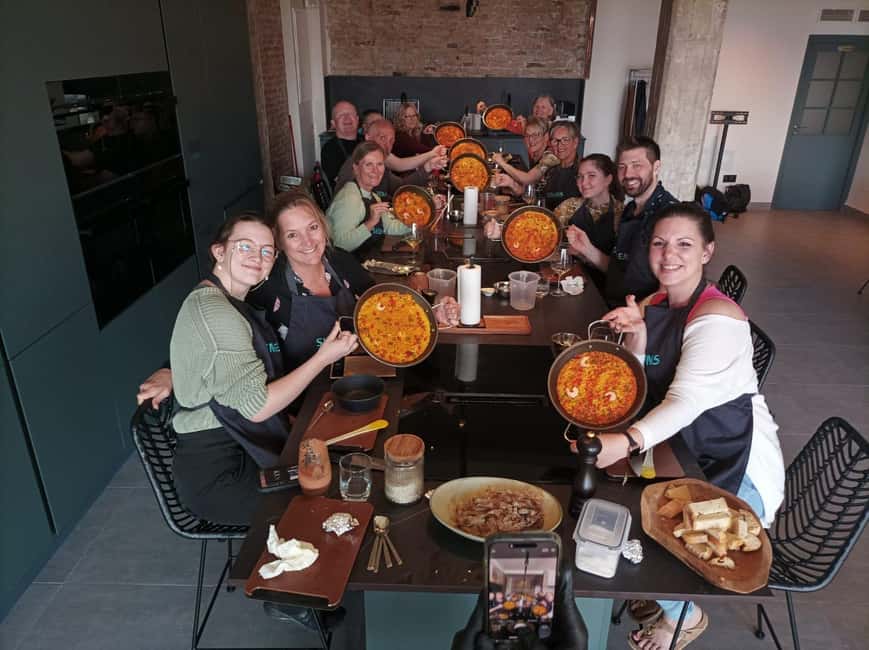
One reason this kind of class works is the human layer. You’ll be led by an expert local chef, and English instruction helps keep everyone on track.
Some experiences include guides and hosts with names like Elise, Javi, Anais, Alba, Alma, and Jorge. Even if your guide is different, the pattern is the same: you should expect clear instructions, warm interaction, and a relaxed pace that still keeps the cooking moving.
Look for the chef’s cues. The best part of the learning curve is when you understand what you’re doing—not when you rush to finish.
Price and Value: $63 for a Full Cooking + Tasting Meal
At around $63 per person, this is not a “cheap bite” activity. It’s a priced experience because you’re paying for multiple components:
- market time (in daytime classes)
- a hands-on cooking session for paella
- homemade gazpacho (or salmorejo)
- olive oil tasting with snacks
- sangria and additional included drinks
- a take-home gift (the Kulinarea apron)
- English-speaking leadership and expert chef guidance
For me, the value comes from doing. You’re not just eating a plated paella. You’re learning the steps that create it, then sitting down to enjoy your results. That’s a good trade for a few hours—especially in a city where food tours can easily become more “walking and listening” than “making.”
If you’re comparing options, ask yourself what you want most: flavor knowledge, or a meal delivered to you. This one leans hard toward cooking and skills.
Day vs Evening: Choosing the Right Slot for Your Trip
The schedule affects the experience in one big way: the Atarazanas Market stop.
- Daytime: market included, plus the full ingredient-learning arc
- Evening: market excluded since it’s closed, so you go straight to the kitchen experience
If you’re in Malaga for a short stay and you want the market atmosphere, go daytime. If you’re trying to build a lighter morning or you’ve got other plans, evening can still be a satisfying class—you’ll still cook paella and eat with included drinks and tastes.
Also check the holiday dates if you’re visiting around major closures listed for the market. A daytime class could be impacted if the market is closed.
Who Should Book This Paella Class (and Who Might Skip It)
This fits best if you:
- want a hands-on cooking skill in Malaga
- like food-first activities that connect market ingredients to the final dish
- enjoy sangria and regional wine with your meal
- prefer an English-led format with clear instruction
You might skip it if:
- you need dietary accommodation on the day (it isn’t possible)
- you’re traveling with young children, since it isn’t suitable for babies under 1 year or children under 4 years
- you’re expecting a quick snack rather than a full 3–3.5 hour cooking experience
One more tip: if you’re the “I need to be fully fed” type, this class delivers. You leave with your own paella and homemade starter, and you’re unlikely to need dinner right after.
Should You Book It? My Honest Take
Yes—if your idea of a great Malaga day is cooking, eating, and learning the flavors behind Andalusian classics, this is a strong pick. The combination of Atarazanas (daytime), an olive oil tasting, chef-led paella cooking, and included gazpacho plus sangria makes it feel like a real food experience, not a staged performance.
Book it especially if you want something you can recreate at home. The market start and the chef’s step-by-step coaching do most of the heavy lifting for you.
Just make sure your dietary needs match what the class can handle, choose daytime if you care about the market, and you’ll likely end up with that rare souvenir: a skill you can use again.
FAQ
How long is the Malaga paella cooking class?
The class runs about 3 to 3.5 hours. Start times vary, so check availability for the specific slot you’re booking.
Is the Atarazanas Market visit included?
Yes, but only in the daytime class. The market is closed in the evenings, so evening sessions don’t include that market walk.
What will I cook and eat during the experience?
You’ll cook your own paella and make homemade gazpacho (the experience also mentions salmorejo in some cases). You’ll also eat the meal you prepare.
Are drinks included?
Yes. Drinks are included, typically regional wines or beer or soft drinks, plus sangria.
Can you accommodate dietary restrictions?
No. The experience notes that it isn’t possible to accommodate dietary restrictions on the day of the class. You’ll need to inform them in advance, and plan for a standard menu if you have restrictions.
Do I need pickup or drop-off?
No. Pick-up and drop-off are not included, and the meeting point can vary depending on the option booked. The class ends back at the meeting point.