REVIEW · ITALY
Lake Maggiore: Arona & Stresa, Cooking Class with Dinner and Music
Book on GetYourGuide →Operated by Lago Maggiore experience · Bookable on GetYourGuide
Lake Maggiore makes this cooking class a joy. You’ll learn spaghetti alla chitarra and make real tiramisu in a 1950s Lombard house by the water. The one thing to consider: this is food-first, so if you’re hunting for big party energy, you may want to top it off elsewhere.
I like how practical the lesson feels: you work the dough by hand, you use the traditional chitarrina cutter, and you finish with a sit-down dinner instead of a quick tasting and dash. I also like the setting and extras: a scenic transfer from Arona by boat, plus time with pets and farm animals, and stories tied to Italian culture, art, music, and folklore.
If you’re traveling with kids, this can be a big win. The experience is free for children up to 15, but it’s still a genuine cooking class—so you’ll get the most out of it if everyone’s game to learn and eat at the table.
In This Review
- Key highlights you’ll actually care about
- Cooking in a 1950s Lombardy House Over Lake Maggiore
- Arona or Stresa: Choosing Your Transfer and the Start of the Day
- The Kitchen Moment: Fresh Pasta Dough and the Chitarrina Cutter
- Tiramisu the Traditional Way, Plus a Dinner You Actually Sit Down To
- km 0 Tastings: Cold Cuts, Cheeses, Compotes, and Liqueurs
- Stories Beyond the Stove: Culture, Art, Music, and Folklore
- Allergies, Intolerances, and Choosing Your Dish
- Pets, Farm Animals, and a More Relaxed Pace
- Price and Value: Is $117 Worth It?
- Family-Friendly, But Plan for Participation
- Who Should Book This Lake Maggiore Class
- Should You Book This Lake Maggiore Cooking Class?
- FAQ
- Meeting point options
- How do transfers work from Arona vs Stresa?
- What will I cook during the class?
- Can the menu be adjusted for allergies or dietary needs?
- How long is the experience?
- What’s included besides cooking?
- Are there age discounts for kids?
- What languages is the guide offered in?
- What are the booking and cancellation options?
Key highlights you’ll actually care about
- Handmade pasta dough with guidance you can follow step by step
- Chitarrina-cut spaghetti for that signature texture and shape
- Traditional tiramisu method you can repeat at home
- Scenic transfer on Lake Maggiore from Arona by boat or from Stresa by car
- Dinner plus km 0 tastings with local cold cuts, cheeses, compotes, and liqueurs
- Pets and farm animals at the property for a calmer, more personal feel
Cooking in a 1950s Lombardy House Over Lake Maggiore
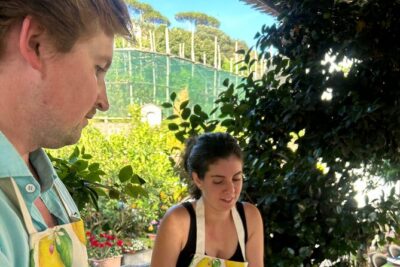
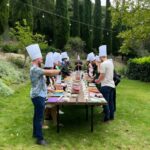
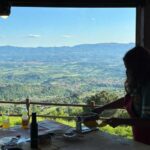
This Lake Maggiore cooking class feels like the kind of day you’d plan around food, not around a checklist. The heart of it is a real 1950s house on the Lombardy side of the lake. From there, you get that classic Northern Italy feeling: stone-and-wood rooms, a working kitchen vibe, and views that make the time between steps feel shorter.
The cooking part is focused and hands-on. You learn to make fresh pasta dough by hand, then shape spaghetti alla chitarra using the traditional chitarrina tool. That matters because this isn’t just about eating Italian comfort food—it’s about learning a technique. You’re not doing a craft for show; you’re making pasta with a tool that gives it a distinctive character.
Then you move to dessert: tiramisu using a traditional recipe. It’s the kind of lesson that sticks because tiramisu is simple in theory but easy to mess up if you skip details. Here, you’re guided through what to do and how to handle the ingredients, so it’s more likely to turn out like you expect later at home.
One more thing I appreciate: you’re not only “in” the kitchen. There’s time to breathe in the quiet of the property, and to interact with pets and farm animals. That turns the class from a purely instructional workshop into a small countryside break—even though you’re still on a major tourist lake.
You can also read our reviews of more tours and experiences in Italy.
Arona or Stresa: Choosing Your Transfer and the Start of the Day
You pick your meeting point when you book: either Arona or Stresa, both doable if you’re already planning to use the trains in the area.
If you choose Arona, you’ll transfer by boat to Angera, on the Lombardy shore. This is one of those “why not?” choices that can make the whole experience feel more like a trip. The boat ride gives you generous Lake Maggiore views without needing to plan extra sightseeing.
If you choose Stresa, the transfer is by car along the shores of the lake. It’s a more direct path, with the same benefit of scenery, just without the water time.
From either side, there’s a short walk along the lakefront. In the Arona route, you reach the house area by walking at the foot of Rocca di Angera, the imposing local fortress/rock outcrop. Even if you’re not the type who reads every plaque, it helps you orient yourself fast: you’re near a real landmark, not just a random door in a neighborhood.
Practical tip: if you care most about the view, lean toward the Arona boat transfer. If you want simplicity, Stresa works well.
The Kitchen Moment: Fresh Pasta Dough and the Chitarrina Cutter
The pasta lesson is the real centerpiece here. You’ll make fresh pasta dough by hand—kneading, working the texture, and learning how the dough should feel as you go. That hands-on approach is what makes the difference between a class you remember and one you forget.
Next comes the signature step: spaghetti alla chitarra cut with the chitarrina. The chitarrina is a traditional instrument used to cut pasta, and the result is part of the magic. The cut isn’t just about shape. It affects how sauce clings and how the pasta feels in a bite.
This is also where you’ll get a sense of regional technique. Spaghetti alla chitarra is a specific style with a specific tool for a reason. Learning that tool use is what turns the lesson into a skill—not just a meal.
If you’re wondering whether the cooking stage is stressful: the tone is friendly and focused on getting you through each step. You’re not expected to already know Italian dough work. If you can follow instructions and keep an eye on the dough’s feel, you’ll be fine.
Tiramisu the Traditional Way, Plus a Dinner You Actually Sit Down To
Tiramisu can be the tricky part for cooks at home. It’s easy to get vague instructions and end up with a dessert that tastes fine but doesn’t look right, or doesn’t slice well.
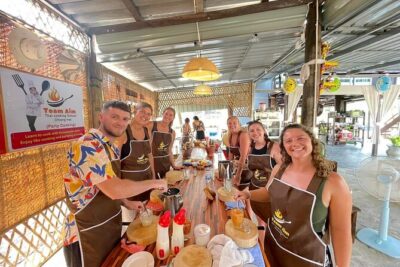
Here, you learn the tiramisu in a way that’s meant to be repeatable: a traditional recipe, guided through the process. You’ll finish with a dessert that’s part of the meal, not an afterthought set on the side.
Then dinner comes into play. After you cook and taste what you’ve made, you enjoy a convivial dinner in a warm, familiar atmosphere. You’ll also have good wine with the meal. This is important for value: you’re paying not just for the class, but for a full experience built around eating what you make.
You’ll also notice the dinner is treated as a social moment. You’re encouraged to chat, ask questions, and share table time—so even if your cooking skills are rusty, you still leave feeling like you had a real cultural evening.
km 0 Tastings: Cold Cuts, Cheeses, Compotes, and Liqueurs
Food classes can sometimes be all technique and no “what Italy tastes like.” This one does both.
You’ll have tastings of local products at km 0. That includes cold cuts, cheeses, compotes, and liqueurs. The idea isn’t to overwhelm you with a big spread—it’s to connect the dishes you’re making to the flavors of the area.
Cold cuts and cheeses help you understand how regional agriculture and tradition show up in everyday tables. Compotes and liqueurs add a sweet-and-spirited finish that pairs naturally with dessert. It’s the kind of tasting that makes you pay attention instead of just sampling to be polite.
Stories Beyond the Stove: Culture, Art, Music, and Folklore
The class includes stories during the experience—about Italian culture, art, music, and folklore. You’re not going to get a textbook lecture here. It’s more like the way a good host fills in context while people cook and eat.
That matters because cooking isn’t only food. It’s also identity: why a certain pasta shape exists, why a family dessert is treated like a tradition, why a tool like the chitarrina shows up in regional kitchens.
One small note from people who’ve done the class: the tone is mostly focused on the food. If you personally want more background music or more of a casual “let’s party” vibe, you might wish for a bit more on that side. It’s still a fun day, but it leans toward hospitality rather than nightlife.
Allergies, Intolerances, and Choosing Your Dish
This is a big plus if you have dietary needs. The class can be adapted for allergies, intolerances, and personal preferences. You can also choose other dishes together when booking.
One practical way to think about this: don’t assume you’re stuck with only one menu. If you need adjustments, tell them clearly when you book so they can plan ingredients and the flow of the class.
Even if you’re not on a special diet, flexibility is valuable. It means you can match the experience to what you actually like to eat, instead of forcing yourself through a dish you’re not excited about.
Pets, Farm Animals, and a More Relaxed Pace
A cooking class usually means “serious time in a tight schedule.” This one offers a calmer rhythm.
There’s interaction and playtime with pets and farm animals at the property. You might not be there for an animal encounter, but the effect is real: it softens the day, especially if you’re traveling with kids or you just want a break from nonstop sightseeing.
It also helps explain why the atmosphere feels warm and personal. You’re not just walking into a commercial kitchen space and being processed. You’re in someone’s home and property, and it shows in the feel.
Price and Value: Is $117 Worth It?
At $117 per person for about 4 hours, the cost can look “mid-range” at first glance. But value comes from what you actually get.
You’re paying for:
- A real cooking lesson with hands-on pasta-making (not just watching)
- Use of the traditional chitarrina cutter
- A traditional tiramisu recipe you learn properly
- A dinner you sit down to, with wine
- A km 0 tasting (cold cuts, cheeses, compotes, liqueurs)
- Transfers from either Arona (boat) or Stresa (car), plus a guided start-to-finish experience
- A unique setting: a 1950s house overlooking Lake Maggiore, with pets and farm animals
If you compare this to doing a stand-alone dinner plus a separate food workshop, the combined value tends to make sense. The transfers also help—boat rides cost money and planning elsewhere. And if tiramisu and handmade pasta are your priorities, this is a focused way to build those skills in one afternoon.
Family-Friendly, But Plan for Participation
The experience is free for kids up to 15, which is a strong family benefit. It also suggests the hosts design the day to be shared, not only tolerated.
That said, it’s still a cooking class. Younger kids may enjoy watching and helping with simple steps, but the core experience is food-focused. So the best fit is a family that likes hands-on activities and doesn’t mind spending a few hours around food prep.
If you’re traveling with teens, even better. They usually enjoy the novelty of making pasta and the satisfaction of eating the result.
Who Should Book This Lake Maggiore Class
I’d point you toward this experience if you want:
- A hands-on Lake Maggiore food day (not just a restaurant meal)
- Italian regional cooking, especially spaghetti alla chitarra and tiramisu
- A setting that feels local: a 1950s house, not a generic studio
- Transfers and views built in, with Arona’s boat option as a bonus
- Something that works for couples and also fits families thanks to the kids-free policy
I’d think twice if:
- You hate being in a kitchen for a solid chunk of time
- You only want sightseeing and don’t care about learning recipes
- You’re expecting a bar-and-music evening rather than a meal-centered cultural experience
Should You Book This Lake Maggiore Cooking Class?
If your ideal day is a mix of Lake views, real Italian technique, and sitting down to a dinner you helped make, book it. For the price, you’re getting much more than a tasting: you’re learning tools and recipes, plus you get transfers, a km 0 food sampler, dinner, and a warm atmosphere in a genuine home setting.
Choose Arona if you want the boat ride and the walking approach near Rocca di Angera. Choose Stresa if you prefer a faster shore drive. Either way, you’ll leave with practical cooking knowledge—and a memory that feels more like an Italian day shared than a tour stop.
FAQ
Meeting point options
You can choose to meet at either Arona or Stresa train station when booking.
How do transfers work from Arona vs Stresa?
From Arona, you’ll take a scenic boat transfer to Angera. From Stresa, the transfer is by car along the shores of Lake Maggiore.
What will I cook during the class?
You’ll learn to cook traditional Italian dishes, including spaghetti alla chitarra (hand-cut using the chitarrina) and tiramisu using a traditional recipe.
Can the menu be adjusted for allergies or dietary needs?
Yes. You can choose other dishes together when booking, and the experience can be tailored for allergies, intolerances, and culinary preferences.
How long is the experience?
The activity lasts about 4 hours.
What’s included besides cooking?
You’ll also have a tasting of local products (cold cuts, cheeses, compotes, and liqueurs), plus a convivial dinner with good wine.
Are there age discounts for kids?
Yes. The experience is free for kids up to 15.
What languages is the guide offered in?
The live tour guide is available in English, Italian, and Spanish.
What are the booking and cancellation options?
You can cancel up to 24 hours in advance for a full refund, and you can reserve now & pay later.