REVIEW · ANDALUCIA
Modern Spanish tapas cookery classes
Book on Viator →Operated by Pig and Fig catering · Bookable on Viator
Tapas lessons can be hit-or-miss, but this one is practical. In Almeria, you cook modern Spanish tapas with a chef, then eat what you make for lunch. The menu shifts with the season, so you get a snapshot of what local markets are actually turning into food right now.
I especially like the small-group setup (max 6). You’re not stuck watching while someone else works; you’re at the stove, getting real guidance. I also love the focus on Almeria ingredients through a mix of meat, fish, and vegetarian tapas, plus the fact you leave with recipe cards you can use later.
One thing to consider: there have been reports of inaccurate addresses and even a past closure situation tied to outdated listings. Before you head out, it’s smart to double-check you have the current meeting location and that the class is operating as advertised.
In This Review
- Key things to know before you go
- Modern tapas in Almeria: what you’re really signing up for
- The 10:00am start and the Vera meeting point
- Chef-led cooking: how the class runs in real life
- What you’ll cook (and why the menu changes)
- The Almeria ingredient angle: meat, fish, and vegetarian in one lesson
- Lunch you actually made: the best part of the day
- Group size, attention, and the Christine Leman factor
- Price and value: is $53.71 worth it?
- Practical tips so you get the most out of it
- Who this class is best for
- Should you book this modern tapas class in Vera?
- FAQ
- What is the duration of the modern Spanish tapas cooking class?
- What time does the class start?
- Where is the meeting point?
- Is it a small-group class?
- What will I be cooking?
- Does the menu change during the year?
- Do I eat what I cook?
- Is wine included?
- Are recipe cards provided?
- What happens if the experience is canceled due to minimum travelers?
Key things to know before you go

- Chef-led, hands-on tapas cooking: you’ll cook a range of modern bites, not just taste
- Seasonal menu choices: expect meat, fish, and vegetarian tapas shaped by fresh local availability
- Small-group size (max 6): more attention, less waiting, easier to keep up
- Lunch included: you eat what you prepare with wine or soft drinks
- Recipe cards included: you can recreate the dishes later without guessing
- Meeting point accuracy matters: some listings have had address problems, so confirm before you travel
Modern tapas in Almeria: what you’re really signing up for
This is a 4-hour, start-at-10:00am class in Vera, in the Almeria region of southern Spain. The format is simple: you learn how to make a selection of tapas, you cook them, and then you sit down to lunch and enjoy your creations with a glass of local wine or a soft drink.
The real value here is the blend of technique and food culture. Tapas in Spain are often treated as snacks, but a good tapas class helps you understand the building blocks: how flavors balance, how textures work, and how you turn local ingredients into small, satisfying plates. Since the menu changes with the seasons, it’s also a practical way to learn what cooks do with whatever looks best at the market at that moment.
And because it’s capped at 6 people, you’re more likely to get clarifications when something doesn’t work the first time. That matters when you’re trying to handle unfamiliar methods or timing.
The 10:00am start and the Vera meeting point
You meet at Av. Valle del Sol, 4, 04620 Vera, Almería, Spain. The activity ends back at the same meeting point. Expect a morning start, then a full cooking-to-lunch flow that lasts roughly 4 hours total.
Here’s my practical advice: plan to arrive a few minutes early so you’re not rushed into the lesson. With cooking classes, getting settled matters. It’s also worth keeping your mobile ticket handy for quick entry.
Because there have been reports tied to incorrect or outdated addresses, don’t rely on memory alone. If your booking confirms a meeting spot, use that and also do a quick sanity check the day of. If anything looks off, it’s better to verify early than lose time in the middle of your vacation.
Chef-led cooking: how the class runs in real life
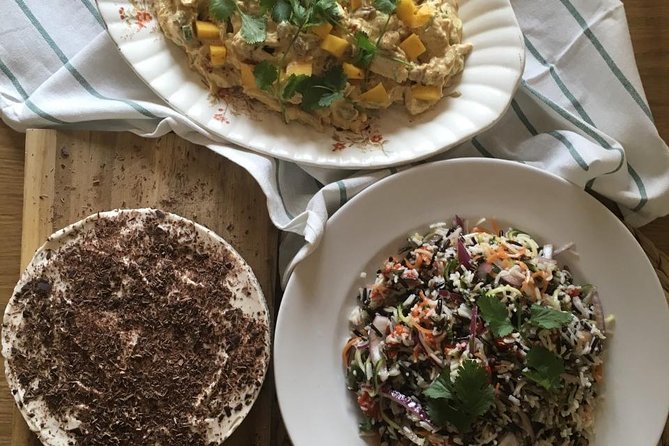
The session is described as a mix of demonstrations and cooking. In practice, that usually means you’ll see key steps first, then switch into your own station or workflow. You’re working with a chef, and the lesson is designed so you can produce a range of modern Spanish tapas bites.
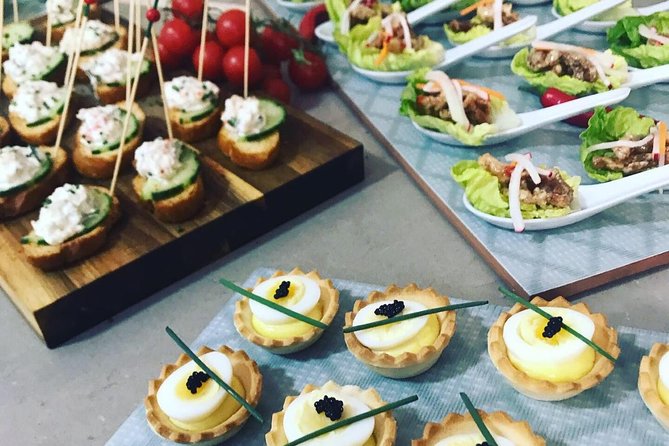
A highlight here is that the dishes cover multiple categories:
- meat tapas
- fish tapas
- vegetarian tapas
That variety is great for learning. If you only focus on one type of ingredient, you can end up with a narrow set of skills. With a mixed menu, you’ll pick up different approaches: handling seafood, working with meat flavors, and building vegetarian tapas that don’t feel like second-best plates.
One more thing: classes like this tend to work best when you bring curiosity more than cooking ego. If you’re not a confident cook, you’ll likely appreciate the pacing. If you are confident, you’ll still benefit from the structure—taste, adjust, and refine like a working kitchen.
What you’ll cook (and why the menu changes)
The class is framed as an introduction to the cuisine of the Almeria region. That’s not a vague promise. The lesson is built around fresh locally sourced ingredients and a menu that varies by season.
Seasonal menus are useful because they teach you cooking logic, not just recipes. When the ingredient choices shift, your methods still transfer. You learn how to think about flavor combinations and textures, then apply them later at home with whatever is available.
Based on the class description, you can expect modern Spanish tapas rather than old-school only-traditional dishes. Modern doesn’t mean fussy; it usually means technique-forward presentation and updated flavor balancing—still anchored in Spain’s familiar ingredient styles.
And yes, you’ll taste what you make. The class includes lunch at the end, paired with a glass of local wine or soft drinks. That’s the point where the learning stops being theory and turns into a meal you actually want to finish.
The Almeria ingredient angle: meat, fish, and vegetarian in one lesson
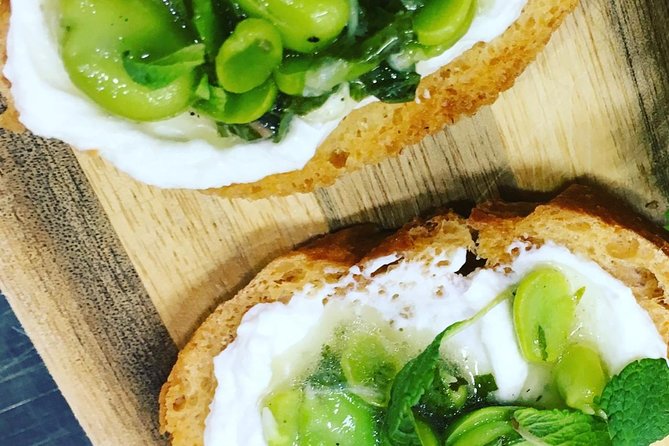
What I like about the meat/fish/vegetarian mix is that it forces your palate to reset. You can’t approach every dish the same way. Even if two tapas share similar seasoning, they behave differently in the pan and on the plate.
You also get a more complete picture of how people cook across the region’s ingredients. Almeria is known for produce and a coastal food culture. When a class gives you both fish and vegetables, it helps you connect the dots between what you see in markets and what ends up in everyday food.
For vegetarian eaters, it’s especially helpful. A good tapas lesson should show that vegetarian small plates can be full meals, not side dishes. Here, the class explicitly includes vegetarian tapas, which makes it more likely you’ll leave satisfied rather than hungry for the next option.
Lunch you actually made: the best part of the day
At the end of the cooking, you’ll enjoy the lunch you created. Wine or soft drinks are included with the meal.
This is where the class earns its keep. Lots of cooking experiences promise food, but you want to know you’ll eat well—not just snack. The structure here is meant to be a proper lunch, with the tastings tied directly to the dishes you prepared.
Also, lunch timing matters. With a 4-hour session, you get enough time to cook with focus, then sit down while flavors are still at their best. If you’re planning your wider day, this class can serve as your main meal without needing extra reservations.
Group size, attention, and the Christine Leman factor
The maximum group size is 6. That’s a sweet spot. In small groups, the chef can correct technique without hovering over you like a hawk, and you don’t spend half the time waiting for your turn.
There’s also a real personality element in the teaching. In prior experiences with Pig and Fig catering, Christine Leman has been described as leading classes with patience and experience, especially helping cooks who need a bit more pacing. That kind of teaching style is a huge deal if you’re not comfortable in the kitchen.
Even if you’re an advanced home cook, small-group teaching is still useful because it pushes you to taste and adjust. Cooking is detail work, and you only learn those details when someone watches what you’re doing.
Price and value: is $53.71 worth it?
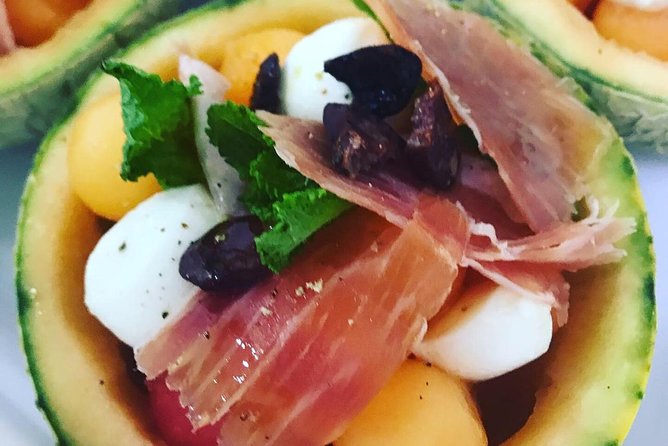
At $53.71 per person for about 4 hours, this class sits in the “solid value” zone, especially if you treat it as a food experience rather than a casual activity.
Here’s what you’re paying for, beyond just the cooking:
- Chef guidance for a mixed menu (meat, fish, vegetarian)
- Hands-on cooking time
- A meal you eat at the end
- Wine or soft drinks
- Recipe cards so you can repeat the dishes
Compare that to the cost of a decent meal plus a few drinks in a beach area like Vera. You’d easily spend similar money eating out, and you’d still walk away without the know-how. This gives you a meal and a skill set.
The only “cost” is time. Four hours is long enough to matter if you’re trying to cram in sightseeing. But if food is your priority—or if you want a break from driving, sun, and heat—this is a satisfying use of the day.
Practical tips so you get the most out of it
Cooking classes are easiest when you show up ready to work, not just observe.
- Wear shoes you’re okay standing in. Kitchens don’t usually start cold and comfortable.
- Expect to get your hands involved. Bring a calm mindset for small messes.
- If you’re particular about alcohol, choose soft drinks. The class includes both options.
- Take photos of the finished plates, then write down what you liked before you forget.
- Use the recipe cards as a starting point, not a word-for-word script. Your ingredients at home may differ.
And one logistical note: double-check the meeting location right before you go. Address mix-ups have been reported, and that kind of failure is avoidable with one extra minute of verification.
Who this class is best for
This cooking class fits best if you want a hands-on food day with minimal fluff.
You’ll probably love it if:
- you’re new to Spanish cooking and want a clear, guided introduction
- you like tapas but want to understand what makes them work
- you want to learn how to use Almeria-style ingredients
- you prefer small groups where questions don’t get lost
It may be less ideal if:
- you’re extremely time-tight and can’t spare a 4-hour block
- you need totally guaranteed logistics with no chance of address confusion (in which case, confirm carefully)
- you dislike cooking activities and would rather only taste
Should you book this modern tapas class in Vera?
If you’re aiming for a fun, food-first morning and you want real cooking practice—not just a show—this class is a strong option. The combination of chef-led hands-on cooking, a mixed meat/fish/vegetarian menu, and a lunch you eat makes it a practical experience, not a gimmick.
My main caution is the one thing you can’t cook your way out of: reliability of the meeting info. Since there have been reports of outdated addresses and even closure tied to old listings, I’d treat confirmation as part of your prep. If everything lines up on your booking details and the meeting point is correct, you’re likely to be in for a great day of Spanish tapas.
FAQ
What is the duration of the modern Spanish tapas cooking class?
It lasts about 4 hours.
What time does the class start?
The start time is 10:00am.
Where is the meeting point?
You meet at Av. Valle del Sol, 4, 04620 Vera, Almería, Spain.
Is it a small-group class?
Yes. The group size is limited to a maximum of 6 travelers.
What will I be cooking?
You’ll prepare a range of modern Spanish tapas, including meat, fish, and vegetarian dishes.
Does the menu change during the year?
Yes. The menu varies according to the season to use fresh locally sourced ingredients.
Do I eat what I cook?
Yes. You’ll enjoy the lunch you create at the end of the class.
Is wine included?
A glass of local wine is included, with soft drinks also available.
Are recipe cards provided?
Yes. Recipe cards are provided so you can recreate the dishes at home.
What happens if the experience is canceled due to minimum travelers?
If it’s canceled because the minimum isn’t met, you’ll be offered a different date/experience or a full refund.