REVIEW · GENOA
Genoese cooking lesson in the with lunch in the terrace
Book on Viator →Operated by Soul of Genoa Tours · Bookable on Viator
Cooking pesto turns into a mini workout.
This Genoa lesson is about rolling fresh pasta and learning traditional pesto methods in a beautiful palace setting, then eating what you make on a terrace overlooking the city. I love the hands-on pace, and I especially like that you learn the practical steps and the local reasoning behind them, not just a recipe list.
What you’ll like most: you actually shape the pasta (not just watch) and you’ll enjoy your lunch right there, al fresco when weather cooperates. One possible drawback to keep in mind: it’s a small-group class with a lot going on, so if the day runs crowded or timelines slip, you may spend slightly longer before you sit down to eat.
In This Review
- Key highlights to look for
- A Genoese cooking class inside a palace terrace setup
- Where to meet and how the day is laid out
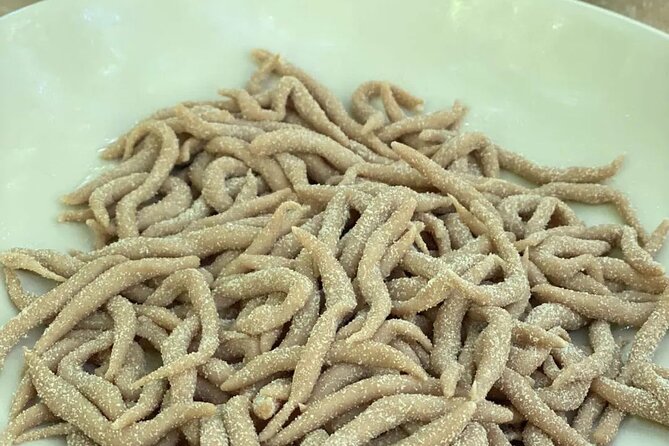
- Rolling fresh pasta: corzetti, trofie, and testaroli
- Pesto the Genoese way, with traditional tools
- Lunch on the terrace: eating your pasta with views
- Hands-on time, group size, and how to judge the pacing
- Your hosts in Genoa: Alessandro and company
- Language and take-home value: recipes you can actually use
- Price and value: is $83.48 worth it?
- Who should book this Genoese pasta and pesto lesson
- Weather, timing, and the terrace factor
- Should you book this Genoese pasta and pesto lesson with terrace lunch?
- FAQ
- How long is the Genoese cooking lesson with lunch?
- Where does the tour start?
- Does it include lunch?
- What will I learn to cook?
- What types of pasta might be served?
- Is the tour private?
- Is the lesson offered in English?
- What if the weather is bad?
- Can I get a full refund if I cancel?
Key highlights to look for
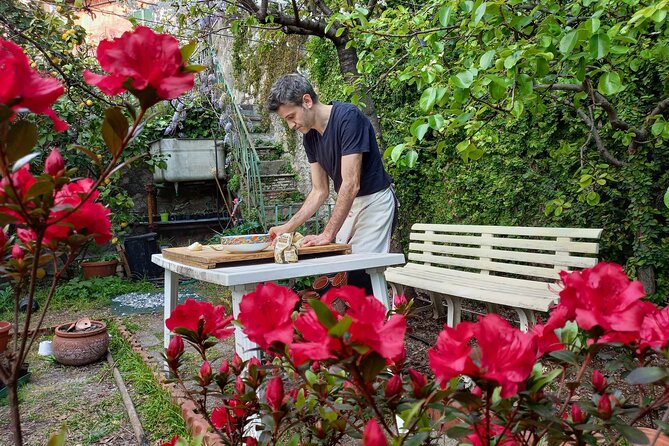
- Hands-on pasta shaping: you’ll work the dough and form regional shapes.
- Pesto the traditional way: you’ll use classic tools and learn local techniques.
- Lunch with serious views: terrace dining overlooking Genoa and the port area.
- Small-group vibe: your group participates together, with time for questions and conversation.
- Local wine and a relaxed finish: you’ll eat your pasta and pesto with drinks, depending on the day.
A Genoese cooking class inside a palace terrace setup
Genoa has a way of making food feel personal. This experience does that on purpose. You start in a palace setting, then shift into the courtyard/terrace mood where the day feels slower. The views are part of the payoff, too—port and sea scenery, plus fruit trees and grapevines in the garden area.
Two things make this worth your time even if you cook at home already. First, you get technique—how the dough should feel as you work it, and how pesto changes when you do it the traditional way. Second, you get a meal built from your own work. There’s a difference between cooking once and producing something you can eat warm, right away, with people around you.
The terrace lunch is not a random add-on. It’s the point where the lesson becomes a full afternoon: you get the satisfaction of tasting what you made, while looking over Genoa Square and beyond.
Where to meet and how the day is laid out
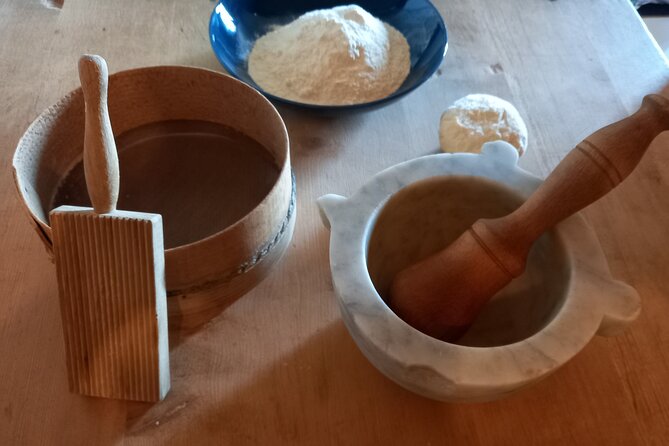
The activity begins at Piazza della Nunziata, 5, 16124 Genova GE, Italy, and ends back at the same spot. It’s near public transportation, which matters in Genoa because the streets can be a maze and walking between neighborhoods adds up fast.
A practical heads-up from the vibe of the experience: you may face a short but steep walk uphill to reach the garden/terrace area at the home/palace setting. If stairs are a problem for you, plan on going a bit slower. Comfortable shoes matter more than you’d think.
Also, the class is designed for a focused session of about 3 hours 15 minutes. That means they’re not trying to turn it into a whole-day food festival. You’ll move through prep, shaping, and pesto work, then eat.
Rolling fresh pasta: corzetti, trofie, and testaroli
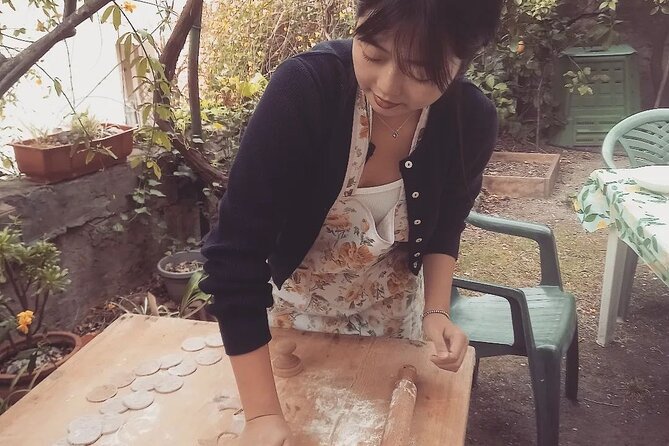
Fresh pasta is the headline skill here, and it’s the one you’ll remember when you try to recreate it later. The lesson includes making the dough for fresh pasta and learning how to shape it using regional Genoese techniques.
Here’s what that means for you in real life: you’ll get guidance while you work the dough. You’re not just learning the names of shapes—you’ll learn how the dough responds and how to form the right look. That practical feedback is the difference between a pasta that’s merely edible and one that tastes like the effort paid off.
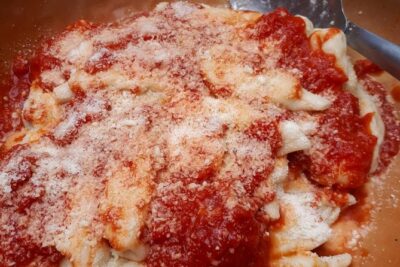
The menu examples include corzetti, testaroli, or trofie served with pesto. In the way these classes are often run, you should expect to make at least two pasta types, and some days include three. The best mindset is to show up ready to work with whatever pasta shapes are on the plan that afternoon.
Why this is valuable: store-bought pasta is fine, but it won’t teach you how the dough texture and thickness affect bite and sauce cling. By the end of the class, you’ll have a mental map for what “right” feels like, not just what it looks like.
Pesto the Genoese way, with traditional tools
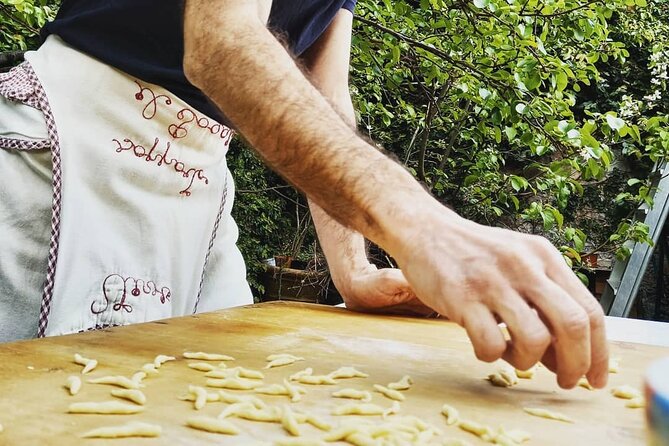
Pesto is the other big win. This is not a quick blend-and-go sauce lesson. You’ll learn how to make pesto using traditional tools, plus tips from a local.
If you’ve made pesto before with a food processor, you might notice something: mortar-and-pestle pesto feels more deliberate. You’re in control of texture and it takes time in a way that changes the result. That’s exactly why this class works. You’ll understand pesto as a craft, not just a flavor.
The day also focuses on ingredients and traditions—so you’ll hear the why behind the method. That’s what makes pesto lessons stick. You don’t just leave with a recipe. You leave with an idea of how Genoese cooks think about balance and texture.
One reviewer specifically called out learning the traditional pesto method using a mortar and pestle. Another mentioned the overall class was hands-on with equal chances at the steps, which is what you want if you’re paying for instruction, not entertainment.
Lunch on the terrace: eating your pasta with views
Once you finish cooking, you sit down for lunch on a terrace with scenery over the city. The setting is a big part of why people love this. You’ll be outdoors in a garden area with grapevines and fruit trees, and the view can stretch toward the port and sea.
The sample meal centers on pasta plus pesto. Depending on what’s chosen for your session, you might eat corzetti, testaroli, or trofie with pesto.
A few nice extras show up in the experience pattern: you may start with appetizers and you’ll likely have local wine with the meal. One review even mentioned that recipes were emailed after the class, which is a great service for anyone who wants to cook again without hunting through notes.
Here’s my practical advice: arrive hungry and don’t overplan the rest of your day. Even when the lesson runs smoothly, lunch takes time, and you’ll want to enjoy it rather than treat it like a checkpoint.
Hands-on time, group size, and how to judge the pacing
This is offered as a private tour/activity, meaning only your group participates. That’s a big difference from the big-factory cooking demos. In many cases the class feels small enough that people can roll dough, shape pasta, and make pesto without standing around too long.
Still, here’s the one consideration that can affect your experience: on busier days, pacing can feel rushed. One person reported the host appeared flustered and that the class felt more like watch me cook than hands-on, which is the opposite of what you’re expecting. The takeaway for you is simple: if you’re sensitive to delays or you prefer extremely individualized instruction, go in knowing this is still a human-run kitchen experience with real timing constraints.
If you want the best chance of a smooth flow:
- Bring patience. You’re in a real home/garden environment.
- Ask questions as you work. The more you engage, the more you’ll get from the time.
- Plan to enjoy lunch as the finale, not to squeeze the rest of your day right after.
Your hosts in Genoa: Alessandro and company
The experience is run by Soul of Genoa Tours. Many classes are hosted by Alessandro, and some reviews also mention guides like Emanuela and Emma. You’ll likely hear stories and practical advice that connect the food to everyday Genoese life—why ingredients matter, how people serve these dishes, and what makes the method local.
This is one of those tours where the host personality affects the mood. Most feedback is positive about warmth, patience, and clear step-by-step teaching. When it goes well, you’ll feel like you’re cooking with someone who’s proud of both the food and the setting.
Language and take-home value: recipes you can actually use
The activity is offered in English, and the teaching style is built around walking you through steps. If you’ve never made fresh pasta, that’s fine. Multiple comments describe the class as doable for first-timers because the instructions are broken down clearly.
The most useful “take home” detail is the recipes. One review specifically said the host emailed recipes after the class. That’s exactly what you want if you’ll cook again later and don’t want to rely on memory.
Even without an email, you’ll likely leave with the core technique:
- how to handle fresh dough
- how to shape pasta into the right form
- how pesto changes when you make it the traditional way
That’s the kind of value that lasts longer than a photo of your lunch.
Price and value: is $83.48 worth it?
At $83.48 per person, this isn’t the cheapest thing you can do in Genoa. But it’s also not just a ticket to watch cooking. You’re paying for:
- a multi-step pasta and pesto lesson (fresh dough + shaping + sauce method)
- lunch on a terrace with your food
- local wine, plus food like appetizers depending on the day
- a small, private group experience in a palace/garden setting
- instruction in English
In other words, you’re buying an afternoon of guided cooking plus a meal you helped produce. If you like food experiences that teach you skills you can repeat, the price starts to look reasonable. If you’re looking only for a quick snack and a photo, you might feel the cost.
My suggestion: treat it like paying for a meal plus a workshop. When you do that math, it tends to make more sense.
Who should book this Genoese pasta and pesto lesson
This tour is a great fit if you want:
- a hands-on food class in a beautiful setting
- regional Genoese flavors, specifically pesto and fresh pasta shapes
- an afternoon plan that ends with a sit-down lunch and views
- a small-group experience where you can ask questions
It’s also a strong option for couples and friends. The garden setting makes it feel special, but the cooking work keeps it from becoming just a scenery stop.
Vegetarian note: one review mentioned a vegetarian guest could eat everything served. That doesn’t guarantee every session can accommodate every diet, but it’s a good sign that they pay attention to what people are able to eat. If diet matters to you, message the operator when you book so they can plan.
Weather, timing, and the terrace factor
The experience requires good weather. If poor weather cancels the plan, you’ll be offered a different date or a full refund. That’s important because the terrace lunch is part of the appeal.
In at least one case, a rainy day led to moving inside. So you might get flexibility if conditions allow. Still, the safest mindset is to treat it as a seasonal-weather-dependent outing, even if there’s a backup plan on some days.
Should you book this Genoese pasta and pesto lesson with terrace lunch?
If you want a real cooking class—not a performance—this is an easy yes. The core skills (fresh pasta dough and shaping, plus traditional pesto) are the kind you can carry home. The terrace lunch with port and sea views gives the experience an actual destination feeling, even though you’re in the middle of the city.
I’d think twice only if:
- you dislike walking uphill (the garden access can involve a steep climb)
- you need a perfectly timed schedule every minute (some days can feel rushed)
- you’re looking for a hands-off tasting tour rather than cooking
If you fall into the normal category—food curious, willing to work a little, and excited to eat the results—book it. It’s a strong way to spend a Genoa afternoon doing something both local and practical.
FAQ
How long is the Genoese cooking lesson with lunch?
It lasts about 3 hours 15 minutes.
Where does the tour start?
The start point is Piazza della Nunziata, 5, 16124 Genova GE, Italy.
Does it include lunch?
Yes. After cooking, you eat lunch on the terrace.
What will I learn to cook?
You’ll learn how to make typical Genoese fresh pasta dough and how to shape it, and you’ll learn how to make pesto with traditional tools.
What types of pasta might be served?
The sample menu includes corzetti, testaroli, or trofie with pesto.
Is the tour private?
Yes. It’s a private activity, and only your group participates.
Is the lesson offered in English?
Yes, it is offered in English.
What if the weather is bad?
The experience requires good weather. If it’s canceled due to poor weather, you’ll be offered a different date or a full refund.
Can I get a full refund if I cancel?
Yes, you can cancel up to 24 hours in advance for a full refund.