REVIEW · ADDIS ABABA
Private Ethiopian Home Cooking Class in Addis Ababa with Transfer
Book on Viator →Operated by Traveling Spoon · Bookable on Viator
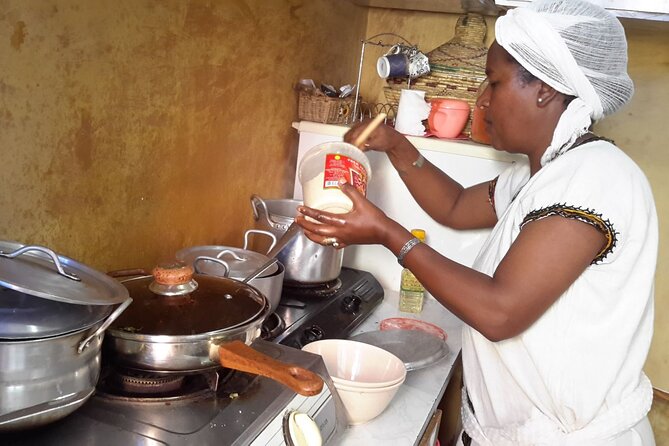
Addis Ababa tastes like a family meal. I love the Sansusi market stop and the fact you cook Hilena’s family recipes in a real home kitchen, not a demo setup. The main thing to plan for is the experience runs about 3 hours and it can be a lot of food, so bring a big appetite and pacing skills.
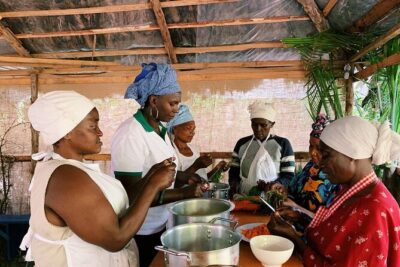
You’ll be picked up with transfer service, then welcomed in Hilena’s home area in Sansusi, about 20 km from the airport. Since Hilena’s English isn’t super fluent, her brother translates throughout, which keeps things smooth even if you don’t know Amharic. Also, while Hilena runs a guest house, the cooking class itself is private to your group.
In This Review
- Key things that make this cooking class worth your time
- A family kitchen in Sansusi beats a show-and-tell class
- Getting there: pickup, timing, and how translation works
- The optional Sansusi market walk: what you might see and why it matters
- What you’ll cook: Beyaynetu, Shiro, Genfo, and Anebabero
- Beyaynetu vegetable platter
- Shiro chickpea stew
- Genfo porridge
- Anebabero Ethiopian bread
- The meal itself: eating in the home, not beside it
- Ethiopian coffee at the end: the small ritual that closes the loop
- Price and value: what $124 buys you in the real world
- Who should book this, and who should think twice
- Booking checklist: how to get the best results
- Should you book this private Ethiopian home cooking class?
- FAQ
- How long is the Ethiopian home cooking class?
- Is pickup included?
- Where does the class take place?
- What dishes will we eat and cook?
- Is there an option to visit a market?
- Are vegetarian options available?
- What if someone in my group has allergies or dietary restrictions?
- Who will teach the class, and is there translation?
- Is this class private?
- What’s the cancellation window for a refund?
Key things that make this cooking class worth your time
- Private home kitchen in Sansusi: You learn where the food actually gets made, not in a studio.
- Market tour option right in the neighborhood: You can pick up grains, vegetables, and herbs for the meal.
- Family recipes led by Hilena: She’s a native of Addis Ababa and has been cooking since childhood.
- A proper Ethiopian spread: Beyaynetu, Shiro, Genfo, and Anebabero, served together at the end.
- Coffee to close: You finish with Ethiopian coffee after the meal.
- Brother translation support: Helps you ask questions and understand steps clearly.
A family kitchen in Sansusi beats a show-and-tell class
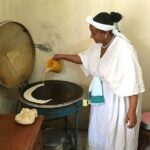
This kind of class works because it’s not staged like a performance. You’re in a local home kitchen, learning how Ethiopian dishes come together day to day, and then you sit down to eat them as a shared meal.
I especially like that Hilena teaches with family recipes, which changes the tone from instructions to real food habits. You also get context for what you’re eating, from how ingredients are chosen to how the meal is served.
The one caution: the “private” part applies to your class, but Hilena runs a guest house, so you might see other people around. That doesn’t ruin the experience, but it’s good to know you’re not in a total empty-house bubble.
You can also read our reviews of more tours and experiences in Addis Ababa.
Getting there: pickup, timing, and how translation works
Your tour includes transfer with pickup, which matters in Addis Ababa because you’re heading to the outskirts. Hilena’s home is in Sansusi, about 20 km from the airport, so the ride saves time and helps you avoid turning your morning into a navigation project.
The session runs about 3 hours. That’s long enough to learn actively—cooking, not just watching—but still short enough to fit into a day that also includes other sights.
Hilena isn’t very fluent in English, so her brother is present for translation throughout. In practice, that’s a big plus: you can understand steps, ask questions, and confirm dietary needs without playing guessing games.
The optional Sansusi market walk: what you might see and why it matters
If you choose the market option, you’ll walk through a local, street-side neighborhood market in Sansusi. Expect stalls with grains, vegetables, fruits, and other everyday items. You may also see live animals like chicken and sheep, plus clothing and other goods.
This isn’t just sightseeing. Buying a few ingredients for your cooking class gives you a clearer picture of how Ethiopian cooking starts long before the pot hits the stove. When you handle the produce yourself, you understand why certain ingredients are chosen for stew, platter sides, or bread dough.
A practical note: a market walk can mean sensory overload—sounds, smells, and crowds. Wear comfortable clothes and shoes you can move in, and keep your phone tucked away if you start to feel overwhelmed.
What you’ll cook: Beyaynetu, Shiro, Genfo, and Anebabero
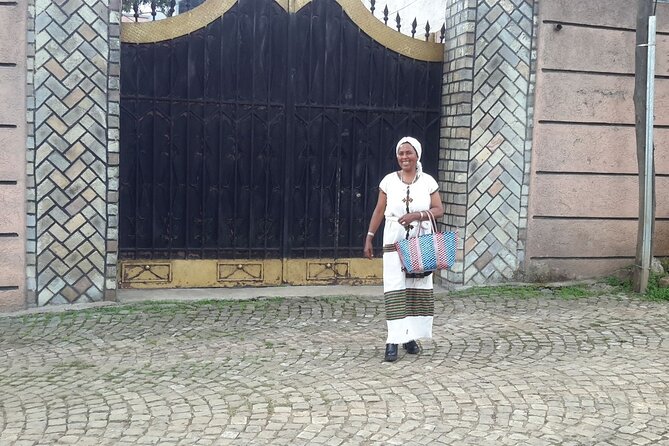
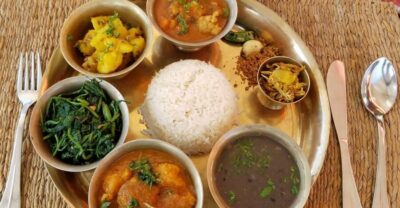
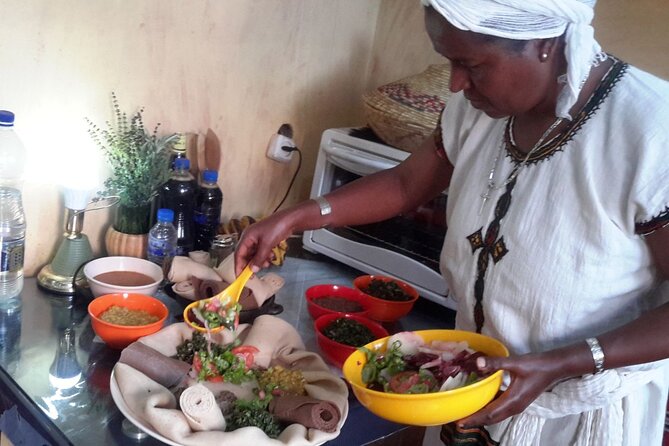
The class centers on making two traditional Ethiopian dishes, plus the meal you share afterward. The menu highlights a classic Ethiopian spread: Beyaynetu (a vegetable platter), Shiro (chickpea stew), Genfo (porridge), and Anebabero (Ethiopian bread).
Here’s how that set helps you understand Ethiopian meals as a system, not isolated recipes:
Beyaynetu vegetable platter
Beyaynetu is a mix-and-match style platter. You’re not just making one vegetable dish; you’re learning how Ethiopian meals build a whole plate through combination—texture, color, and flavor. It’s also a great way to connect with vegetarian-friendly Ethiopian food.
Shiro chickpea stew
Shiro is a chickpea-based stew you’ll likely recognize as comfort food. Even if you don’t cook at home often, learning stew is valuable because it teaches timing and thickness—how you know it’s done by look and feel, not by a rigid clock.
Genfo porridge
Genfo adds a different rhythm. Instead of a stew consistency, you’re working with a porridge base, which helps you see how Ethiopian breakfasts and lighter meals can work alongside richer dishes.
Anebabero Ethiopian bread
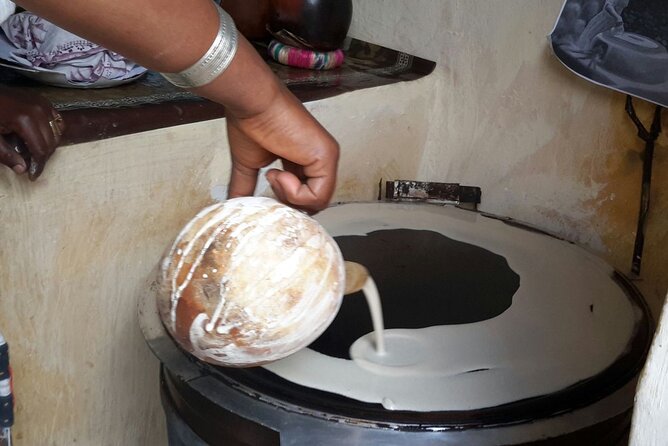
Bread is where the class becomes hands-on. Anebabero (Ethiopian bread) helps you understand how Ethiopian meals are meant to be eaten together, not from separate plates.
Because the menu may vary depending on season, don’t treat it like a strict script. What stays consistent is the theme: you’ll leave with a practical view of how these dishes fit together.
The meal itself: eating in the home, not beside it
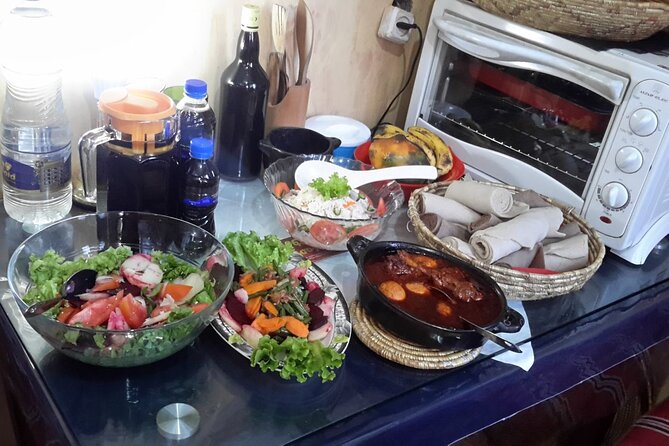
After cooking, you’ll eat the meal together in the host home. This part is genuinely important. You don’t just learn technique; you learn how people actually eat—how the platter is shared and how the stew-and-bread combo comes to the table.
The standout feedback from a previous guest was how educational the experience felt, paired with a warm, attentive welcome from the family. I’d agree with the core idea: when the meal is served right where it was made, you naturally pay attention, and you remember more.
And yes, it can be a lot of food. That’s not a downside if you plan for it. Treat this like your main meal of the day and skip a heavy lunch beforehand.
Ethiopian coffee at the end: the small ritual that closes the loop
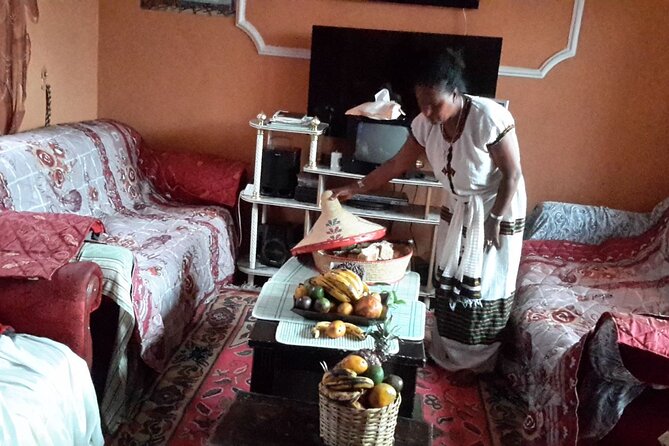
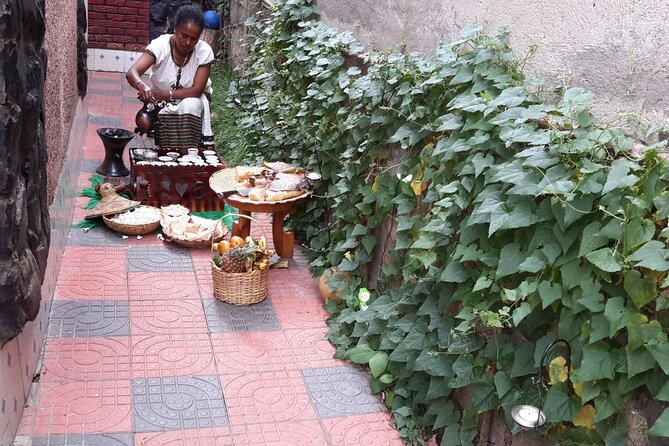
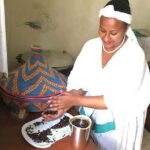
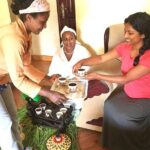
You’ll finish with Ethiopian coffee after the meal. It’s a calm, satisfying wrap-up that turns the experience from a class into a full cultural visit.
This matters because it’s not only about cooking. Food in Ethiopia is social, and coffee often plays that last, shared step. If you’ve been traveling with constant movement, this end moment gives you something to slow down for.
Price and value: what $124 buys you in the real world
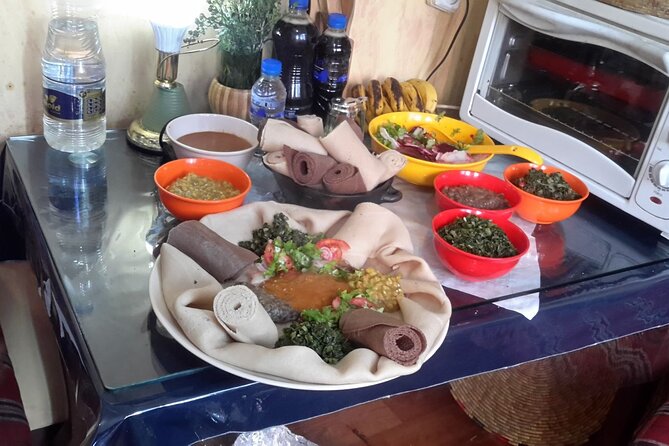
At $124 per person for about 3 hours, this sits in the “worth it if you want real local access” category. What you’re paying for isn’t just recipes. You’re paying for:
- A private class led in a local home kitchen
- Transfer/pickup, which is useful given the home is about 20 km from the airport
- Family-style instruction, with a translator present
- A full meal afterward plus Ethiopian coffee
- Optional market tour that can add ingredient-picking and local context
Is it cheaper than a big-group cooking workshop? Often, yes. But big-group experiences usually trade away the personal attention and home setting. Here, the value is the small-group feel and the fact you cook and eat together.
If you’re traveling in a small group, private access also means you can ask more questions and adjust faster for dietary needs.
Who should book this, and who should think twice
This experience is a strong match if you:
- Want authentic home cooking with local hosts in Addis Ababa
- Enjoy learning by doing—actually cooking, not just watching
- Like cultural food connections, especially Ethiopian cuisine
- Are traveling as a couple or small group who wants more personal interaction
It may be less ideal if you:
- Get uncomfortable with a market that includes live animals
- Don’t do well with longer sit-down meals (it can be a lot of food)
- Need fully fluent English guidance; translation is provided, but Hilena’s English is limited
Dietary needs are handled, but you must plan ahead. If anyone in your group has allergies, dietary restrictions, or cooking preferences, you should advise at booking. A vegetarian option is available if you request it.
Booking checklist: how to get the best results
Before you go, think about two things: appetite and communication.
Bring a good appetite because you’ll cook and then eat a full spread. And for communication, send your dietary needs clearly when you book. Menu details can shift by season, but getting restrictions in early helps the hosts plan correctly.
It also helps to remember the class is private to your group, even if the host runs a guest house. That means you’re not sharing your cooking session with strangers—but you may still see other guests in the broader home environment.
Should you book this private Ethiopian home cooking class?
I think you should book it if your priority is real local food culture rather than a generic cooking demo. The market option adds real context, and the meal afterward turns it into an experience you can talk about for years.
If you’re short on time, or you prefer tightly paced, minimal-food activities, this might feel like too much. But if you want hands-on cooking, a family welcome, and Ethiopian coffee to close the day, this class is a great fit.
FAQ
How long is the Ethiopian home cooking class?
It’s about 3 hours.
Is pickup included?
Yes, pickup and transfer are offered.
Where does the class take place?
In a local home kitchen in Sansusi, Addis Ababa (about 20 km from the airport).
What dishes will we eat and cook?
The experience highlights Beyaynetu (vegetable platter), Shiro (chickpea stew), Genfo (porridge), and Anebabero (Ethiopian bread). You’ll also learn two traditional dishes using family recipes.
Is there an option to visit a market?
Yes. You can add a market tour in Sansusi, where you’ll walk through a neighborhood street-side market and may buy ingredients.
Are vegetarian options available?
Yes. A vegetarian option is available if you request it when booking.
What if someone in my group has allergies or dietary restrictions?
You should advise the provider at the time of booking. The menu may vary by season, and preferences can be accommodated with advance notice.
Who will teach the class, and is there translation?
The host is Hilena, a native of Addis Ababa. Her brother is present to help translate throughout the experience.
Is this class private?
Yes. It’s a private tour/activity, and only your group participates in the class.
What’s the cancellation window for a refund?
You can cancel up to 2 days in advance for a full refund. Within 2 days, refunds aren’t available.