REVIEW · ESSAOUIRA
Marrakech cooking class
Book on GetYourGuide →Operated by Rak Adventure · Bookable on GetYourGuide
Cooking in Marrakesh has a smell-test.
You’ll start at Place de l’Horloge and spend the morning/part of the class picking ingredients with the same kind of hands-on care Moroccans use at home. I especially liked the market shopping part and the step-by-step family-style couscous instruction that makes a tricky dish feel doable. One thing to keep in mind: there isn’t any dessert course listed, so if you want a sweet finish, plan to grab one after.
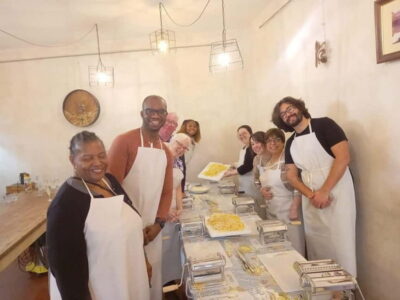
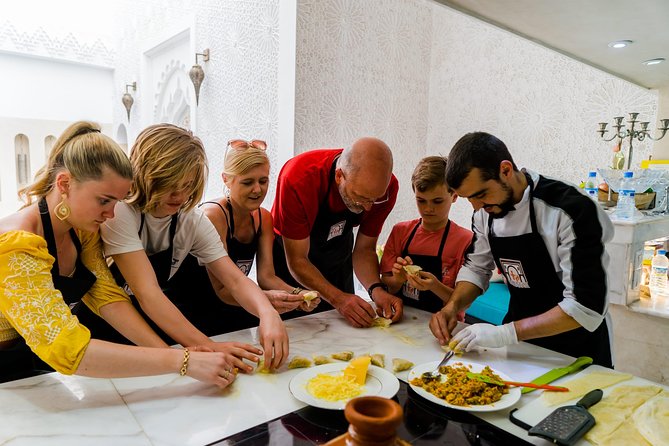
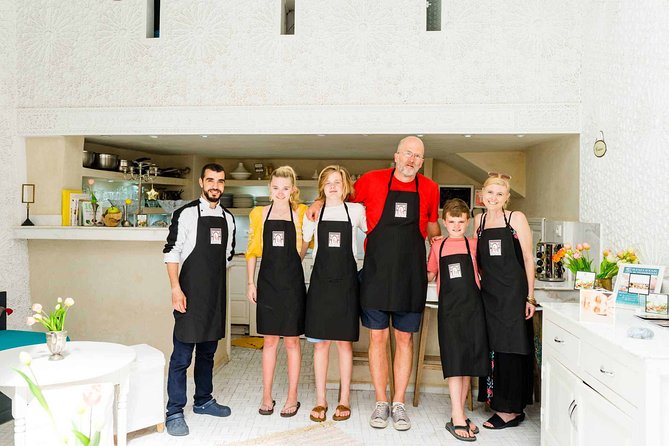
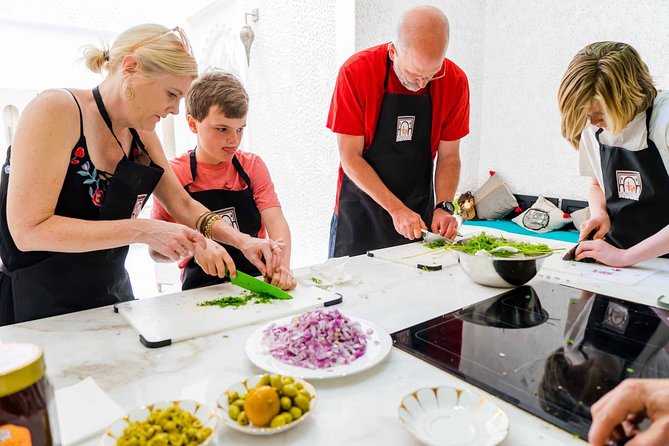
Back at the house, the experience turns friendly fast. Houssein and Khadija (and their family routine) guide you through cooking while you sip Moroccan mint tea and learn what goes into the flavors you already know from Moroccan menus. My main takeaway is that you’re not just watching—you’re actually cooking, eating, and asking questions along the way.
In This Review
- Key highlights to know before you go
- Place de l’Horloge to the market: where the class really starts
- Ingredient shopping with guidance: learning the “why,” not just the “how”
- The mint tea welcome: a short break that actually teaches patience
- Cooking couscous step by step: the skill you’ll use again
- If you choose extra dishes: tajine, briwate, zaalouk, and bread
- Lunch and the table test: do you actually eat what you make?
- Price and value: is $76 worth 4 hours?
- Languages and communication: French, English, Arabic
- Time on the clock: how the 4 hours usually feels
- Who this Marrakesh class is best for
- Should you book this Marrakesh cooking class?
- FAQ
- How long is the Marrakech cooking class?
- How much does it cost per person?
- Where is the meeting point?
- What’s included in the class?
- Do we shop for ingredients as part of the experience?
- What food will we cook?
- What languages are offered during the class?
- Is there free cancellation and a reserve option?
Key highlights to know before you go
- Place de l’Horloge meeting spot that ties you straight into local shopping rhythms
- Ingredient shopping included, with guidance on what to buy and how much
- Hands-on cooking with step-by-step couscous preparation
- Mint tea breaks that feel like part of the lesson, not a random add-on
- You may choose dishes like tajine, briwate, zaalouk, and Moroccan bread
Place de l’Horloge to the market: where the class really starts
This cooking class kicks off at Place de l’Horloge in Marrakesh-Safi. That matters because you don’t begin in a kitchen with ingredients already bought for you. You begin with the real puzzle: what looks good today, what’s freshest, and what fits the dish you’re making.
If you’ve ever cooked at home, you know the truth—half of good cooking is choosing ingredients you can trust. Here, that choice is part of the experience. You’ll go along while ingredients are picked from local vendors, which helps you understand why Moroccan food tastes the way it does. It’s not just seasoning. It’s timing, quality, and knowing what to look for.
Practical note: meeting points in Morocco can feel confusing at first, especially in busy squares. The organizer will show you their full name, which is a simple but helpful system—use it to get your bearings quickly before you start following the group.
You can also read our reviews of more tours and experiences in Essaouira.
Ingredient shopping with guidance: learning the “why,” not just the “how”
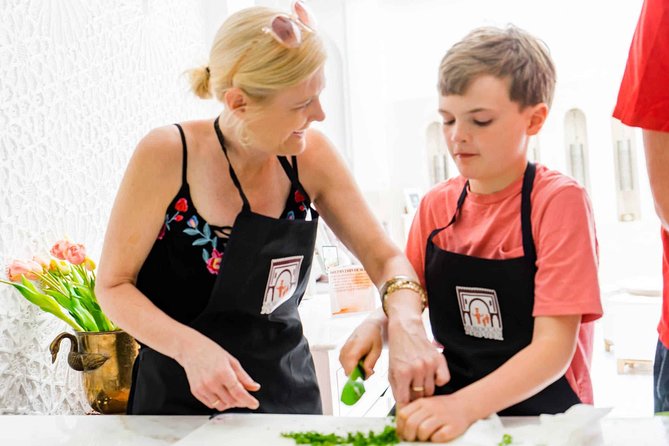
One of the most praised parts of this class is doing the grocery run together. You’ll purchase ingredients as part of the experience, so you aren’t stuck guessing what your host expects you to bring.
In particular, one booking described buying fresh chicken at the market and then continuing the process with the rest of the ingredients. That’s the kind of detail that changes your cooking skills. You’re seeing the full chain: from vendor to kitchen prep.
And because this class is taught with an option to choose what you cook, you’re more likely to end up making dishes you genuinely want to eat. In at least one experience, people cooked tajine, briwate, zaalouk, and Moroccan bread, with the chance to decide what to focus on before cooking begins. If you have a favorite Moroccan dish (or you’re curious about one), this is a good setup because it’s not a one-size-fits-all performance.
The mint tea welcome: a short break that actually teaches patience
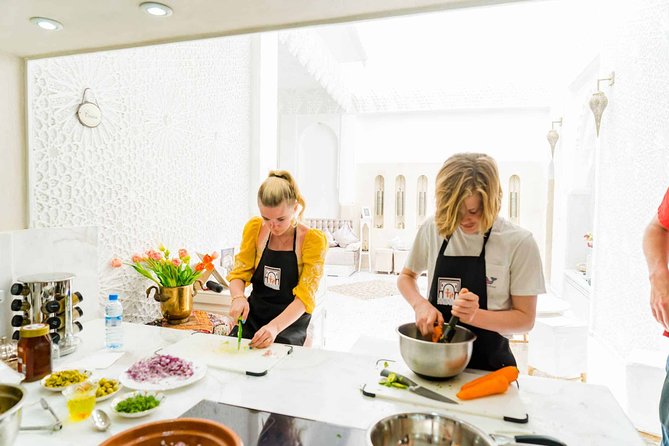
After the market run, you return and get a warm cup of Moroccan mint tea. This isn’t just hospitality—it’s pacing. Moroccan cooking often uses time: simmering, resting, letting flavors settle. The tea break helps you feel that rhythm before you start chopping and mixing.
Berber mint tea is part of the experience, and the act of sharing it with your instructor and host puts you in the right mindset. In practical terms, it also gives you a moment to ask quick questions about ingredients you just bought. That’s when things click: you’ll remember what you chose, what you’re preparing, and why the next step matters.
Cooking couscous step by step: the skill you’ll use again
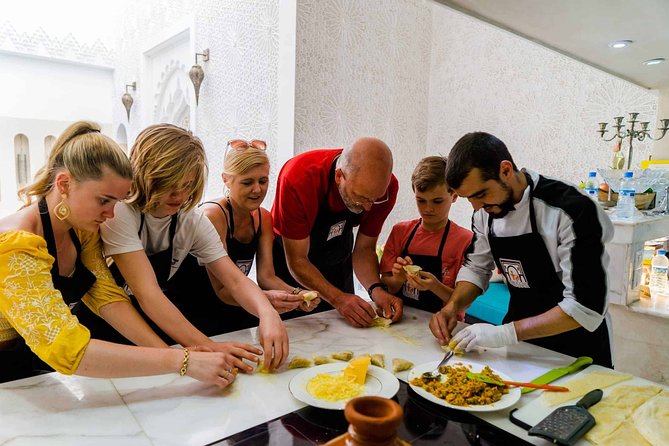
Couscous is the anchor of the class. You’ll learn to craft it step by step, guided by the family recipes your instructor uses at home. That’s a big deal for value, because couscous is one of those foods people love but often feel they can’t recreate—until they see the process in a real kitchen.
What you’re really learning here is method:
- how ingredients are prepared before they hit the pot
- how the couscous is handled during cooking
- how timing affects the texture and taste
You also get a sense of Moroccan flavor-building without turning it into a chemistry lecture. You’ll be tasting while things cook and you’ll understand what changes when a dish is simmered longer or when ingredients are prepared a certain way.
If you end up choosing additional dishes beyond couscous, the couscous work still matters. It becomes your base skill for the rest of your Moroccan cooking at home.
If you choose extra dishes: tajine, briwate, zaalouk, and bread
The class experience can go beyond couscous, depending on what you decide to cook. In one highly rated experience, the dishes included tajine, briwate, zaalouk, and Moroccan bread. The key detail wasn’t only what was cooked—it was that you had a say in the menu and you did the groceries together beforehand.
Here’s how that helps you as a visitor:
- You can steer the lesson toward what you’re curious about.
- You’re more likely to enjoy the food you make, because you helped choose it.
- You’ll leave with multiple techniques, not just one dish.
Also, the kitchen experience happens in the host’s home environment, which tends to make instructions feel clearer and more conversational. You’re not in a showroom kitchen. You’re in a real place where people cook for each other.
A small consideration: one person wished a dessert touch was included. Since dessert isn’t specifically mentioned in the plan, don’t assume you’ll get a sweet course. If you love finishing meals with something sugary, build that habit after the class.
Lunch and the table test: do you actually eat what you make?
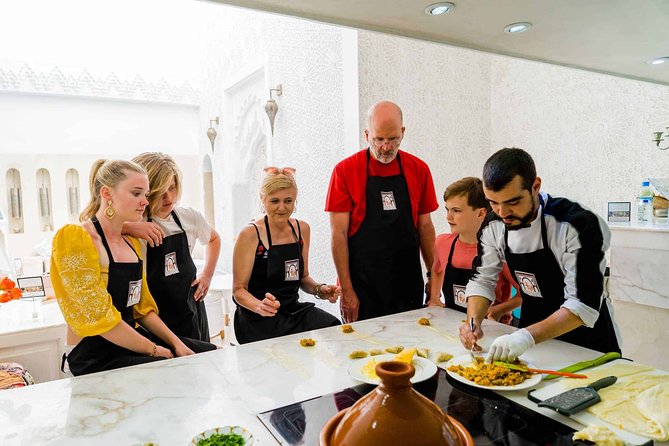
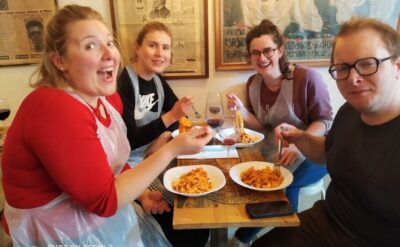
Yes—you’ll indulge in the results of your cooking and eat lunch as part of the experience. Lunch being included is important when you’re comparing value. You’re paying for the instruction, but you’re also paying for the full meal you create.
And the flavor pairing is part of the deal: you’ll enjoy your food alongside refreshing Berber mint tea. This helps Moroccan dining feel like Moroccan dining, not like a quick snack between lessons.
In one of the best-rated experiences, lunch was described as the best meal in a whole journey. That’s not something I’d promise, but it tells you where the class aims: you’ll leave full and satisfied, not just proud that you cooked.
Price and value: is $76 worth 4 hours?
At $76 per person for a 4-hour class, the value depends on what you consider “worth it.” Here, the price bundles several key components that add up:
- ingredient purchase
- lunch
- tea
- the cooking class itself
If you like hands-on learning, the included ingredients matter. Market shopping can easily eat time and effort on your own, and you’d still need to figure out what to buy and how to prepare it correctly. This class removes that stress by assigning you a plan and a guide.
Also, because you may be able to choose dishes like tajine, briwate, zaalouk, and bread, you’re not locked into one outcome. You could walk away with more than one skill. That’s the kind of “more than expected” value that makes a short class feel like a full experience.
The only pricing caution is your expectations for variety. The class is structured around couscous, and extra dishes may depend on what you choose. If you’re hoping for a big multi-course banquet, this is more of a focused cooking lesson plus a meal.
Languages and communication: French, English, Arabic
Instruction is available in French, English, and Arabic. That’s practical for Morocco. You won’t be stuck with only one language option, which helps if you want to ask questions while you cook—especially during steps where small technique changes can affect the final texture or flavor.
Time on the clock: how the 4 hours usually feels
The duration is 4 hours. That’s long enough to shop, prep, cook, and eat. It’s also short enough that it won’t dominate your whole day.
Just remember: since there are starting times depending on availability, check what time you’ll be picked up/expected to meet. A kitchen class can run best when you’re not rushing in from a long sightseeing day. If you can, pair it with a lighter schedule before or after so you can enjoy lunch without feeling like you have to sprint to the next stop.
Who this Marrakesh class is best for
I’d point you toward this class if you:
- want real Moroccan techniques, not just a tasting
- enjoy market shopping and learning ingredient choices
- like family-style instruction and conversation
- want a hands-on meal you can recreate later
It’s also a solid pick for couples or small groups who want to do something social and interactive without needing technical cooking experience. The key skill is willingness—show up ready to cook, and you’ll get a lot out of it.
Should you book this Marrakesh cooking class?
If your goal is to learn Moroccan cooking in a way that sticks, I think this is a strong yes. The combination of market shopping at Place de l’Horloge, step-by-step couscous instruction, and lunch with Moroccan mint tea is a well-matched package for the time and price.
Book it especially if you like the idea of choosing dishes with Khadija and Houssein and cooking them in their home setting. The biggest reason not to book is simple: if you’re expecting a dessert course or a very long, multi-course cooking marathon, this class doesn’t advertise that. For a focused 4-hour hands-on experience that feeds you while you learn, it’s a good bet.
FAQ
How long is the Marrakech cooking class?
The class lasts 4 hours.
How much does it cost per person?
The price is $76 per person.
Where is the meeting point?
The meeting point is Place de l’Horloge, and the organizer will show their full name.
What’s included in the class?
Included are lunch, ingredient purchase, tea, and the cooking class.
Do we shop for ingredients as part of the experience?
Yes. You’ll go to the market area to pick and purchase ingredients from local vendors.
What food will we cook?
The class includes step-by-step preparation of authentic couscous, and you may also be able to choose additional dishes.
What languages are offered during the class?
The instructor supports French, English, and Arabic.
Is there free cancellation and a reserve option?
You can cancel up to 24 hours in advance for a full refund. You can also reserve now and pay later.