REVIEW · MEXICO CITY
Multi-Variety Mole Class in a Condesa home or art gallery rooftop
Book on Viator →Operated by Martaja - Market tours and cooking classes in Mexico City · Bookable on Viator
Mole class with a view. In Condesa, this hands-on multi-variety mole session has you make two iconic Mexican sauces from scratch in a home (or sometimes a rooftop art gallery space). I love how the guide walks you through selecting and building mole step by step, and I love that you end up sitting down to your own dinnerware set with the results in a real meal, not just tastings. One consideration: there are two cats in the house, so allergy planning matters.
The class is about 4 hours and capped at 8 people, which keeps it personal. You’ll cook manchamanteles (a red mole with pineapple, plantain, and apple sweetness) and a lighter green mole built from leafy herbs like spinach, cilantro, parsley, and epazote, then you’ll eat with drinks and dessert before you go.
In This Review
- Key things about this mole experience
- Condesa home cooking: why this setting matters
- The two moles you’ll learn: manchamanteles vs. mole verde
- Manchamanteles: the red mole with fruit sweetness
- Mole verde: a lighter green sauce built from herbs
- A 4-hour hands-on flow that ends in a real meal
- What you’ll do during the cooking time
- When dessert shows up
- Drinks, seasoning, and the dinner table experience
- Alcohol and non-alcohol options
- Locally made dinnerware
- Seasoning happens in the teaching moments
- Dietary needs, cats, and comfort level
- Price and value: what $107.60 gets you
- Who this mole class is best for
- Should you book this Condesa mole cooking class?
- FAQ
- How long is the mole cooking class?
- Where does the class start?
- Is the class offered in English?
- What do I cook in the class?
- Are drinks included?
- Is dessert included?
- What’s the maximum group size?
- Can dietary needs be accommodated?
- How do I get the recipes after the class?
Key things about this mole experience
- Two moles, two moods: red mole manchamanteles and fresh green mole verde so you taste how different flavors can be built from the same mole brain.
- Small group energy: up to 8 travelers, which means more time for questions and hands-on help.
- You’re cooking, not just watching: you’ll prepare ingredients and make both sauces from scratch with guidance.
- Dinnerware and pacing: you set the table with locally made dinnerware and eat about two hours into the class.
- Recipes after you leave: you get mole recipes by email to help you recreate the sauces at home.
Condesa home cooking: why this setting matters
Condesa is one of my favorite zones in Mexico City for food experiences because it feels like you’re living in the city, not just touring it. Starting at Av Nuevo León 4 puts you in a neighborhood with good transit options, and it’s easy to build the rest of your day around the class.
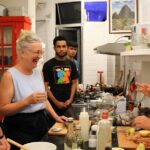
The big win here is that the cooking happens in a real home or art gallery rooftop setting. That matters because mole isn’t only about flavor; it’s also about texture, rhythm, and timing. In a kitchen that’s actually built for gathering, you learn faster and you eat like you mean it.
One practical note: if your session is on the rooftop of the art gallery, you need to check your inbox after booking for the exact location details. That’s not a problem, just something to do right away after you reserve.
You can also read our reviews of more tours and experiences in Mexico City.
The two moles you’ll learn: manchamanteles vs. mole verde
If you’ve only tried mole poblano in restaurants, this class helps you understand something important: mole isn’t one sauce. It’s a family of sauces that can be red, green, sweet, smoky, heavy, or bright, depending on how the base and ingredients are handled.
Manchamanteles: the red mole with fruit sweetness
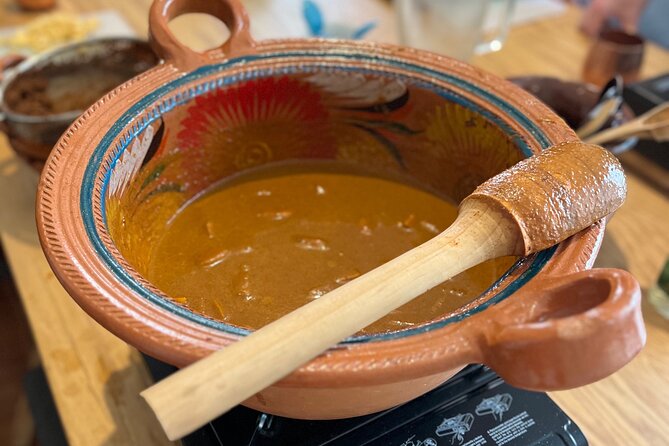
Your first main is mole manchamanteles—a decadent red mole flavored with fragrant spices and fresh tropical fruit: pineapple, plantain, and apple.
Here’s why this is a smart choice for a cooking class. Manchamanteles follows similar ideas and processes you may associate with mole poblano, but it takes a different path by trading chocolate richness for fruit-driven sweetness. Learning how that swap changes the balance helps you understand mole as a system, not a mystery.
In practice, you’ll get to see how spice depth and fruit sweetness can coexist without tasting like dessert. That’s useful knowledge for cooking back home, because it trains your palate on what to adjust when you can’t source every exact ingredient.
Mole verde: a lighter green sauce built from herbs
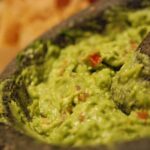
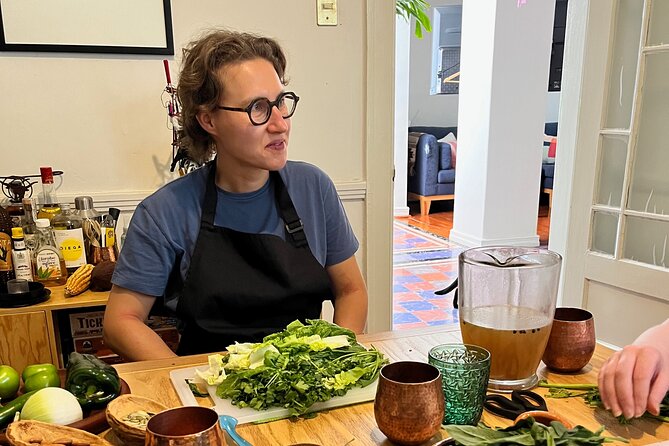
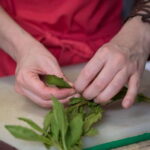
Your second main is mole verde, a fresh green mole with a base of crisp leaves: cilantro, parsley, spinach, and epazote.
This one is a relief after heavier moles. The herb base keeps the sauce tasting lively, not just thick and dark. It also teaches you something key: green moles rely on freshness and aromatic punch more than the deep, roasted profile of many red versions.
If you’ve ever wondered how green sauces stay flavorful instead of tasting “only like herbs,” you’ll see it here. The structure still matters—mole technique is still the technique—but the ingredient emphasis changes the whole vibe.
A 4-hour hands-on flow that ends in a real meal
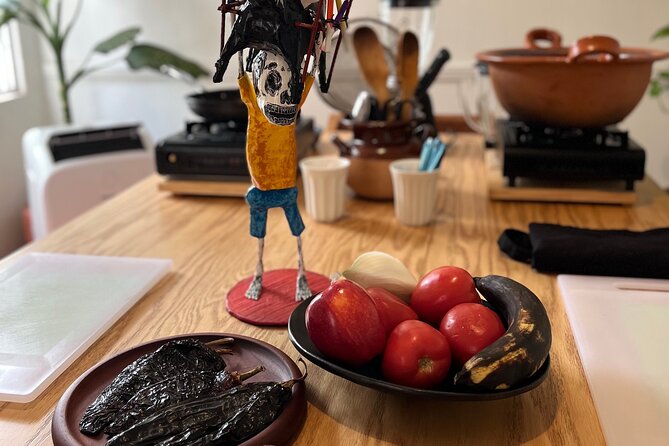
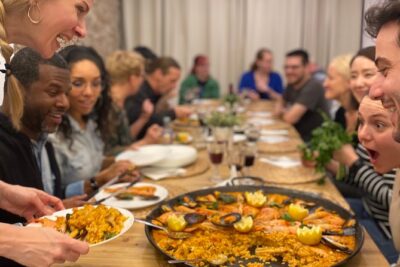
The class runs about 4 hours, and the pacing is built around cooking first, eating soon after. Around two hours in, you’ll set the table with locally made dinnerware and enjoy the two moles you made.
That rhythm is more than scheduling. If you wait until the end to eat, mole can start to feel like work. Here, you get the payoff while the experience is still fresh—spices are smelling strong, sauces are at their best moment, and you’re still close enough to the cooking steps to connect what you did with what you taste.
What you’ll do during the cooking time
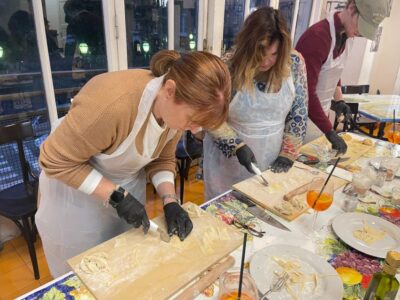
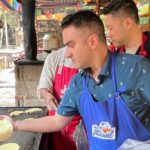
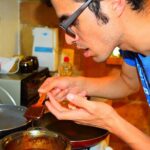
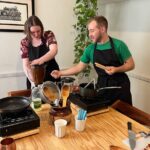
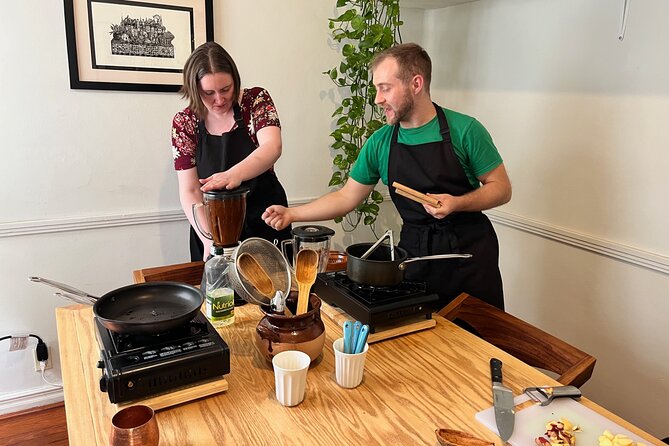
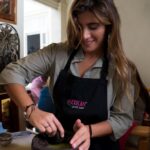
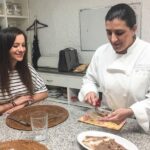
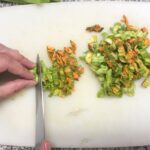
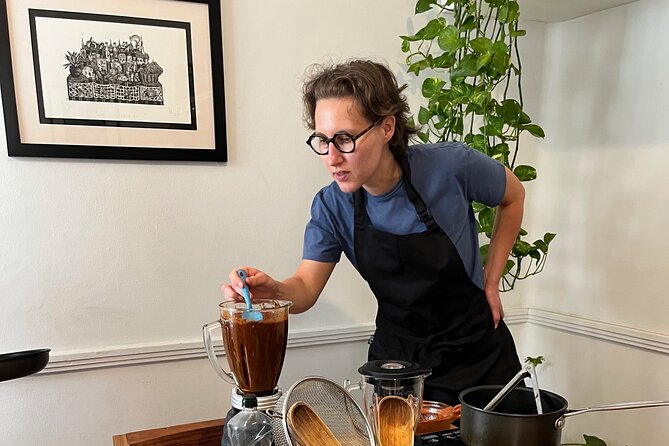
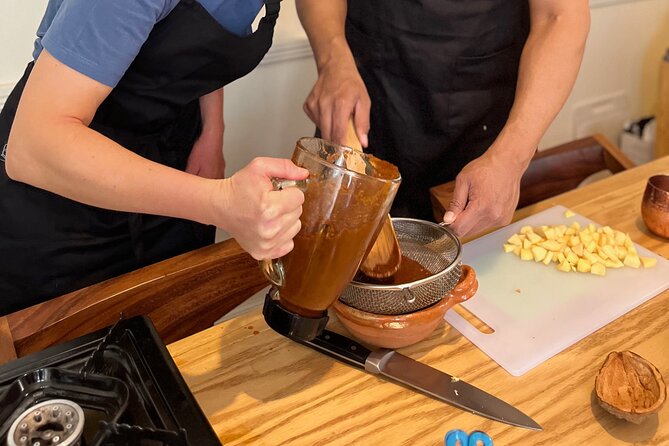
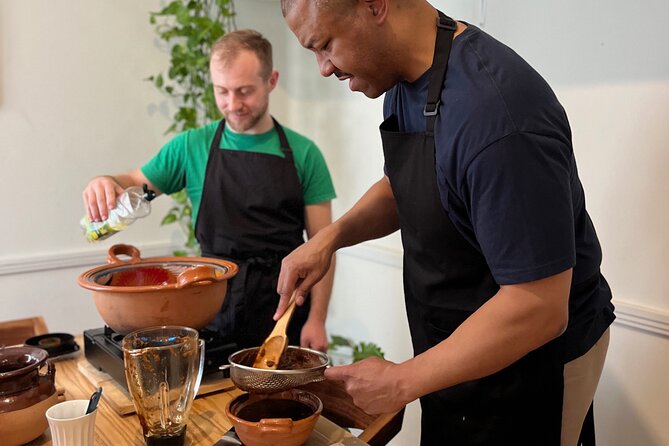
You’ll don an apron and do the main work: prepare two types of mole from scratch with ingredient and equipment provided. The guide also gives instructions as you go, so you’re not stuck with a confusing pile of ingredients and a vague goal.
One of the strongest parts of this class is how the instruction makes complex sauces feel manageable. Mole can look like a crazy ingredient list, but the way it’s built has a logic. You learn how to combine, adjust, and move through the steps without panic.
When dessert shows up
Dessert is included, and it’s prepared for you before you arrive. So you’re not balancing mole cooking with last-minute baking. You’ll finish your meal, then dessert closes the loop.
Drinks, seasoning, and the dinner table experience
Food classes can sometimes end with a plate that feels like a souvenir. This one avoids that. You’ll actually sit down and eat your mole, plus you get drinks to go with the meal.
Alcohol and non-alcohol options
Those over 18 can enjoy Mexican beer and mezcal. If you’re under 18, you’ll be offered traditional local soft drinks instead.
This matters because mezcal and mole can play nicely when the flavors are built well—smoke and spice can echo each other. Even if you choose beer or soft drinks, having a pairing option helps make the meal feel complete.
Locally made dinnerware
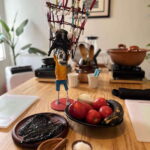
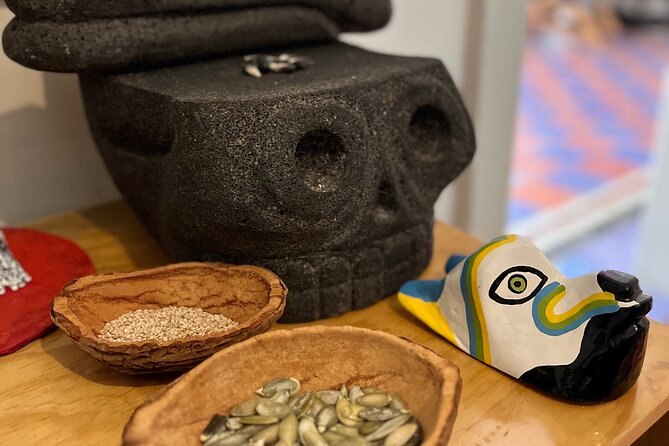
You set the table with locally made dinnerware. That might sound like a small detail, but it changes the feel of the experience. You’re not just grabbing food; you’re hosting yourself, family-style, in the setting you’re learning in.
Seasoning happens in the teaching moments
The most useful cooking takeaway is the guide’s approach to seasoning. Mole is one of those dishes where the wrong balance can make it taste flat or too sharp, too sweet, or too heavy.
In a small group, you get the benefit of real-time guidance. When seasoning clicks, it’s easier to reproduce later because you understand the target, not just the recipe.
Dietary needs, cats, and comfort level
The class states that most dietary requirements can be accommodated, which is a big plus. The safest move is to share your needs clearly when you book so the kitchen can adjust ingredients appropriately.
Two comfort realities to plan for:
- The building has been used by wheelchair users before, but there’s no elevator, so mobility details matter.
- There are two cats in the house. If you’re allergic, treat this as a deal-breaker or plan carefully before you go.
As for clothing and setup: this is an apron-and-cooking situation, so you’ll want to dress for a hands-on session. I’d also bring shoes that work well if you’re on the art gallery rooftop version, since rooftop conditions can change how you move around.
Price and value: what $107.60 gets you
At $107.60 per person, this isn’t a budget activity. But in Mexico City terms, it can still feel reasonable because you’re paying for four things at once:
- Instruction to make two mole sauces from scratch
- The ingredients and equipment that come with those sauces
- A full meal format (you sit down to your cooking) plus dessert
- Drinks included, with alcoholic options for adults
- Recipes sent by email after class, which extends the value beyond the day itself
Also, the small group cap of 8 helps. When a class is overcrowded, you get less attention and you learn slower. Here, your questions have a better chance of getting answered while the sauce is still in your hands.
If you were only eating mole at a restaurant, you’d still spend money on a meal and drinks, and you wouldn’t learn the mechanics. This class aims to do both: feed you now, teach you for later.
Who this mole class is best for
This is a great fit if:
- You want to understand mole as a technique, not a one-off taste
- You’re curious about the difference between red and green moles
- You enjoy hands-on cooking more than watching demonstrations
- You like small-group settings where you can ask questions
It’s especially good for people who’ve tried mole in Mexico City but still feel like they’re missing the “why.” Learning manchamanteles and mole verde side by side gives you a broader mole vocabulary fast.
If you’re very sensitive to pet allergens, or if the lack of elevator is a concern for your mobility needs, you’ll want to weigh those realities carefully before booking.
Should you book this Condesa mole cooking class?
I’d book it if you want a real cooking payoff in a compact, friendly setting. The two-sauce format is smart: you get the deep, spice-forward comfort of manchamanteles and the brighter herb power of mole verde. The guide’s instruction style seems to focus on making the process feel doable, even when the ingredient list is intimidating.
The deal-breakers are pretty clear too. Plan around the cats if allergies matter to you, and consider the no-elevator setup if mobility is an issue.
If that all lines up, you’ll leave with something most visitors don’t: recipes by email and a clearer sense of how mole is built—so you can cook it again with confidence instead of guessing.
FAQ
How long is the mole cooking class?
The experience lasts about 4 hours.
Where does the class start?
It starts at Av Nuevo León 4, Colonia Condesa, Cuauhtémoc, 06700 Ciudad de México, CDMX, Mexico.
Is the class offered in English?
Yes, it’s offered in English.
What do I cook in the class?
You’ll prepare two types of mole: mole manchamanteles and mole verde.
Are drinks included?
Yes. Adults over 18 can have Mexican beer and mezcal, and others can have traditional local soft drinks.
Is dessert included?
Yes. Dessert is included, and it’s prepared before you arrive.
What’s the maximum group size?
The class has a maximum of 8 travelers.
Can dietary needs be accommodated?
Most dietary requirements can be accommodated. Also note there are two cats in the house, and the building has no elevator.
How do I get the recipes after the class?
You’ll receive recipes by email after the class.