REVIEW · MEXICO CITY
Mexico City: Authentic Mexican Cooking Class & Market Tour
Book on GetYourGuide →Operated by Aura Cocina Mexicana · Bookable on GetYourGuide
A market class in Mexico City hits different—fast. You start in a sleek, intimate cooking studio in Roma Norte, then walk to Mercado de Medellín to learn what’s real and what’s seasonal.
I especially like the way this experience blends shopping, cooking, and tasting so you’re not stuck doing one thing for 4 hours. You’ll see ingredients up close, then turn them into food you can make again later.
Another thing I like: the class isn’t just theory. You’ll get hands-on time with classic techniques like corn prep (including nixtamalization), plus big flavors such as white mole. You also get a 4-course lunch paired with Mexican craft beer, mezcal, and wine, so the meal feels like part of the lesson rather than an afterthought.
One consideration: the market includes tastings that may not fit everyone, including chili and even edible insects, plus the menu uses ingredients that can be a problem if you have nut allergies. Also, it’s not suitable for kids under 12 or for people with mobility impairments.
In This Review
- Key moments that make this class worth your time
- Roma Norte studio to Mercado de Medellín: a smart way to “get” Mexican food
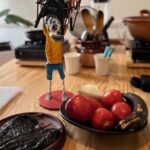
- Where the day starts: agua fresca, coffee, and a kitchen that makes you want to cook
- Mercado de Medellín market tour: your tastings are the curriculum
- The stops you’ll remember
- A quick reality check: market time is also social time
- The 4-course cooking class: you’ll learn by doing, not watching
- First course: antojitos and salsas, plus sopes
- Second course: Mextlapiques (prehispanic origin) without masa
- Third course: white mole, taught with structure
- Fourth course: pastel de elote with water-based chocolate
- What you’ll drink with lunch: mezcal, craft beer, and wine pairings
- Price and group size: why $204 can actually be good value
- Who this is perfect for (and who should skip it)
- Practical tips to make the day smoother
- Should you book this market-and-cook class?
- FAQ
- Where do I meet for the tour?
- How long is the experience?
- Is hotel pickup or drop-off included?
- What’s the price per person?
- How many people are in the group?
- What languages do the instructors speak?
- What’s included in the lunch?
- Do I get an apron?
- Is the class suitable for children under 12?
- Can people with nut allergies join?
- Is there free cancellation and a reserve-now option?
Key moments that make this class worth your time
- Mercado de Medellín walk in Roma Norte, with stops that explain how the market is organized and why certain ingredients show up when they do
- Nixtamalization in action at an organic tortillería, so you understand why native corn tastes the way it does
- Chiles, cacao, and Oaxaca chocolate tastings, including 100% raw cacao and hand-made chocolate
- Hands-on 4-course cooking led by a pro chef, with you actually doing the steps
- White mole technique and ingredients from Mexico’s central region, including the lighter mole style
- Alcohol pairings with lunch like craft beer and mezcal from Oaxaca, plus wine from Valle de Parras
Roma Norte studio to Mercado de Medellín: a smart way to “get” Mexican food
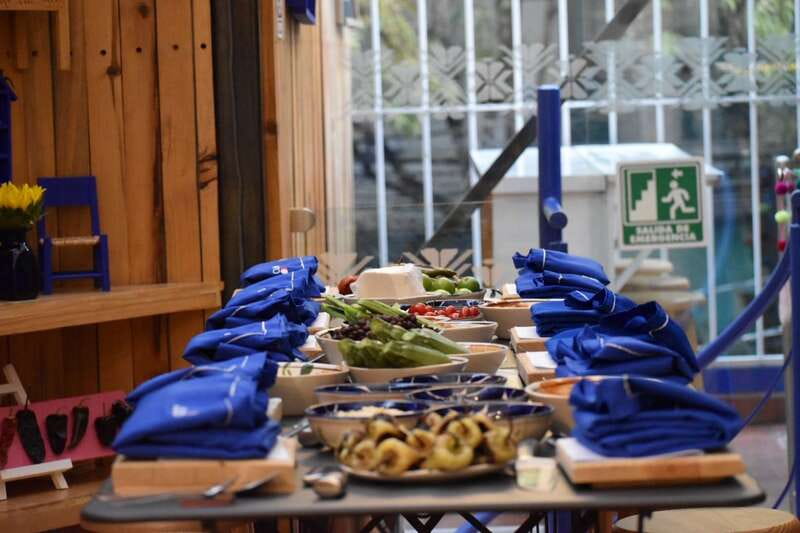
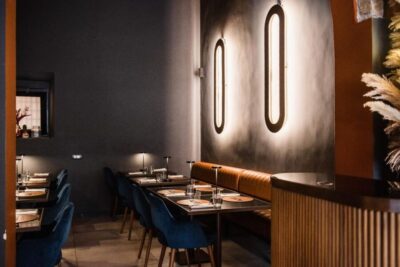
This is a Mexico City food experience built like a good meal. You start with a reset in a contemporary, well-designed studio in Roma Norte, then you head into a real neighborhood market where everyday Mexicans actually buy ingredients. That shift matters. It helps you understand Mexican cooking as something practical and local, not just fancy restaurant plates.
Roma Norte is also a good base for learning. It’s walkable, lively, and close enough to Mercado de Medellín that you’re not spending your morning stuck in traffic. The whole plan is paced for small-group attention, not for a huge crowd moving like a herd.
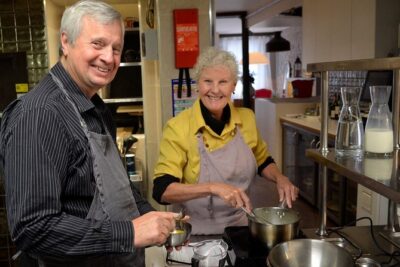
And because the group is limited to 7 participants, you’re more likely to get help when you’re chopping, stirring, or trying to nail a technique. In a class this hands-on, that small-group size is a real quality marker.
You can also read our reviews of more tours and experiences in Mexico City.
Where the day starts: agua fresca, coffee, and a kitchen that makes you want to cook
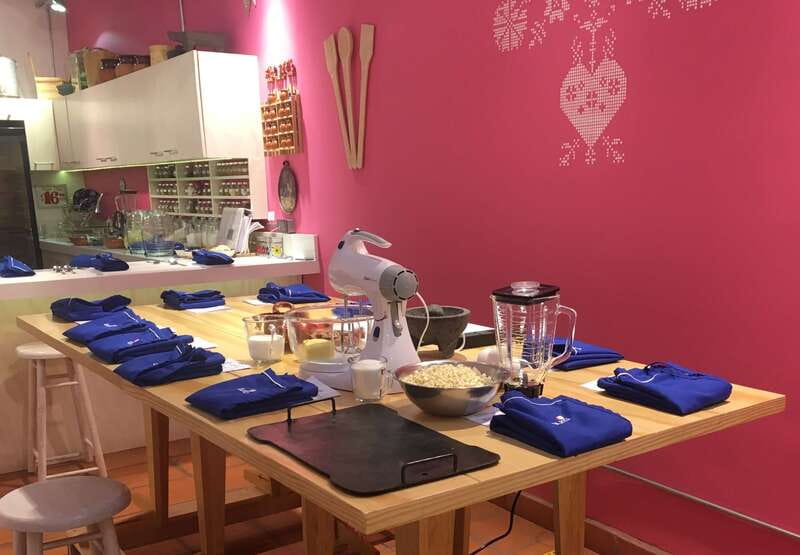
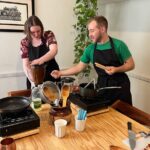
Before you even touch a cutting board, you’ll get a welcome drink like agua fresca—the kind of lightly sweet, refreshing beverage that instantly tells you this won’t be a dry, lecture-only class. You may also get coffee brewed from selected Mexican beans, or a special infusion selection, while you get oriented.
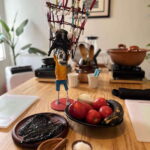
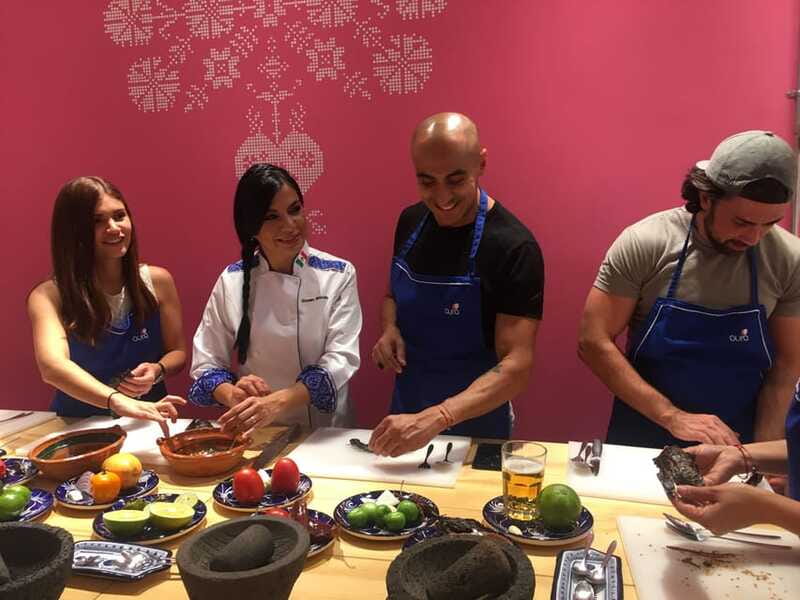
In this studio setup, you’re meant to feel comfortable. It’s described as gorgeous, designed, and intimate, and that shows in how the staff runs the day. You’re not just being herded from station to station; you’re guided into the rhythm of cooking.
You’ll also get context for what you’re about to do. Some guides focus on the history of Mexican cuisine and how ingredients became part of everyday cooking. Others add neighborhood context and talk through the bigger story from ancient to modern times. Either way, the goal is the same: you’ll understand why certain flavors and methods exist before you start building dishes.
Tip: An apron is provided, so wear clothes you don’t mind getting splattered. You’ll be cooking.
Mercado de Medellín market tour: your tastings are the curriculum
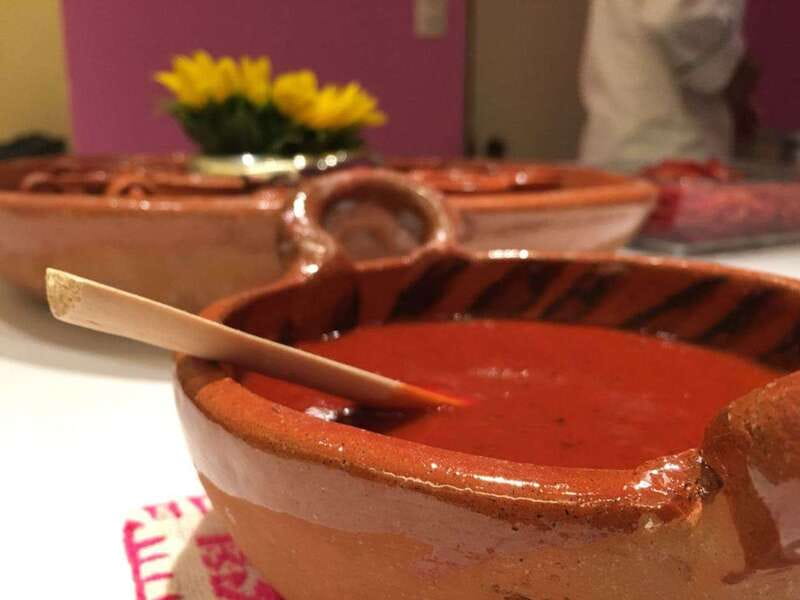
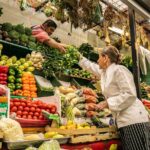
The market portion is where this experience becomes more than a standard cooking class. Mercado de Medellín is full of colors, smells, and daily movement, and it’s laid out so you can actually learn while you walk. You’ll learn about how the market is organized and what major halls offer—useful knowledge if you ever return on your own.
The stops you’ll remember
Here’s what you’ll likely run into during your walk:
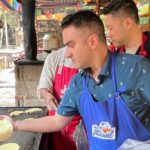
- Tortillería and nixtamalization: You’ll savor quesadillas made with native corn and watch the nixtamalization process. That’s corn treated with an alkaline substance, which changes the flavor, texture, and nutrition. Once you’ve seen it, you’ll stop thinking of masa as just dough and start seeing it as a real method.
- Chile tasting: You’ll learn about different chili varieties at a chile stand and taste what they bring to the table. You don’t need a spice chart after this—your tongue gets the lesson.
- Oaxaca cacao and chocolate: You’ll taste 100% raw cacao and hand-made artisanal chocolate from Oaxaca. If you think chocolate is just sweets, this part can reframe it. It’s more about flavor and craft than sugary dessert energy.
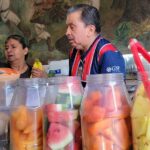
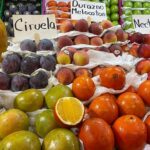
- Seasonal fruit and ice cream: You’ll try native fruits like mamey, chicozapote, tuna, and more depending on what’s in season. Then there’s hand-crafted ice cream, which is a simple way to taste fruit flavors at their best.
- Edible insects tasting: You may get the option to try exotic bugs like crickets, chicatana flying ant, and chinicuil worm. If that sounds too far outside your comfort zone, you can decide on the spot—this is a tasting, not a forced stunt.
- More market nibbles: The tour includes tastings from selected market stands and establishments, so you’ll snack your way toward understanding what ingredients taste like on their own.
Market tours can become repetitive—same cheese, same bread, same pitch. This one tries to connect each bite to a cooking goal. Even if you’re not a “food nerd,” you’ll pick up patterns fast: corn matters, chiles matter, and chocolate/cacao isn’t only for desserts.
A quick reality check: market time is also social time
One underrated benefit: you’re walking and tasting with other people in a small group. You’ll ask questions as they come up, and the guide can tailor explanations to what you’re seeing. That’s often the difference between a “tour” and a learning experience you can actually use later.
The 4-course cooking class: you’ll learn by doing, not watching
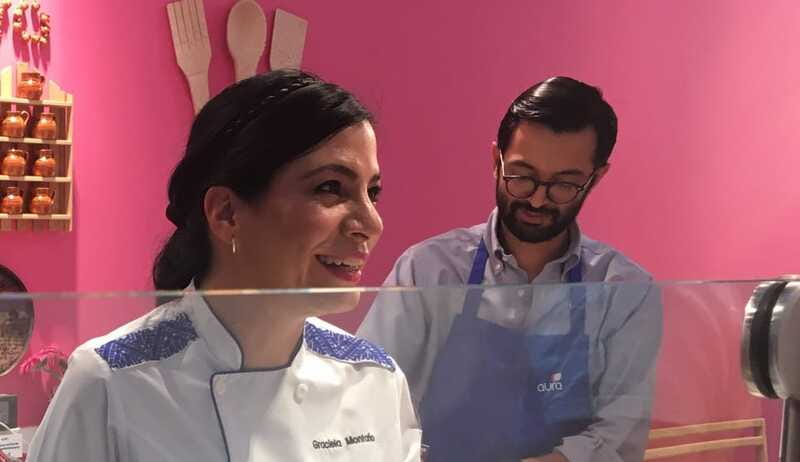
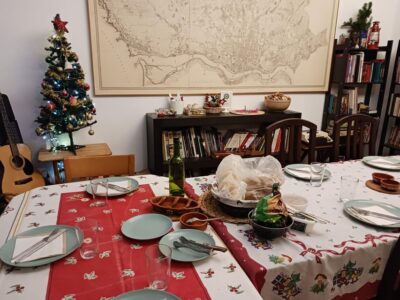
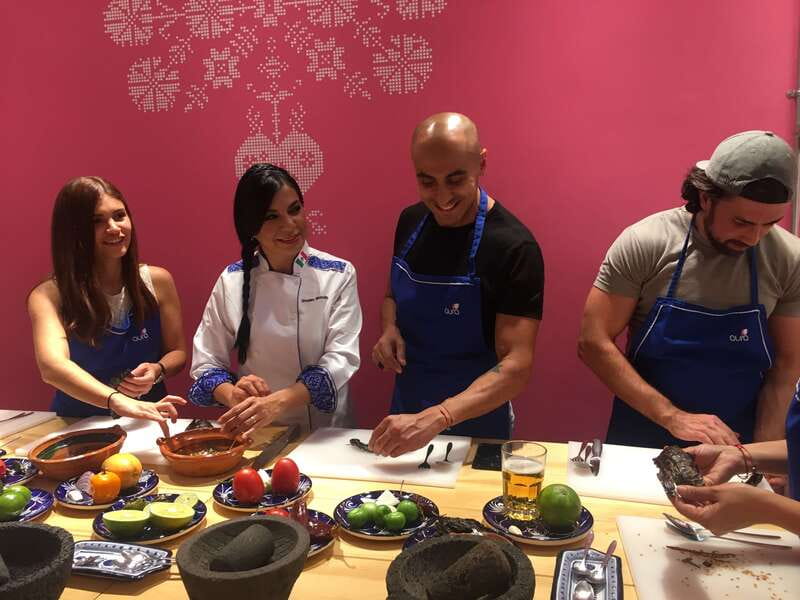
After the market, you head back to the studio and shift from eating to cooking. This is the hands-on part where the day earns its price.
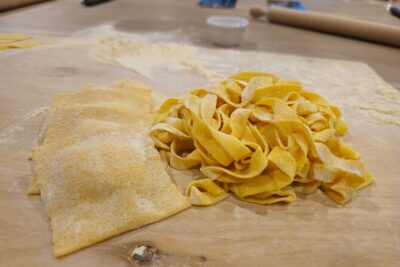
The class is built around a 4-course lunch, with traditional dishes designed to teach technique and flavor logic. Since you’ll do the steps yourself, you’ll come away with more confidence than you would from just sampling.
First course: antojitos and salsas, plus sopes
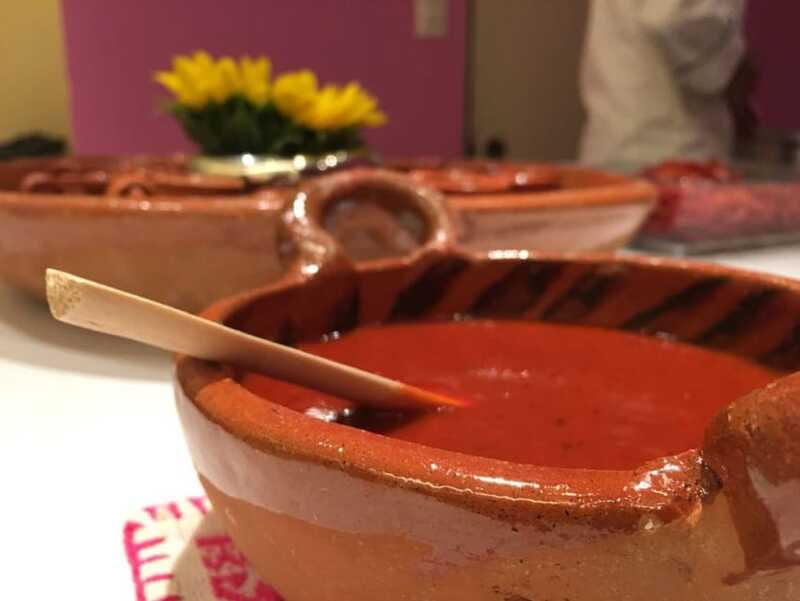
You’ll start with antojitos mexicanos—street-food style appetizers—and learn to work with Mexican salsas. You’ll also make sopes, topped with two salsas:
- red molcajete sauce
- green sauce
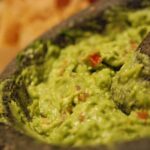
Molcajete matters because it’s about texture. Ground ingredients in a stone mortar can taste different than blended sauces. Even if you don’t own a molcajete at home, you’ll understand why “chunky” is part of the point.
Second course: Mextlapiques (prehispanic origin) without masa
Your second dish is Mextlapiques, noted for a prehispanic origin and made as a tamal without masa. That detail is a teaching moment: Mexican tamales aren’t all the same base, and not every tamal is about masa dough in the way some people assume.
You’ll make a vegetable-only version, covered with hierbabuena sauce. Hierbabuena is Mexican peppermint, used to brighten flavors and keep dishes from tasting heavy.
Third course: white mole, taught with structure
Next comes white mole, a traditional dish from Mexico’s central region that’s often eaten at celebrations. White mole is built from a mix of lighter ingredients including white pine nuts, almonds, peanuts, blonde raisins, and chile guero. It’s typically served with chicken pieces, mushrooms, or panela cheese.
This course is likely to be the star for method. White mole sounds exotic, but the way it’s presented is practical: you’re shown how the components work together so it tastes balanced instead of “just sweet and spicy.”
One note for you: this dish contains nut-based ingredients, so it’s specifically listed as not suitable for people with nut allergies.
Fourth course: pastel de elote with water-based chocolate
For dessert, you’ll make pastel de elote—cornbread made with corn flavor—and pair it with water-based chocolate. That pairing is worth paying attention to, because water-based chocolate can feel lighter and less heavy than thick dessert chocolate. It’s a reminder that Mexican chocolate isn’t always a sugary bomb.
What you’ll drink with lunch: mezcal, craft beer, and wine pairings
The lunch pairing is part of the experience design. You’ll enjoy your 4 courses with drinks that include:
- agua fresca
- Mexican craft beer
- mezcal from Oaxaca
- premium white or red wine from Valle de Parras
This matters because it helps you learn the flavor map. For example, mezcal’s smoky edge can sit well with chile and mole complexity, while craft beer can act like a neutral reset between bites. If you’re not a big alcohol drinker, you can still enjoy the overall tasting idea—just pace yourself.
Price and group size: why $204 can actually be good value
At $204 per person for about 4.5 hours, this isn’t a cheap snack tour. But you’re not paying just for a meal.
Here’s what’s included:
- professional chef guide
- market tour
- all ingredients
- printed recipes
- 4-course lunch
- alcoholic beverages (beer, mezcal, or wine)
And because it’s small group (up to 7), you’re not paying for crowds or a rushed factory experience. You’re paying for guided attention in both the market and the kitchen.
For me, the best value angle is this: you leave with recipes you can follow. That turns a one-time outing into a future skill. If you’ve ever eaten a dish in Mexico and thought, I wish I knew how to make that, this format directly targets that regret.
Who this is perfect for (and who should skip it)
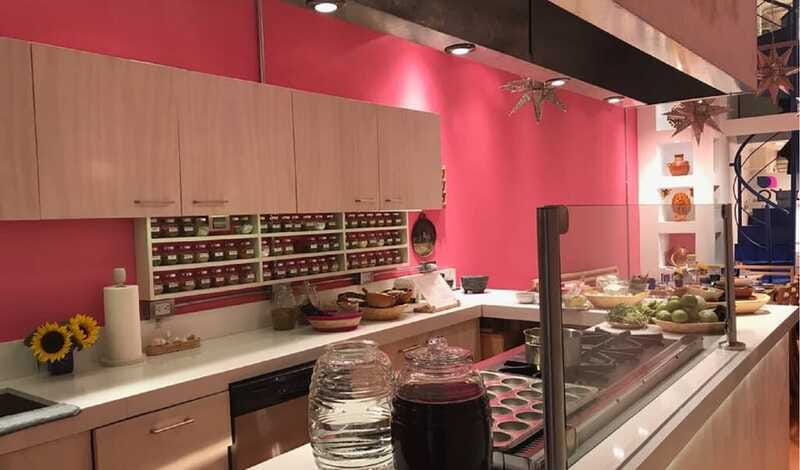
This class is a great fit if:
- you want a hands-on cooking experience, not just tasting
- you like learning where ingredients come from, including markets and native corn methods
- you’re curious about Mexican regional foods like central-region white mole
- you enjoy meeting a few fellow travelers in a small group while cooking and eating
It’s not suitable if:
- you have nut allergies (nuts appear in the white mole ingredients)
- you need accessibility support for mobility impairments
- you’re traveling with children under 12
Also, if insects are a hard no, know that exotic bug tastings are part of the market food lineup. You decide in the moment, but the option is there.
Practical tips to make the day smoother
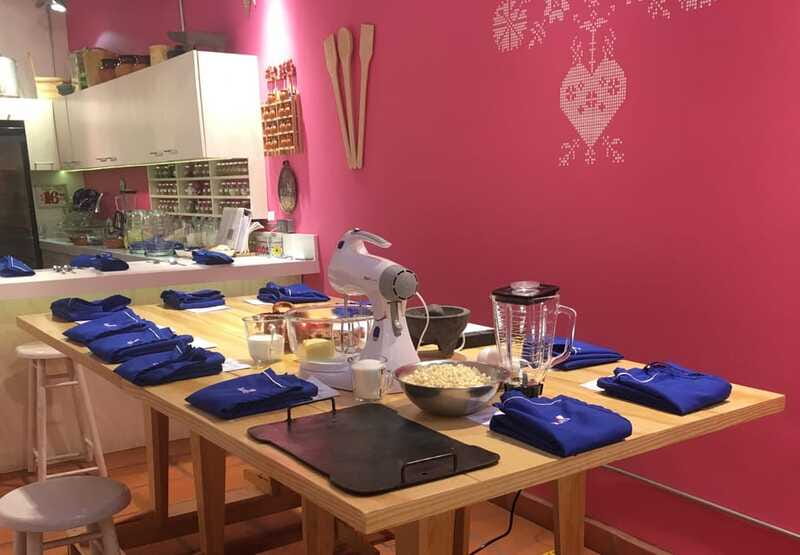
- Plan to dress for cooking: you’ll chop and stir, and the studio provides an apron but splashes happen.
- Expect spice variety: you’ll taste different chiles, and salsas can range from mild to punchy.
- Come hungry, but not ravenous: the market has tastings and then you get a 4-course lunch. Pace your bites so you can taste later courses too.
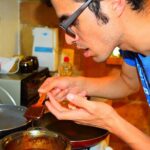
- Be ready to learn by doing: this isn’t a passive show. If you follow the chef’s cues, you’ll get results.
- For the meeting point, the street numbers aren’t in order. The address is Medellín 191a, Roma Nte., Cuauhtémoc, 06700 Ciudad de México, and it’s easier to find between Chiapas and Tapachula streets.
Should you book this market-and-cook class?
If you want a Mexico City experience that feels grounded—market to kitchen to table—this is a strong choice. The mix of Mercado de Medellín tastings (including nixtamalization and Oaxaca cacao) plus a structured 4-course cooking lesson makes it both fun and useful.
I’d book it if you love real food, want to learn technique, and don’t mind trying things like different chiles or even insect tastings. Skip it if nuts are a concern, you need mobility-friendly accommodations, or you’re bringing younger kids.
Overall, for $204 you’re getting far more than a single meal: you’re buying a guided food education with recipes you’ll actually use.
FAQ
Where do I meet for the tour?
You meet at Medellín 191a, Roma Nte., Cuauhtémoc, 06700 Ciudad de México, CDMX, Mexico. The street numbers on Medellín aren’t in sequence, and the meeting point is located between Chiapas and Tapachula streets.
How long is the experience?
The duration is listed as 4.5 hours.
Is hotel pickup or drop-off included?
No. Hotel pickup and drop-off are not included.
What’s the price per person?
The price is $204 per person.
How many people are in the group?
It’s a small group limited to 7 participants.
What languages do the instructors speak?
The instructor offers English and Spanish.
What’s included in the lunch?
You’ll enjoy a 4-course lunch and alcoholic beverages, plus all ingredients and printed recipes.
Do I get an apron?
Yes. An apron is provided for use during the class.
Is the class suitable for children under 12?
No. It’s not suitable for children under 12.
Can people with nut allergies join?
No. It’s not suitable for people with nut allergies.
Is there free cancellation and a reserve-now option?
You can cancel up to 24 hours in advance for a full refund, and there is a reserve now & pay later option.