REVIEW · MEXICO CITY
Muchos moles: Multi-variety mole cooking class and feast
Book on GetYourGuide →Operated by Martaja - Market tours & cooking classes in Mexico City · Bookable on GetYourGuide
Mole isn’t just one thing. In this multi-variety mole class in the State of Mexico, you’ll learn how wildly different Mexican moles can be, then cook two standout styles and eat them right away at a beautifully set table.
I especially like the hands-on pace: you’re not just tasting. You’re rolling up your sleeves to make fresh corn tortillas and two moles from scratch. My one watch-out: the house has cats (kept out of the cooking area), and the building has no elevator, so wheelchair access is limited to places without stairs.
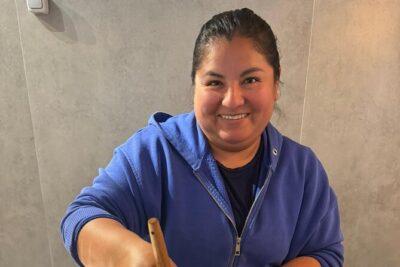
The vibe stays relaxed and personal, with small-group energy and a host, Jim, who’s patient and happy to explain ingredients, tools, and why these sauces work. You’ll also get recipes emailed to you after the class, which is great if you want to repeat the results at home.
In This Review
- Key takeaways before you go
- Where the class happens: a State of Mexico home meal, not a factory
- The 4-hour flow: from mole variety lesson to a plated feast
- Step 1: the mole overview, explained in plain ingredients
- Step 2: you cook two moles plus the tortillas
- Step 3: set the table and enjoy the feast
- Drinks keep the mood easy
- The two mole styles: what’s different and what you should taste for
- Manchamanteles: mole energy with pineapple and plantain sweetness
- Green mole: crisp leaves and a lighter feel
- Why this class feels more valuable than a typical cooking demo
- Price and value: is $130 per person a good deal?
- Who will love this most (and who should think twice)
- Small-group, bilingual, and flexible
- After the class: take the flavors home
- Should you book Muchos Moles?
- FAQ
- What will I cook during this class?
- How long does the experience last?
- What moles do you eat at the table?
- Is drinks included?
- What languages is the instructor?
- Are dietary needs handled?
Key takeaways before you go
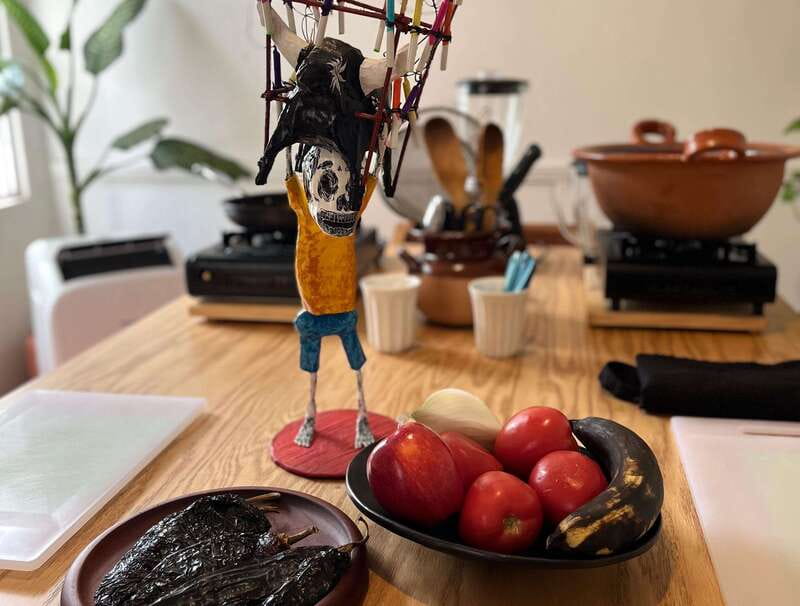
- Two moles, made from scratch: you’ll cook and then taste both versions you prepare
- Fresh tortillas: you’ll learn how to make the corn tortillas you’ll use immediately
- Manchamanteles vs. mole poblano: you’ll see how pineapple and plantain add sweetness without chocolate
- A lighter green mole: green leaves form the base, making it a refreshing change
- Small, dinner-party style: you’ll work with a small group feel, even in a class setting
- Dietary needs supported (with limits): many needs can be accommodated, but strict Kosher isn’t possible
Where the class happens: a State of Mexico home meal, not a factory
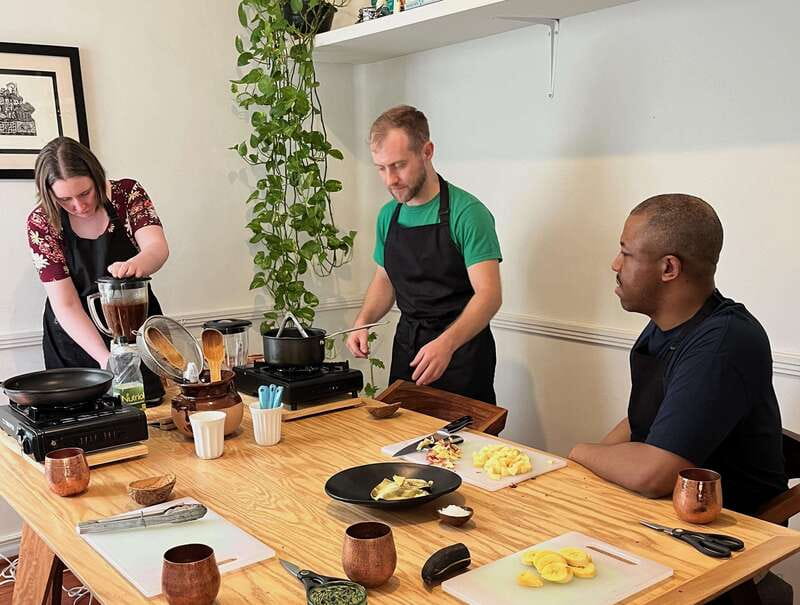
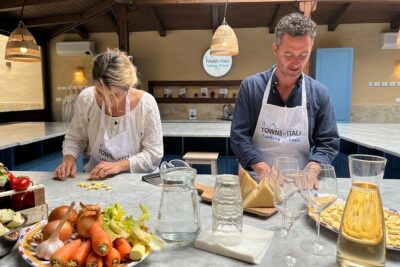
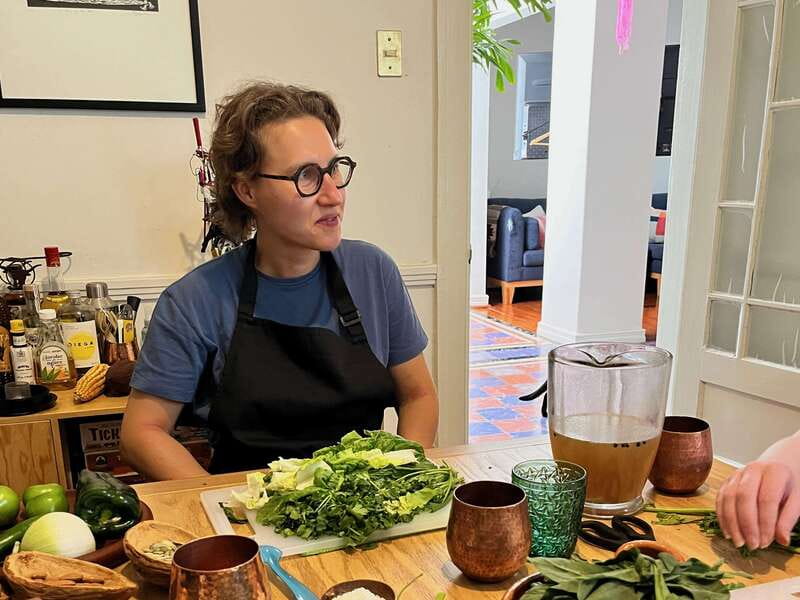
This experience takes place in a home setting in the State of Mexico, where the kitchen is part of the story. That matters. A cooking class in someone’s real house tends to move at a human speed. You don’t feel like a number, and you get time for questions without the usual rush.
You’ll start with an introduction to Mexican mole: not one sauce, but a whole world of variations. The class frames mole as something regional, ingredient-driven, and built around technique. That’s a big part of why it feels more valuable than a standard tasting menu.
The host, Jim, leans into clarity. People in the small group role can contribute at their own level. If you’re comfortable in the kitchen, you’ll probably take on more steps. If you’re not, you’ll still have jobs that make sense and keep you involved.
One practical consideration: the building doesn’t have an elevator. Wheelchair users have attended before, but you should plan for stairs or limited access depending on where you’d need to go. Also, there are cats in the house. The cooking area keeps them out, and allergy help is available, but it’s still a real factor for anyone sensitive to pets.
You can also read our reviews of more tours and experiences in Mexico City.

The 4-hour flow: from mole variety lesson to a plated feast
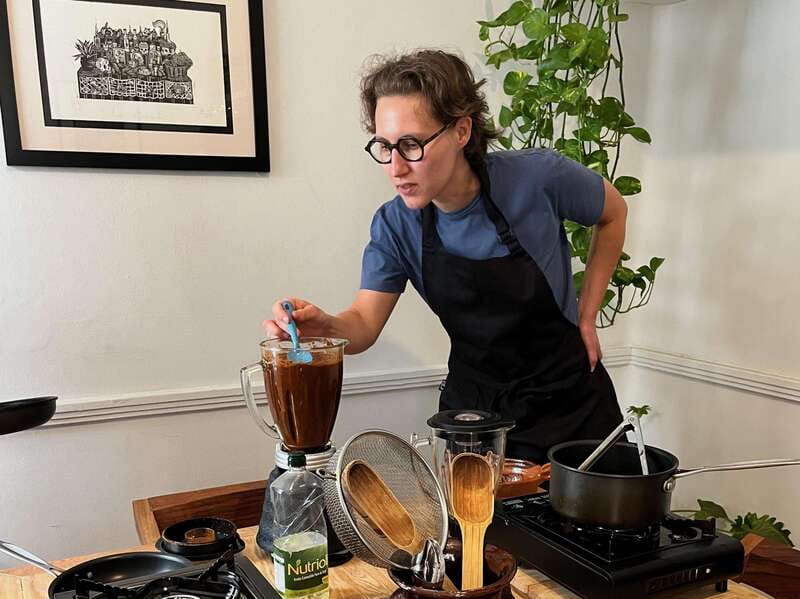
The session runs about four hours. It’s paced in two main chunks: first learning and prep, then eating and enjoying what you make. You’ll also get Mexican beer, wine, and soft drinks during the experience, which keeps things sociable and helps you slow down.
Step 1: the mole overview, explained in plain ingredients
Before you apron up, you’ll explore the diversity of Mexican moles. That isn’t just trivia. It helps you understand what you’re making later and why two moles can taste like cousins instead of twins.
You’ll get a sense of how different mole styles balance sweetness, bitterness, heat, and fruit notes. You’ll also learn what to look for during cooking so the process makes sense, not like a mystery sauce ritual.
This is the part that pays off later. When you’re working with sauces, it’s easy to think you’re following a recipe alone. Here, you’re learning the logic behind it.
Step 2: you cook two moles plus the tortillas
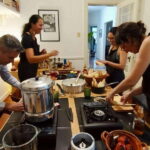
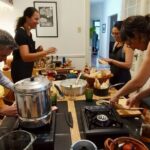
Then the class shifts into action: you prepare two different mole versions and the fresh corn tortillas that go with them.
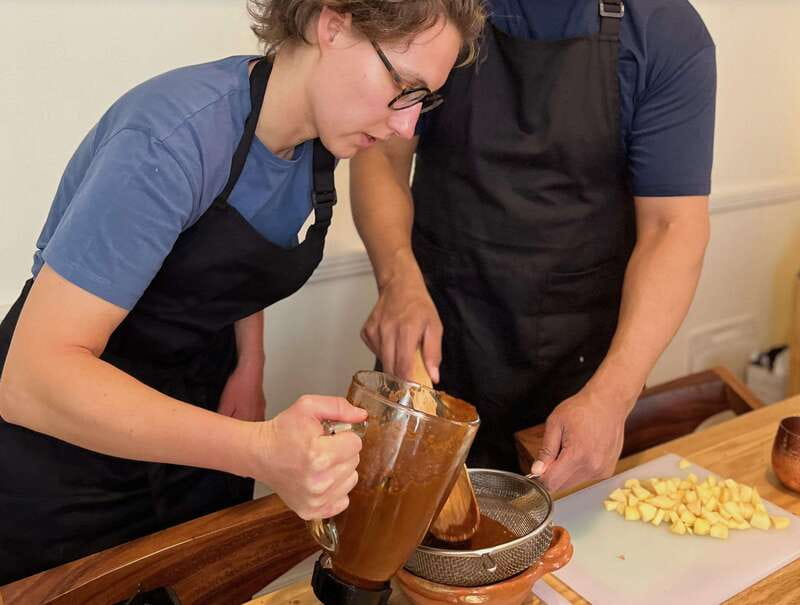
You’re making the mole from scratch, so you’re not just assembling jarred components. Expect a hands-on workflow, with Jim guiding you step by step. The goal is that by the time you’re tasting, you understand what each ingredient is doing.
The tortillas are a big deal here. Tortillas aren’t a side dish you ignore. They’re the scoop, the base, the texture contrast, and the flavor carrier. Fresh corn tortillas also make the moles feel more vivid and clean, not heavy.
If you love food with structure—sauce, bread, and bite in one moment—this part is where you’ll feel it.
Step 3: set the table and enjoy the feast
Around two hours after you start cooking, you move into the dining portion. This is where the experience shifts from class to dinner.
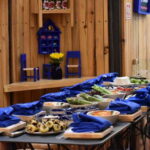
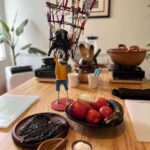
You’ll set the table with locally made dinnerware, then eat your results. The meal is not treated like a quick reward. It’s presented as a proper feast.
You’ll have two moles to try:
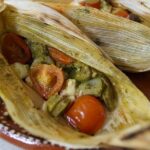
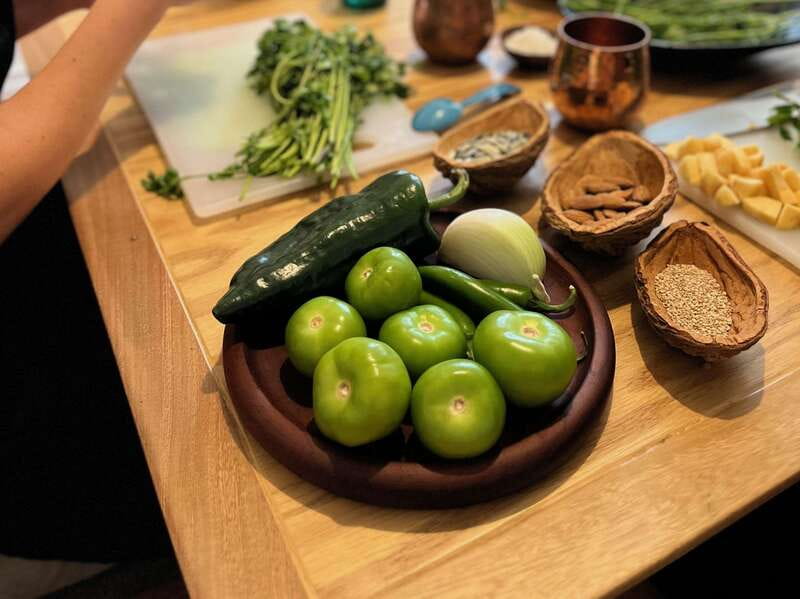
- Manchamanteles: shares ingredients and processes with mole poblano, but it gets sweetness from pineapple and plantain instead of chocolate
- Green mole: built around a base of crisp green leaves, giving it a lighter, more refreshing profile than heavier moles
That manchamanteles detail is a big clue to what to expect. If you’ve only had mole poblano that leans on chocolate’s depth, this version flips the sweetness source toward fruit. You’ll likely notice a different kind of richness—less chocolatey and more fruity-sweet, with the same general mole DNA.
Then there’s the green mole. The leaf base changes the character. Instead of feeling weighed down, this style tends to come across fresher, with an herbal lift. It’s also a nice way to compare two mole families back to back in one sitting.



Drinks keep the mood easy
Mexican beer, wine, and soft drinks are included. That’s not just a perk. In a cooking class, drinks help you stay relaxed during the longer prep work and settle into the meal without feeling rushed.
The two mole styles: what’s different and what you should taste for
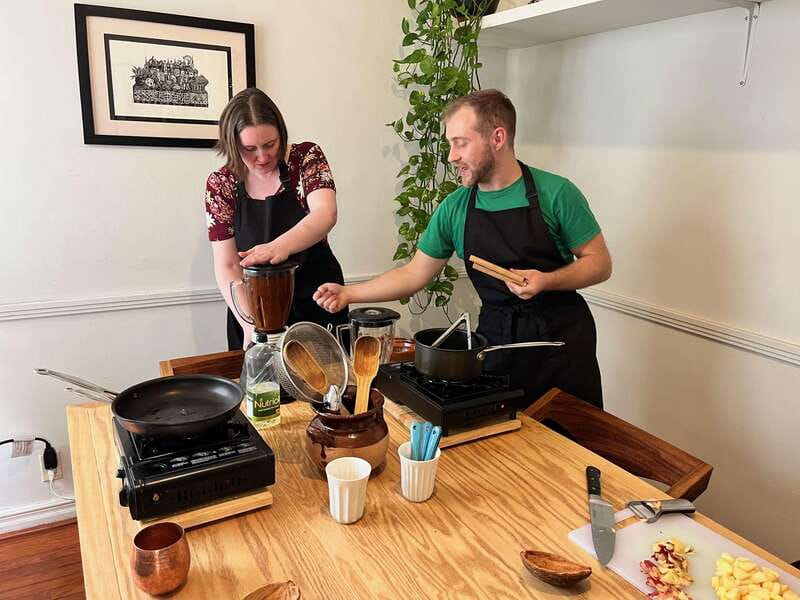
You’ll end up making two distinct moles, and the contrast is the lesson.
Manchamanteles: mole energy with pineapple and plantain sweetness
Manchamanteles connects to mole poblano by sharing ingredients and processes. That means it uses mole techniques in spirit and structure. But the sweetness comes from generous chunks of pineapple and plantain instead of chocolate.
When you taste it, pay attention to:
- how the sweetness reads as fruit-forward rather than chocolate-dark
- how the sauce texture coats the tortilla (that scoop-and-swallow moment)
- whether the pineapple/plantain sweetness makes the chile and spice feel brighter
This is the kind of difference that’s hard to understand from a menu description. Cooking it yourself makes it obvious.
Green mole: crisp leaves and a lighter feel
The green mole here uses a base of crisp green leaves. That matters because it changes both flavor and weight. Even if the sauce is still complex and savory, leaf-forward moles usually feel fresher on the tongue than those leaning toward darker ingredients.
Taste with this in mind:
- the herbal or green edge from the leaves
- how it contrasts with manchamanteles when you go bite to bite
- whether it feels like a palate reset between mouthfuls
If you’ve had mole in restaurants that felt too heavy, this is likely the adjustment you’ll enjoy.
Why this class feels more valuable than a typical cooking demo
Plenty of food experiences let you watch. This one pushes you into participation: you prepare tortillas, make two sauces, and then eat what you cooked.
That’s why it’s worth your time even if you’re not a confident cook. Jim’s teaching style shows up in how the steps are supported. The atmosphere stays casual, like a dinner party with friends who also happen to teach you.
Another value point: you get recipes emailed afterward. That’s crucial. Cooking classes are often fun, but then you’re left with blurry memory. Having written guidance lets you recreate the flavors at home, instead of chasing the idea of what you ate.
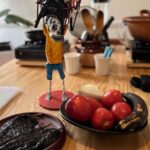
Finally, Jim also supports local produce and crafts, and he shares names of artisans and explains pieces he has around the house. That turns the experience into more than food. It gives you context about where ingredients and creativity come from in the region.
Price and value: is $130 per person a good deal?
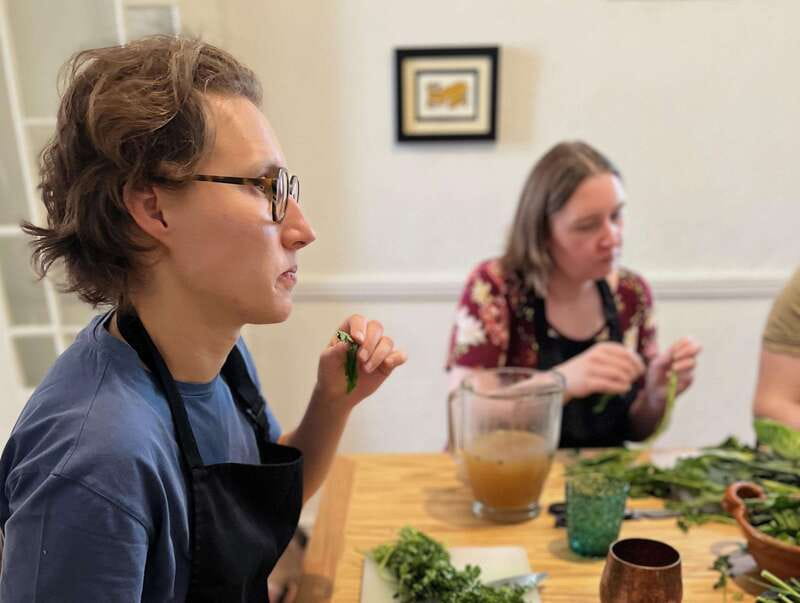
At $130 per person for about four hours, you’re paying for a full meal experience plus instruction. The cost can look steep until you break down what’s included.
Here’s what you’re getting for the price:
- ingredients for two different moles and tortillas
- drinks during the experience (beer, wine, and soft drinks)
- recipes emailed after the class
- dinnerware and a seated feast built around what you made
In other words, you’re not paying only for a “cooking lesson.” You’re paying for a hosted meal where you do real work. If you compare that to the cost of a nice restaurant meal in Mexico City or the broader area—plus the value of learning technique and getting recipes—this often looks like fair pricing for what it delivers.
If you’re on a tight budget, the best move is to weigh it against how much you care about learning and repeating dishes later. If you just want food and zero hands-on time, you might find cheaper options. But if you want the skills and the contrast between two mole styles, the price starts to feel justified.
One extra tip: price can vary depending on where you book. If you see a lower rate for the same experience, it can be worth checking before you lock in.
Who will love this most (and who should think twice)
This is a strong fit if:
- you love mole and want to understand the differences across styles
- you enjoy hands-on cooking, especially tortillas and sauces
- you want a meal that feels like dinner, not a rushed class
It may not be the best fit if:
- you need strict Kosher accommodations (strict Kosher isn’t possible here)
- you’re highly sensitive to cats and can’t manage pet exposure at all
- you require wheelchair access in a building without an elevator (you might be able to attend, but you should plan for stairs)
Small-group, bilingual, and flexible
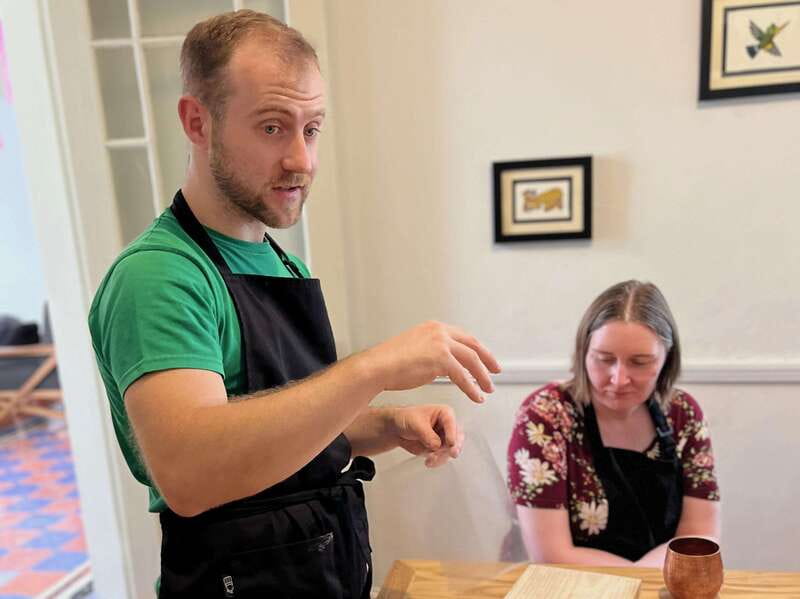
The experience runs as a private or small group class. That keeps things relaxed and lets you actually interact with the host instead of listening to instructions from across a room.
The instructor speaks English and Spanish. If you’re comfortable in either, you’ll find it easier to follow steps and ask questions without feeling lost.
Dietary requirements are accommodated where possible. After booking, you’ll be asked what you need so the team can adjust. That’s helpful. It means the class isn’t a one-size-fits-all menu.
After the class: take the flavors home
The recipes are emailed to you after the experience. That’s one of the best practical perks. You can recreate the sauce balance and the tortilla experience without relying on memory.
Also, you’ll leave with a clearer understanding of what makes mole taste like mole, and what makes one mole style different from another. That kind of learning sticks, and it helps when you cook other Mexican dishes with similar sauce logic.
Should you book Muchos Moles?
If you’re excited by the idea that mole isn’t one dish, and you want to cook and eat two very different versions—manchamanteles with fruit sweetness and a green mole built on leaves—this is an easy yes. The hands-on prep, the included drinks, and the emailed recipes make it feel like real value.
Book it with extra care if you have pet allergies, need elevator-free access, or require strict Kosher. For most people who love food and want an authentic Mexican meal with actual technique, this class is a smart use of a half day in the State of Mexico.
FAQ
What will I cook during this class?
You’ll prepare two different types of mole and fresh corn tortillas. Then you’ll sit down to enjoy the moles you made.
How long does the experience last?
The class runs about 4 hours.
What moles do you eat at the table?
You’ll enjoy manchamanteles (with pineapple and plantain sweetness) and an upbeat green mole based on crisp green leaves.
Is drinks included?
Yes. Mexican beer, wine, and soft drinks are included.
What languages is the instructor?
The instructor communicates in English and Spanish.
Are dietary needs handled?
Many dietary requirements can be accommodated. Strict Kosher is not possible. You’ll be contacted after booking to ask about your needs, and allergy support is available, though there are cats in the house.