REVIEW · MEXICO CITY
Private Mexican Cooking Class with Gastronomic Historian, Lucia
Book on Viator →Operated by Traveling Spoon · Bookable on Viator
Cooking, stories, and a garden lunch. This private Mexican cooking class in Mexico City is interesting because you learn recipes with Lucía, a gastronomic historian, and you also get the why behind the food, not just the how. I love the home setting and the option to choose hands-on cooking or watch a live demonstration up close.
The main consideration is price: at $145 per person, it’s not a budget class. It tends to feel most worth it when you can enjoy it as a small group (think a couple or a family), because it’s time and attention in someone’s home, not a big studio show.
In This Review
- Key things you’ll love about cooking with Lucía
- A San Ángel home where the food has context
- How the 3-hour class runs: hands-on, demo, and a real pace
- The menu: soups, salsas, mole-style plates, rice, and guava sweets
- Starters and soups you’ll actually taste
- Main dishes built around sauces
- Rice, plantain, and the sides that complete the plate
- Dessert that’s pure Mexico
- What you learn beyond recipes: ingredient choices and technique
- Patio meal time: beer or tequila with what you just made
- Price and value: when $145 per person makes sense
- Dietary needs, family groups, and how flexible the class feels
- Getting there in Mexico City: use the right address
- Who should book this class (and who might skip it)
- Should you book Private Mexican Cooking Class with Gastronomic Historian Lucía?
- FAQ
- How long is the cooking class?
- Is this a private experience?
- Where does the class take place?
- What language is the class in?
- Can I choose to cook or just watch?
- Are vegetarian options available?
- What kinds of food will we cook?
- Are drinks included?
- Is the class suitable for families and kids?
- What is the cancellation policy?
Key things you’ll love about cooking with Lucía
- A historian’s lens: she ties ingredients to Mexican culture and how food changed over time
- Private, in-home teaching: learning happens in Lucía’s home kitchen and garden space
- Pick your participation level: hands-on or watching, your call
- Seasonal menu flexibility: expect Mexican favorites with menu changes based on what’s best
- Meal + local drinks included: you cook, then you eat with beer or tequila
- Family-friendly flow: kids can hang nearby while adults cook, with small touches to keep them engaged
A San Ángel home where the food has context
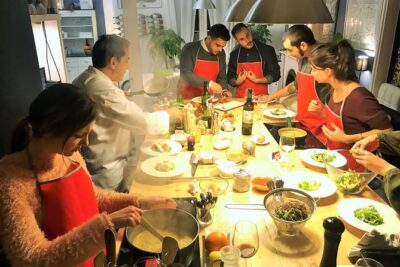
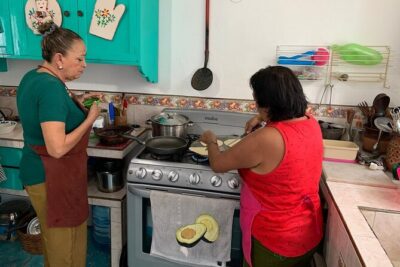
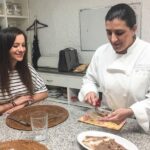
This is the kind of cooking class that feels like you’re getting invited into someone’s life for a few hours. The experience takes place in Lucía’s home in the San Ángel area of Mexico City, not a commercial cooking school with cookie-cutter menus. That matters because you’re not just copying a recipe; you’re learning how Mexican home cooks think about flavor, texture, and ingredients.
Lucía is more than a chef. She’s a gastronomic historian, so she explains how dishes connect to the cultures that have shaped Mexico over time. In practice, that turns the class into something you can talk about after you get back to your hotel. It’s the difference between eating a plate and understanding why it exists.
I also like that the tone is warm and unforced. From the way the class is described, it’s welcoming even when you’re not a confident cook. One review even mentions Lucía being great with kids, with little extras to keep them busy in the garden while the adults cook.
You can also read our reviews of more tours and experiences in Mexico City.


How the 3-hour class runs: hands-on, demo, and a real pace
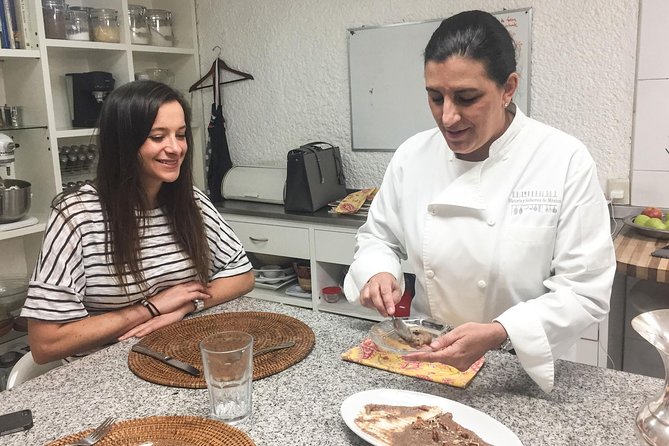
The class runs about 3 hours, and the structure is designed around one big goal: you should leave able to recreate the dishes. You’ll either cook alongside Lucía (hands-on) or watch her work (live demonstration). That choice is important because not everyone wants the same kind of learning. If you’re here to cook, you get time to do it. If you’re here for technique, you can watch the steps closely and still ask questions.
In a private setting, the pacing can be adjusted. Several participants highlight that Lucía takes time to make sure the right steps happen, and that she’s attentive to getting everyone cooking and tasting. The kitchen setup is also clearly meant for teaching, not just food prep—people can observe, listen, and participate without constant confusion.
You’ll also spend time talking. That’s not filler. Lucía’s history angle makes the ingredients feel purposeful. When you learn what’s going into a salsa or why a sauce thickens a certain way, you remember it later, because it’s tied to something real.
The menu: soups, salsas, mole-style plates, rice, and guava sweets
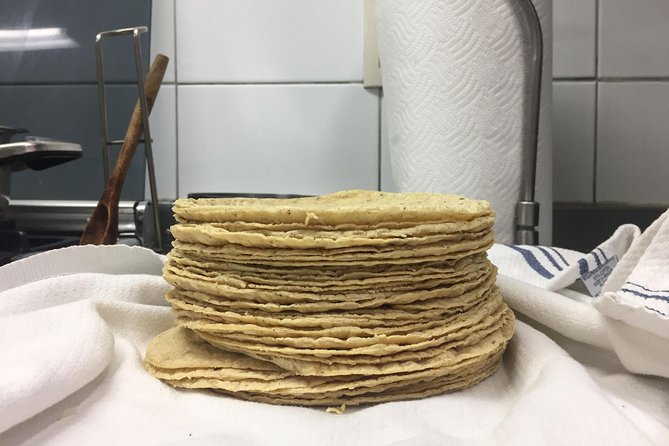
Menus can change with the season, but you can expect a strong mix of Mexican staples and dishes that aren’t always on tourist menus. Here’s what you may see on a typical menu, based on the class offerings.
Starters and soups you’ll actually taste
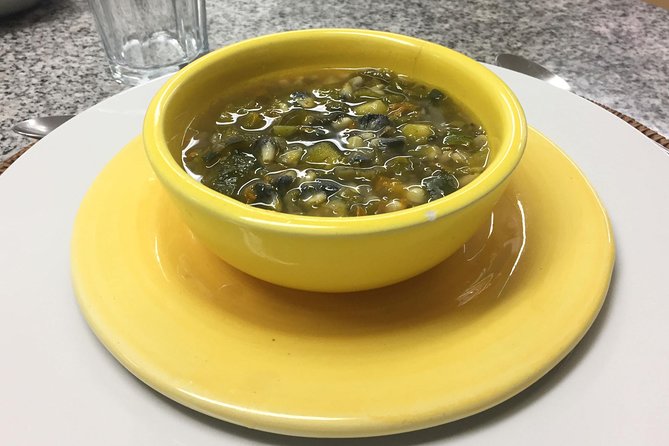
One example of a starter set includes nopalitos soup in bean broth and several soup options such as lima soup, tortilla soup, and even Aztec-style soup. Nopales (cactus pads) can taste surprising at first if you’ve only had them on tacos, but in soup they soften and show a more rounded flavor. If you’re curious about Mexican ingredients beyond the usual, this is where you’ll get your answer.
Main dishes built around sauces
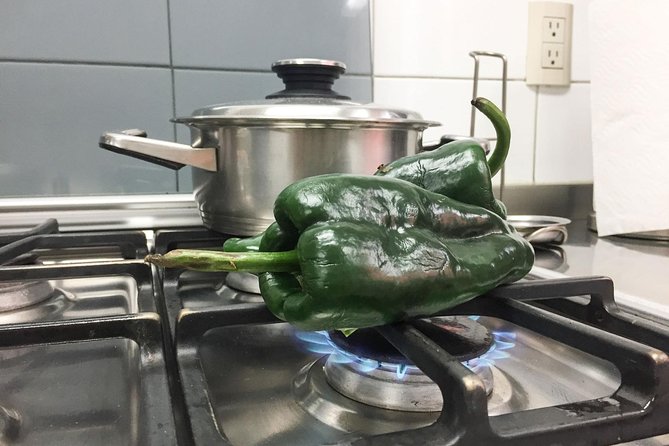
For mains, the menu often leans into sauces, chiles, and the kind of cooking Mexico is known for. You might make albondigas in salsa de chile chipotle meco, or learn chiles en nogada, or an encacahuatado with chicken (a flavor built with nuts or seeds and deep chile notes).
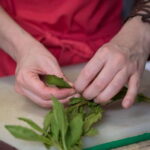
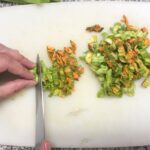
You can also see plates like pork in verdolagas (purslane). Verdolagas isn’t commonly found outside Mexico, and that’s part of the appeal: you’ll cook something you’re unlikely to order back home, and you’ll understand what makes it work.
Rice, plantain, and the sides that complete the plate
Mexican rice may show up in more than one style—Mexican white rice, red rice, or black rice—and plantain can appear as platano macho. These sides matter because they teach you how Mexican meals balance sauce-heavy dishes. You’re not just making one component; you’re learning the whole bite.
Dessert that’s pure Mexico
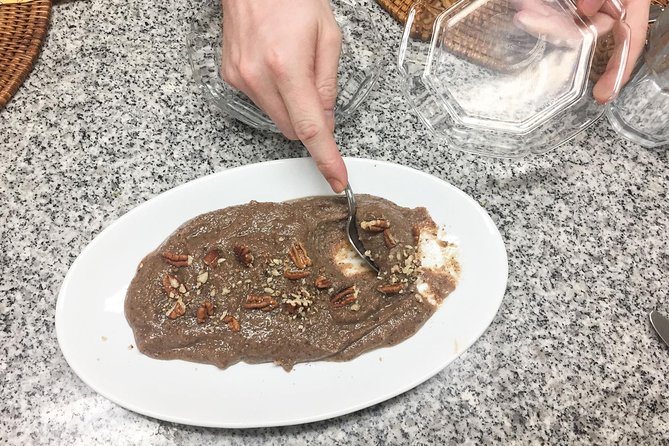
Dessert options can include dulce de guayaba, dulce de mamey, flan de cajeta, or gollorias, followed by coffee or tea. Sweet tastes in Mexico often rely on fruit and milk-based flavors, and this is where you get the chance to experience the texture and caramel depth that makes a Mexican dessert feel different from what you might find elsewhere.
What you learn beyond recipes: ingredient choices and technique
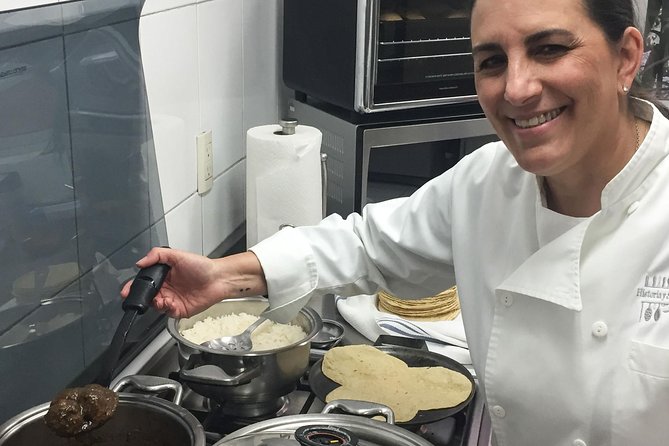
What makes this class practical is that Lucía’s teaching aims at repeatable results. You’ll get ingredient secrets that explain why certain items are used, what changes if you swap something, and how to keep sauces tasting balanced instead of flat.
A few specific things you’ll likely leave knowing (because they come up as teaching points):
- How to manage chiles and sauce depth, so heat doesn’t overpower flavor
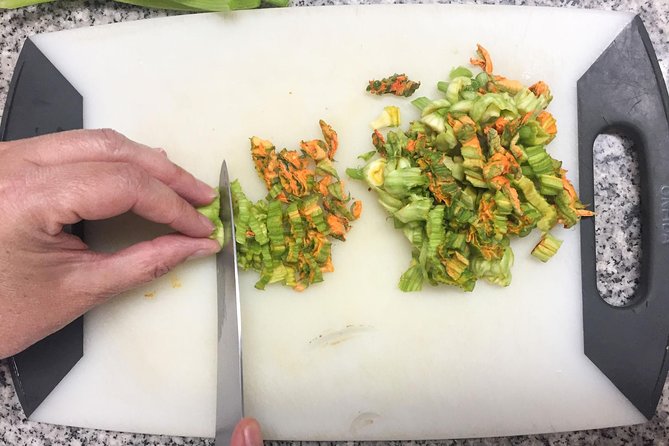
- How to work with nopales and other less-common ingredients without overcooking them
- How to build salsas and pair them with the right base (rice, tortillas, or pork/chicken dishes)
- How to time each component so the meal lands on the table together
You’ll also get more than cooking talk. Lucía shares cultural context—so if you learn a dish that connects to a particular influence in Mexico, you understand why it’s part of the food story. That’s why this feels like both a cooking lesson and a short education.
Patio meal time: beer or tequila with what you just made
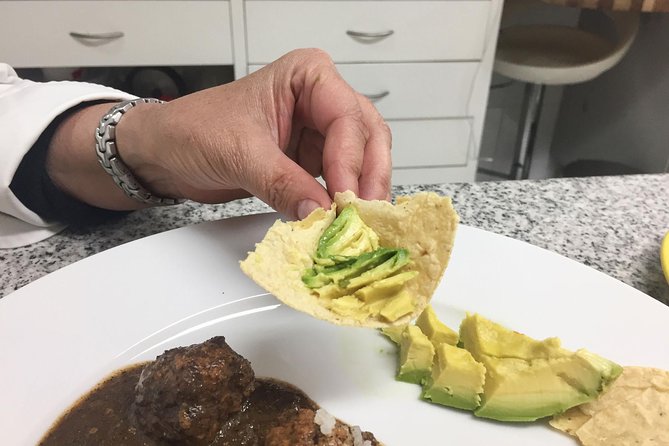
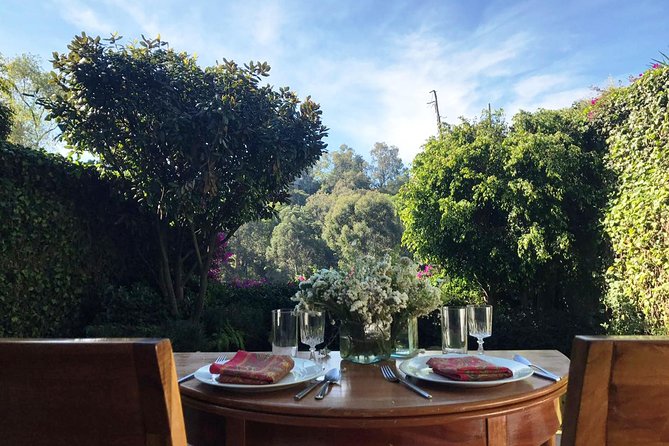
After cooking, you eat your work. Several people describe sitting outside on the patio—an outdoor space that makes the meal feel like a real pause in the day. You’re not rushed into a cafeteria-style line. You’re served and you enjoy.
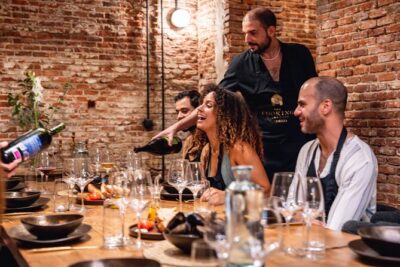
And the class includes alcoholic beverages. The provided description mentions local options like Mexican beer or tequila, and other accounts note extra authentic bites along the way. For you, that means the experience stays social and relaxed. You’re not just washing dishes and leaving. You’re tasting what you made while Lucía talks through what each part of the meal means.
If you’re the type who learns by eating, this portion is where it clicks. You try the dish, then remember what you did in the kitchen. That loops technique into memory.
Price and value: when $145 per person makes sense
At $145 per person for about 3 hours, this isn’t a casual “grab-and-go” activity. But the value is stronger than the sticker suggests, because you’re paying for a private lesson in a home and you’re also getting a full meal plus alcoholic drinks.
Here’s how to judge the price fairly for your trip:
- If you were going to eat at a high-end restaurant and wanted something more hands-on, this competes well with the cost of a special meal
- If you like learning from a specialist who teaches both recipes and food history, you’re buying expertise, not just food
- If your group is small, the private format usually feels more worth it since you get more direct attention
One review also calls it somewhat pricey and suggests it’s best for 3–4 max for a hands-on cooking class. That tracks with how private lessons work: when everyone has space to cook and ask questions, the experience feels more personal and productive. Couples and small families tend to be a good fit.
Dietary needs, family groups, and how flexible the class feels
Good news: Lucía can accommodate vegetarian guests and can tailor for dietary restrictions. The class description explicitly invites you to share allergies, restrictions, or preferences at booking. That’s not just polite wording. In practice, vegetarian menus are mentioned as a standout, even by people who had some top-tier restaurant meals during their trip.
Families also seem to do well here. One family describes Lucía being patient with kids and even bringing toys so a younger child could play in the garden while the adults cooked. If you travel with children, that kind of practical thought makes a big difference. It’s one thing to have kids at a table. It’s another to have a setup that helps everyone have a good time.
For food preferences, plan ahead. If you have allergy concerns, tell the provider early so Lucía can adjust ingredients and steps appropriately. This is the safest way to get the class you want.
Getting there in Mexico City: use the right address
The meeting point is listed as Santo Desierto, Tizampampano, Ciudad de México, CDMX, Mexico, and the activity ends back at the meeting point. In real life, that means you should plan for a short ride from central neighborhoods and treat it like a dinner appointment, not a drop-in museum visit.
A helpful tip from past participants: use the address provided for the class rather than relying on a Google Maps pin that could point you somewhere else. You don’t want to spend the first part of your class hunting for the correct doorway.
Also, the location is described as near public transportation, and people report it’s easy to reach by Uber. So you have options: transit if you’re already nearby, or a quick ride if you want low stress.
Who should book this class (and who might skip it)
This is a great choice if you want:
- A private Mexico City food experience with storytelling built in
- Real cooking skill you can take home, not just tasting
- A menu that includes chile-focused dishes, soups, rice, and fruit desserts
- A class where you can choose hands-on vs watching
Skip it if you:
- Want a big-group, high-energy studio class with lots of people circulating
- Are on a tight budget and only want street food-style spending
- Prefer a short demo with no meal commitment
One more thought: the reviews strongly suggest this works especially well for couples, families, and friends groups. That’s because the home setting supports conversation, questions, and shared eating.
Should you book Private Mexican Cooking Class with Gastronomic Historian Lucía?
Yes, if you want a day that mixes cooking skills, Mexican food culture, and a real meal you can remember. Lucía’s combination of hands-on teaching plus food-history context is what makes this feel different from a generic class, and the in-home patio meal with local drinks adds value quickly.
If you’re deciding between a restaurant meal and this class, think like this: you’re not just paying to eat. You’re paying to learn. For the right group size and the right mindset, it’s a very smart use of 3 hours in Mexico City.
FAQ
How long is the cooking class?
It lasts about 3 hours.
Is this a private experience?
Yes. It’s private, and only your group participates.
Where does the class take place?
You’ll meet at Santo Desierto, Tizampampano, Ciudad de México, CDMX, Mexico. The class is hosted in Lucía’s home, and the experience ends back at the meeting point.
What language is the class in?
The experience is offered in English.
Can I choose to cook or just watch?
Yes. The description says you can choose either a hands-on cooking experience or a live demonstration style.
Are vegetarian options available?
Yes. Vegetarian options are available—advise the provider when booking.
What kinds of food will we cook?
The menu may vary by season, but examples include nopalitos soup, Mexican rice, albondigas in chile chipotle meco salsa, chiles en nogada, encacahuatado, pork in verdolagas, and desserts like dulce de guayaba or flan de cajeta.
Are drinks included?
Yes. The meal includes alcoholic beverages such as Mexican beer or tequila.
Is the class suitable for families and kids?
It can be. The experience is described as private and tailored, and feedback mentions Lucía being patient with children and helping keep them engaged during the cooking.
What is the cancellation policy?
You can cancel for a full refund up to 24 hours in advance of the start time.