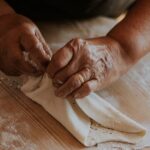
You can smell Greece before you even start cooking. This is a hands-on Greek cooking class in Mykonos with an outdoor kitchen and big views, where you learn dishes you’ll actually want to remake at home, including tzatziki, Greek pies, dolmades, and the gyro setup from meat to baking your own pita. The upside is real value for the time: you cook, you eat what you made, and you leave with techniques, not just recipes. The one thing to watch is transport costs for more remote areas, since the included transfer can have cash extras depending on where you’re staying.
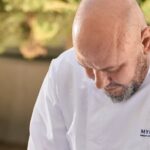
I like that the class is built around doing the work yourself. It is not a sit-and-watch show. You get step-by-step guidance from an in-person English-speaking host/chef (I’ve seen names like Chef Nico, Chef Nicolas/Nikolas, and Ava), and the pacing is set for groups to stay focused without feeling rushed.
My one caution for your planning: go in with good shoes and a flexible mindset about timing. The kitchen setup is outdoors (on a hill with a view), and like a lot of Mykonos activities, it depends on good weather and local logistics.
In This Review
- Quick highlights you should care about
- A 3-hour class in a hilltop kitchen with bay views
- What you’ll cook: Greek comfort classics and a gyro master plan
- The hands-on rhythm: mixing, rolling, assembling, baking
- The feast: lunch with your own handiwork (plus wine)
- Price check: $143.79 for 3 hours of real food skills
- Transport on Mykonos: included transfers, with cash exceptions
- Who this cooking class is best for (and who should skip it)
- Should you book this Mykonos Cooking Class- Hands On?
- FAQ
- How long is the Mykonos cooking class?
- What dishes will I learn to make?
- Is lunch included?
- What’s included with the class besides food?
- Is the guide available in English?
- Do I get a mobile ticket?
- Where do I meet for the cooking class?
- Is transportation included in the price?
- Are there any extra transport costs for some areas?
- What’s the cancellation policy?
Quick highlights you should care about
- Outdoor cooking with bay views: the setting makes the class feel like a real Mykonos moment, not a kitchen workshop in a back room.
- A menu with range: you’ll cover cold starters (tzatziki), pastry-style pies, dolmades, and the gyro/Pita workflow.
- Hands-on pita baking: making your own pita changes the whole gyro experience.
- Lunch included: you eat together at the end, so the time doesn’t just vanish into cooking chaos.
- Private group setup: only your group participates, which usually means more attention for questions and small fixes.
A 3-hour class in a hilltop kitchen with bay views
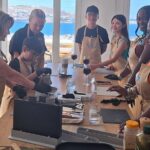
This class is set up for a relaxed but productive 3 hours, and the location does a lot of the emotional heavy lifting. The kitchen is outdoors on a hilltop, and the view is the kind that makes you stop mid-stir just to take it in. That matters more than people think. When the environment is good, you pay attention longer—and you remember more later.
You’ll be meeting at MYKONOS COOKING CLASS ΜΥΚΟΝΟΥ-ΑΝΩ ΜΕΡΑΣ 46, Klouvas 846 00, Greece. From there, the class flows as a working session: you get tasks, you learn what matters for texture and flavor, and you move through the recipes without losing the thread.
One small practical thing: because it is outdoors, come prepared for the conditions. If the wind is up or the sun is strong, you’ll be glad you wore a hat and used sunscreen earlier in the day.
You can also read our reviews of more tours and experiences in Mykonos.

What you’ll cook: Greek comfort classics and a gyro master plan
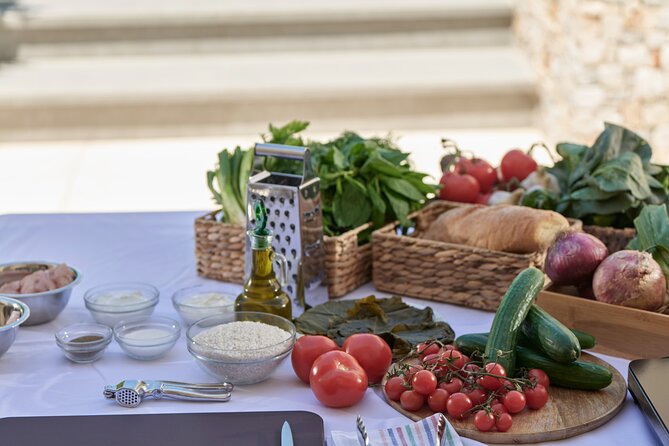
The core idea is simple: you learn classic Greek dishes and then learn the method behind them. That’s how this turns into a skill, not just a meal.
Here’s the typical lineup you can expect:
- Tzatziki: the cooling starter built on yogurt, cucumber, and garlic-forward flavor.
- Cheese pies and spinach pies: pastry-style Greek favorites where technique matters more than people realize.
- Dolmades: rolled grape leaves that test your patience in a good way.
- Greek gyros components: you learn the gyro meat and the build.
- Baking your own pita: not just the toppings—your bread too.
In real terms, that means you’re not stuck cooking only one thing the entire time. You get a variety of steps: mix, assemble, roll, and bake. That variety keeps the 3 hours moving, and it also gives you more chances to pick up one or two techniques you’ll actually use at home.
It also helps that the class doesn’t treat gyro as an afterthought. You’re doing the meat prep and pita baking, so you’re learning the full system: bread + filling + the flavor balance. If you’ve ever tried to make gyro at home and it came out fine but not right, this is the right angle to fix that.
The hands-on rhythm: mixing, rolling, assembling, baking
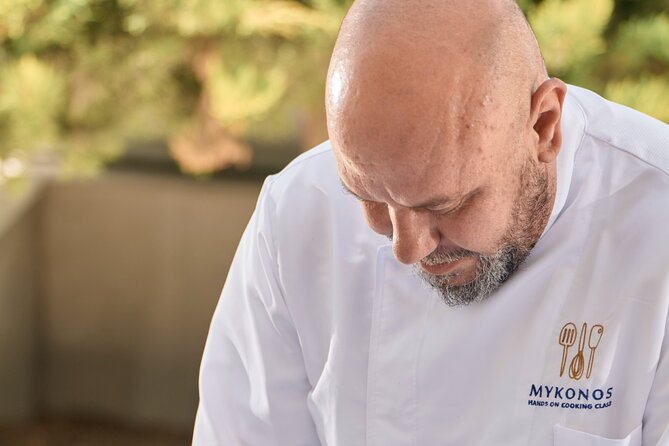
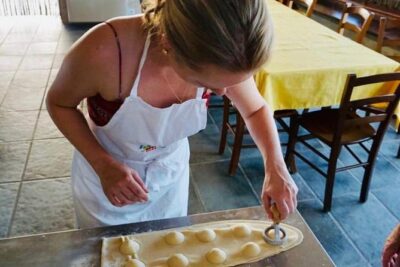
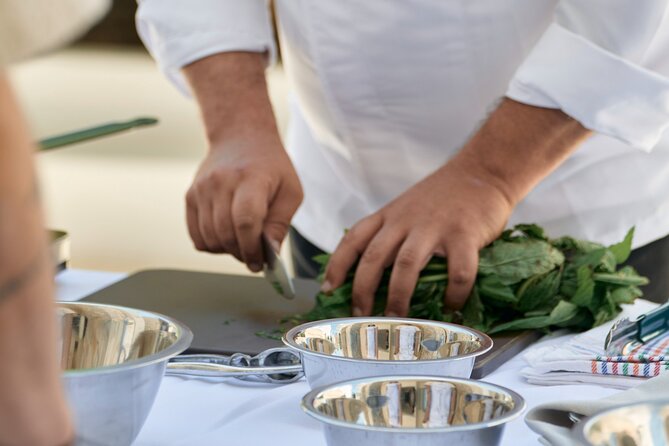
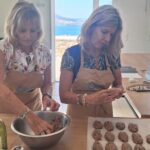
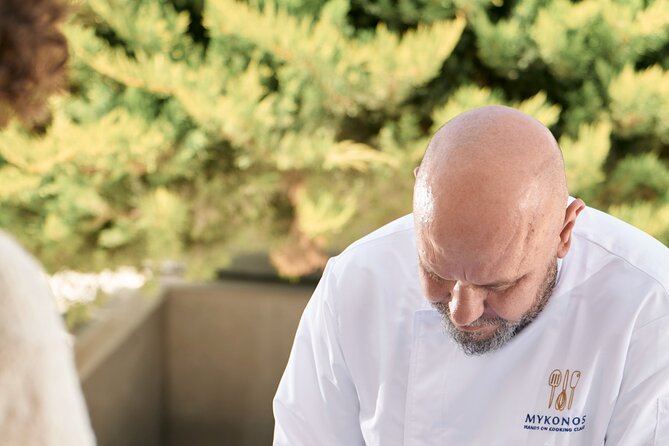
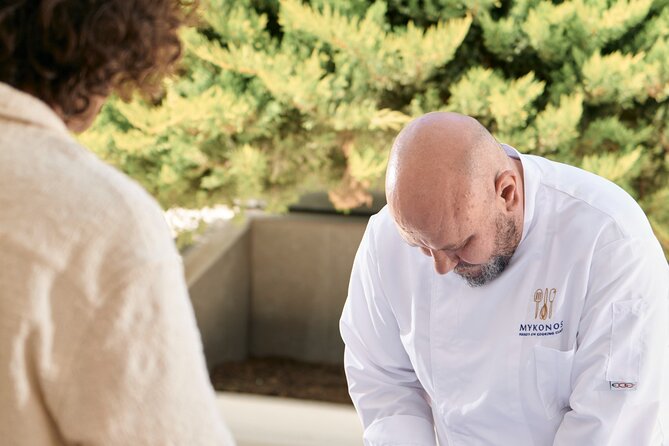
This is the part I’d call the heart of the value. A cooking class can be “interactive” in name only. This one is hands-on in the real way: you’re doing the work while the chef/host explains what to watch for and why.
From the way the class is run, you can expect a structure like this:
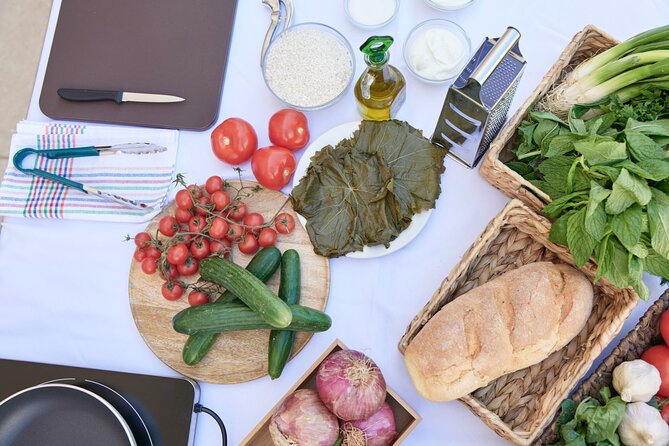
- Start with the building blocks (ingredients and prep you can actually see).
- Follow step-by-step guidance as you combine, shape, and adjust.
- Get troubleshooting help when your results aren’t matching the goal yet.
- Bake and finish together, so everyone gets to taste the payoff.
The instructors (I’ve seen names like Chef Nico and Ava) are big on easy-to-follow steps and keeping the vibe light. That is not just for fun. When you’re stressed in a kitchen, your timing goes out the window. When the tone stays supportive—especially if something gets messy—you recover faster and you learn more.
And yes, things get messy. That’s normal. The best classes let you make mistakes without turning it into a meltdown. Here, the overall tone is supportive, so you can focus on the technique.
The feast: lunch with your own handiwork (plus wine)
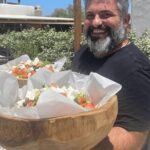
At the end, you eat as a group. Lunch is included, and it’s not a tiny snack plate. The class is paced so you can actually sit down and enjoy what you made, rather than leaving with a bag of ingredients and vague memories.
In at least some sessions, wine shows up during the cooking. That fits the general feel of the class: you’re working, you’re learning, and then you’re rewarded with a proper meal while still in the same atmosphere.
This “cook then eat” format is one reason the class is worth considering even if you’re not a confident cook. When you get instant feedback—taste, texture, seasoning balance—you understand what to replicate at home.
Price check: $143.79 for 3 hours of real food skills
Let’s talk value, because Mykonos pricing can get wild fast.
At $143.79 per person for about 3 hours, you’re paying for:
- a trained English-speaking instructor
- kitchen equipment
- lunch
- transportation support (with exceptions, covered next)
- and the practical learning of multiple Greek dishes, including pita baking
Is it “cheap”? No. But I think it can still be a fair deal because you’re getting more than one recipe. A lot of cooking classes focus on one dish well. This one stacks several: starter (tzatziki), pastry pies, dolmades, and the gyro experience with pita. If your goal is to leave with a wider toolkit, the menu size matters.
Also, the private setup (only your group participates) can raise the per-person value if you’re traveling with friends or family. More hands-on time and more attention per person tends to happen when the class isn’t shared with random strangers.
My practical advice: compare against what you’d pay for a nice sit-down lunch plus a paid activity. If you want food you can recreate and not just a pretty view, this lands in the good-value zone.
Transport on Mykonos: included transfers, with cash exceptions
The class includes transportation, and the operator coordinates with a transfer company to get you from/to many hotels and most areas of Mykonos. That’s a big convenience factor, especially if you’re not renting a car.
That said, remote areas can require extra payment in cash on the spot to the driver. The remote list includes Elia, Kalafatis, Agrari, Panormos, Super Paradise, Paradise & Kanalia, and also remote villas/apartments/houses. If you’re anywhere near those edges, plan for the possibility of added cost.
If you want to avoid surprises, tell the operator your exact pickup point when you arrange the transfer. My rule on islands: the more specific your address/landmark, the smoother the day goes.
And because the class meeting location is outside town, being late can be your enemy. Build in buffer time.
Who this cooking class is best for (and who should skip it)
This class is a strong fit if:
- you want a practical Mykonos activity that produces food you can remake
- you like learning by doing (mixing, rolling, assembling, baking)
- you travel with at least one other person who wants a shared experience
- you enjoy Greek cuisine and want more than just a couple of dishes
It may be less ideal if:
- you want a casual sightseeing-only day (this is focused on cooking)
- you dislike outdoors cooking setups or you’re sensitive to wind/sun
- you’re on a super tight budget and can’t handle possible transfer cash extras
One more thought: since it is a private activity and the guide is English-speaking, it can work especially well for groups who want more question time and clearer coaching.
Should you book this Mykonos Cooking Class- Hands On?
If you want a Mykonos souvenir you can taste—something you can cook again—you should seriously consider booking. The hands-on format, the variety of dishes (tzatziki, pies, dolmades, gyro setup, and pita baking), and the fact that lunch is included make it feel like a complete experience rather than a quick demo.
Just book with your eyes open about two things: transport in remote parts may cost extra in cash, and the activity requires good weather since it’s outdoors. If those aren’t dealbreakers, this is the kind of class that turns your time in Greece into real kitchen confidence.
FAQ
How long is the Mykonos cooking class?
The class runs for approximately 3 hours.
What dishes will I learn to make?
You’ll learn to make classic Greek dishes such as tzatziki, cheese pies, spinach pies, dolmades, and how to prepare the gyro experience by making the gyro meat and baking your own pita bread.
Is lunch included?
Yes. Lunch is included.
What’s included with the class besides food?
Kitchen equipment is included, and there is an in-person English guide.
Is the guide available in English?
Yes. The in-person guide is offered in English.
Do I get a mobile ticket?
Yes. The class uses a mobile ticket.
Where do I meet for the cooking class?
Meet at MYKONOS COOKING CLASS ΜΥΚΟΝΟΥ-ΑΝΩ ΜΕΡΑΣ 46, Klouvas 846 00, Greece.
Is transportation included in the price?
Transportation is included. The operator collaborates with a transfer company for pickup and drop-off from many hotels and most areas of Mykonos.
Are there any extra transport costs for some areas?
Yes. For some remote places (including Elia, Kalafatis, Agrari, Panormos, Super Paradise, Paradise & Kanalia) or remote villas/apartments/houses, you may need to pay additional cash to the driver on the spot.
What’s the cancellation policy?
You can cancel for free up to 24 hours in advance for a full refund. The class also requires good weather, and if it is canceled due to poor weather you’ll be offered a different date or a full refund.