REVIEW · MYKONOS
Mykonos Cooking Class of Local Specialties
Book on Viator →Operated by Delos Private Tours · Bookable on Viator
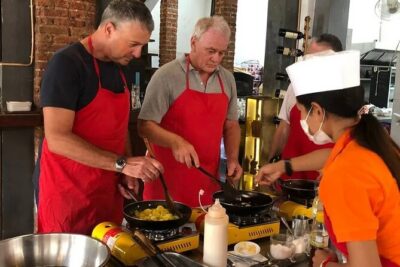
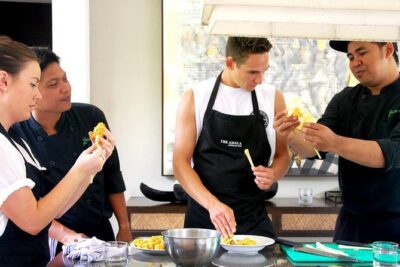
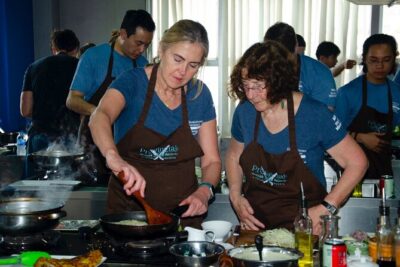
Cooking is one of the easiest ways to feel Mykonos up close. This private hands-on class takes you beyond the usual restaurant loop, with a local chef guiding you as you make classic dishes and then sit down to eat what you cooked. I especially like the private lesson feel, where your skill level matters and you’re not stuck watching from the sidelines the whole time.
The best part is how practical it is: starters, mains, and dessert all land at the table, and you also get written recipes to bring the flavors home. One thing to consider is the value question, because at $238.28 per person it’s not a budget activity, and it’s also not recommended for vegans since the menu leans on dairy and meat.
In This Review
- Key things to know before you go
- Ornos at 4:30 pm: Why this timing feels right
- Meeting point in Ornos and getting to the class
- What you’ll cook: the Mostra and Tsatziki starter system
- Mostra: bread, kopanisti, tomato, oregano, olive oil
- Tsatziki: thick yogurt and drained cucumber
- Greek salad: the familiar baseline
- The mains: Kremidopita and keftedakia Mykonou
- Kremidopita: onion and cheese pie with dill and herbs
- Keftedakia Mykonou: pork meatballs with ouzo
- Dessert: rafiolia and the fried-dough finale
- The meal flow: local wine and a table built from your work
- The chefs, the family vibe, and what makes it feel special
- Recipes in written form: your real souvenir
- Price and value: is $238.28 per person fair?
- Who should book this class (and who might skip it)
- Practical tips for the day of your cooking class
- Should you book? My quick decision guide
- FAQ
- What time does the Mykonos cooking class start?
- How long is the experience?
- Where is the meeting point?
- Is this activity private?
- What language is the class offered in?
- Does the class include wine and recipes?
- Is it suitable for vegans?
Key things to know before you go
- Local chef instruction focused on technique, not just plating
- Cook, then eat a full meal you helped make, with local wine
- Mykonos-specific flavors like kopanisti cheese and tirov olia in the menu
- Private-group format designed around your group’s pace and skill level
- Recipe handouts in written form so you can repeat dishes later
Ornos at 4:30 pm: Why this timing feels right
Mykonos can be a lot of sun, steps, and late meals. Starting in the late afternoon, around 4:30 pm, puts you on track for a dinner that doesn’t feel rushed or borrowed from somewhere else on the island. Instead of doing another pre-dinner stop, you’re turning the hours between afternoon and evening into something you’ll actually remember.
This class is also a smart move if you’re spending only a few days on the island. Three hours can fit neatly into a day where you already want beach time, a walk through town, and maybe one sunset viewpoint. You end back at the meeting spot, which matters on a small island where time lost to transport can pile up fast.
You can also read our reviews of more tours and experiences in Mykonos.



Meeting point in Ornos and getting to the class
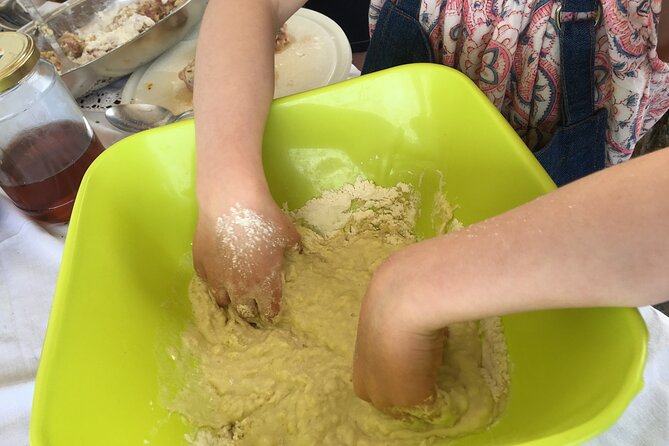
You’ll meet at Ornos 846 00, Greece. From there, the group is taken to the place for the class. That part is nice because you’re not spending your planning energy figuring out where you need to go, and you’re not stuck asking for directions with wet hands and flour on your sleeves.
The class ends back at the meeting point. For you, that means you can keep the rest of your evening simple: after you’re done eating, you can walk off, go back to your lodging, or plan a casual drink without the stress of finding a new pickup point.
One practical thing: you’ll want to arrive on time. Cooking sessions run on momentum. If you’re late, you can miss the first prep steps that set up the rest of the meal.
What you’ll cook: the Mostra and Tsatziki starter system
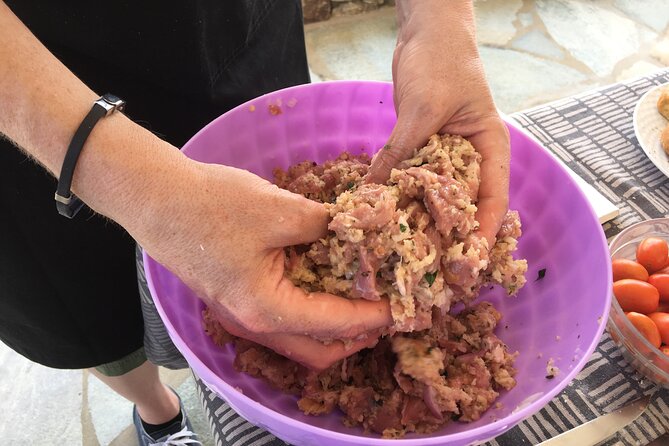
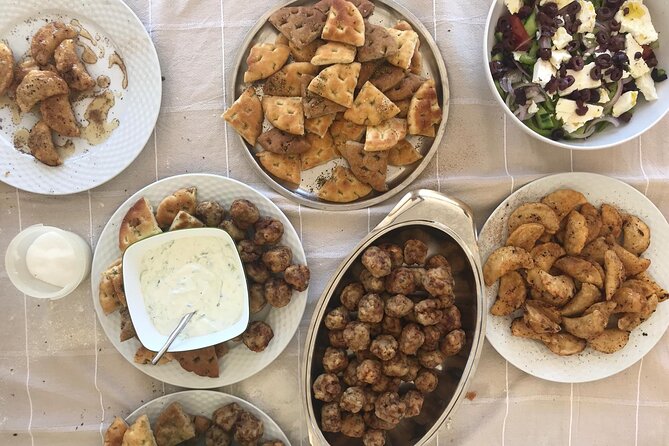
You start with starters that are built around two Mykonos cornerstones: good olive oil and bold local dairy and herbs. The menu includes Mostra and Tsatziki, plus Greek salad as part of the meal you eat.
Mostra: bread, kopanisti, tomato, oregano, olive oil
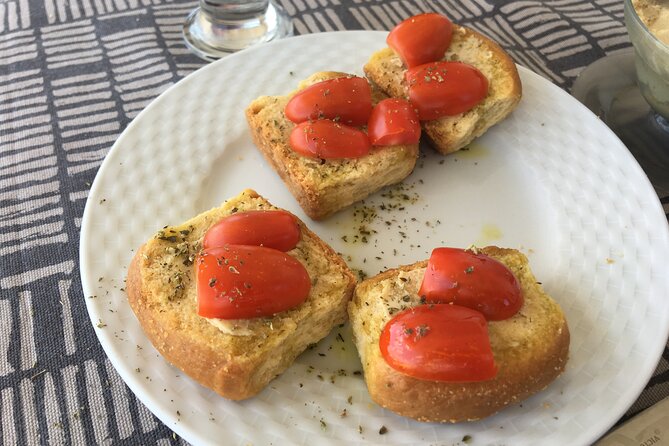
Mostra is simple on paper and satisfying in real life: rusk or bread spread with kopanisti cheese (spicy local cheese), topped with tomato slices, oregano, and extra virgin olive oil. This is a classic way to understand Greek cooking philosophy: don’t hide ingredients, build flavor from them.
For you, the value here is learning how to balance heat and tang. Kopanisti brings punch, while tomato and olive oil soften the edges. You’ll also get practice with the kind of seasoning that shows up in many Greek dishes, from oregano-forward bites to oil used as a finishing step.
Tsatziki: thick yogurt and drained cucumber
Tsatziki on this menu is made with thick, drained yogurt, cucumber, olive oil, garlic, mint, lemon juice, and salt. Draining the cucumber and using thick yogurt is key. If you skip that step, the whole dip turns watery. If you get it right, it tastes clean, cool, and rich.
This is also a great starter for beginners because the ingredients are familiar, but the technique matters. You’ll likely learn how to keep the texture thick enough to scoop and serve.

Greek salad: the familiar baseline
You’ll also see Greek salad in the mix: tomatoes, cucumbers, onions, green bell peppers, feta, oregano, and olive oil. Even if you’ve had it before, it works as an anchor dish. It gives you a fresh, crunchy counterpoint to the cheese-heavy starters and the warm, flaky mains.
The mains: Kremidopita and keftedakia Mykonou
The main dishes are where this class really earns its keep. You’re not just assembling; you’re working with flavors and structure—pies, fillings, and meatball mix.
Kremidopita: onion and cheese pie with dill and herbs
Kremidopita is an onion and cheese pie, where the tanginess of the onions is balanced by creamy local cheese (tirovolia). It’s seasoned with dill and various herbs.
Onions can go from sweet and mellow to sharp and raw if timing is off. That’s why a chef’s guidance matters. You’ll learn how to handle the onion component so it becomes part of the filling rather than standing out as harsh. With a cheese-forward filling, small seasoning changes make a big difference.
If you like food that feels both comforting and slightly tangy, this is one of the best dishes to master, because it works at home as both a meal and a crowd-friendly baking dish.
Keftedakia Mykonou: pork meatballs with ouzo
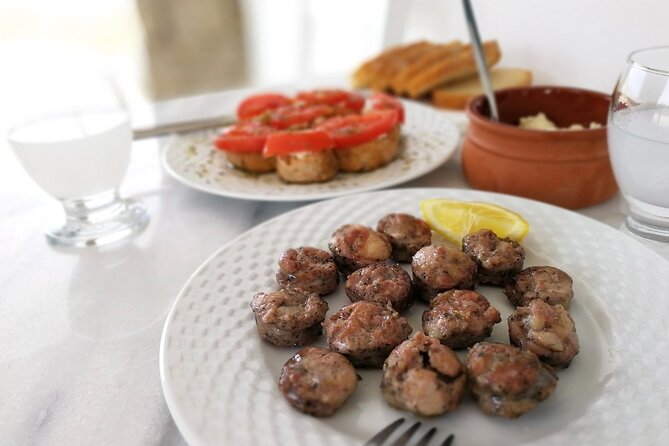
Keftedakia Mykonou are pork meatballs (with beef available on request). The meat is hand minced, then mixed with grated onions, bread, eggs, oregano, mint, olive oil, and ouzo.
This is one of the more interesting parts of the whole menu. Ouzo in meatballs isn’t there for show. It adds a warm, anise-like note that Greek cooks use to deepen flavor in savory dishes. Minced onions and bread also help with texture, keeping meatballs tender instead of dry.
For you, the practical win is learning what “mixing” really means in Greek meatball style: ingredient distribution, not just flavor. When you form and cook them well, the outside and inside both taste like the same dish.
Dessert: rafiolia and the fried-dough finale
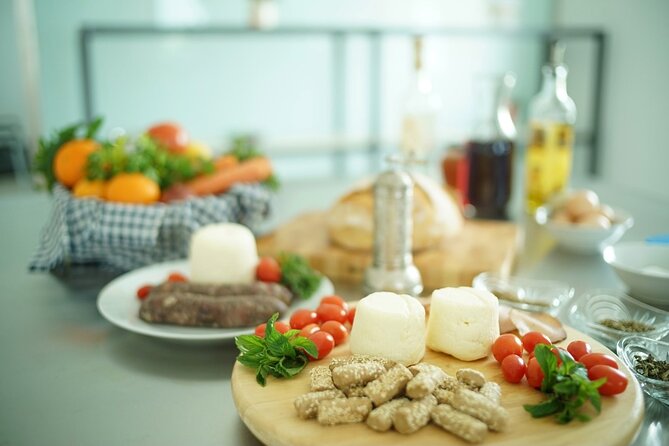
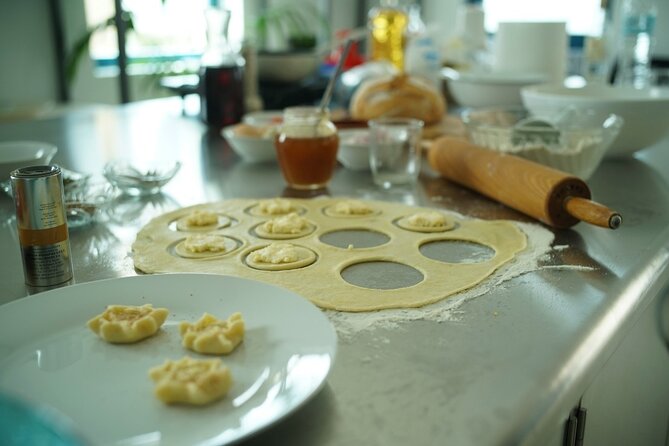
The dessert is Rafiolia, made from fried dough that may include tirovolia cheese. It’s finished with honey, orange, and cinnamon.
This is a dessert that often surprises people in a good way. Fried dough desserts can be heavy, but the honey and orange add lift, and cinnamon ties it together. If the version you make includes cheese, it turns the sweetness savory-adjacent, which is very on-brand for how Greek cooks treat dairy in both savory and sweet contexts.
Also, because you’re cooking it yourself (not just receiving it), you’ll understand why it tastes the way it does: the texture is the point. You’ll learn how the dough behaves once it hits heat, and how the finishing flavors change how sweet it tastes.
The meal flow: local wine and a table built from your work
After cooking, you sit down to eat what you prepared. Local wine accompanies the feast. That detail matters because it turns the class into an actual meal experience, not a quick tasting.
There’s a real difference between watching a demonstration and cooking enough that you feel ownership. The structure here is designed for that. Even when the chef leads the critical steps, there’s still a strong “you are part of this” feel, with personalized attention to match your skill level.
One subtle benefit: eating together right after cooking helps you understand the pacing of the menu. Starters stay crisp, mains land hot, and dessert doesn’t feel like an afterthought. You’ll leave knowing how to sequence a Greek meal at home, which is something most cooking classes skip.
The chefs, the family vibe, and what makes it feel special
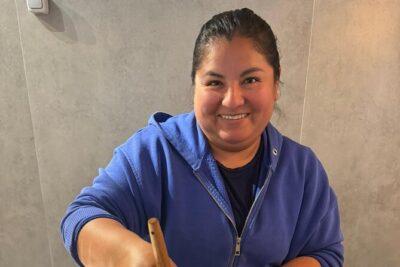
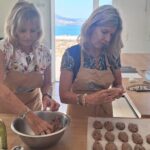
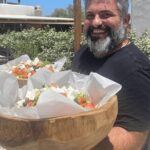
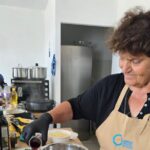
This class leans hard into the human side of cooking. Multiple hosts described a family-style energy, with cheese and humor showing up as part of the lesson, not just as entertainment.
In past sessions, hosts have included people named Jorgi (welcoming guests at a place called Mykonos Farmers) and chefs such as George or Chef Alex. Some groups also mention meeting Christina, who co-hosts in at least some settings. The common thread is the same: calm, friendly guidance that keeps the room comfortable while you learn.
That matters if you’re not a confident cook. A good teacher doesn’t just correct mistakes; they help you feel safe making them. The result is that you end up leaving with more than recipes. You leave with a sense of how Mykonian cooking thinks.
Recipes in written form: your real souvenir
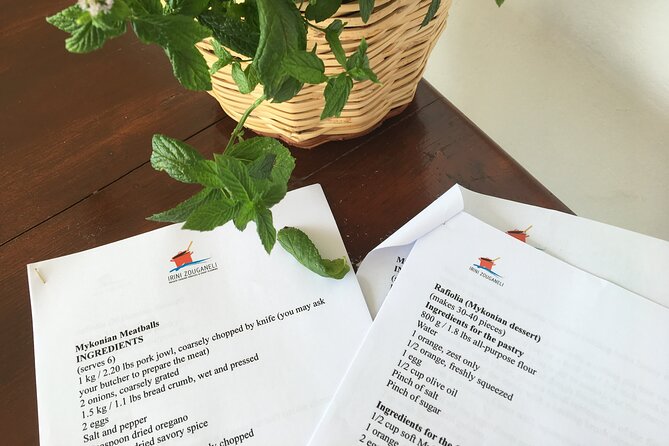
You get the recipes in written form at the end of the class. This is more valuable than a photo of the finished plate. When you can read the steps and ingredient list, you can actually repeat the dishes instead of remembering only the taste.
If you cook at home even once a month, these handouts are the difference between a fun evening and a useful skill. A pie like kremidopita and a dessert like rafiolia are exactly the kinds of dishes you’ll want to recreate with guidance, because tiny technique differences change outcomes.
Price and value: is $238.28 per person fair?
At $238.28 per person, this isn’t a quick cheap activity. The honest question is: what are you buying?
You’re paying for a private-group format, a local chef with hands-on teaching, a full menu (starters, mains, dessert), local wine, and written recipes. You’re also paying for the fact that you’re not just tasting; you’re cooking the dishes you’ll eat.
If you’re splitting value across a group, the private nature can feel more reasonable because you’re not competing with strangers for attention. One thing to watch is that some classes run with a demonstration element, where not everyone handles every step at every moment. The upside is that it can be efficient and keep quality high. The tradeoff is that the “hands-on” time can feel uneven if your group expects constant stirring and shaping.
Then there’s the most practical consideration: it’s not recommended for vegans. Since the menu includes dairy and meat, you’d be paying for something that may not match your diet.
So the value is strongest if:
- you eat dairy and meat,
- you want a real cooking lesson, not a short tasting,
- and you’ll use the recipes afterward.
Who should book this class (and who might skip it)
This is a great fit for couples and small groups who want a structured, local experience that still includes fun food time. It also makes sense if you have mixed cooking abilities. The class is described as personalized to match your skill level, which is exactly what you want when one person cooks regularly and another just wants to learn.
It’s also a good choice if you’re traveling with teens. Some groups have described the chef’s humor and steady teaching style as keeping younger guests engaged, which is a big deal on a trip where food and distractions often compete for attention.
You might skip it if:
- you’re vegan (the menu isn’t set up for that),
- you’re trying to keep costs low,
- or you only want a casual bite without serious involvement.
Practical tips for the day of your cooking class
A few small moves can make the evening smoother.
- Plan to eat well afterward: you’ll be making and eating a full meal, plus wine.
- Come hungry but not frantic: arrive on time so you don’t miss the first hands-on steps.
- Tell the chef about meat preferences: beef can be used on request for the meatballs.
- Expect cheese-forward flavor: kopanisti and tirov olia show up in starters and dessert, so go with the flow.
Should you book? My quick decision guide
Book it if you want an authentic Mykonos experience that’s built around local ingredients and a chef who teaches with patience. The combination of hands-on cooking, a full meal you eat, local wine, and written recipes is the kind of package that sticks with you after you leave the island.
Skip it if you’re budget-sensitive, vegan, or simply looking for the cheapest way to eat Greek food. You can find tastier bargains at restaurants. But you’ll have a harder time finding an evening that teaches you how to make the food yourself.
If you’re in the middle—wanting something memorable, practical, and actually local—this class is a smart bet. Just go in ready to cook, eat, and learn the Mykonos way.
FAQ
What time does the Mykonos cooking class start?
It starts at 4:30 pm.
How long is the experience?
The class runs for about 3 hours.
Where is the meeting point?
You’ll meet at Ornos 846 00, Greece.
Is this activity private?
Yes. It’s a private tour/activity, and only your group participates.
What language is the class offered in?
The class is offered in English.
Does the class include wine and recipes?
Yes. Local wine accompanies the meal, and you receive the recipes in written form at the end.
Is it suitable for vegans?
It is not recommended for vegans.