REVIEW · ROME
Rome: Pasta Fettuccine Ravioli and Tiramisu Cooking Class
Book on Viator →Operated by Italy Roman Tours · Bookable on Viator
Fresh pasta in a real Roman kitchen.
This small-group class is all about hands-on Italian cooking, not just watching. I love learning how to make fettuccine and ravioli from scratch with a professional chef, then finishing with tiramisu you actually helped build. One thing to consider: it is a cooking-focused evening, so if you want pure sightseeing time, you’ll want to plan your day accordingly.
You’ll spend about 3 hours at Via Firenze, 8, 00184 Roma, with an English-speaking chef and a max group size of 12. You’ll get ingredients, equipment, and a water bottle, then sit down with your group to eat what you made.
In This Review
- Key things to know before you go
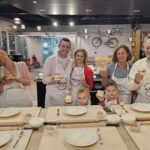
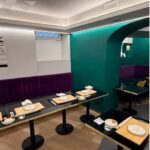
- A Cozy Roman Kitchen Where You Learn By Doing
- What You’ll Make: Fettuccine, Ravioli, and Tiramisu From Scratch
- Fettuccine: The dough skill that matters
- Ravioli: Filling and sealing without stress
- Tiramisu: Building layers with the right method
- How the 3-Hour Class Flows (and What to Expect at Each Stage)
- 1) Start at Via Firenze, get set up, and meet your chef
- 2) Fettuccine session: knead, shape, and understand the dough
- 3) Ravioli session: portioning and sealing practice
- 4) Tiramisu session: dessert timing and layer-building
- 5) Eat what you made and swap notes
- Chef Energy and Real Guidance: Giuseppe, Danilo, Hassan, and the Team
- Price and Value: Is $79.47 Worth It?
- Logistics That Matter: Location, Duration, and Group Size
- Who This Class Is For (and Who Might Skip It)
- Should You Book This Rome Pasta and Tiramisu Cooking Class?
- FAQ
- Do I need to bring ingredients or equipment?
- How long is the cooking class?
- How much does the class cost?
- Is the class taught in English?
- What dishes will we make?
- Is there a group size limit?
- Where does the class start and end?
- Does the tour include hotel pickup or drop-off?
- What’s included with the meal at the end?
- Are tips for the chef included in the price?
- What is the cancellation policy?
Key things to know before you go
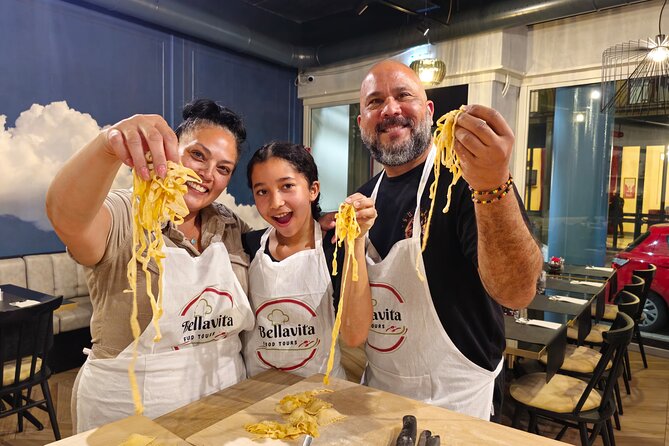
- Small-group size (max 12) means you get real coaching, not just a quick demo.
- Three classics in one session: fettuccine, ravioli, and tiramisu, all from scratch.
- Professional chef instruction is the point, with attention to dough feel and technique.
- Cozy, authentic kitchen vibe makes it feel like cooking with friendly locals.
- You eat the meal you prepare, which turns the work into something rewarding fast.
A Cozy Roman Kitchen Where You Learn By Doing
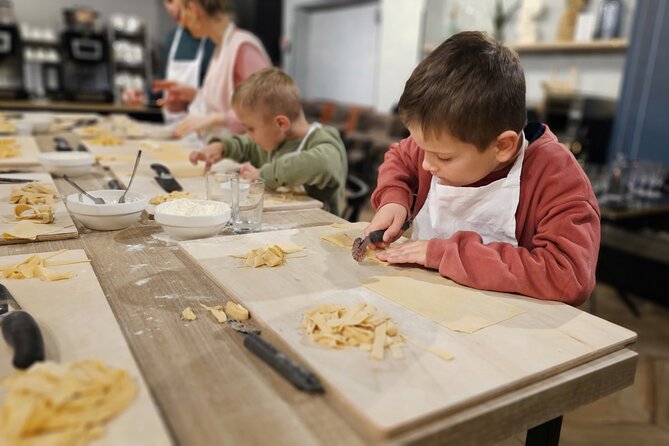
Rome has plenty of great food, but this class gives you something rarer: skills you can reuse. You’re not just collecting photos of pasta. You’re making dough, shaping it, and building a dessert. That means the results feel personal, and the confidence carries home.
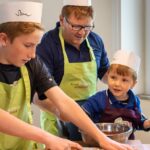
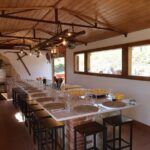
The setting tends to feel cozy and authentic, and the energy from the chef can make the whole thing relax into a rhythm. In several sessions, cooks have been described as patient and professional, with a lively sense of humor that matters when you’re learning something tactile and new. Even the tricky parts, like getting pasta dough to the right consistency, are handled with guidance that keeps it approachable.
One practical note: because you’re making food, expect a hands-on, flour-and-starch kind of evening. Wear clothes you don’t mind getting a little messy. Bring a normal travel attitude: focus on the process, not perfection.
You can also read our reviews of more tours and experiences in Rome.
What You’ll Make: Fettuccine, Ravioli, and Tiramisu From Scratch
This is not a buffet of random recipes. The class is built around three specific dishes, and the instruction matches what you’ll need to create each one.
Fettuccine: The dough skill that matters
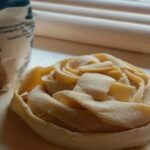
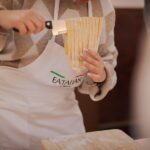
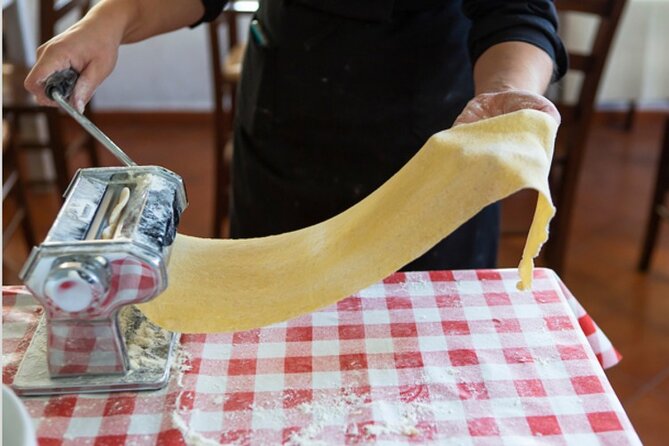
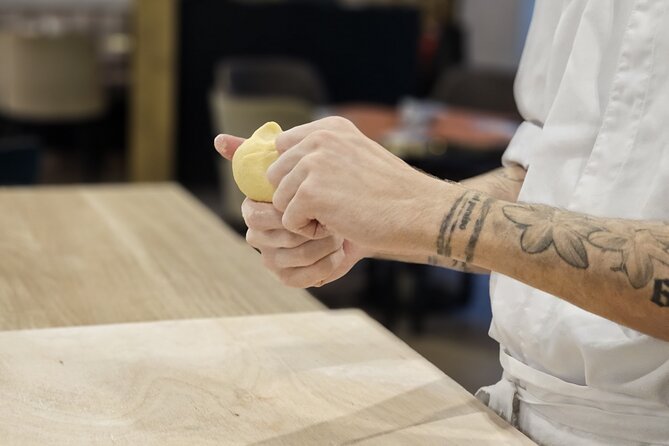
You start with pasta dough for fettuccine. The chef teaches the fundamentals of kneading and working the dough so it becomes smooth and elastic rather than dry or sticky. You’ll learn how the dough should feel as you shape it, and how to adjust your technique if it’s not behaving.
This is one of the biggest value points for me. Pasta-making is mostly about texture. When you learn what the dough should do, you stop guessing later at home.
Ravioli: Filling and sealing without stress
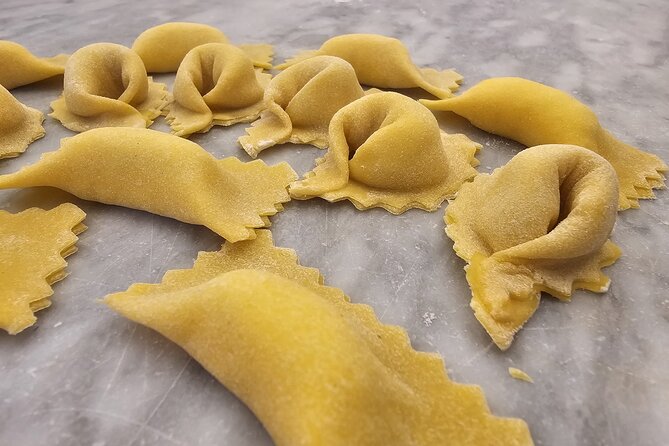
Next comes ravioli, where the focus shifts from rolling dough to portioning, filling, and sealing. You’ll work the dough into individual pieces, then add filling and close them carefully.
The key skill here is getting the ravioli sealed well. If you’ve ever had ravioli that burst in the pot, you’ll understand why this step is taught so closely. Learning the motion and the timing on-site helps you avoid that common beginner frustration.
Tiramisu: Building layers with the right method
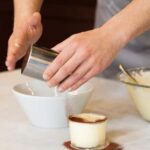
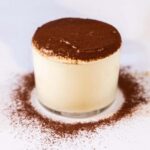
Then you switch gears from pasta to dessert: tiramisu. You’ll craft it from scratch, and the class includes dessert-making instruction, not just a quick assembly.
Tiramisu is all about balance: the cream should be silky, the texture should stay delicate, and the layering should be consistent. The chef guidance helps you avoid the two usual issues—overmixing or rushing the steps—so the final result tastes like the real thing, not a hurried version.
And yes, you get to eat what you make.
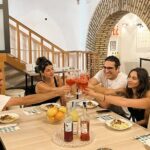
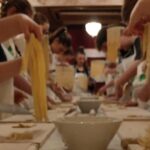

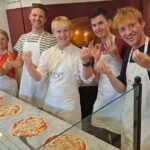
How the 3-Hour Class Flows (and What to Expect at Each Stage)
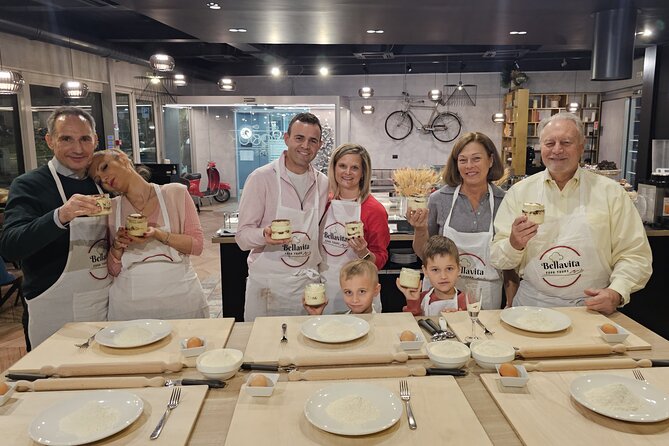
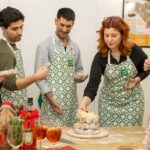
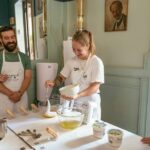
The class runs about three hours, and the structure is designed to keep momentum. Here’s how that typically plays out in a hands-on pasta-and-dessert format like this one.
1) Start at Via Firenze, get set up, and meet your chef
You meet at Via Firenze, 8 (the activity ends back at the same meeting point). The location is near public transportation, which makes it easier to slot into a dinner plan without a long scramble.
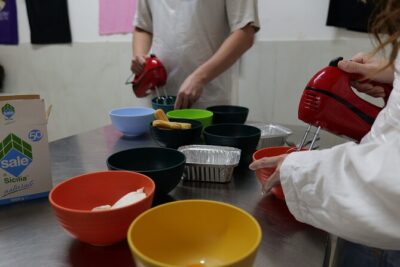
Once you arrive, you’ll be working in a kitchen setup with the tools you need. You’ll also get the ingredient prep and equipment you need for fettuccine, ravioli, and tiramisu—so you’re not dragging shopping bags around Rome.
2) Fettuccine session: knead, shape, and understand the dough
You’ll spend real time with dough. This is where most beginners improve the fastest, because the chef can correct you immediately. Focus on what your hands feel: elasticity, smoothness, and how the dough responds as you work it.
If you go in thinking you’re going to learn one technique, leave remembering that pasta is a system: dough feel leads to easier rolling, which leads to better shaping.
3) Ravioli session: portioning and sealing practice
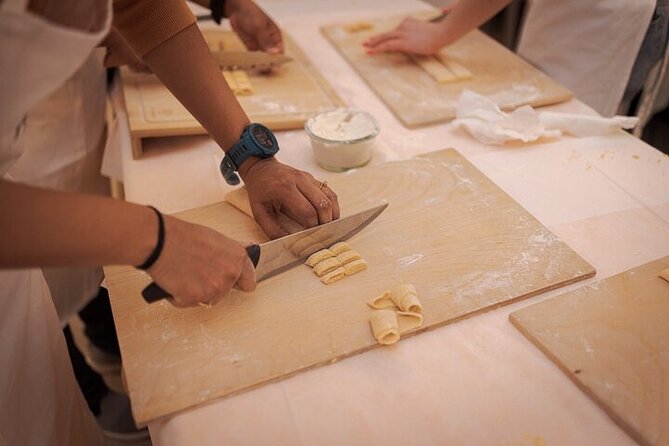
Then the class shifts to ravioli. This part is fun, and it’s also where patience pays off. You’ll work on filling and closing the ravioli so they cook well and keep their shape.
The chef coaching is especially useful here because sealing is physical. It’s hard to learn from a book. It’s easy to learn when someone shows you the exact motion and watches you do it.
4) Tiramisu session: dessert timing and layer-building
After pasta work, you’ll switch to tiramisu. This is a good contrast: calmer, less dough-wrangling, and more about method and timing.
You’ll make the dessert in a way that produces a satisfying final plate. The class ends with you enjoying the meal together, so your dessert work has a clear finish line.
5) Eat what you made and swap notes
You’ll sit down after cooking to enjoy your prepared meal with fellow participants. This is where the class stops being a project and becomes a dinner.
It’s also a chance to compare what worked for you. When people discuss pasta texture or ravioli sealing, you quickly realize you’re learning the same fundamentals, just with different hands.
Chef Energy and Real Guidance: Giuseppe, Danilo, Hassan, and the Team
A lot of cooking classes promise instruction. This one is remembered for the way chefs teach. Multiple sessions mention different chefs and guides, and the common thread is support.
Chefs named in customer accounts include Giuseppe, Danilo, and Hassan. Each gets credit for being patient and clear, with a friendly teaching style that makes the work feel doable. One standout theme is that even the most challenging part, getting the dough consistency right, is taught in a way that reduces frustration.
Guides named alongside the chefs include Sam, Ilaria, Amr, Illaria, and Elisa. The team approach matters because you’re not just getting one voice. You get correction and reassurance when you need it, plus extra help if your dough or portions need a quick adjustment.
For you, the payoff is simple: you leave knowing how to act when something goes slightly off, instead of thinking you failed.
Price and Value: Is $79.47 Worth It?
At $79.47 per person, this class isn’t a bargain deal. But it also isn’t overpriced for what you get.
Here’s why it can feel like good value:
- Ingredients for all three dishes (fettuccine, ravioli, tiramisu) are included, so you’re not paying for food you don’t want to shop for.
- Cooking equipment and utensils are provided.
- You get hands-on instruction from a professional chef, with a small group size capped at 12.
- You eat what you make, which turns the class into a full, satisfying experience rather than a snack demo.
- A water bottle is included.
What’s not included is also clear: hotel pickup and drop-off and gratuities for the chef. That’s normal for this style of tour. If you’re staying central, you can usually make the logistics work easily on your own.
My practical take: you’re paying for time with a chef plus the confidence to cook these dishes again later. If that matters to you, the price makes sense.
Logistics That Matter: Location, Duration, and Group Size
This class runs about 3 hours. That’s a sweet spot. It’s long enough to actually learn and make something real, but short enough to keep your Rome day intact.
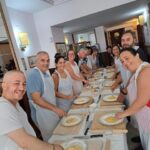
It also helps that the max group size is 12. Small groups keep the energy personal. You can ask questions, get corrections, and stay engaged instead of waiting your turn.
You do meet at Via Firenze, 8 and the tour ends back at the same spot. There’s no hotel pickup, so you’ll want to plan your route like a local: use public transport or walk if you’re close.
If you like English instruction, that’s included too.
Who This Class Is For (and Who Might Skip It)
This experience is a great fit if you:
- Want authentic, practical cooking skills, not just a guided meal
- Enjoy hands-on activities and don’t mind learning by getting a little flour on your hands
- Are traveling with friends or family and want a shared activity that’s actually engaging
- Prefer small groups and clear coaching
You might not love it if you:
- Want a purely passive experience with minimal participation
- Have very tight timing and need a quick stop rather than a focused 3-hour class
Should You Book This Rome Pasta and Tiramisu Cooking Class?
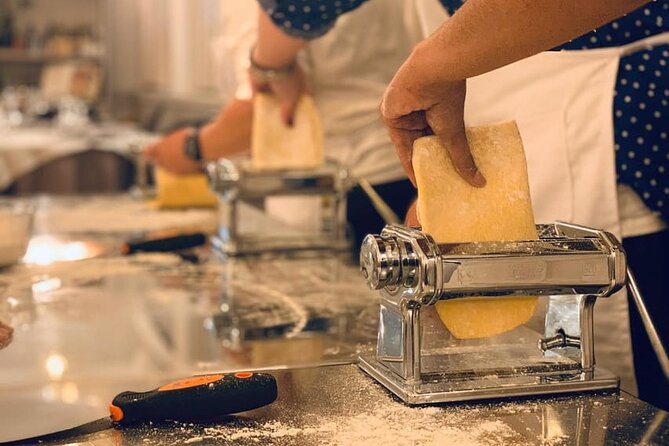
If you’re even mildly into food, I think you should book it. This is the kind of activity that gives you more than a meal. You take home technique: dough feel for fettuccine, sealing and portioning sense for ravioli, and step-by-step dessert building for tiramisu.
One more reason I’d choose it: you’re guaranteed instruction and ingredients, and you end with a meal you made yourself. That’s a satisfying use of an evening in Rome.
FAQ
Do I need to bring ingredients or equipment?
No. The class includes all ingredients for fettuccine, ravioli, and tiramisu, plus cooking equipment and utensils.
How long is the cooking class?
It lasts about 3 hours.
How much does the class cost?
The price is $79.47 per person.
Is the class taught in English?
Yes, it is offered in English.
What dishes will we make?
You’ll make fettuccine, ravioli, and tiramisu.
Is there a group size limit?
Yes. The class has a maximum of 12 travelers.
Where does the class start and end?
It starts at Via Firenze, 8, 00184 Roma RM, Italy, and it ends back at the meeting point.
Does the tour include hotel pickup or drop-off?
No. Hotel pickup and drop-off are not included.
What’s included with the meal at the end?
You’ll enjoy your prepared meal, and a water bottle is included.
Are tips for the chef included in the price?
No. Gratuities for the chef are not included.
What is the cancellation policy?
Cancellation is free. You must cancel at least 24 hours in advance for a full refund.