REVIEW · OAXACA DE JUAREZ
Oaxaca: Traditional Oaxacan Cooking Class
Book on GetYourGuide →Operated by Raices oaxaqueñas · Bookable on GetYourGuide
Mole starts with a market stroll. I love how this Oaxaca cooking class sends you shopping with real local logic, then cooking every step with Hector and Aurora instead of watching from the sidelines. You don’t just learn dishes; you learn why ingredients show up where they do.
The other thing I like a lot is the hands-on rhythm: chocolate prep, tortilla work, and molcajete sauces are all part of your job, not the teacher’s. One drawback to consider: you’ll head from downtown out to a village home about 20 minutes away, so build in a little travel time and come with a light stomach.
In This Review
- Key things that make this Oaxaca cooking class worth your time
- Oaxaca’s most practical souvenir: know-how for Oaxacan mole
- Meeting downtown and getting to the village kitchen (about 20 minutes)
- Market time: the ingredients you’ll learn to recognize
- Chocolate and bread to begin: warming up the senses
- Your Oaxacan breakfast station: tortillas, memelitas, tetelas, empanadas
- Molcajete sauces: three flavors, made with real technique
- Culture talk that actually connects to what you’re eating
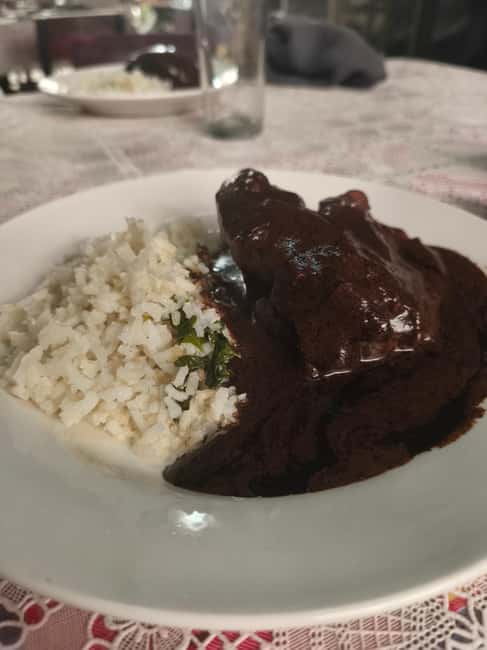
- Lunch is mole: choose yellow, green, black, or coloradito
- How much food is involved, and how to plan your appetite
- Price and value: what you pay for at $116 per person
- Language, accessibility, and pacing
- Dietary restrictions and customizing what you want to learn
- Who this Oaxaca cooking class is best for
- Should you book this Oaxaca cooking class?
- FAQ
- How long is the Oaxaca traditional cooking class?
- Where do I meet for the cooking class?
- What’s included in the price?
- Do I need cooking experience?
- Can the class accommodate allergies or dietary restrictions?
- What languages are offered?
Key things that make this Oaxaca cooking class worth your time
- Local market shopping for the freshest ingredients you’ll actually cook with
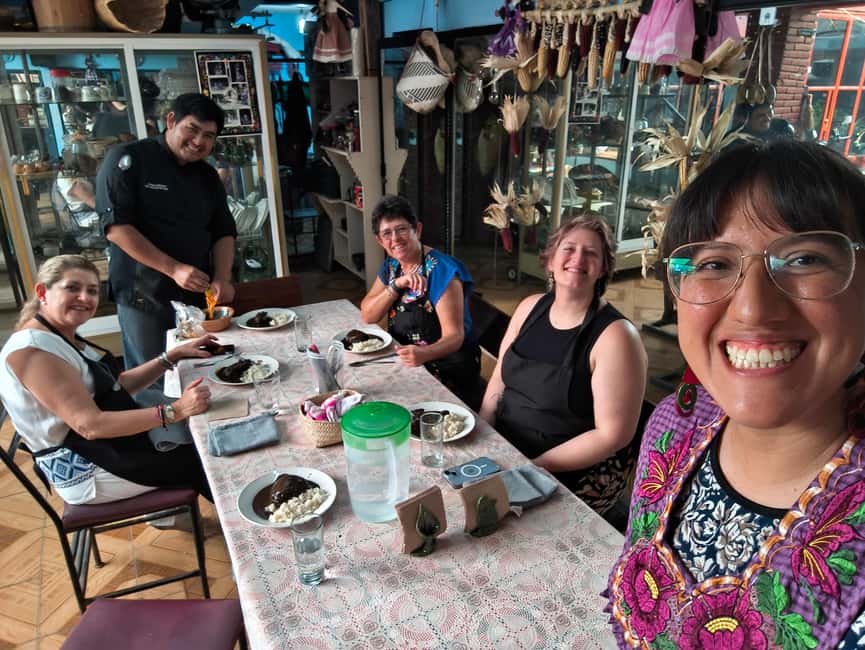
- Small group size (max 6) so you get hands-on guidance at each station
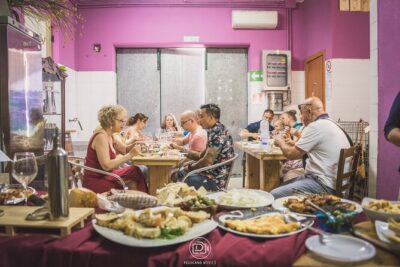
- Breakfast you make yourself, including tortillas, memelitas, tetelas, empanadas, and molcajete sauces
- Mole lunch options like yellow mole, green mole, black mole, or coloradito
- Ingredient history and flavor logic, plus how substitutions work when you can’t find something
Oaxaca’s most practical souvenir: know-how for Oaxacan mole
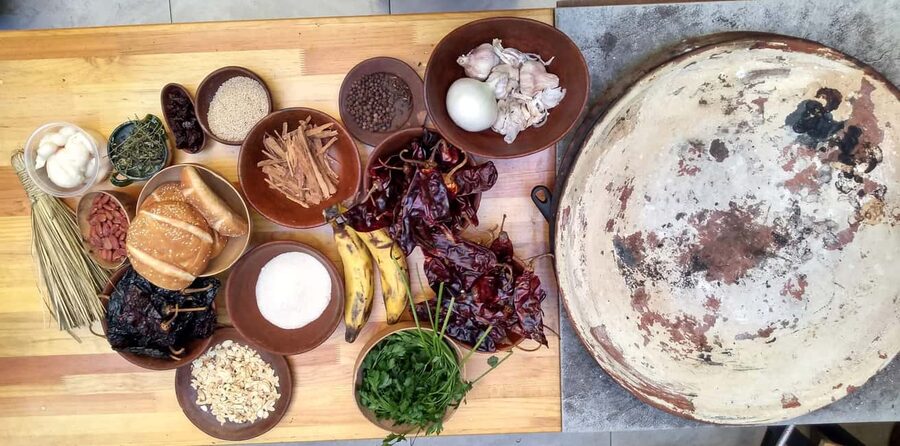
If you want Oaxaca food knowledge you can use after your trip, this kind of cooking class beats the usual hands-off tour. You’ll start downtown, shop in a local market, then move to a village kitchen where you prepare breakfast and a mole-based lunch as a team. It’s not just about tasting mole; it’s about understanding the pieces that make it taste like mole.
I also like that the class treats cuisine as culture, not just recipes. The instruction is set up to explain flavors, techniques, and the traditions behind the ingredients you’re working with. You’re learning a system, not memorizing a list.
You can also read our reviews of more tours and experiences in Oaxaca De Juarez.
Meeting downtown and getting to the village kitchen (about 20 minutes)
The day starts with a meet-up in downtown Oaxaca. When you enter the building, you can ask at the reception desk for the cooking class. After that, transportation takes you from downtown to the market, then onward to the house in the village area (about 20 minutes from downtown), and back again afterward.
That transportation matters more than it sounds. A lot of cooking experiences assume you’ll navigate half the city on your own. Here, the schedule stays smooth so you can focus on cooking, not logistics.
Market time: the ingredients you’ll learn to recognize
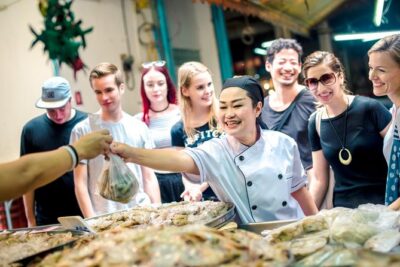
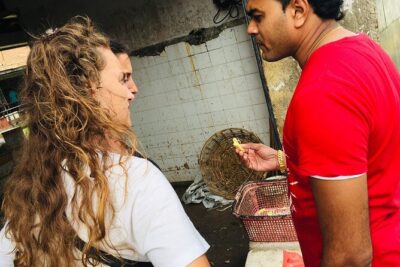
A big part of the value happens before the stove ever gets hot. You’ll go to a super local market together and shop for ingredients as a group. This is where you start seeing how Oaxacan cooking gets built: you pick ingredients you can actually source, and then you learn what they do in the final dish.
You’ll also get ingredient context while you shop. The class talks about the history of ingredients and how availability shapes recipes across regions. Even if you only remember a few ingredient facts, it makes your future mole attempts make more sense.
Chocolate and bread to begin: warming up the senses
Before the main breakfast work starts, you begin with chocolate and bread. It’s a calm, doable start, and it sets expectations for the day’s tempo. Plus, chocolate in Oaxaca is its own topic—so starting here helps you notice flavors later in the meal.
This is also one of those moments that helps the class feel hands-on right away. You’re not waiting until lunch to participate. The day is designed so you get momentum early.
Your Oaxacan breakfast station: tortillas, memelitas, tetelas, empanadas
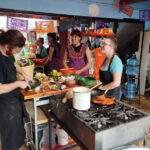
Now comes the main breakfast block, and it’s where the class feels most “you’re cooking, not watching.” You’ll prepare multiple items, including tortillas, memelitas, tetelas, and empanadas. Along the way, you’re taught technique as you go, so you can feel the steps rather than just hear about them.
In real terms, this means you get practice with classic hands-on skills. You’ll learn how these items come together—from rolling or shaping to cooking them using traditional methods on the cooking surface (like the comal style of cooking that’s common in this food world). You’re also guided through process details like how to work with dough and how to handle fillings.
Molcajete sauces: three flavors, made with real technique
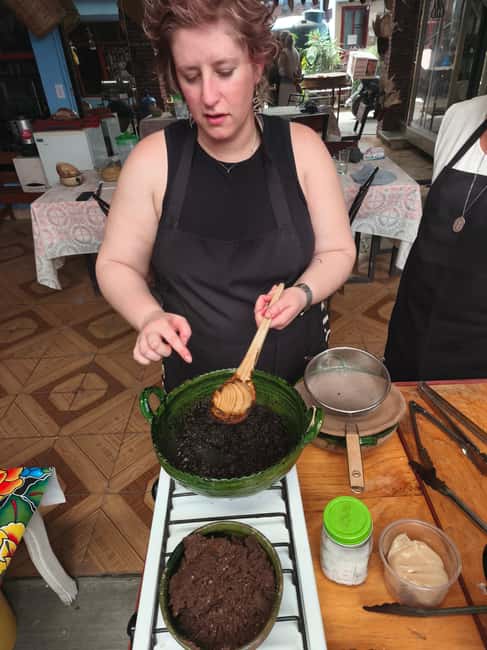
Breakfast isn’t just carbs and fillings. It includes three traditional molcajete sauces, and this part is a standout because it’s physical. A molcajete isn’t a gimmick; it changes texture and flavor through stone-ground grinding.
The class explains the flavors and traditions tied to the sauces as you make them. I like this approach because it turns the sauce from “spicy thing on the side” into something you can break down. You learn what makes each sauce taste the way it does.
Also, you’re eating breakfast together soon after you cook it, so the skills don’t float off into theory. You taste what you made while the details are still fresh.
Culture talk that actually connects to what you’re eating
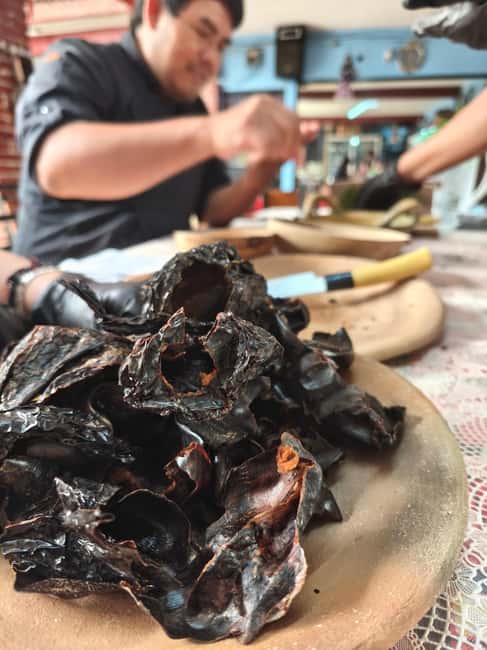
Between cooking rounds, you’ll talk about Oaxacan culture and the history of the cuisine. I find this kind of context works best when it’s tied to what your hands are doing. Here, the discussion is built around ingredients and recipes, so it stays grounded.
You’ll hear about how names and flavors connect—why certain dishes are called what they’re called, and what’s behind the differences you taste. The class also makes room for questions since the group is small.
Lunch is mole: choose yellow, green, black, or coloradito
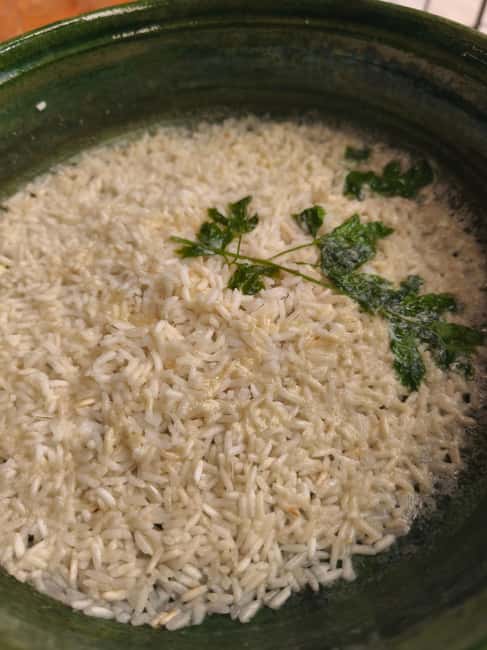
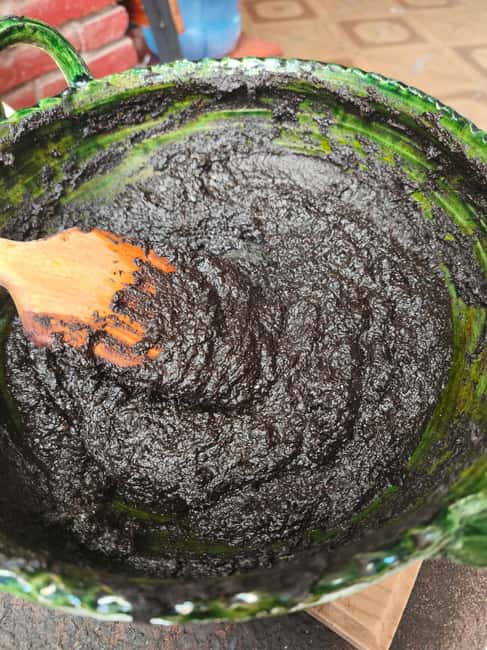
After breakfast, you head into lunch, and the options are the classic mole lineup. You’ll prepare one (or learn through options) among yellow mole, green mole, black mole, or coloradito. If you want a specific dish, you can tell them beforehand and they’ll try to accommodate.
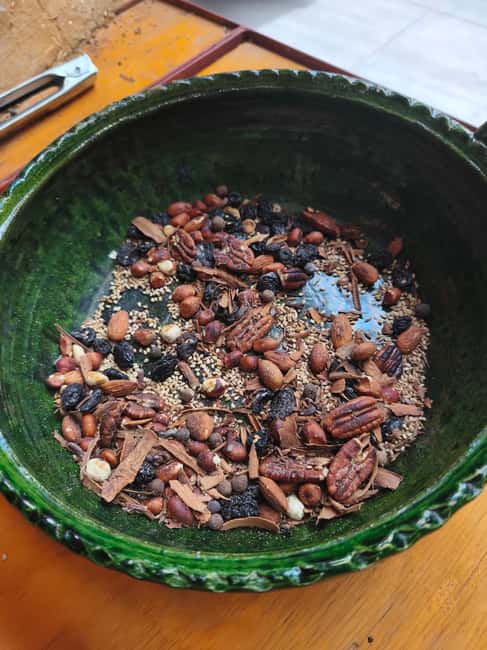
Mole cooking is where the class earns its title. You’ll learn about differences in taste and naming, and you’ll also learn what to do when ingredients aren’t available. That substitution lesson is practical for real life—especially if you’ve lived somewhere where mole ingredients don’t show up in your normal grocery run.
You also get guided instruction on flavors and how to adjust as you cook. Even if you don’t leave with a perfect mole memory, you’ll leave with a better instinct for balance.
How much food is involved, and how to plan your appetite
This is not a tiny tasting course. The format is built for cooking and eating a lot during the same 5-hour window. Many people like it because the quantity and quality are both high, and you don’t feel rushed through taste.
One practical note: if you need breakfast beforehand, keep it light. The schedule is designed so you’ll have plenty of food to taste during the class.
Also remember this is a hands-on cooking day. You’ll be on your feet and moving around while you prepare items. Bring comfortable shoes and plan for a meal-heavy afternoon.
Price and value: what you pay for at $116 per person
At $116 per person for about 5 hours, this isn’t a bargain class in the cheapest sense. But it’s also not overpriced for what you get.
Here’s what you’re paying for, value-wise:
- Hands-on instruction for multiple dishes (breakfast + mole lunch)
- Fresh ingredients and kitchen equipment
- Transportation from downtown to the market, to the house, and back
- A small group limited to 6, which means more direct attention while you cook
- Food and drinks included, so you’re not buying your way through the meal
In other words, your money goes into labor and ingredients, not into a big bus or a long wandering tour. For food-focused travelers, that’s usually the best kind of value.
Language, accessibility, and pacing
The instructor works in English and Spanish, which is helpful if you want to understand the meaning behind the food, not just the steps. The class content is also presented in some original language at times, which you might notice if you follow along closely.
The experience is also wheelchair accessible, which is great to see for a cooking format that usually involves uneven steps or tight spaces. And because the group is small, pacing stays manageable—you get help when you need it, and you don’t get stuck waiting for the lesson to catch up.
Dietary restrictions and customizing what you want to learn
If you have allergies or dietary restrictions, tell the hosts ahead of time so they can adjust ingredients. That matters in mole, where ingredients and spices are part of how the flavor structure works.
You can also ask for a specific dish in advance. The class is set up to be flexible—so if there’s a mole or breakfast item you most want to learn, it’s worth requesting early.
Who this Oaxaca cooking class is best for
I think this fits best if you:
- want an Oaxaca market + cooking combo instead of a kitchen-only lesson
- care about mole basics and substitutions, not just one finished plate
- prefer a small group where you actually get to do the work
- enjoy food history and ingredient logic tied to what you’re cooking
It’s also a great option if you don’t have culinary skills. You don’t need experience—just curiosity and willingness to try the steps.
Should you book this Oaxaca cooking class?
If your trip includes Oaxaca and you’re choosing between a general food tour and a real cooking day, this is one of the better calls. The market stop plus breakfast cooking plus mole lunch gives you a full experience that’s practical, not just scenic. You’ll leave with a clear understanding of what mole tastes like and why, and with techniques you can repeat later.
If the idea of grinding sauces in a molcajete and building multiple dishes sounds fun, book it. If you know you’ll be very full for breakfast, plan to keep that morning meal light. And if your schedule is tight, you can reserve now and pay later, with free cancellation up to 24 hours in advance.
FAQ
How long is the Oaxaca traditional cooking class?
The experience lasts 5 hours.
Where do I meet for the cooking class?
Meet downtown Oaxaca. When you enter, ask at the reception desk for the cooking class.
What’s included in the price?
Transportation from downtown to the market and the house and back is included, along with fresh ingredients, kitchen equipment, and food and drinks during the experience.
Do I need cooking experience?
No. You don’t need any culinary skills—just a desire to learn Oaxacan food culture.
Can the class accommodate allergies or dietary restrictions?
Yes. If you have allergies or dietary restrictions, you should let them know so they can adjust the ingredients.
What languages are offered?
The instructor teaches in English and Spanish.