REVIEW · OAXACA DE JUAREZ
Oaxaca: Traditional Oaxacan Food Cooking Class
Book on GetYourGuide →Operated by Oaxaca by locals · Bookable on GetYourGuide
Oaxaca food is old, patient, and full of character, and this class puts you right in the middle of it at Etla’s traditional market. I love that you don’t just watch from the sidelines—you pick ingredients, learn techniques, then cook traditional dishes with a host who passes recipes down through generations.
Two things I really liked: the small group setup (max 6) that makes it feel personal, and the way you eat while hearing regional stories connected to what you’re making. One possible drawback to plan for: you will taste local ingredients and dishes, so if you have food restrictions or health issues, take that seriously before you book.
In This Review
- What makes this class special
- Oaxaca’s Food Stories Start at the Market
- Etla Traditional Market: Pick Ingredients Like You Mean It
- Meeting Tita: Mixe Roots, Kitchen Confidence
- The Hands-On Oaxaca Menu (and What You’ll Actually Learn)
- Memelitas de chapulines
- Memelitas de huitlacoche
- Egg memelitas with hierba santa
- Empanadas
- Mole
- Chocolate de agua
- Mezcal
- Yolk bread
- Fresh flavored water
- Eating While the Legends Get Told
- Group Size, Timing, and How to Plan Your Day
- Price and Value: Why $116 Can Feel Worth It
- Language: Spanish and English, Without the Confusion
- Who This Oaxaca Class Suits Best
- Should You Book This Cooking Class?
- FAQ
- How long is the Oaxaca traditional food cooking class?
- Where does the class start?
- How many people are in the group?
- What languages are offered?
- What dishes are included in the menu?
- Who leads the cooking class?
- Is this class only for people who eat everything?
- Is it possible to get a refund if plans change?
- Can I book without paying today?
What makes this class special
- Etla market sourcing: you gather ingredients where locals actually shop
- Hands-on cooking with a traditional cook: led by a Mixe-origin host, Tita
- A full Oaxaca menu: memelitas, empanadas, mole, chocolate de agua, mezcal, and more
- Food plus storytelling: legends and tales shared in Mixe language and translated
- Maximum 6 people: you’re not stuck sharing one stove with a crowd
Oaxaca’s Food Stories Start at the Market
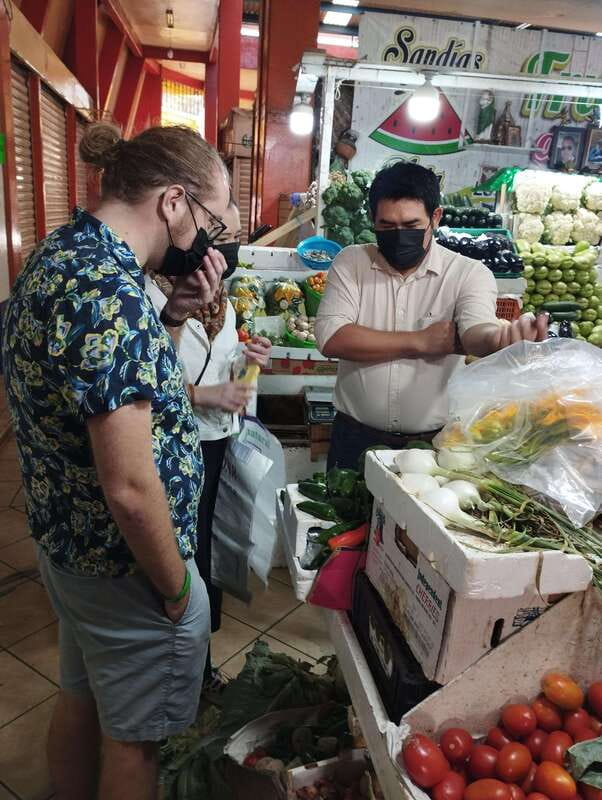
This cooking class starts the way great Oaxaca experiences do: with ingredients first. You’ll head to Etla’s traditional market, where the smells, colors, and common-sense routines tell you how deeply food is woven into daily life here. Instead of getting handed a recipe card and a set of instructions, you get to see and choose what goes into the dishes—corn, chilies, seeds, cocoa, herbs, and more.
That matters, because Oaxaca cuisine isn’t just about one spicy sauce. It’s about balance: bitter with sweet, smoky with herbal, toasted seeds with roasted chile. Watching and tasting the raw materials helps you understand why the finished dishes taste the way they do.
And once you’ve bought what you need, you go from buyer mode to cook mode quickly. The class is built for momentum, so you’ll spend your time learning real techniques, not waiting around for someone else to do all the work.
You can also read our reviews of more tours and experiences in Oaxaca De Juarez.
Etla Traditional Market: Pick Ingredients Like You Mean It
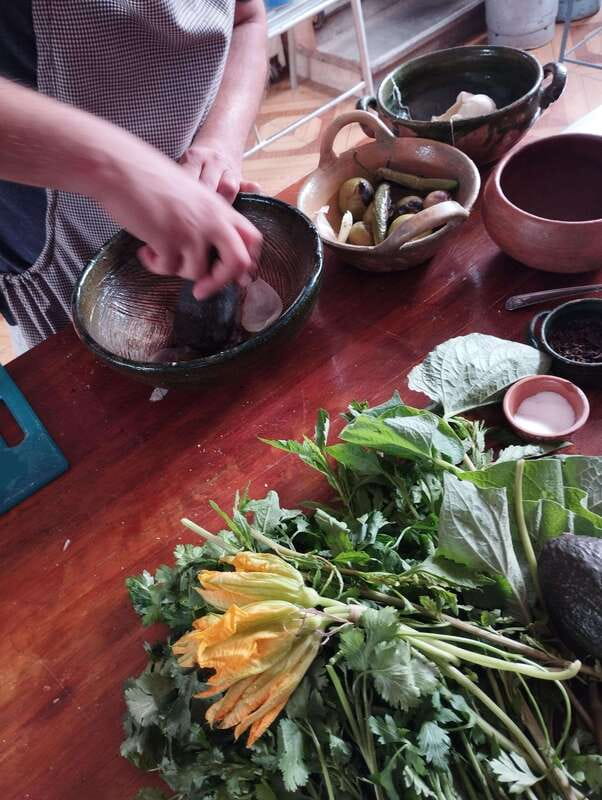
The Etla stop is more than a photo opportunity. It’s where you practice the first skill of cooking Oaxacan food: choosing what’s right. You’ll obtain the ingredients needed for the traditional recipes you’ll prepare, including staples like corn and chile and the key flavor players like seeds, cocoa, and herbs.
Here’s what I’d pay attention to during your market time:
- Ask how each ingredient contributes to the dish. Even simple items like chile aren’t just heat—they can bring fruitiness, smoke, or bitterness depending on how they’re used.
- Notice the herbs. In Oaxaca, herbs show up in flavors that feel layered rather than one-note.
- Watch for how products are handled. Market style matters, and it affects texture once you cook.
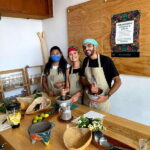
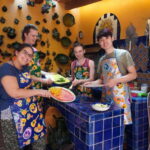
Because this is a small group (limited to 6), you’re more likely to get time to ask questions. I also like that the cooking doesn’t feel like a canned demonstration. You build the menu with the ingredients you selected.
Meeting Tita: Mixe Roots, Kitchen Confidence
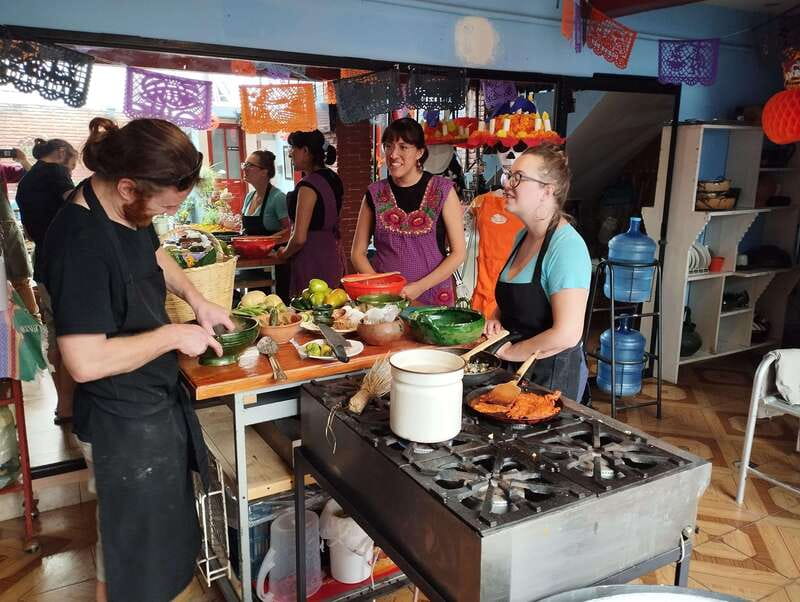
The cooking is led by Tita, a traditional cook of Mixe origin with recipes from previous generations. That background is a big part of why this class doesn’t feel like a generic cooking tour.
You’re not only learning how to make dishes—you’re learning why specific choices matter. In Oaxaca kitchens, technique often carries local knowledge: how corn dough should behave, how chile is treated, and how to coax depth from seeds and cocoa.
I also appreciated the warmth from previous hosts I’ve seen referenced for this experience. For example, Hector has been described as an excellent host and teacher, making people feel like friends around a table. In other sessions, the class has been led by Aurora and Keri, who come from a family of bakers—another signal that the instruction is grounded in real home-style practice, not just a script.
The Hands-On Oaxaca Menu (and What You’ll Actually Learn)
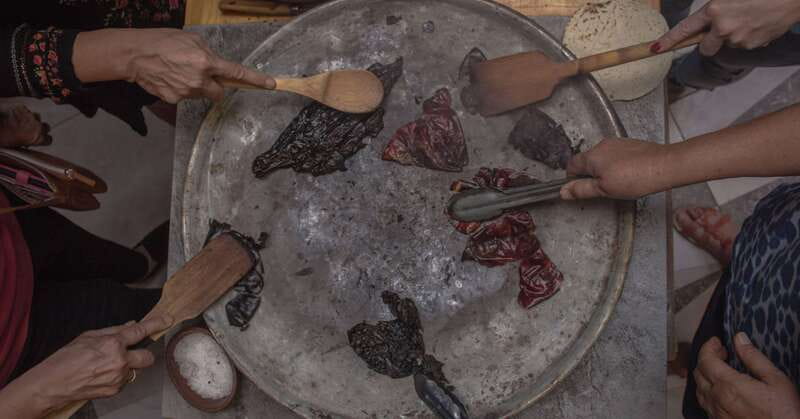
You’ll prepare a full traditional menu centered on corn, chilies, seeds, cocoa, and herbs. Expect classic favorites and smart regional combinations.
Memelitas de chapulines
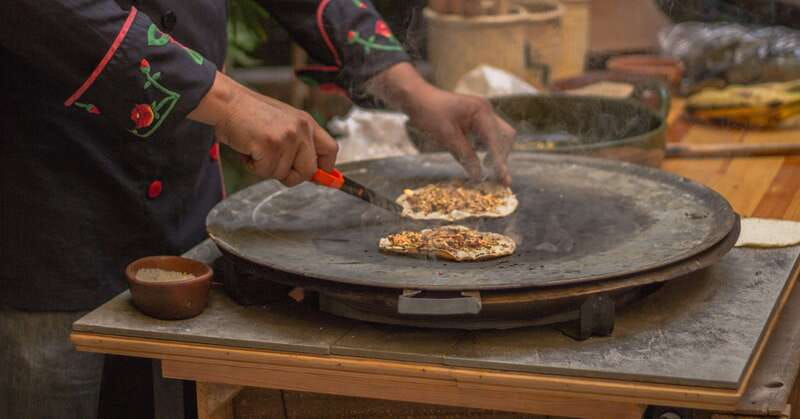
Chapulines are grasshoppers, and in Oaxaca they’re treated like a normal ingredient—roasted and seasoned until they’re nutty and savory instead of weird. Making memelitas with chapulines teaches you how toasted flavors work with corn and chile. You’ll see how texture changes when ingredients are cooked and mixed rather than sprinkled raw.
Memelitas de huitlacoche
Huitlacoche is corn smut, prized for its earthy, slightly smoky flavor. If you’ve never cooked with it, this is a great lesson in Oaxaca’s ability to turn something unusual into something beloved. You’ll learn how to build flavor so it doesn’t taste muddy—think seasoning and proper cooking.
Egg memelitas with hierba santa
Hierba santa is one of those herbs that can feel mysterious at first, but it adds a bright, aromatic lift. Pairing it with egg is a practical lesson: how to balance richness with green herbal notes. It’s the kind of dish that helps you understand Oaxaca cooking as layered, not just spicy.
Empanadas
Empanadas might sound familiar, but in this setting they’re part of the broader corn-and-chile story. You’ll get hands-on practice with dough and filling, which is the skill that helps you recreate the vibe later at home.
Mole
Mole is the headliner in the best way: complicated flavors that still feel structured. You’ll learn how mole comes together using the same core ingredients Oaxaca is known for—like chilies, seeds, cocoa, and aromatics.
In at least one version of this class, Mole Negro has been an option. If that’s on the menu when you go, it’s worth leaning in. Mole Negro has a deep, dark profile that really shows what happens when chocolate-like notes meet toasted and roasted elements.
Chocolate de agua
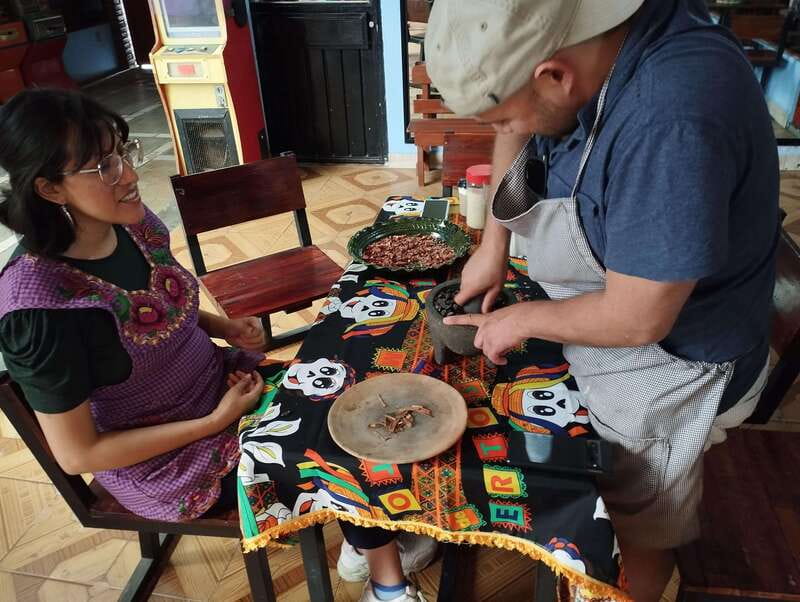
Chocolate de agua is not dessert-chocolate. It’s more like a drinking chocolate with a savory edge, often thick and aromatic, meant to pair with food. It’s a lesson in how Oaxaca uses cocoa differently from the rest of the world.
Mezcal
You’ll include mezcal as part of the experience. This is one of those moments where the class shifts from cooking lessons into cultural context—how spirits show up alongside meals.
Yolk bread
Yolk bread adds sweetness and richness without being heavy. It’s also a useful reminder that Oaxacan menus mix savory and sweet in the same sitting, and you don’t have to pick just one flavor mood.
Fresh flavored water
You’ll also have fresh flavored water. It’s a smart palate reset after chile, toasted spices, and mole.
Eating While the Legends Get Told
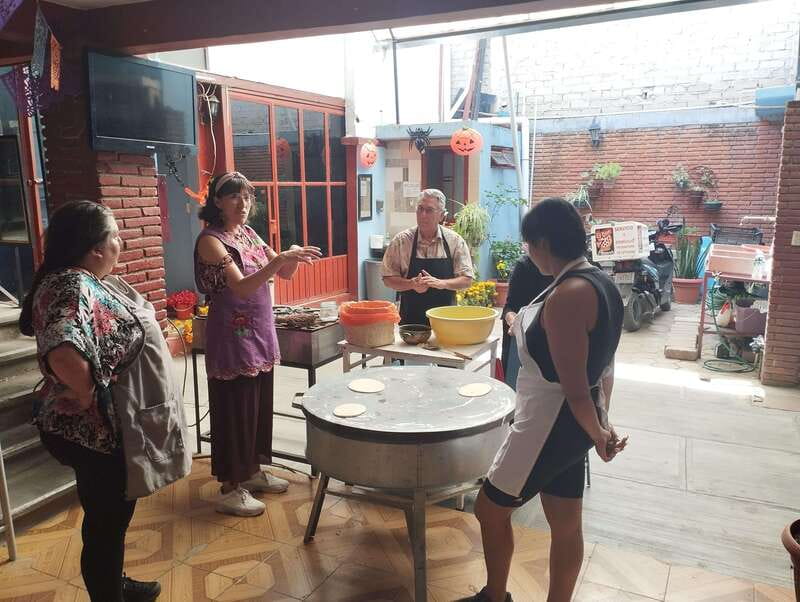
Here’s what makes this class feel different from a basic cooking workshop: the meal comes with stories. While you eat, you’ll hear legends, tales, or stories from Tita, shared in Mixe language and translated into English.
That storytelling component matters because it gives the food context. Instead of tasting something and thinking, Is this just spicy?, you get a sense of what the dish means—why it’s made, when people eat it, and how it fits into local life.
It also makes the meal slower, in a good way. You’re not just consuming food; you’re taking the time to understand what you’re tasting.
Group Size, Timing, and How to Plan Your Day
This experience runs 5 hours. It’s long enough to do real cooking and eat a proper meal, but not so long that it hijacks your whole day in Oaxaca.
The small group format (limited to 6) is a practical win:
- More hands-on work for you
- Easier communication with the host and guide
- Less waiting around at the stove
Also, because the group is capped, you might end up with fewer people than the maximum. In at least one instance described for this experience, the class became private with just four participants, which naturally means more attention and more chance to ask questions.
When to schedule it: if you’re trying to cover a lot of Oaxaca in one trip, this is still a solid anchor. Start early or mid-morning so you don’t end up hungry for other plans. You’ll return to the meeting point at the end, so you’re not stuck figuring out what’s next.
Price and Value: Why $116 Can Feel Worth It
At $116 per person, you’re paying for more than a recipe lesson. You’re paying for:
- Market time and ingredient selection in Etla
- Instruction from a traditional cook (Mixe origin, Tita)
- A full menu you cook and eat
- Cultural storytelling in Mixe language translated into English
- A small-group setup that reduces the “tour group kitchen” feel
Is it cheap? No. But it can be good value if you want depth. A typical cooking class might give you a handful of dishes and a partial meal. This one is built around a full Oaxaca lineup—from memelitas to mole to chocolate de agua—and it includes both drinks and a proper sit-down.
If you’re the type who likes food experiences that explain the why, this price makes more sense. If you’re just trying to get fed and don’t care about technique or context, you might wonder if it’s too pricey.
Language: Spanish and English, Without the Confusion
The live tour guide speaks Spanish and English. That’s important because you’ll be handling ingredients and learning steps in real time. When the explanation is clear, you don’t just leave with food—you leave knowing what to do next time.
A class like this can get confusing if translation is weak. Here, the guide support is part of what makes it work.
Who This Oaxaca Class Suits Best
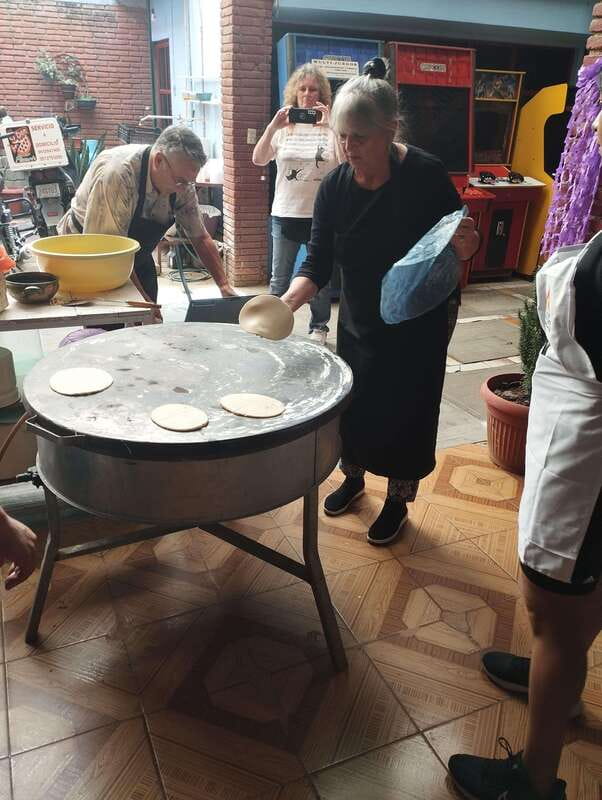
This is a strong fit if you:
- Want to learn traditional Oaxaca cooking with real technique, not just observe
- Like corn-based dishes, chilies, and mole
- Enjoy cultural context—stories and legends that connect directly to what you’re eating
- Prefer a small group setting where you can ask questions
It’s a weaker fit if you:
- Have health issues or food restrictions related to tasting local ingredients and dishes
- Don’t want to handle spicy or unfamiliar ingredients like chapulines or huitlacoche
Should You Book This Cooking Class?
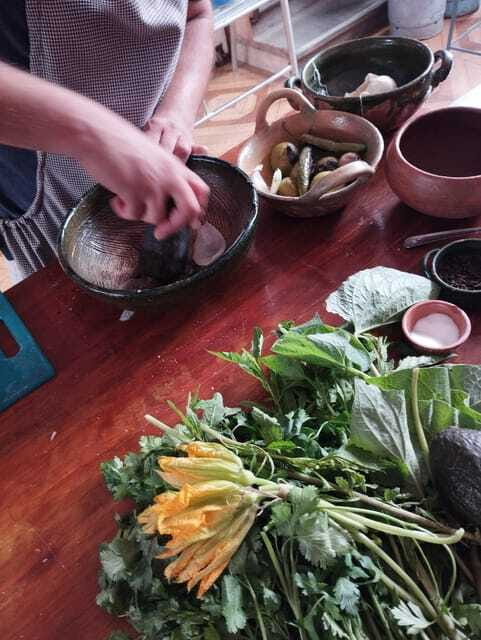
My take: book it if you want Oaxaca to taste like Oaxaca—plus the explanation that makes the flavors click. This isn’t just a one-time meal. It’s a guided food education built around market sourcing, hands-on cooking, and Mixe-linked storytelling.
Before you go, think through two things:
- Are you comfortable tasting local ingredients, including items that might be new to you?
- Do you enjoy learning the process, not just the outcome?
If you answer yes to both, you’re likely to come away full, informed, and proud that you can recreate at least part of what you cooked.
FAQ
How long is the Oaxaca traditional food cooking class?
The class lasts 5 hours.
Where does the class start?
You go to Etla traditional market to obtain the ingredients you’ll use, and at the end you return to the meeting point.
How many people are in the group?
It’s a small group limited to 6 participants.
What languages are offered?
The live tour guide provides Spanish and English.
What dishes are included in the menu?
The menu includes memelitas de chapulines, memelitas de huitlacoche, egg memelitas with hierba santa, empanadas, mole, chocolate de agua, mezcal, yolk bread, and fresh flavored water.
Who leads the cooking class?
A traditional cook, Tita, of Mixe origin leads the cooking and shares stories connected to the dishes.
Is this class only for people who eat everything?
You will taste local ingredients and dishes, so if you have health issues, you should consider that before booking.
Is it possible to get a refund if plans change?
Yes. You can cancel up to 24 hours in advance for a full refund.
Can I book without paying today?
Yes. You can reserve now and pay later.