REVIEW · OAXACA CITY
Oaxacan Vegetarian Cooking Class
Book on Viator →Operated by Etnofood Experiencias · Bookable on Viator
Your vegetarian Oaxaca trip starts with mole.
This cooking class pairs a walk through the Merced neighborhood with hands-on prep for classic Oaxacan flavors. I especially like the market angle—seeing the ingredients up close—and the way Chef Victor Ramírez shares how Zapotec food traditions shape what you cook today. The meal feels tied to the city, not like a generic cooking demo.
One thing to consider: the kitchen setup is rustic, so you’ll be chopping, grinding, and getting involved. If you want super polished service or lots of recipe handouts at the end, ask what’s available upfront and come ready for a messy, real-cooking feel.
The full experience runs about 4 hours and is offered in English, with snacks and lunch included. You’ll be walking, tasting, and then cooking together as a private group—so it’s a great fit if you like hands-on travel days more than sitting and watching.
In This Review
- Quick Highlights
- Oaxaca City Starts at TeoLabXicoténcatl and Espacio Mezcal
- The Merced Neighborhood Walk: Churches, Parks, and Colorful Streets
- Market Time and Ingredient Sourcing: Organic Producers and a Neighborhood Mercado
- What Happens at the Kitchen: A Private Group Cooking Setup
- The Food You’ll Cook: Vegetarian Oaxacan Classics Like Mole, Salsas, and Tortillas
- Tastings, Snacks, and Drinks While You Learn
- Sharing the Meal and the Mother Earth Moment
- Price and Value: Is $70.72 Worth It?
- Who Should Book This Oaxaca Vegetarian Class (and Who Might Skip It)
- A Few Practical Tips Before You Go
- Should You Book This Cooking Class?
- FAQ
- How long is the Oaxaca vegetarian cooking class?
- Is the class offered in English?
- What food and drinks are included?
- Where do we meet and where does it end?
- Is it a private tour?
- What happens if the weather is bad?
- Can I get a refund if I cancel?
Quick Highlights
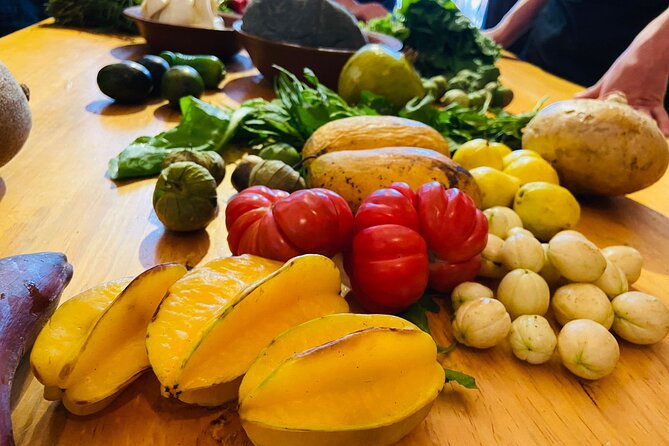
- Market-to-stove flow: buy ingredients together and cook what you just found.
- Local ingredient education: produce producers plus neighborhood market stops for tastings.
- Hands-on Oaxacan techniques: work with tortillas/masa, salsas, and mole components.
- Chef storytelling while you cook: Victor Ramírez (and other instructors) explain culture through food.
- Rustic kitchen, big results: even with basic facilities, the food comes out impressive.
Oaxaca City Starts at TeoLabXicoténcatl and Espacio Mezcal
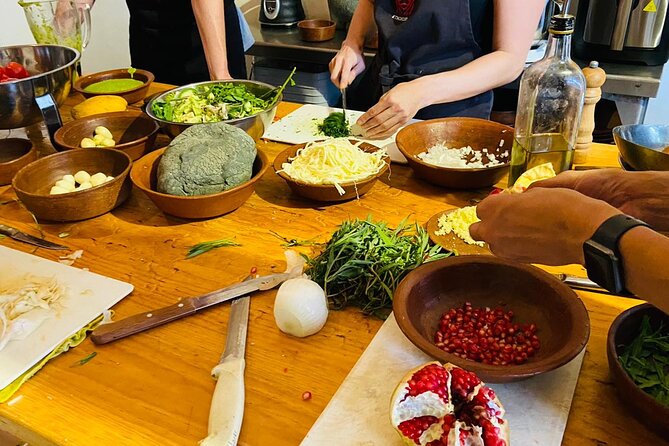
Your day kicks off at TeoLabXicoténcatl 609, Centro, Oaxaca de Juárez, right in the historic center area. From there, you roll into the experience with a sense of motion—walk first, cook second. The first official stop is Espacio Mezcal, which sets the tone: this isn’t just about eating; it’s about Oaxaca’s ingredients and traditions.
Expect a relaxed pace, but it’s not slow. You’ll be on your feet for a good chunk of the time, and you’ll get moving faster as soon as the kitchen work begins. Since the class is about 4 hours, you’ll want comfortable shoes and a light layer you can stand and walk in.
If you’re traveling in English, that’s handled here. The experience is offered in English, and guides tend to explain food and technique in a way that works for non-Spanish speakers, too.
You can also read our reviews of more tours and experiences in Oaxaca City.

The Merced Neighborhood Walk: Churches, Parks, and Colorful Streets
A big part of the charm is the neighborhood stroll. You’ll head through a traditional area of Oaxaca City, including the Merced zone, passing churches and parks along the way. The route is built for walking: you get small views often missed when you just hop between major sights.
You’ll also notice the housing palette—pink, green, and yellow quarry-stone facades show up in the streetscape. That matters because it changes how you remember the day. You’re not just cooking later; you’re tying the flavors to the place where you collected them.
You’ll even be given the classic Oaxaca-style kitchen gear, including a chiquigüite and mandil. It’s a small detail, but it helps you step into the role of someone cooking the local way, not just a visitor hovering over a cutting board.
One practical note: the day is weather-dependent. If conditions aren’t good, plans may shift to keep everything safe and comfortable.
Market Time and Ingredient Sourcing: Organic Producers and a Neighborhood Mercado
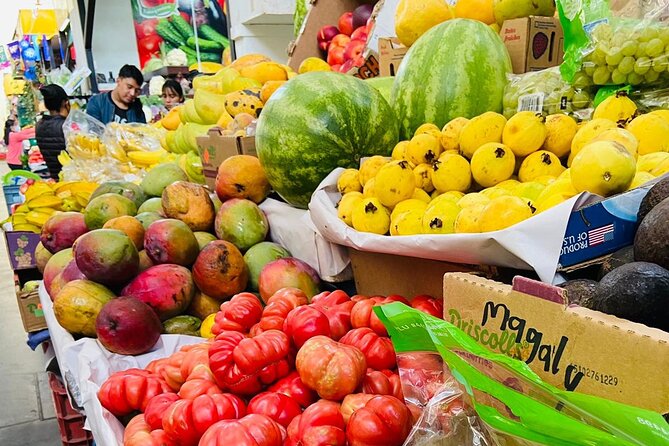
Midway through the walk, the experience turns into a food hunt. You meet producers of fresh organic vegetables and vegetables grown and harvested from a town near the city, with the produce coming in the morning. This is where the class earns its value: you learn what ingredients actually look like when they’re fresh and in-season, not only what they’re called on a menu.
Then you visit producers in the neighborhood market, where you can taste snacks and buy supplies for your vegetarian Oaxaca cooking. The class is set up so you’re not just observing. You’re tasting, choosing, and learning how ingredients behave once they’re cooked with mole, herbs, and masa.
In the market, you may run into staples like Oaxacan cheese (quesillo). Some sessions also include adventurous tastings—like crickets—as a cultural food practice. The good news: this is still a vegetarian cooking class, but if you’re strictly avoiding anything non-vegetarian in any form, you should ask ahead of time how tastings are handled.
Also, build in time for photos. The market walk moves, and the best ingredient moments are quick.
What Happens at the Kitchen: A Private Group Cooking Setup
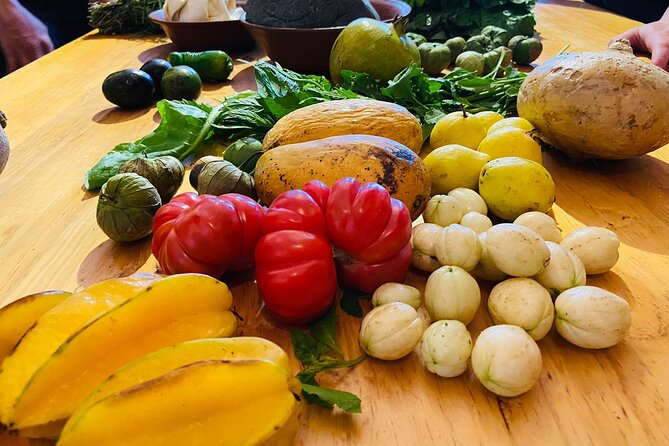
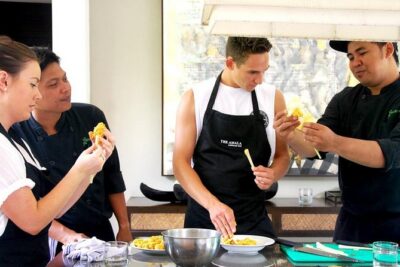
After the walking and shopping, you return to the starting area to cook. The class uses a traditional-style stove and hands-on kitchen tools. You’ll get the info for the menu, then you’ll work through the meal components fresh, not from pre-made shortcuts.
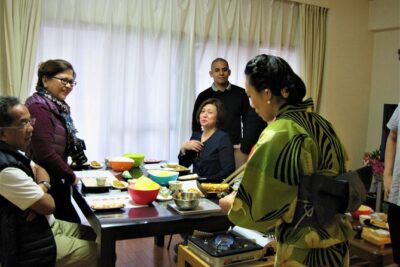
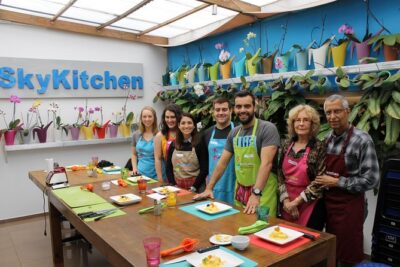
The cooking format is a team effort. In some groups, everyone chops or prep-batches different parts, and the chef coordinates so a complex meal still comes out on time. Group size can vary, with real-world sessions running from small groups up to around 20 people, so don’t expect total one-on-one attention—but do expect clear direction.
One reason many people rate this class so highly: the guidance feels organized. Chef-teachers like Victor Ramírez are known for stories that make food make sense, while the crew keeps tasks flowing so the kitchen doesn’t turn into chaos.
You’ll also get support from the team on technique. A common theme in good sessions is that each person has a defined job—chopping vegetables, prepping masa/tortilla components, making salsas, stirring sauces, or assembling plates.
The Food You’ll Cook: Vegetarian Oaxacan Classics Like Mole, Salsas, and Tortillas
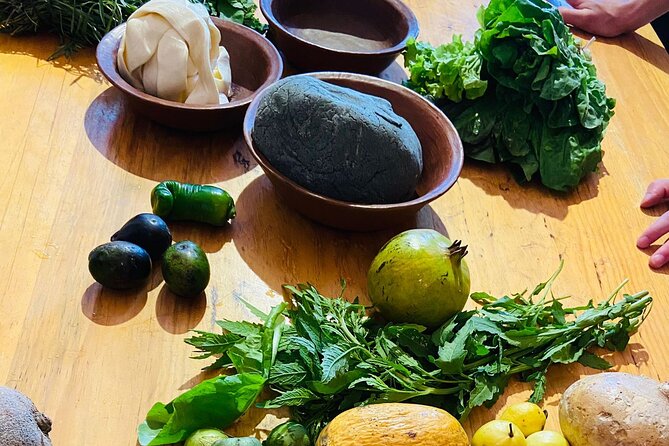
Even when menus vary a bit session to session, you can expect a vegetarian meal built around Oaxacan staples and techniques. The sample structure includes a salad, a traditional Oaxacan main dish (often something cooked to share), and dessert.
From the dishes people have made in past classes, the “core hits” often include:
- Mole (sometimes a festive mole): thick, spice-and-seed layered flavor with a deep base. Nuts, cinnamon, sesame seeds, chiles, and chocolate can show up depending on the batch and variation.
- Salsas: you might make a fresh salsa and a roasted version, and you may work with tools like a molcajete (stone mortar) to build flavor the traditional way.
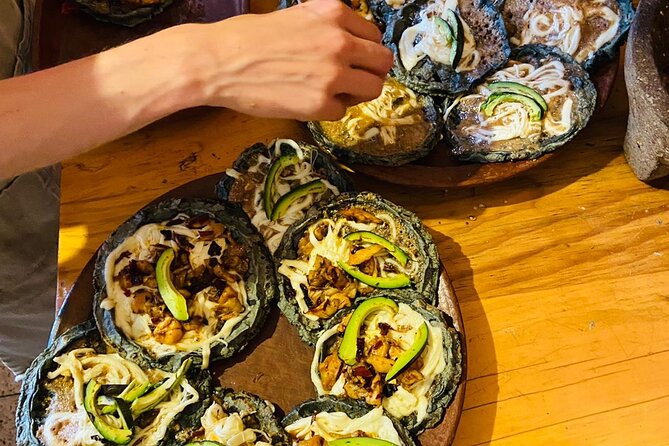
- Tortillas and masa work: tasks can include preparing tortilla dough, pressing/handling masa, and building quesadillas or similar tortilla-based items.
- Vegetable sides with Oaxacan flair: you might see items like nopal (cactus), zucchini, sautéed vegetables, and herb-forward flavors such as epazote.
- Rice and other supportive components: herbs and Oaxacan seasoning show up here too.
Some classes also include dishes like memelas or empanada-style items, depending on group and timing. If you love the idea of learning multiple techniques in one sitting—rather than just cooking one dish—this structure is a good match.
The vegetarian angle is handled thoughtfully. Traditional Zapotec cooking often leaned on plant-based ingredients, with meat saved for special celebratory meals in some contexts. Here, the focus stays on vegetables, herbs, mole depth, and masa comfort.
Tastings, Snacks, and Drinks While You Learn
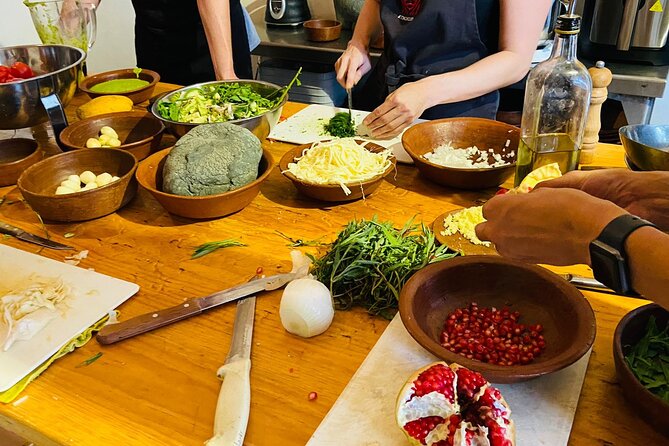
This isn’t a dry classroom experience. You’ll have snacks and bottled water throughout, and alcoholic beverages are included as part of the experience. That sounds like a small point until you realize it changes the vibe: you’re walking and tasting, then you’re cooking—so having drinks makes the day feel social rather than rigid.
You may also taste items in the market, like cheese (quesillo) or other local produce. These tastings help you understand what you’ll later combine on your plate.
If you’re sensitive to alcohol, you’ll still be able to enjoy the market and cooking without needing to drink. The included drinks are there, not required.
Sharing the Meal and the Mother Earth Moment
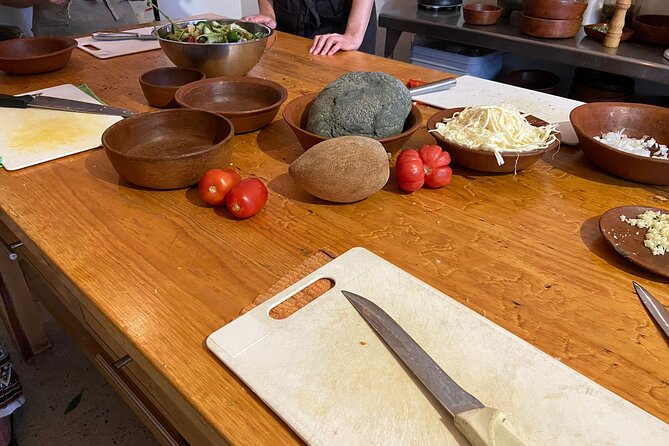
Once everything is cooked, you sit down and share what you made. Some sessions include a moment of thanks that ties the meal to Mother Earth and everyone present. It’s brief, but it turns the food into something communal rather than transactional.
Portions tend to be generous. Many people describe it as a full lunch—often the best meal of the trip because you helped build it. You’re not just eating well; you’re eating with context.
And yes, you’ll likely leave with that feeling of wanting to replicate mole and salsas at home, even if your first attempt takes two extra hours and you overtoast one spice. That’s normal. The point is you’ll now know how the flavor layers start.
Price and Value: Is $70.72 Worth It?
At $70.72 per person for about 4 hours, this class competes with other food experiences in Oaxaca, but it stands closer to a “full meal + full learning day” than a quick tasting.
Here’s what you’re really paying for:
- Ingredient sourcing time: you’re not eating pre-selected items; you’re buying and tasting what you’ll cook.
- Hands-on labor: you chop, grind, assemble, and cook—so the meal feels earned.
- Chef instruction plus culture talk: guides like Victor Ramírez (and other instructors) connect techniques to Oaxaca’s food culture.
- All the meal pieces included: snacks, lunch, drinks, plus cooking materials and kitchen equipment.
If you’re the type who enjoys markets and learning cooking techniques, the value is strong. If you only want to eat, or you dislike walking, you might feel like you paid mostly for movement. In that case, pick a different food experience and save your energy.
Who Should Book This Oaxaca Vegetarian Class (and Who Might Skip It)
Book this if you want:
- A vegetarian-focused Oaxacan meal with real technique and multiple components.
- A day that mixes walking + market + cooking instead of a sit-down meal.
- Clear guidance and a chef who explains the why behind the flavors.
- A group atmosphere where you cook together in a team.
You might skip it (or ask extra questions first) if:
- You need a spotless, high-end kitchen environment. It’s more rustic than fancy.
- You’re expecting a strict recipe packet at the end without needing to access it digitally. Some sessions provide recipe info via QR codes or allow photos, but feedback has also mentioned missing promised recipes in rare cases.
- You require absolute avoidance of any non-vegetarian items in tastings. The cooking is vegetarian, but some cultural tastings may include other items.
A Few Practical Tips Before You Go
- Bring a phone with a full battery if you want to save recipes or photos from the class.
- Wear shoes that handle uneven floors and walking time through neighborhoods and markets.
- Come hungry. This is a full meal day, not a light snack event.
- If you have a food allergy, message ahead. In at least one case, the team adjusted the menu for an allergy.
Should You Book This Cooking Class?
I think you should book it if you want a hands-on Oaxaca day with strong local ingredients and a meal that tastes like it belongs here. The market sourcing, the multiple cooking components, and the chef-guided storytelling are the big wins, especially if you love learning by doing.
I wouldn’t book it as your only “easy day” in Oaxaca. It’s active. If you’re ready for walking, prep work, and a rustic kitchen reality, this class can be one of your most memorable meals in the city.
FAQ
How long is the Oaxaca vegetarian cooking class?
It runs about 4 hours (approx.).
Is the class offered in English?
Yes, it’s offered in English.
What food and drinks are included?
You get snacks, alcoholic beverages, bottled water, and lunch, plus cooking materials and kitchen equipment.
Where do we meet and where does it end?
You meet at TeoLabXicoténcatl 609, Centro, 68000 Oaxaca de Juárez, Oax., Mexico, and it ends back at the meeting point.
Is it a private tour?
Yes. It’s a private tour/activity, so only your group participates.
What happens if the weather is bad?
This experience requires good weather. If it’s canceled due to poor weather, you’ll be offered a different date or a full refund.
Can I get a refund if I cancel?
Free cancellation is available. You can cancel up to 24 hours in advance for a full refund, based on the experience’s local time. If you cancel less than 24 hours before the start time, the amount you paid won’t be refunded.