REVIEW · OSAKA
Osaka Cooking Class: Okonomiyaki &Japanese cuisines experience
Book on Viator →Operated by Cooking Class YAYO · Bookable on Viator
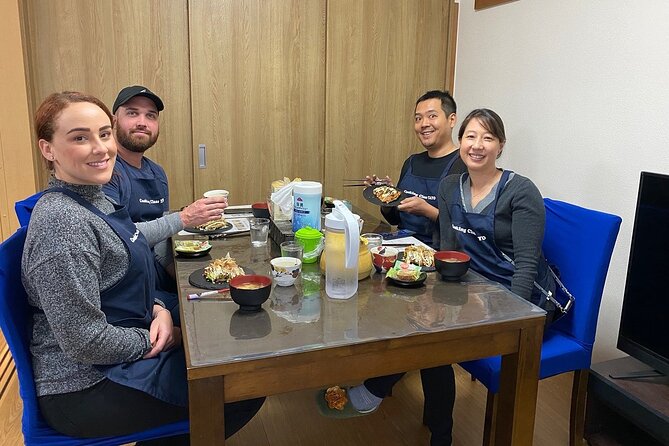
You cook, you eat, you go home satisfied. This Osaka experience is a small-group lesson in Yayo-san’s home kitchen, where you get hands-on coaching as you make classic dishes from scratch. I especially like the personal attention (even in a group) and how much food you end up eating. One consideration: it’s held in a private studio/apartment setting, so you’ll want to arrive on time.
What makes it fun is the mix of technique and comfort. You learn how to build flavor for okonomiyaki and takoyaki, and you finish with taiyaki and matcha tea. You also have the option to add a sake and beer pairing if you want the full Osaka-food vibe.
The class runs about 2.5 hours and caps at eight participants. You’ll meet outside Noda Station, then move to the kitchen where you’ll cook, sit down, and eat what you make.
In This Review
- Key Highlights You’ll Actually Care About
- Why This Osaka Cooking Class Feels Like You’re Doing It for Real
- Meet Yayo in a Local Home Kitchen (Not a Warehouse Classroom)
- The Menu: Miso Soup, Takoyaki, Okonomiyaki, and the Stuff That Makes Osaka Food Click
- Starting With Miso Soup: Where Technique Actually Matters
- Takoyaki: The Skills Behind the Crunchy-Soft Bite
- Okonomiyaki: Savory Pancake, Osaka Style, With Real Working Knowledge
- The Dish Bonus: Japanese Egg (Dashimaki Tamago / Tamago-maki)
- Finishing Touches: Taiyaki and Matcha Tea
- How the Class Helps You Cook Better at Home (Not Just Today)
- Optional Sake and Beer Pairing: When You Want the Full Osaka Experience
- Food Amount, Pace, and the One Thing to Plan For
- Price and Value: Is $104.13 Fair for What You Get?
- Who Should Book This Class (And Who Might Want to Pass)
- Practical Tips Before You Go
- Should You Book Osaka Cooking Class with Yayo?
- FAQ
- What dishes will I cook in this Osaka class?
- How long is the cooking class?
- How large is the group?
- Where do I meet the instructor?
- Is lunch or dinner included?
- Can I add a sake and beer pairing?
- Are vegetarian or pescatarian options available?
- What if I’m running late?
- Is this activity held in a public cooking school?
Key Highlights You’ll Actually Care About
- A small group (max 8) means you’re not stuck watching from the sidelines
- Hands-on instruction from Yayo-san in her home kitchen, with plenty of chances to ask questions
- A real dish lineup: miso soup, takoyaki, okonomiyaki, and more, then taiyaki and matcha tea
- Optional sake and beer pairing if you want to learn how drinks fit the meal
- You eat lunch or dinner right after cooking, plus the possibility of leaving very full
- Thoughtful take-home touches like gifts and printed instructions some days, based on past experiences
Why This Osaka Cooking Class Feels Like You’re Doing It for Real
Osaka food has a reputation for being fun first, fancy later. This class matches that energy. You aren’t just learning recipes on paper. You’re putting batter in pans, timing your cooking, and tasting as you go.
I like that Yayo-san teaches with the mindset of a home cook. She focuses on how small technique shifts change the outcome, especially with dishes like miso soup. It’s the kind of lesson that helps you understand Japanese cooking, not just copy a recipe.
Another thing I really value: you don’t leave hungry. Lunch or dinner is included, and it’s the meal you helped make. That turns the class into something practical you can remember beyond the photo.
You can also read our reviews of more tours and experiences in Osaka.
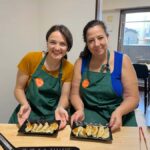
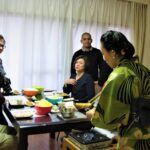
Meet Yayo in a Local Home Kitchen (Not a Warehouse Classroom)
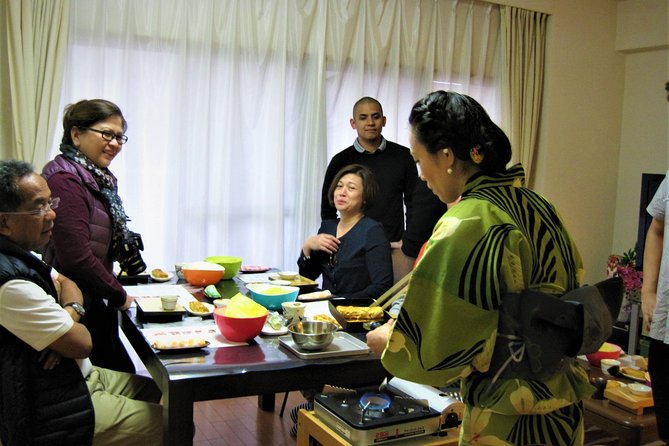
Your class starts at a meeting point outside Noda Station in Osaka. From there, you head to the cooking studio in the Fukushima Ward area. The vibe is local and grounded, not staged.
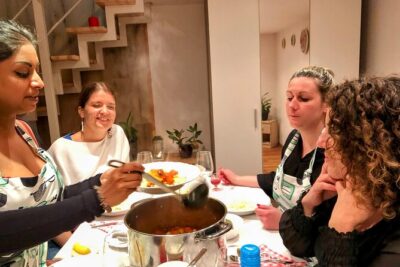
Yayo-san runs the class in her own home setting. That matters more than people think. You feel like you’re learning inside a real kitchen, not a demo space where everything is already half-finished for the camera.
Expect an English-speaking instructor and a warm, welcoming tone. In past sessions, people consistently highlighted how Yayo-san communicates clearly and makes the experience feel comfortable, even if your Japanese is limited. This is especially helpful if you’re solo and worry you might feel awkward in a group setting.
The Menu: Miso Soup, Takoyaki, Okonomiyaki, and the Stuff That Makes Osaka Food Click
The class is built around a sequence of dishes that teach you the basics of Japanese flavor and cooking style. You start with miso soup, then move into takoyaki, and finish with okonomiyaki. You also add taiyaki and matcha tea before you go.
Starting With Miso Soup: Where Technique Actually Matters
You begin by preparing miso soup. This isn’t just a warm opener. It’s a great way to learn Japanese cooking logic: subtle differences in technique can change the final taste.
Miso soup is also a smart first lesson because it builds confidence. Once you understand how to handle the ingredients and timing, the rest of the class feels less mysterious. And if you’re hoping to recreate Japanese meals at home later, this is one of the most useful skills you’ll take with you.
If you’ve heard people talk about dashi in Japan, you’ll understand why it comes up. The class gives you the kind of practical grounding that helps demystify soup bases.
Takoyaki: The Skills Behind the Crunchy-Soft Bite
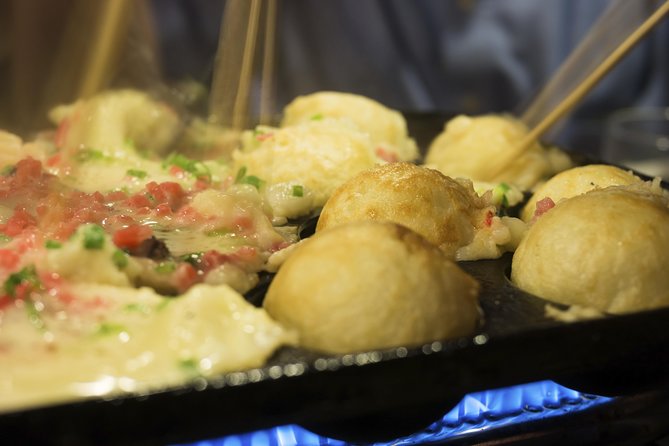
Next you’ll make takoyaki: deep-fried octopus balls made with wheat flour batter. Takoyaki teaches a very specific set of skills—heat control, movement, and timing—because the outside has to set while the inside stays tender.
You’ll stuff the batter with octopus, shape it in the takoyaki pan, and work toward that signature golden exterior. The best part is that you’re not just following steps. You’re learning what to watch for while it cooks, so you know why the next adjustment matters.

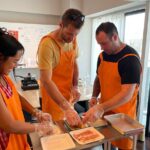
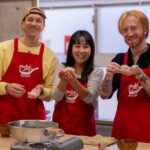
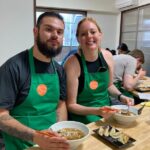
Okonomiyaki: Savory Pancake, Osaka Style, With Real Working Knowledge
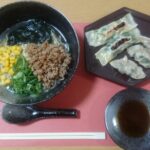
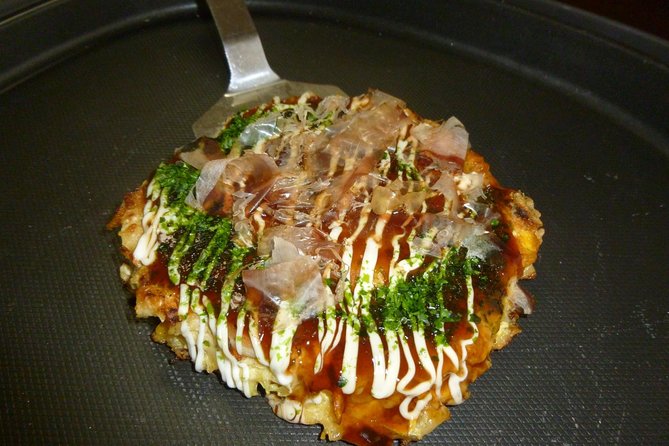
Okonomiyaki is where Osaka’s comfort-food personality shows up. You’ll make a filling pancake with egg, flour, cabbage, pork, and dried bonito flakes.
What I like about learning okonomiyaki in this format is that it stops being a list of ingredients. You learn the flow: prep, cook, build. You get hands-on guidance on how to handle the batter and how to treat cabbage so the pancake cooks through without going soggy.
Also, okonomiyaki is a dish that rewards attention. If you want to cook it at home without guessing, the lesson format helps you understand what “right” looks and feels like.
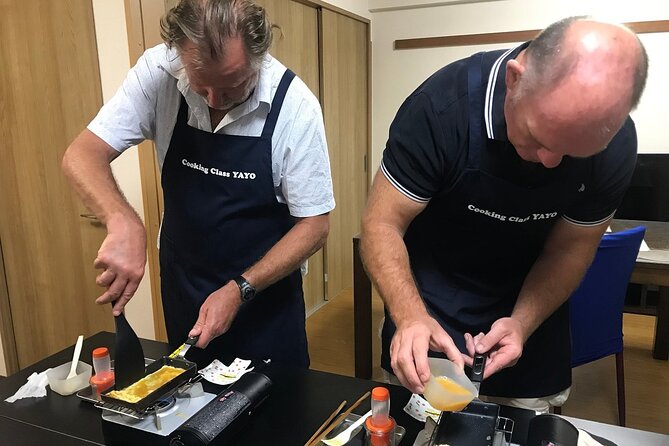
The Dish Bonus: Japanese Egg (Dashimaki Tamago / Tamago-maki)
Some sessions include a Japanese egg dish such as dashimaki tamago or tamago-maki. In other words, you might add a rolled omelet style to your cooking list alongside the main trio.
That’s a win if you want variety. It also gives you more chances to practice Japanese cooking technique beyond the batter-heavy dishes.
Finishing Touches: Taiyaki and Matcha Tea
Before you wrap up, you try taiyaki, the fish-shaped cake. You also get matcha tea.
These are not random add-ons. They’re part of how Japanese meals often close: warm, sweet, and balanced with tea. It’s a nice way to taste beyond the savory dishes you cooked.
How the Class Helps You Cook Better at Home (Not Just Today)
The value of a cooking class isn’t the dishes. It’s what you learn to do next time you cook.
Here’s what this one tends to deliver well:
You learn what to watch for while cooking. Takoyaki and okonomiyaki both require attention to doneness and texture. You’ll understand the practical cues that tell you whether the batter is setting correctly.
You get technique context, not just steps. Yayo-san shares cultural background tied to ingredients and cooking habits. That helps you appreciate why things are built the way they are, and it gives you instincts for adjustments at home.
You get support when you’re learning. With a small group size, it’s easier to get help fast. People have mentioned that Yayo-san answers questions clearly and keeps the class moving without making you feel rushed.
If you want to make this lesson stick, take advantage of whatever notes you’re given. Past classes have included printed instructions and easy-to-follow guidance in people’s native languages. Even if you don’t bring a notebook, you’ll likely leave with enough written reminders to recreate the dishes.
Optional Sake and Beer Pairing: When You Want the Full Osaka Experience
If you choose the add-on, you can do a local sake and beer pairing with your meal. The pairing is optional, so you’re not required to drink to get value from the class.
I like this add-on because it turns dinner into a mini tasting lesson. You get to experience how drinks fit the savory, salty flavors typical of dishes like okonomiyaki and takoyaki.
If alcohol isn’t your thing, you can still have a great time. You’ll still cook multiple dishes and eat everything included.
Food Amount, Pace, and the One Thing to Plan For
You cook, you eat, and then you keep eating. Many people leave feeling very full, and some mention leftovers because there’s a lot of food.
That’s not a flaw. It’s part of the value. You’re paying for ingredients, instruction, and a full meal, so the portion math tends to favor “you’ll be satisfied.”
Still, come hungry. The class is about tasting what you made, not about nibbling like a cooking demo.
The pace is about 2 hours 30 minutes, which is long enough to cook multiple items but short enough to fit into a trip schedule. If you book this on a day when you already have a lot planned, you’ll want to give yourself room to recover after your meal.
Price and Value: Is $104.13 Fair for What You Get?
At $104.13 per person for an approximately 2.5-hour hands-on class, the price looks reasonable when you map it to the included items.
You’re getting:
- A small-group, instructor-led cooking lesson (max 8)
- All ingredients and utensils
- An English-speaking instructor
- Lunch or dinner (you eat what you cook)
- Optional sake tasting if selected
If you’ve ever tried to price out “lesson + ingredients + meal” separately, you’ll usually find the total climbs quickly. Here, the class bundles the experience into one ticket.
For solo travelers and couples, the value can be extra strong because you’re not paying for a big-group bus tour vibe. People have also reported that some days can end up smaller than expected, even to the point of a near-private lesson. That’s not guaranteed, but it’s a nice possibility when demand is low.
Who Should Book This Class (And Who Might Want to Pass)
This is a great fit if you:
- Want practical Japanese cooking skills you can replicate at home
- Like hands-on food experiences more than museum-style sightseeing
- Enjoy learning the “why” behind flavors and ingredients
- Are comfortable in a small group environment (max 8)
It might be less ideal if you:
- Get anxious in a home setting and prefer large public venues
- Have trouble arriving on time (you need to be there on schedule)
- Are hoping for a quick snack-style activity instead of a full meal
Also, if you have dietary needs, vegetarian and pescatarian options are available upon request at booking. That’s helpful if you want the same learning experience without compromising your food.
Practical Tips Before You Go
A few small moves can make this smoother and tastier:
- Arrive early. The class uses the time well, and late arrival can affect participation.
- Tell them about dietary needs upfront. Vegetarian or pescatarian options can be arranged if requested at booking.
- Bring your appetite. You’ll cook and then eat a substantial meal.
- Ask questions about technique. If you’re curious about ratios, timing, or doneness, this is the moment to get clarity.
- Take photos, but also taste. The best learning comes from texture and flavor, not only visuals.
Should You Book Osaka Cooking Class with Yayo?
I think you should book it if you want an authentic Japanese cooking lesson that feels personal and practical. The small group size, the home-kitchen setting, and the fact that you eat what you cook make it a strong value for an Osaka meal-focused trip day.
If you’re a fan of okonomiyaki, takoyaki, or miso soup, you’ll likely get extra satisfaction from how hands-on the lesson is. And if you’re the type who likes taking a skill home, you’ll leave with more than a full stomach.
One last thought: plan to slow down afterward. This class doesn’t end with a light bite. It ends with you feeling well fed, and that’s the point.
FAQ
What dishes will I cook in this Osaka class?
You’ll prepare miso soup, takoyaki, and okonomiyaki. You also try taiyaki and matcha tea, and some sessions include a Japanese egg dish like dashimaki tamago or tamago-maki.
How long is the cooking class?
The class runs about 2 hours 30 minutes (approximately).
How large is the group?
The experience is limited to a maximum of 8 travelers.
Where do I meet the instructor?
You start outside Noda Station in Osaka.
Is lunch or dinner included?
Yes. The class includes lunch or dinner, and you eat what you cook.
Can I add a sake and beer pairing?
Yes, a sake and beer pairing is available as an optional add-on.
Are vegetarian or pescatarian options available?
Vegetarian and pescatarian options are available upon request at the time of booking.
What if I’m running late?
You should arrive on time. Participation can’t be guaranteed for guests arriving more than 10 minutes late, and refunds aren’t provided.
Is this activity held in a public cooking school?
The class takes place in the cooking studio at the local instructor’s home setting, not a large public facility.