REVIEW · CORDOBA
Paella and Salmorejo 2-Hour Cooking Class in Córdoba
Book on Viator →Operated by Bag in Box. Tastings and more · Bookable on Viator
Córdoba tastes better when you cook it. In this 2-hour class you’ll make two of the city’s most loved dishes—paella and creamy salmorejo—then sit down to eat what you make with local wine. I especially like the step-by-step teaching style and the chance to learn the Cordoban angle behind both recipes. One thing to consider: the setup and even the paella style can vary a bit, since paella ingredients may shift with the season and the cooking space has been described in more than one type of venue.
What makes this work is that you’re not stuck watching from the sidelines. Instructors such as Adrian and Bárbara guide you through prep, explain what you’re doing as you do it, and share practical local advice on where to eat and drink in Córdoba while you cook. The meal feels like the payoff, not an afterthought. Still, if you’re the type who needs a perfectly quiet, top-shelf kitchen vibe, you might find the room arrangements less consistent than you expect.
In This Review
- Key Points at a Glance
- Paella and Salmorejo in Córdoba: What You Actually Learn
- Where You Meet and How the Timing Feels
- The Cooking Space: Old Winery Style, With Some Real-World Variation
- Paella in Cordobesian Style With the Perol Cordobés
- Salmorejo: Córdoba’s Tomato-Bread Cream (Ardoria / Ardorío)
- Wine, Lunch, and Flamenco: The Part That Makes It Feel Like Córdoba
- Value for $53.41: Short Class, Real Payoff
- Practical Tips Before You Go (So You Don’t Get Surprised)
- Who This Class Suits Best
- After the Class: How to Use What You Learned in Córdoba
- Should You Book This Paella and Salmorejo Class?
- FAQ
- FAQ
- What dishes will I learn to cook?
- How long is the cooking class?
- How many people are in the group?
- Where do I meet the instructor?
- Is local wine included?
- Is flamenco part of the experience?
- What if I’m hoping for a specific type of paella, like seafood?
- Is it easy to get there on public transportation, and can service animals attend?
Key Points at a Glance
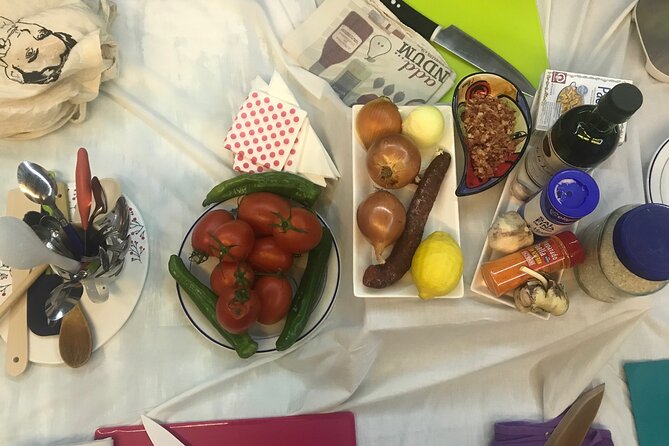
- Small group (max 10) means more time for questions and real hands-on help
- Perol Cordobés paella method helps you understand how Cordoban paella is built
- Salmorejo (ardoria/ardorío) training focuses on blending tomato and bread into the right texture
- Local wine pairing is part of the experience, not just a token pour
- Flamenco listening adds a classic Córdoba touch while you’re eating
- Paella can change by season, so check what’s planned for your day if you have preferences
Paella and Salmorejo in Córdoba: What You Actually Learn
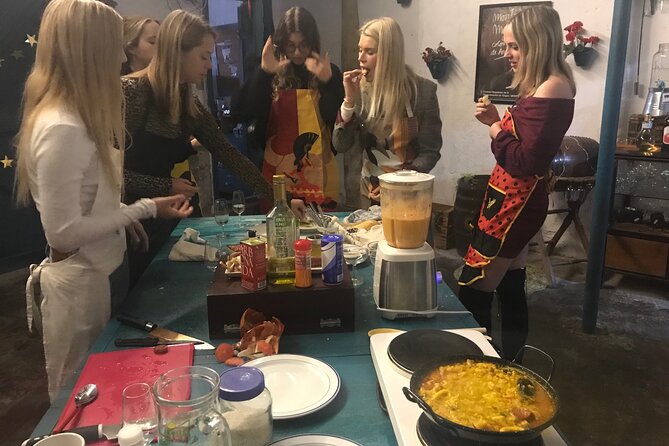
This isn’t the kind of class where you leave with vague memories and a printed recipe you’ll never use. The goal here is that you can recreate both dishes at home, because you’ll prep them in sequence, from ingredients to final plate.
You’ll start with a short intro that connects the food to Córdoba. Then comes the hands-on part: chopping, cooking steps for paella, and blending for salmorejo until you get the cream-like texture the dish is known for. Along the way, your instructor explains the why—not just the what. That matters if you want to adjust ingredients later without wrecking the result.
And the best part is that the class ends with a meal you made yourself. That’s the moment everything clicks: how the salmorejo works as a cooling counterpoint, and how paella becomes flavorful when you treat it like a dish with structure, not just “cook rice with stuff.”
You can also read our reviews of more tours and experiences in Cordoba.
Where You Meet and How the Timing Feels
You meet at Things to Do Córdoba, C. Carlos Rubio, 11, LOCAL, Centro, 14002 Córdoba, Spain. The start time is 1:00 pm and the class runs about 2 hours, then returns you back to the meeting point.
In practice, the timing feels like a concentrated lunch outing. You’re likely to arrive, get settled, have a first taste or drink, and then jump into the cooking. That pace is great if you’re short on time but still want something authentic and interactive.
Because the group is capped at 10, you generally won’t spend half the class waiting for someone to hand out the next ingredient. You move as a unit, with enough structure that beginners can follow along.
The Cooking Space: Old Winery Style, With Some Real-World Variation
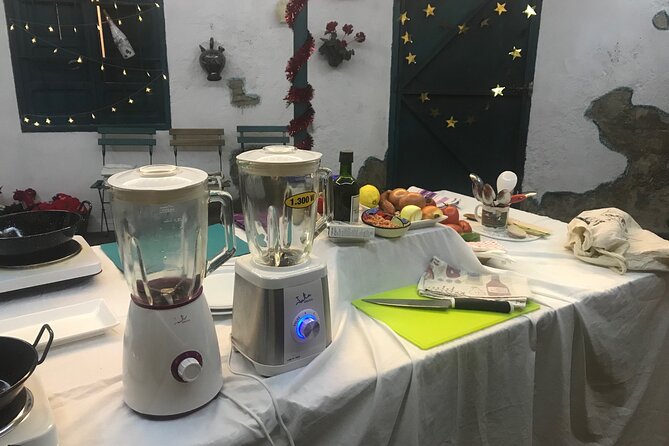
The class happens in an old winery-type setting, and multiple descriptions point to a compact “cellar-basement-kitchen-bar” vibe. Others describe a rooftop location as well. Either way, the key is that you’re cooking close enough to your instructor that you can ask questions without raising your voice.
This is also where you should mentally set expectations. A cooking class isn’t a restaurant kitchen with endless staff and immaculate, mirrored surfaces. Some people loved the character of the space; others raised concerns about practical details like water for handwashing or kitchen cleanliness. If hygiene is a non-negotiable for you, go in with awareness and ask your host what the current setup is like on your day.
That said, the positive experiences are loud and consistent on one point: you get real instruction and you end up eating a proper Córdoba lunch, not just snacks.
Paella in Cordobesian Style With the Perol Cordobés
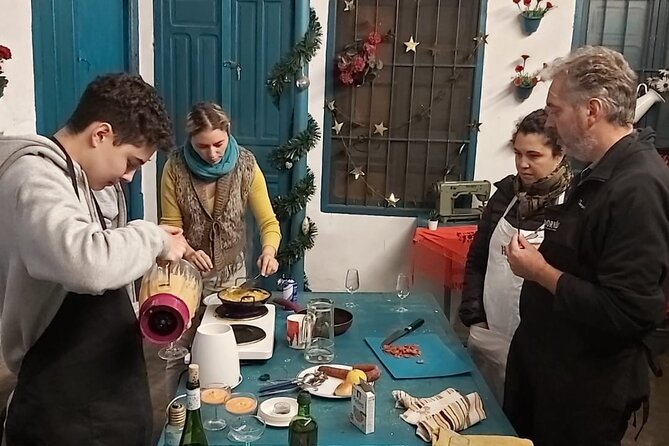
Paella is the headliner, but the lesson is about method. You’ll learn how to cook paella in Cordobesian style using a Perol Cordobés, the special pan approach associated with the local style. That’s useful because it helps you understand why the dish behaves the way it does—how heat, surface area, and timing all shape the final rice.
Before you start, you’ll get a sense of the dish’s background, and you’ll also hear about the different approaches to paella depending on what’s available. One important heads-up: paella ingredients can shift with the season. Some sessions lean toward seafood, others toward meat, and some toward vegetables-only variations. If you’re expecting one specific type (like seafood every time), treat that as an assumption you should double-check when you confirm your booking.
In the cooking portion, you’ll work step by step. You should leave knowing what to do first, what to watch for mid-cook, and how to judge progress so you don’t just rely on a timer. People who’ve had instructors like Adrian specifically highlighted explanations about how you can tell when components are ready by smell and sound—small cues that make a big difference if you try this at home.
Salmorejo: Córdoba’s Tomato-Bread Cream (Ardoria / Ardorío)
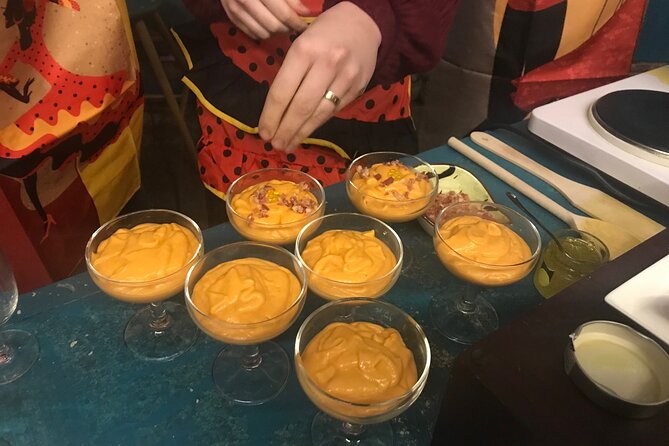
Salmorejo is the other dish—and it’s the one I think gives you the most “aha” for home cooking. It’s a cream made mainly from tomato and bread, and it’s tied tightly to Córdoba. You may also hear it referred to as ardoria or ardorío, depending on how the dish is described where you’re learning.
The class starts with context. You’ll hear how salmorejo came about, what varieties exist, and even nutritional properties—so it’s more than just a quick recipe sprint. Then you move to the practical part.
You’ll prepare your own salmorejo step by step:
- you’ll chop ingredients
- you’ll learn what goes into the blend
- and you’ll blend everything together until you get the right creamy consistency
That blending part is where many people go wrong at home. The goal is a smooth, thick texture, not a watery tomato drink and not a chunky mash. Getting shown the full process—how to build the base and how it should look—helps you recreate the dish without guesswork.
And because salmorejo is served cold, it has a built-in “easy win” quality. Even if your kitchen skills are rusty, the final dish is still forgiving once you hit the right blend.
Wine, Lunch, and Flamenco: The Part That Makes It Feel Like Córdoba
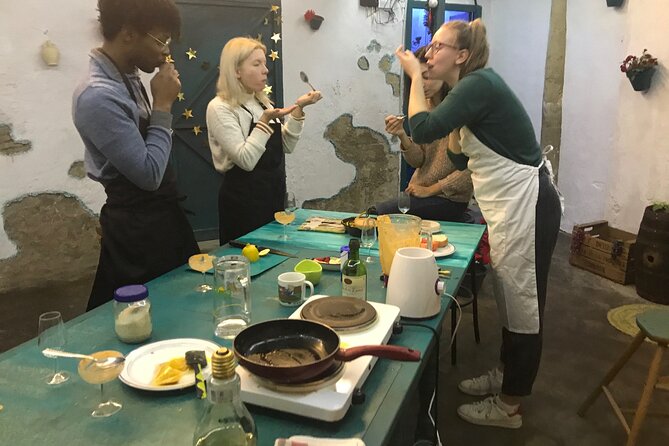
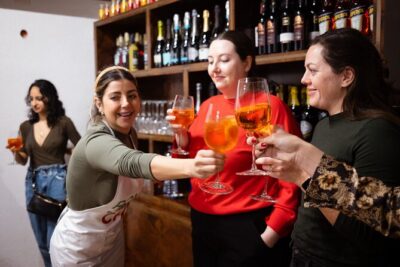
You’ll taste local wine as part of the experience, and the meal is paired with that wine. This is one of the best ways to understand Spanish flavors without turning it into a formal wine lecture. You’re drinking something that matches the food you’re making, which makes the whole class feel grounded.
Then, while you’re eating, you’ll also listen to flamenco as part of the program. That matters because it connects the cooking to the city itself. Córdoba isn’t only about sights and photos; it’s about lived culture—music, food, and conversation at the same table.
The end result is a lunch that feels like a reward. You’re not just trying recipes. You’re experiencing how these dishes fit together on a Córdoba plate.
Value for $53.41: Short Class, Real Payoff
At $53.41 per person for roughly 2 hours, the value comes from three things you actually get: hands-on cooking, a meal that includes what you cooked, and local wine pairing.
Cooking classes can get overpriced fast when you’re mostly watching. Here, the class structure is designed so you’re participating in making both dishes—paella and salmorejo—under supervision. That’s the difference between paying for entertainment and paying for a skill you’ll use again.
The small group size (maximum 10) also improves value. You’re more likely to get feedback on your chopping, blending, and cooking decisions rather than just getting a generic “good job” from across the room.
It’s also a good deal if you’re not already planning a cooking-focused stop in Córdoba. If your itinerary is tight, this gives you a full flavor experience in one afternoon without requiring advanced culinary time.
Practical Tips Before You Go (So You Don’t Get Surprised)
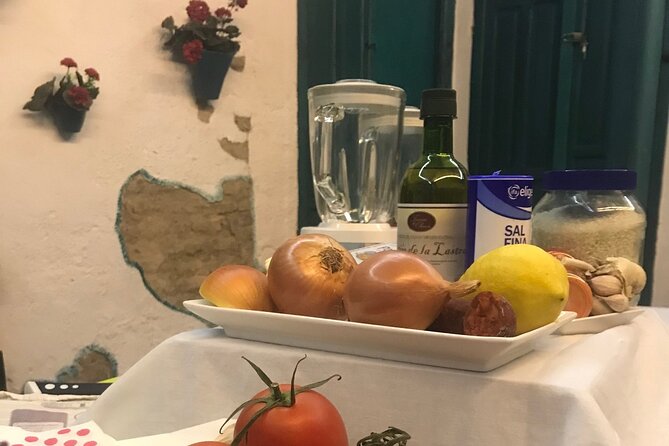
Here are the things I think help you enjoy the class even if you’re a total beginner.
First: assume paella can vary. The instructor/provider explains that in Spain paella can change by season—from seafood to meat to vegetable-focused versions. If you have dietary needs or strong preferences, say something in advance so the kitchen can plan accordingly. In one case shared by the provider, they indicated that if someone needed to avoid meat, they were able to offer seafood paella instead—so early communication matters.
Second: expect a real cooking pace. This is not a museum tour where you take notes and stroll. You’ll chop and blend and cook steps will move forward. If you want to photograph every moment, you’ll have a better time doing that after the first round of prep when your station is set.
Third: check your comfort with the venue type. Some people described a basement-cellar kitchen setting; others mentioned a rooftop. Both can be charming. But if you care about things like running water for handwashing or kitchen utensils being cleaned between raw items and ready-to-eat prep, don’t be shy about paying attention when you arrive. Ask what you need to know so you feel comfortable while you cook.
Who This Class Suits Best
This is a strong match if:
- you want a hands-on Córdoba food experience in a short time
- you like learning recipes you can actually repeat later
- you enjoy cultural extras like flamenco and wine pairing
- you want a smaller group with more instructor contact
It’s also a good option if you’re traveling with someone who loves cooking. The class structure works for beginners because it’s step by step. People who took classes in other countries also tended to rank this among their favorites, mainly because you finish with what you made—no mystery meal at the end.
After the Class: How to Use What You Learned in Córdoba
One of the underrated parts is that your host shares local tips on where to eat and drink in Córdoba. That advice is usually more useful than generic guidebook recommendations because it’s tied to where you are and what you just tasted.
Use what you learned like this:
- if you loved salmorejo, ask what to pair it with locally and where to find similar cold dishes
- if paella worked for you, ask what the locals order with it (and what to skip if you’re not in the mood for heavy sides)
- if the wine pairing surprised you, ask which local spots pour similar bottles
The best food advice is often the kind that helps you decide in 10 seconds once you’re hungry. Take note now, then use it later that afternoon or evening.
Should You Book This Paella and Salmorejo Class?
I think it’s worth booking if you want a practical, food-first Córdoba experience in about two hours. The core strengths are clear: you’ll cook paella and salmorejo yourself, you’ll get local wine with the meal, and you’ll hear the dish stories while you work. The small group size also makes it feel personal.
My main caution is simple: paella can vary with season and the exact venue setup can be described differently depending on the day or room configuration. If you’re picky about paella type or hygiene details, confirm preferences ahead of time and pay attention to how the cooking area is set up when you arrive.
If you go in with flexibility and a willingness to cook, you’ll leave with more than souvenirs. You’ll leave with two dishes you can recreate—and a very Córdoba way of eating them.
FAQ
FAQ
What dishes will I learn to cook?
You’ll learn to make paella in Cordobesian style and also make salmorejo, the tomato-and-bread cream associated with Córdoba (sometimes called ardoria or ardorío).
How long is the cooking class?
The class runs for about 2 hours.
How many people are in the group?
The group is limited to a maximum of 10 travelers.
Where do I meet the instructor?
You meet at Things to Do Córdoba, C. Carlos Rubio, 11, LOCAL, Centro, 14002 Córdoba, Spain.
Is local wine included?
Yes. You’ll taste local wine paired with the meal at the end of the class.
Is flamenco part of the experience?
Yes. The class includes listening to flamenco.
What if I’m hoping for a specific type of paella, like seafood?
Paella can change depending on the season, and the provider indicates they can swap based on dietary needs if you tell them in advance (for example, offering seafood paella instead of meat).
Is it easy to get there on public transportation, and can service animals attend?
The meeting point is near public transportation, and service animals are allowed.