REVIEW · CRETE
Chania Area: Cooking Class at a Farm in Stylos Village (organic)
Book on Viator →Operated by Veggera · Bookable on Viator
Goat milking and real village life in one day. This Chania-area farm cooking class in Stylos lets you step into hands-on cooking and farm-to-table Cretan food, from milking goats to shaping cheese. The day is built around walking the farm, learning how they grow and use their ingredients, and then eating what you helped make. One possible drawback: it’s a working farm day, so you should expect a slower rhythm and a few rustic surfaces.
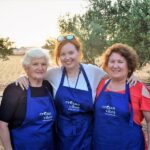
What really sells it is the human side: Sofia is the main chef in charge of the cooking, and Nikos helps bring the village and the farm to life. The group stays small (max 8), so you get real conversation and not just a quick pat on the back before the next step. If you prefer strict timelines and “follow the itinerary, smile, leave,” this might feel a bit too personal and unhurried—though that’s also the point.
In This Review
- Key highlights worth planning around
- Farm cooking in Stylos: what this day is really like
- Veggera meeting point and first contact
- The Diktamos Gorge stop: stretching your legs before the kitchen
- Sheep, threshing floor, olives, and vineyard lessons
- Goat milking and cheese making: the part you’ll talk about later
- Herb garden lemonade break and farm-view photos
- Back to the kitchen: cooking lunch with Cretan staples
- Lunch culture: wine, raki, stories, and traditional music
- Price and value: what $145.99 gets you on Crete
- Who should book this, and who might not love it
- Practical tips to make your day smoother
- Should you book this organic farm cooking class?
- FAQ
- How long is the farm cooking class in Stylos?
- Where does the experience start?
- What language is the tour offered in?
- How big is the group?
- What should I expect to do during the day?
- Is there a break during the experience?
- What’s included with lunch?
- What is the cancellation policy?
Key highlights worth planning around
- A max-8 small group that keeps the day friendly and hands-on
- Goat milking + cheese making plus a tour that includes sheep, olives, and the vineyard
- A threshing floor moment that connects food to how Cretans traditionally farmed
- Lunch with what you cooked, featuring extra virgin olive oil, local ingredients, wine, and raki
- Stories, traditional music, and a family-style welcome that can turn a class into a shared afternoon
Farm cooking in Stylos: what this day is really like
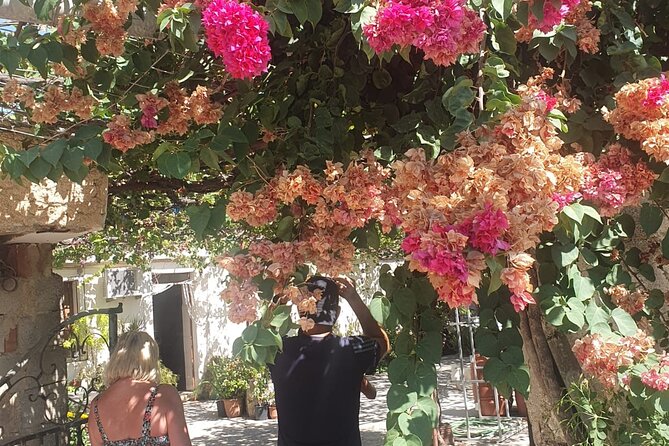
This isn’t just a cooking demo where someone explains and you watch. It’s a full farm day, paced like a real day on Crete, where you move from animals and crops to the kitchen and then to lunch. I love tours like this because they make the food make sense. You taste olive oil, cheese, vegetables, meat, wine, and raki—and you also learn where they come from.
The standout part is the feeling of being treated as part of the household rhythm. Sofia’s role as the chef matters, but the rest of the family vibe is what makes the experience memorable. If you want your meal to come with context—why olives are used this way, why certain cheeses show up again and again, why Cretans talk while they eat—this is built for that.
You can also read our reviews of more tours and experiences in Crete.
Veggera meeting point and first contact
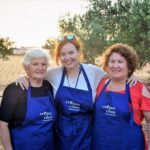
The day begins at the Veggera meeting spot in Stilos (VeggeraC4PC+4G, Stilos 730 03, Greece). You’ll meet your host team and get oriented before you head out for the farm portion. You’ll also have a mobile ticket and confirmation comes at booking, which keeps things simple on arrival.
Small group size (up to 8) changes the whole tone. You’re less likely to get lost in the crowd, and more likely to actually try things yourself. Service animals are allowed, and most people can participate, but because it’s a farm setting, comfortable walking shoes are a smart idea.
The Diktamos Gorge stop: stretching your legs before the kitchen
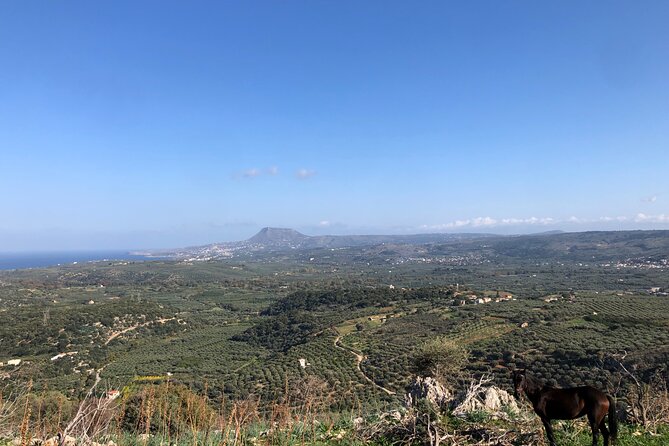
The itinerary includes a stop at Diktamos Gorge. You should think of this as your early dose of countryside—not a museum stop. It’s a useful setup for the rest of the day: you wake up your legs, get a change of scenery, and then you’re ready for the farm activities and the long lunch.
Because details like walk length and exact intensity aren’t listed, plan for the possibility of uneven ground and bring layers. Crete weather can shift, and you’ll be outdoors more than you expect from a standard “cooking class” title.
Sheep, threshing floor, olives, and vineyard lessons
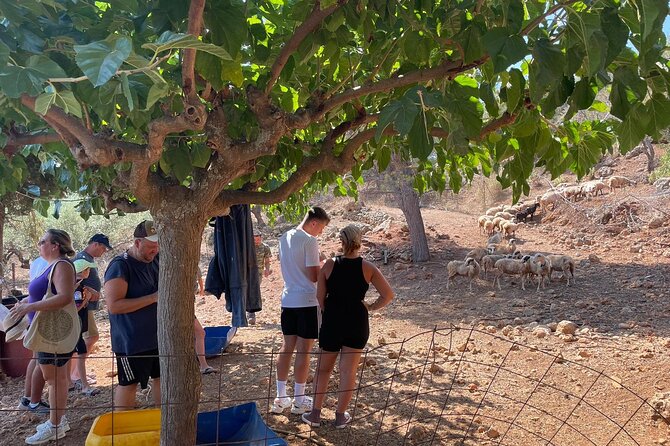
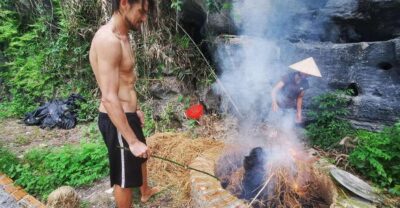
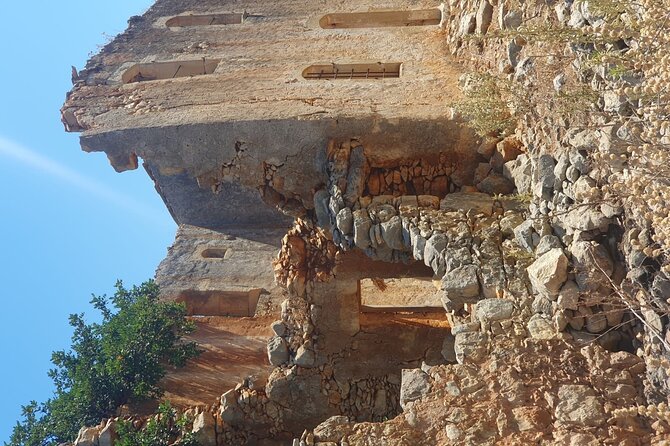
After the gorge stop, you settle into the farm experience. One of the first things you may notice is how much the hosts connect animals and agriculture to the plate. You’ll walk through the free range sheep area, and the day doesn’t feel like a checklist. It feels like a family explaining how daily life becomes dinner.
You’ll also get time on a threshing floor. That matters because it’s a reminder that Cretan food has always been tied to seasonal work and practical tools. From there, you learn about olives and the vineyard—how these staples fit into the farm’s routine, and why Cretans treat them as more than background flavor.
This whole section is valuable for two reasons. First, it gives you language for what you’re eating later. Second, it helps you buy better souvenirs when you’re back home, because you’ll understand what’s actually produced on the island.
Goat milking and cheese making: the part you’ll talk about later
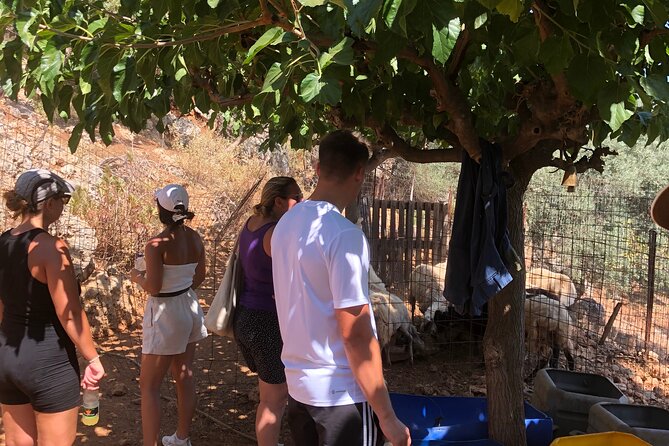
Goat milking and cheese making are built into the day, and this is where the experience becomes genuinely hands-on. It’s not just watching someone do it; you’re there while it happens, close enough to understand the steps and the effort.
The cheese part is especially meaningful because you’re not relying on store labels. You’re learning in the environment where the ingredients come from. In the kitchen, homemade cheese shows up repeatedly, and you can usually connect the dots between the earlier farm lessons and the later lunch.
One tip: if you’re the type who likes to take notes, do it—but also let your hands do some of the work. The best learning here comes from doing, not just listening.
Herb garden lemonade break and farm-view photos
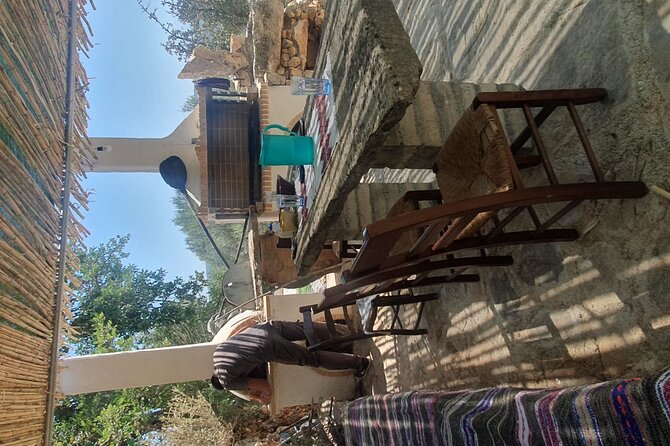
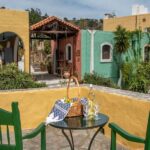
There’s a pause for homemade lemonade—refreshing, simple, and clearly part of the farm’s hospitality. This break is more than a drink stop. It also gives you a moment to reset and take photos from the views the area offers.
You’ll appreciate this timing if you’ve come from beaches or city walking. After farm activity and animal time, a cool glass of lemonade is a small luxury. Use it to slow down and actually look around, since the rest of the day is busy and focused.
Back to the kitchen: cooking lunch with Cretan staples
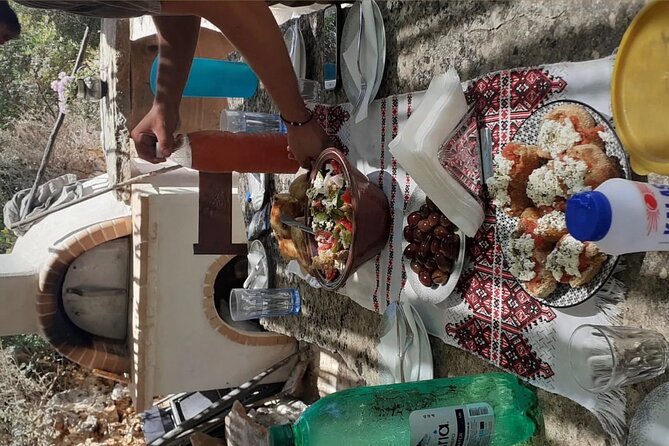
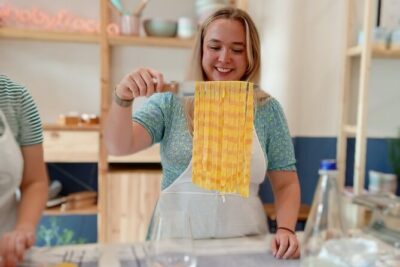
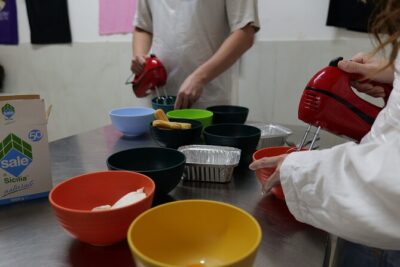
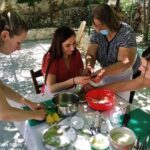
Now you get to the main event: preparing lunch with hearty Cretan ingredients. Expect extra virgin olive oil, fresh vegetables, local meat, homemade cheese, and the kind of flavors that feel straightforward but not simple. This is also where Sofia’s chef energy comes through—she teaches as you cook.
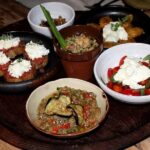
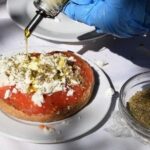
A dish that comes up in the process is dakos: toast with tomato, often topped with a homemade cheese like myzithra. Learning how something like that is assembled makes you far more confident ordering it later in a taverna, because you’ll know what you’re tasting and what matters.
And here’s another detail that makes the kitchen time feel real: supplies come from their local growing areas, including an herb garden. When you smell herbs that you just saw earlier, the meal feels linked to place. It’s the kind of connection you can’t fake.
Lunch culture: wine, raki, stories, and traditional music
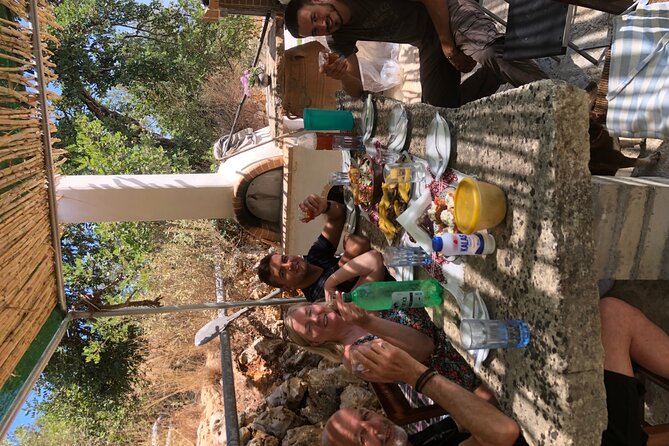
You’ll enjoy your lunch together, and it comes with wine and raki. The day is designed so you don’t just eat and run. You learn more about Cretan culture through stories, and you listen to traditional music.
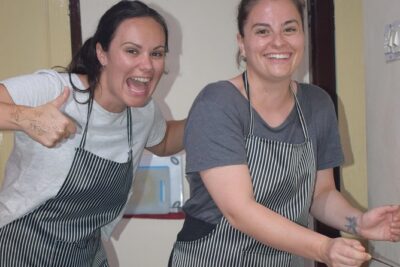
This is where the family component becomes the main flavor. The hosts share the everyday side of Cretan life—how the farm runs, how the household gathers, and how traditions live in small routines. Some moments can be playful too, including singing and dancing described as part of the welcome.
The upside for you is simple: you’re not eating in silence. You’re participating in a social rhythm. The downside, again, is that you won’t get a “hard stop” feeling. If you love structure, you may find the vibe more open-ended than you expect.
Price and value: what $145.99 gets you on Crete
At $145.99 per person for about 5 hours, the price isn’t “budget,” but it also doesn’t feel like a factory product. You’re paying for a small group, a real farm setting, and the work of a family who turns their daily life into a shared meal.
To judge value fairly, compare this to typical cooking classes that:
- use grocery-store ingredients,
- keep the group larger,
- treat culture as a short narration.
Here, the lesson is longer and more connected. You get farm time (animals, olives, vineyard), cooking time (hands-on), and table time (wine, raki, stories, traditional music). Plus, the group limit (max 8) usually means your learning and participation are higher than on larger tours.
Also, timing matters. Booked far enough in advance on average, this is the kind of experience that sells out because it has limited capacity. If this sounds like your style, planning ahead helps.
Who should book this, and who might not love it
This experience is a great fit if you:
- want more than cooking—farm life and culture are part of the deal,
- like small-group interaction and conversation,
- enjoy learning through doing (goat milking, cheese making, assembling dishes),
- don’t mind a day that feels more like visiting than touring.
It might be less ideal if you:
- need a strict, clock-perfect itinerary,
- prefer large-group energy and scheduled attractions,
- dislike animal-focused activities (even though it’s presented as farm life, not spectacle).
Practical tips to make your day smoother
A few common-sense things help on farm-style days like this:
- Wear shoes you’re okay getting a little dusty. Farm surfaces can be rough.
- Bring a light layer. You’ll be outdoors for parts of the day, and weather can shift.
- Pace yourself with water before lunch. There’s lemonade, wine, and raki, so don’t sprint from step to step.
- If you love photos, be ready for the lemonade break viewpoint moment and then keep your phone ready again after cooking starts.
Should you book this organic farm cooking class?
If you want Crete that feels personal and grounded, I’d book it. The strongest reason is the combination: farm work, hands-on cooking with ingredients grown and handled on the property, and a shared lunch with stories and traditional music. It’s a day that turns food into memory.
I’d only hesitate if you strongly prefer a more formal, museum-style tour format. But if you’re open to family-style hospitality and a slower, real-life pace, this is the kind of experience you’ll likely remember long after the last bite.
FAQ
How long is the farm cooking class in Stylos?
The experience lasts about 5 hours.
Where does the experience start?
It starts at VeggeraC4PC+4G, Stilos 730 03, Greece, and ends back at the meeting point.
What language is the tour offered in?
The experience is offered in English.
How big is the group?
The tour has a maximum of 8 travelers.
What should I expect to do during the day?
You can expect farm activities such as walking the sheep area, goat milking, cheese making, and learning about olives and the vineyard. You’ll also cook and prepare lunch with Cretan ingredients.
Is there a break during the experience?
Yes. There is a break for homemade lemonade and time for photos from the view.
What’s included with lunch?
Lunch includes extra virgin olive oil, fresh vegetables, local meat, homemade cheese, wine, and raki. The lunch also includes stories about Cretan culture and traditional music.
What is the cancellation policy?
Free cancellation is available up to 24 hours in advance for a full refund. If you cancel less than 24 hours before the start time, the amount you paid is not refunded.