REVIEW · NEW DELHI
Veg and Non veg : Private Cooking Class in Delhi home (7 meal)
Book on Viator →Operated by Indian Food Cooking Class · Bookable on Viator
Spice lesson in a real Delhi home. I love the hands-on pace with Preeti and Sonu teaching step-by-step, and I love that you eat what you cook right after learning. One consideration: the Uttam Nagar area is not the easiest place to locate if you don’t arrive on time and follow the stated metro meeting point.
You’ll choose a lunch or dinner session and spend about 3 hours in a family kitchen in New Delhi. Expect a spice-focused start with masala tea or lassi, then curries, dal, rice, breads like roti/paratha, and a sweet finish.
In This Review
- Key things to know before you go
- From Uttam Nagar Metro to a Family Kitchen Table
- Spices First: How the Class Teaches Timing and Flavor
- Masala Tea or Lassi, Then the Full 7-Part Meal You Cook
- Chicken Curry, Yellow Dal, and the Gravy Logic That Makes It Work
- Veg Options That Feel Like a Real Lunch, Not a Substitute
- Roti and Paratha Skills You Can Actually Recreate at Home
- Price and Value for a Private Delhi Home Session
- Practical Tips: What to Wear, What to Bring, and How to Get the Most
- Who This Cooking Class Fits Best
- Should You Book This Delhi Cooking Class?
- FAQ
- How long is the cooking class?
- Is this experience private?
- What do I get to eat and cook during the class?
- Can I choose vegetarian or non-vegetarian dishes?
- Where is the meeting point?
- Is hotel pickup and drop included?
- What’s the cancellation policy?
Key things to know before you go
- Meet Preeti and Sonu in their home kitchen: a welcoming setup that feels like you’re learning with family.
- You start with spices: they explain what goes in first, what goes in later, and why.
- A full 7-part meal: tea or lassi, curry, a dry veg, dal, rice, roti/paratha, and dessert.
- Veg or non-veg options: choose your dishes based on dietary preference.
- Clean, modern kitchen details: bottled water is included for cooking, and many classes run in an air-conditioned space.
- Recipes after class: you receive the recipes afterward so you can recreate the food at home.
From Uttam Nagar Metro to a Family Kitchen Table
This experience is built around one simple idea: learn Indian cooking in a real Delhi home, not a demo kitchen. The meeting point is at Indian Food Cooking Classes, A1, 63, Hastsal Rd near Sunil Dairy, Block A 1, Uttam Nagar, New Delhi, 110059. The class also lists a metro-based pickup: Uttam Nagar West Metro station, outside gate no. 4.
Arrive about 15 minutes early. That small buffer matters because you’ll want time to settle in, confirm your dish choices, and start the session without rushing. If you’re using a cab, plan extra time—Uttam Nagar can feel tricky if you’re arriving for the first time without a clear landmark.
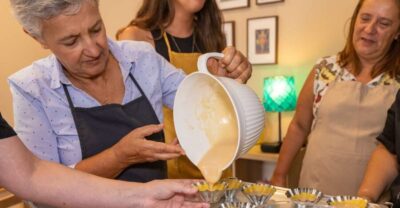
The big win here is the setting. Multiple people describe a clean, modern home environment with a relaxed flow. In plain terms: you can focus on cooking instead of feeling like you’ve walked into a chaotic kitchen that can’t handle beginners.
Also note the tour is private for your group. That changes the whole tone. You can ask questions, request adjustments, and move at the pace of whoever’s in your group.
You can also read our reviews of more tours and experiences in New Delhi.
Spices First: How the Class Teaches Timing and Flavor
Most cooking classes rush to food. This one starts with spices, and that’s why it sticks. You begin with an explanation of spices—how they’re used, and when they’re added—before you start cooking.
One practical technique you’ll likely hear is how seed spices go into oil first, while powdered spices are added later, after much of the flavor base is already in place. That timing is one of those small lessons that creates a big difference in taste. It’s the kind of thing you can’t easily learn from a recipe alone.
You’ll also see spices in a very organized way. Several diners highlight spice boxes and the way ingredients are presented in the kitchen. That matters because Indian cooking can look intimidating when everything is loose powders and jars. Seeing it laid out makes it easier to understand what each spice does.
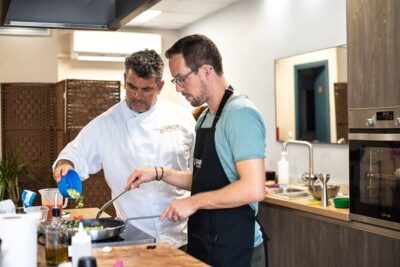
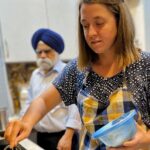
And because this is taught in a home, the guidance feels less like a lecture and more like someone showing you their kitchen habits. Preeti and Sonu are often mentioned for being welcoming and informative, with instruction broken into simple steps.
If you’re the type who loves to learn the why behind the recipe, you’ll appreciate this. You’re not just memorizing ingredients. You’re learning a process: toast, bloom, simmer, and balance.
Masala Tea or Lassi, Then the Full 7-Part Meal You Cook
The class starts with a drink—either masala tea or lassi (you’ll choose one). It’s a nice warm-up because it gets you into Indian flavors right away, before you touch the stove.
Then you move into the meal, which is designed to be more than one dish. The included items cover a full spread:
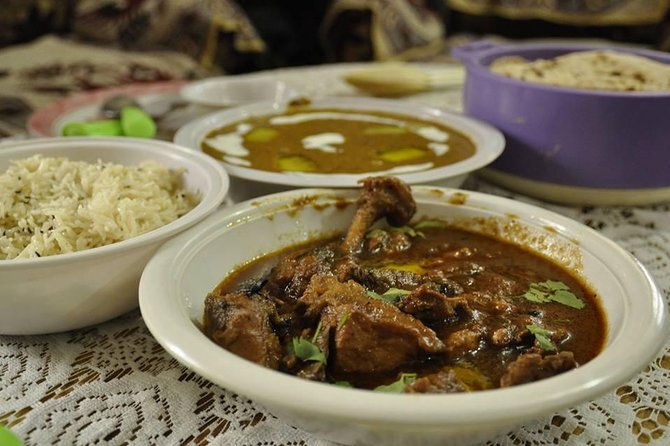
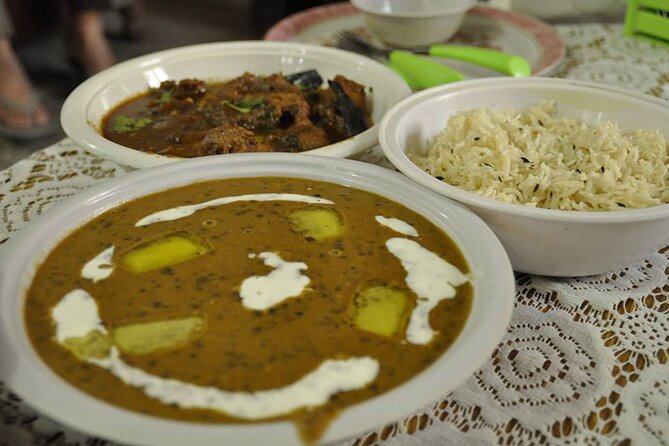
- chicken curry or butter chicken (non-veg option)
- one dry vegetable side such as aloo gobhi, okra, or paneer masala
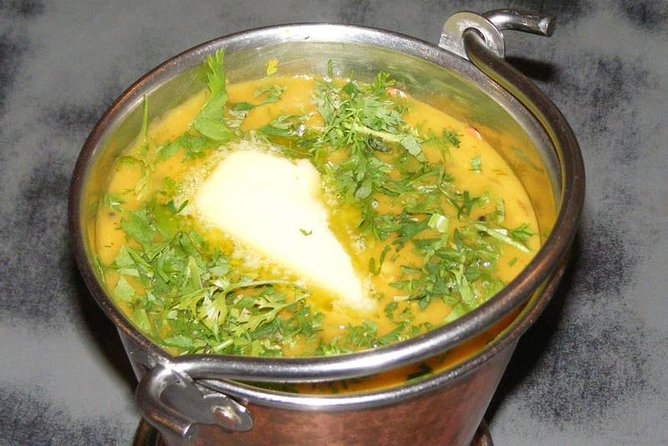
- yellow lentils (yellow dal) or dal tarka
- rice such as cumin rice or plain rice
- roti (or parathas, depending on your choice)
- one sweet dessert
The overview for the experience also mentions chapati and even vegetable pakora with mint sauce as part of the broader food learning. Even if your exact menu varies by session, the pattern stays the same: you cook multiple components so you understand how they work together.
The best part is that you get to eat what you’ve made. That turns the class into a full meal experience, not just a cooking lesson. You’ll notice the flavors more clearly when you taste them right after cooking, and it helps you remember which step affected the outcome.
One small heads-up: masala chai can have caffeine. If you’re sensitive, you might prefer lassi for a calmer start.
Chicken Curry, Yellow Dal, and the Gravy Logic That Makes It Work
If you pick the non-veg menu, you’ll be working with a chicken curry that’s described as a gravy-style dish with chicken. You’ll also cook yellow lentils—often tied into a thick, onion-tomato style gravy base with ginger-garlic and green chili paste.
This is where the class becomes genuinely useful. A lot of home cooks struggle with curry because they treat it like a single sauce. Here, you’re building layers:
- the base (onion/tomato)
- the aromatics (ginger, garlic, chili)
- spices added at the right moment
- simmering so the flavor becomes one coherent taste
That’s the same logic behind dal tarka too, where lentils become more flavorful once they’re seasoned and cooked with aromatic spices.
You’ll also cook rice—cumin rice or plain rice as your choice. Rice isn’t just a filler. It’s the partner to curry. Learning to cook rice in the same session helps you understand how the meal flows. You’re tasting, adjusting, and learning balance, not only following directions.
And yes, after you finish cooking, you actually sit down and enjoy the meal.
Veg Options That Feel Like a Real Lunch, Not a Substitute
If you’re going vegetarian, you still get the core idea of the class: learn techniques and build flavors. The dry vegetable options include aloo gobhi, okra, or paneer masala. You’ll also still cook a dal—yellow lentils or dal tarka—and pair it with rice and bread.
What I like about this setup is that it keeps the learning balanced. You’re not just making one vegetable side and calling it done. You get the lentil component, you get the rice, and you get the bread. That means you leave knowing how to assemble a full Indian plate.
Vegetarian classes are also often described as being very personalized. Some people mention that they could choose dishes, and special requests were handled when they were possible. If you have restrictions, ask early so the hosts can plan the best fit for your session.


Roti and Paratha Skills You Can Actually Recreate at Home
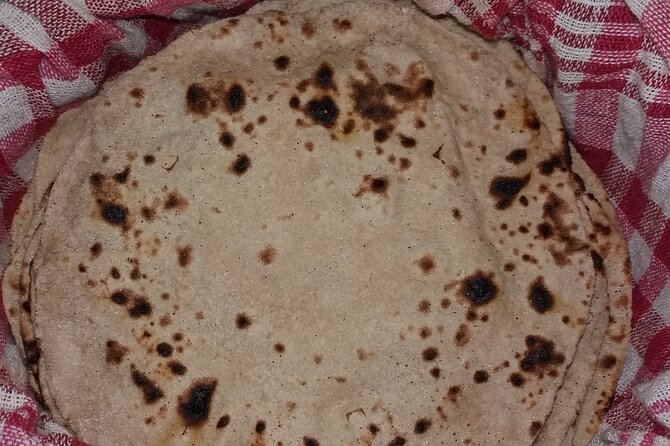
Bread is where many cooking classes teach fancy technique you can’t repeat. Here, the focus is more practical. You’ll learn to make roti (Indian flatbread) and may also make parathas depending on what you choose.
The overview notes roti can be made by wheat flour, with or without gluten, which tells you the class tries to accommodate different needs. In real life, that’s valuable because it’s harder to improvise bread at home if you don’t learn the actual dough feel and cooking steps.
Roti and paratha also teach timing. Roll, cook, flip—each moment changes texture. Because you’re in a home kitchen, you get feedback on what you’re doing while you’re doing it. That instant correction is a big deal for bread.
Once you’ve made it, you’ll likely understand why roti is such a staple. It’s not only about taste; it’s about how it carries gravy and dal. The moment you eat your curry with your own bread, it clicks.
Price and Value for a Private Delhi Home Session
At $47 per person for about 3 hours, this can be good value—especially because you’re not paying for a single dish or a short demonstration. You’re paying for:
- instruction during a private home class
- a multi-part meal you cook and eat
- masala tea or lassi
- bottled water
- curries/dal/rice/bread/dessert components
There’s also a strong “learning you can reuse” factor. Many people report that recipes are sent afterward by email, which turns your visit into a take-home reference. That makes the class feel less like an afternoon activity and more like a useful skill-building session.
One practical note: there’s no hotel pickup or drop included. That can lower your total cost if you’re comfortable getting yourself to the meeting point. But if you’re staying far away and don’t want to navigate local transit, you may want to budget for a cab or plan your metro route carefully.
The overall vibe from host reviews is consistent: welcoming, organized, and focused on clean cooking. Even if you only come for the food, you’ll probably leave with a clearer idea of how Indian spice flavor is built.
Practical Tips: What to Wear, What to Bring, and How to Get the Most
Wear casual clothes. You’ll be standing, chopping, stirring, and getting flour or spices on your hands. Comfortable shoes help too, even though the instructions only call out casual wear.
Bring your appetite and your curiosity. The class is structured, but there’s room to ask questions. If you want a specific dish style—less spice, different texture, or a dietary adaptation—ask ahead if possible.
Also, watch for the pace. People describe it as hands-on with lots of instruction. That means you’ll actually do the work: chopping, stirring, kneading, and cooking your own items. If you prefer an ultra-short, purely observational experience, this won’t match that style.
Finally, think about caffeine. If you choose masala tea and you’re sensitive, you may want to take smaller sips, or choose lassi instead.
Who This Cooking Class Fits Best
This is a strong match if you want:
- a private cooking lesson instead of a large group bus tour
- a home-cooked, Delhi-style meal experience
- practical Indian cooking skills focused on spices, timing, and bread
- both veg and non-veg options so your group can choose what they like
It’s also a good option for travelers who have done the big sights and want something grounded in everyday life. Food is the entry point, but the experience naturally leads into questions about ingredients and family cooking habits.
If you’re traveling with a teen or an adventurous friend, this can work well too. Several people mention good bonding time while cooking and tasting together.
Should You Book This Delhi Cooking Class?
Book it if you want real instruction in a real home kitchen and you’re hungry for spice knowledge you can use later. The private setting, the full meal you cook, and the step-by-step teaching—especially from Preeti and Sonu—make it feel worth the price.
Skip or think twice if you dislike meeting in residential areas or you don’t like navigating local transit. If that’s you, plan your route carefully and arrive on time so you don’t lose energy before the class starts.
If you do book, treat the visit like a skill session. Ask questions about spices, watch the timing, and take the recipes home. Your future self will thank you the next time you cook dal, curry, or roti.
FAQ
How long is the cooking class?
It runs for about 3 hours.
Is this experience private?
Yes. It’s listed as a private tour/activity, so only your group participates.
What do I get to eat and cook during the class?
The included items are masala tea or lassi, chicken curry or butter chicken (non-veg choice), one dry vegetable (like aloo gobhi/okra/paneer masala), yellow dal or dal tarka, cumin rice or plain rice, and roti or parathas, plus one sweet.
Can I choose vegetarian or non-vegetarian dishes?
Yes. The experience offers options for both veg and non-veg diets.
Where is the meeting point?
The meeting point is Indian Food Cooking Classes, A1, 63, Hastsal Rd, near Sunil Dairy, Block A 1, Uttam Nagar, New Delhi, Delhi 110059. The listed metro pickup point is Uttam Nagar West Metro station outside gate no. 4.
Is hotel pickup and drop included?
No. Hotel pickup and drop are not included.
What’s the cancellation policy?
Free cancellation is available. You can cancel up to 24 hours in advance for a full refund. If you cancel less than 24 hours before the start time, there is no refund.