REVIEW · PAROS
Paros: Greek Cooking Class with Meal and Wine
Book on GetYourGuide →Operated by ARGYRO FOKIANOU · Bookable on GetYourGuide
This class starts with olive oil. At Parea Cuisine on Paros, Iro and George guide you through Greek cooking with olive oil tasting and local sips before the first dish even hits the table.
I love how hands-on it is, especially when you learn tzatziki and keftedakia from scratch. I also love the farm-first approach, where your meal pairs with homemade local wine and tastes like it belongs to Paros.
One heads-up: this is by appointment only, with a 24-hour minimum notice, so you’ll want to plan your schedule ahead.
In This Review
- Key Takeaways
- Why This Paros Class Feels More Like a Home Kitchen Than a Workshop
- The 4-Hour Flow: Olive Oil, Cheese, and Souma First
- Appetizers You’ll Learn Properly: Tzatziki, Keftedakia, and Greek Salad
- Your Main Course Choice: Seasonal Stuffed Vegetables, Moussaka, Pasticcio, or Fresh Fish
- Dessert and Wine: Halva or Baklava, Plus Homemade Local Sips
- Price and Value: What $160 Buys for Four Hours
- Who This Paros Cooking Class Suits Best (and Who Might Feel Misfit)
- Quick Tips So You Leave Full and Proud of Your Cooking
- Should You Book This Paros Cooking Class?
- FAQ
- Where is the meeting point for the Paros cooking class?
- How long is the cooking class?
- What’s included in the price?
- Do I need transportation to get there?
- Is the class suitable for children?
- Is it wheelchair accessible?
- What if I have food allergies?
- What are the class language options?
- Can I cancel and get a refund?
Key Takeaways
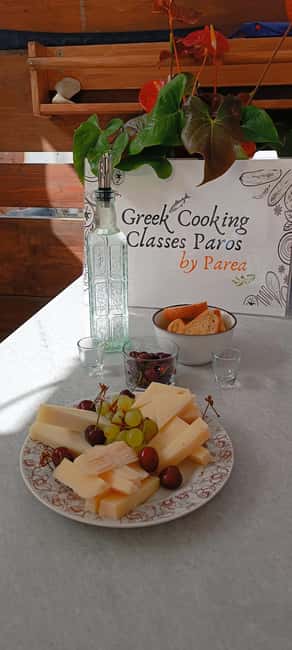
- Olive oil + cheese + souma first: you start with tastings that set the flavor map for the whole meal
- Hands-on appetizer training: you’ll make classics like tzatziki and keftedakia, not just watch
- Main-course choice using seasonal produce: stuffed vegetables, moussaka, pasticcio, or fresh fish
- Wine during the meal: homemade local wine is part of the experience, not an afterthought
- Small, welcoming home-kitchen vibe: you get warmth, practical technique, and plenty of conversation
Why This Paros Class Feels More Like a Home Kitchen Than a Workshop
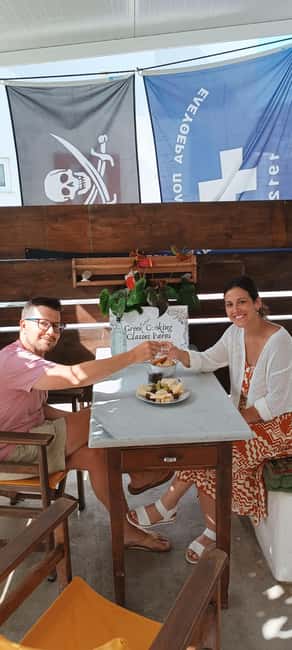
If you’ve ever done a cooking class where you feel like a spectator, this one flips the script. The day is set up so you’re actively cutting, mixing, shaping, and learning as you go—right in Iro and George’s world.
What makes it extra appealing is how much of the flavor story you get up front. The class doesn’t only teach recipes. It teaches how Paros ingredients behave—what olive oil tastes like when you understand it, and why local cheese and olives matter for the whole meal.
You’ll also notice the tone right away. Several people highlight how welcoming and generous Iro’s approach feels, and how the group ends up bonding over food instead of sitting in silence waiting for instructions. That matters because cooking is easier (and more fun) when you feel comfortable asking questions.
You can also read our reviews of more tours and experiences in Paros.

The 4-Hour Flow: Olive Oil, Cheese, and Souma First
The timing works well if you want a full food experience without losing your whole day. Plan for about four hours from start to finish, and aim to arrive hungry.
You begin with an olive oil tasting that’s more than a quick pour-and-smile moment. The idea is to help your palate understand what you’re about to cook with. You’ll taste olive oil alongside a cheese platter made up of local characterful cheeses, described as being produced by a farmers’ congregation on the island.
After cheese, you move to local homemade olives. These aren’t just a snack for the table. They’re part of the flavor base for how Greek meze traditions work—salty, bright, and made to pair with everything that comes next.
Then comes souma, a local drink made from a local distillery. This is one of those details that turns the class into a Paros experience, not just a generic Greek meal. The souma tasting helps explain how Greek hospitality often comes with food plus something to sip, so you feel like you’re stepping into the island’s rhythm.
Practical note: there’s a lot of tasting early. If you skip breakfast, you’ll enjoy the meal much more later, and you’ll have more energy for the cooking part.
Appetizers You’ll Learn Properly: Tzatziki, Keftedakia, and Greek Salad
Once you’ve mapped the flavors, the class moves into Greek appetizers. This is the sweet spot for most people because you leave with repeatable skills—dips, savory bites, and salad basics you can recreate at home without needing special gear.
Tzatziki is on the menu, and that’s a great choice because it forces you to practice texture and balance. Greek yogurt, acidity, garlic, and cooling herbs have to come together the right way, and the class format makes it hands-on rather than theory-heavy.
You’ll also make keftedakia. These are Greek meatballs, but the value here is how you learn the method, not just the end shape. Meatballs can go wrong if you rush seasoning or mishandle the mix. The way Iro teaches is meant to get you comfortable with technique so the food comes out like it should.
Traditional Greek salad rounds out this portion. You’ll likely hear plenty of practical guidance about how Greeks think about salad: it’s not only lettuce. It’s a mix where olive oil, vinegar, herbs, and vegetables all do specific jobs. That’s why starting with olive oil tasting helps—it gives you a reference point.
One more thing: people consistently mention learning extra basics along the way, like knife skills and small technique tips. Even if you’re a beginner, you usually end up feeling more confident by the end of the appetizer section.
Your Main Course Choice: Seasonal Stuffed Vegetables, Moussaka, Pasticcio, or Fresh Fish
This is where the class feels personal. Instead of one fixed menu, you choose from options that reflect what’s good and available—so you’re cooking something that makes sense for Paros.
You might make seasonal stuffed vegetables—tomatoes, peppers, zucchini, or aubergine. This option teaches stuffing logic: how to balance the filling so it tastes right inside the vegetable. It also helps you understand a key Greek pattern—vegetables become the dish, not the side.
If you prefer something iconic and comforting, moussaka is on the list. Moussaka is a layered experience, and it’s one of those dishes where technique matters. Even small steps—like how you build layers and how you handle the components—can change the final texture and flavor.
Pasticcio is another big option for the comfort-food crowd. Like moussaka, it’s about assembly and balance. If you want a meal that feels special and substantial, this is likely to hit the mark.
Fresh fish of the day is also an option, and that’s a nice reminder of how island cooking works. When you cook fish in a Greek style, the focus often stays on freshness and smart seasoning rather than heavy fuss. You’ll get to cook in that mindset if fish is what’s offered that day.
A heads-up that keeps you prepared: the class runs as a single meal experience. That means you’re not just tasting. You’re cooking, then eating, then digesting the technique right away. It’s one of the reasons the day sticks with people.
Dessert and Wine: Halva or Baklava, Plus Homemade Local Sips
By dessert time, you’ve already earned it. You finish with either Greek halva or baklava, depending on what’s planned that day.
This ending matters because both desserts reflect Greek flavor ideas. Halva leans toward warm, fragrant sweetness, while baklava brings layers, nuts, and syrupy richness. Either way, it gives you a satisfying close without feeling like a random sweet stop.
The wine is part of the meal flow, too. You sip homemade local wine while you eat what you cooked. That’s a practical detail because it changes how the meal feels. It’s not “taste a sip.” It’s “eat a full Greek dinner with a local drink in your hand.”
If you’re the type who wants to understand pairing, pay attention here. Olive oil tastes, cheese bites, and herb-forward appetizers all line up with the kind of flavors wine tends to support. You’ll leave with a better sense of what tastes right together.
Price and Value: What $160 Buys for Four Hours
At $160 per person for about four hours, you’re paying for a full, taught meal experience—not just ingredients and a couple recipes. The value is in the structure: tastings, guided cooking, and the finished multi-course meal with wine.
Here’s what you’re getting for that price:
- Olive oil tasting
- Cheese platter
- Local homemade olives
- Souma tasting
- Greek appetizers (like tzatziki and keftedakia)
- A traditional Greek main course from the menu options
- Dessert (halva or baklava)
- Homemade local wine
And you’re also paying for what’s harder to price: instruction time, hands-on coaching, and the fact that the food is built around local Paros ingredients. Several people mention the farm-and-farmers approach as a standout. That means you’re not simply learning Greek cooking from a cookbook—you’re learning it in a setting where the products are central.
There’s also practical value in the pacing. You get a complete experience without needing multiple reservations. One four-hour block can turn into your most memorable food moment on the island.
Who This Paros Cooking Class Suits Best (and Who Might Feel Misfit)
This class is a strong match if you want more than a meal. You want skills, context, and a chance to talk with hosts who care about food culture.
It’s especially good for:
- Couples or small groups who want conversation and comfort
- Food lovers who like learning why ingredients work
- Travelers who enjoy a local rhythm—tasting first, cooking with guidance, then eating what you made
It’s not a fit if you need wheelchair access, since wheelchair users aren’t suitable here. It’s also not suitable for children under 14, so plan for an adult-focused experience.
If you show up expecting a quick demo, you might feel impatient. This day is built for participation, not passive watching.
Quick Tips So You Leave Full and Proud of Your Cooking
Come hungry. People specifically recommend not eating breakfast because the portions are generous, and the day includes multiple tastings before the main meal.
If you’re the planning type, bring an empty stomach plus a little flexibility. The cooking menu includes several choices, so you might end up with different dishes depending on what’s available and how the day is running.
You’ll likely benefit from:
- Comfortable clothes and shoes for a home-kitchen environment
- A small notebook or notes app for technique reminders (if you’re the type who forgets details later)
- An appetite for conversation, since the hosts share stories and food culture along the way
Also, transportation to the meeting point isn’t included. Make sure you can get to Parea Cuisine on your own, and build in a few minutes so you don’t stress when you arrive.
Should You Book This Paros Cooking Class?
I think you should book it if you want a real Paros food day: tastings first, hands-on cooking, then a full meal with wine and dessert. The strongest reason to choose this class is that it treats local ingredients as the main event, not as background flavor.
Skip it if you’re short on time, sensitive to schedule changes, or you want a low-participation tour. Since it’s by appointment only with a 24-hour minimum notice, plan your day with some breathing room.
If you’re visiting Paros and you want one experience that combines technique, taste, and island culture in one sitting, this is the kind of booking that tends to feel like money well spent.
FAQ
Where is the meeting point for the Paros cooking class?
The meeting point is at Parea Cuisine.
How long is the cooking class?
The class lasts 4 hours.
What’s included in the price?
The price includes the cooking class, olive oil tasting, cheese platter, local homemade olives, souma tasting, Greek appetizers, a traditional Greek meal, dessert, and homemade local wine.
Do I need transportation to get there?
Transportation to the meeting point is not included, so you’ll need to arrange your own way to Parea Cuisine.
Is the class suitable for children?
No. The class is not suitable for children under 14.
Is it wheelchair accessible?
No. Wheelchair users are not suitable for this activity.
What if I have food allergies?
You should inform them about allergies at least 24 hours prior.
What are the class language options?
The instructor speaks English and Greek.
Can I cancel and get a refund?
Yes. There is free cancellation up to 24 hours in advance for a full refund.