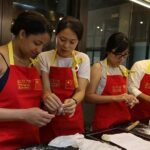
Two dumplings beat a souvenir. This private dim sum class in Shanghai’s French Concession is a hands-on way to learn how technique really works and choose exactly two items from a tasty menu. One small thing to plan for: the kitchen can be a little tricky to spot from the street.
The format is simple. In about 2 hours, you pick your favorites, cook with a professional instructor, and then enjoy your hand-made meal. The class includes equipment and ingredients, but there’s no hotel pickup, so you’ll want to be comfortable getting yourself to the meeting point near public transport.
In This Review
- Key Things I’d Watch For
- French Concession Kitchen: Why Location and Finding It Matter
- Picking Your Two Dim Sum Choices From the Menu
- The 2-Hour Private Cooking Class: What It Feels Like
- Learning Techniques You’ll Actually Use Again
- The Instructor Experience: Clear English and Real Patience
- Price and Value: Is $88 Fair for a Private Class?
- Getting There and What’s Not Included
- Who This Dim Sum Class Fits Best
- Should You Book This Dim Sum Class in Shanghai?
- FAQ
- FAQ
- How long is the private dim sum cooking class?
- Where does the class start in Shanghai?
- Is hotel pickup included?
- What does the price include?
- What dishes can I choose from?
- Can I request vegetarian options?
- Is this a private class?
- What if I travel with children?
- Does it run in bad weather?
- What’s the cancellation policy?
Key Things I’d Watch For
- Private, full-focus instruction: you’re not stuck watching while others cook.
- Pick 2 items in advance: choose from dumplings, egg rolls, and even sweet soups.
- Equipment and ingredients are provided: you don’t need to hunt down Chinese cooking supplies.
- A kitchen that’s practical, not showy: industrial-style setup once you find the door.
- Plenty of time for questions: this is the kind of class where you can slow down and ask why.
French Concession Kitchen: Why Location and Finding It Matter
Shanghai’s French Concession has that classic mix of tree-lined streets and old-meets-new city energy. This class is held in a cooking workshop in that area, and the meeting point is on Moganshan Road (Mo Gan Shan Lu), Pu Tuo District. The tour end point is back at the meeting point, so you’ll want to plan your day around a clean round-trip on your own.
Here’s the practical catch: the kitchen can be hard to locate from the street, with not many visible signs. That’s not a deal-breaker, but it does mean you should arrive with a little extra buffer. If you’re navigating by map, double-check you’re heading to the right building before you assume the workshop isn’t there.
Good news: the start location is near public transportation, and the class operates in all weather. Dress for the weather and for walking a few blocks if needed.
You can also read our reviews of more tours and experiences in Shanghai.
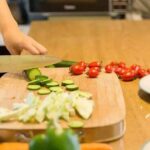
Picking Your Two Dim Sum Choices From the Menu
The biggest advantage here is that you don’t just get a preset “chef’s choice” experience. You advise your dim sum chef your 2 picks upon booking, choosing from a menu of savory and sweet options.
Your list includes:
- Shrimp Dumpling
- Goldfish Dumpling
- Four Happiness Dumpling
- Sui Mai
- Xiaolongbao (steamed pork dumplings with soup)
- Big Wonton
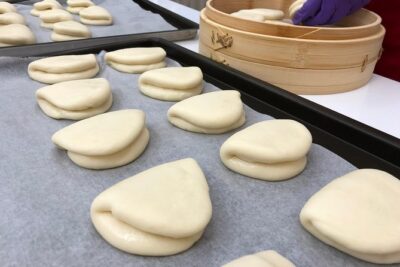
- Leaf Bun
- Fried Bun
- Egg Roll
- Sesame Ball
- Red bean paste sweet soup
- Coconut sago sweet soup
The way these menu items mix is smart for first-timers. You can go savory-savory (a great way to learn folding + cooking methods) or savory-sweet (so you’re not leaving the class wishing you’d made something dessert-like).
One more detail you’ll want to use: there’s a vegetarian option available, as long as you request it at booking. That’s helpful if your group wants the experience without meat-based fillings.
And if you’re planning your day, you can also advise your preferred cooking time (morning, afternoon, or evening). The class runs with a stated start time of 10:00 am, but this note means you’re not locked into only one part of the day forever.
The 2-Hour Private Cooking Class: What It Feels Like
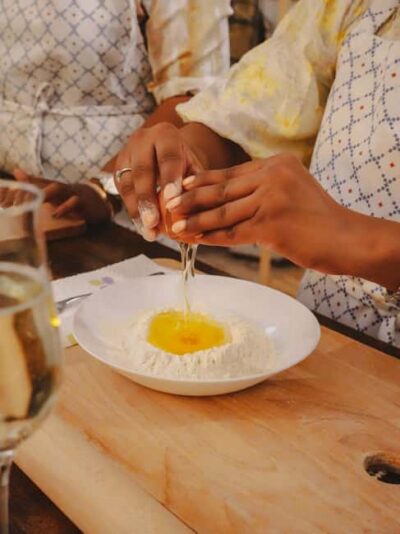
This is a private class. Only your group participates. That matters more than you might think, because dim sum skill depends on feedback. When the instructor can focus on you directly, you get correction in real time.
The class runs about 2 hours. You’ll get:
- a professional instructor
- cooking equipment and ingredients
- detailed instruction tailored to the specific dishes you picked
- your hand-made dim sum meal at the end
In other words, you’re not just learning theory. You’re learning to execute.
From what’s described in standout reviews, the teaching style is patient and practical. One review specifically calls out an instructor named Mike, noting his English is strong and his explanations are clear. Another notes there’s time to ask questions about techniques, which is often the difference between eating dumplings that taste good and making dumplings that actually come out right.
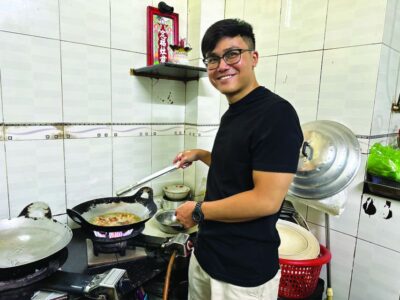
You can also expect an industrial-style kitchen once you’re inside. Think function first. It’s less like a dining room and more like a working workshop where you can stand, prep, and cook without being in the way.
Learning Techniques You’ll Actually Use Again
Dim sum isn’t one skill. It’s a bundle: dough handling, filling ratios, shaping, sealing, and then the cooking method—steam, fry, or boil.
What makes this class valuable is that the instruction isn’t generic. You’re cooking two bite-size treats chosen from a real menu, so the technique you practice matches the food you’ll serve yourself afterward.
A couple of techniques you’re likely to experience depending on your picks:
- Xiaolongbao: delicate handling and careful steps because steamed dumplings with soup rely on more than just the wrapper.
- Sui mai / dumpling styles: shaping and filling so they cook evenly and don’t fall apart.
- Egg rolls and fried buns: dough or wrapper management and frying timing, where it’s easy to get doughy or overly browned without guidance.
Even if you’re the kind of traveler who enjoys watching cooking videos, there’s a clear advantage to having a chef next to you. Reviews mention people tried to make dim sum using YouTube and still found the chef instruction far better, mainly because you can ask about what went wrong and adjust on the spot.
And yes, you eat what you make. That turns the class into a full meal rather than a quick snack stop.
The Instructor Experience: Clear English and Real Patience
Most cooking classes live or die by the teacher. Here, the feedback pattern is strong: people mention the instructor is patient, allows questions, and doesn’t rush.
One review calls out Mike as amazing, with fantastic English and strong chef knowledge. Another says the explanation felt “thought out,” and that the instructor didn’t rush. There’s even a mention of managing a distractable teen with a sense of humor and calm—important if you’re traveling with kids.
If you’re going as a couple or solo and want to focus, private instruction is ideal. If you’re bringing family, it’s also reassuring to hear the class can flex for real-life pacing instead of forcing everyone through one tight script.
Price and Value: Is $88 Fair for a Private Class?
At $88 per person, this isn’t the cheapest thing you can do in Shanghai. But it’s also not priced like a fancy dining event where you’re mostly watching.
The value comes from three money-saving parts that are typically where cooking classes add hidden costs:
- All equipment and ingredients are included
- You get instruction in a private group (your group only)
- You eat what you make, so it’s not a “learning-only” session
In plain terms: you pay for the instructor time, the setup, and the hands-on teaching. Since you also leave with a meal made from your own work, you get something tangible. You’re not paying just to stand near a stove.
If you’re traveling as a pair, that private format can feel extra cost-effective because the instructor time is shared across your group. If you’re coming solo, it’s still a good deal when you want real technique feedback rather than passively sampling someone else’s cooking.
The only potential downside related to cost is the expectation level. If you want a long multi-course dinner experience or a big sightseeing itinerary, this is a focused cooking workshop. It’s about learning and eating, not touring.
Getting There and What’s Not Included
You’ll meet at Moganshan Road (Mo Gan Shan Lu) in Pu Tuo District. The activity ends back at the meeting point, so there’s no route mystery at the end of the class.
Not included:
- hotel pickup and drop-off
So plan on getting there yourself. The listing notes it’s near public transportation, which usually means you won’t need a taxi for every step.
Also, the class is flexible about weather. It operates in all weather conditions, so you should bring shoes and outerwear appropriate for rain or cold.
Who This Dim Sum Class Fits Best
This is a strong match if:
- you want a hands-on food experience rather than just tasting
- you like cooking and want to learn techniques you can repeat
- you’re comfortable navigating meeting points on your own
- you’re traveling with family and want instruction that can handle different paces
It’s also a good early-day choice. One review recommending doing it early in the trip mentioned it alongside a night food tour. Even if you don’t take that extra tour, learning technique early can make your later street-food tastings feel more informed.
You might rethink it if:
- you’re short on time and need a quick stop
- you’re expecting a huge variety of dishes beyond the two you choose
- you don’t like instruction-focused experiences and prefer pure sightseeing or pure dining
Should You Book This Dim Sum Class in Shanghai?
If you like the idea of eating dumplings you shaped yourself, and you want real feedback on dough, filling, and cooking method, I’d book it. The combination of private attention, a menu where you choose your two dishes, and the fact that you eat your own work makes it a practical value.
If you’re worried about finding the workshop, just give yourself a little extra time on arrival. If you’re bringing kids, it’s comforting to see the class style described as patient and not rigid.
Before you book, pick your two items carefully. If you want a classic learning experience, choose one dumpling style plus one other method (like egg roll or a sweet option). If you want maximum contrast, mix savory with dessert so the class feels like a complete range of dim sum flavors.
FAQ
FAQ
How long is the private dim sum cooking class?
The class runs for about 2 hours.
Where does the class start in Shanghai?
It starts at Moganshan Road (Mo Gan Shan Lu), in Pu Tuo District.
Is hotel pickup included?
No. Hotel pickup and drop-off are not included.
What does the price include?
It includes the dim sum cooking class, cooking equipment, a professional instructor, and the dim sum meal you make.
What dishes can I choose from?
You choose 2 items from this menu: Shrimp Dumpling, Goldfish Dumpling, Four Happiness Dumpling, Sui Mai, Xiaolongbao, Big Wonton, Leaf Bun, Fried Bun, Egg Roll, Sesame Ball, Red bean paste sweet soup, and Coconut sago sweet soup.
Can I request vegetarian options?
Yes. Vegetarian options are available if you request them at booking.
Is this a private class?
Yes. It’s a private tour/activity, and only your group participates.
What if I travel with children?
Children must be accompanied by an adult. Age under 2 is free to join, and adult pricing applies to travelers from age 3.
Does it run in bad weather?
Yes, it operates in all weather conditions, so dress appropriately.
What’s the cancellation policy?
Free cancellation is available up to 24 hours in advance of the start time for a full refund. Changes less than 24 hours before the start time aren’t accepted.