REVIEW · PAROS
Paros: Cooking Class with Greek Meal & Wine
Book on Viator →Operated by MTM Experiences · Bookable on Viator
Greek food hits different when you cook it. This Paros class mixes hands-on cooking with local wine and a short traditional dance moment, led by real island hosts like Vivian and Maria. You’re not stuck watching from the sidelines.
I love that you actually make the meal—appetizers through dessert—so the learning sticks. I also like the focus on family-style recipes and techniques taught by instructors such as Vivian, Abdul, and Maria, with dish examples like spanakopita, dolmades, moussaka, and baklava.
One thing to consider: alcoholic beverages are included via local house wine with your meal. If you want to skip wine entirely, bring that up ahead of time since the class is built around the meal experience.
In This Review
- Key things that make this class worth your time
- Paros Cooking Class Vibe: Small Group, Big Participation
- What the “Greek meal + wine” format really means
- Where You Meet in Paros: Anezina Hotel and Easy Start
- 3.5 Hours of Greek Cooking: What Happens During the Session
- A practical way to think about the “full meal” promise
- Cooking stations and instruction style
- If you’re hoping to learn fish technique
- The Anezina Salad to Baklava Moment: Taste Your Work
- Dishes that show up often (so you can picture the menu)
- Vivian, Abdul, and Maria: Why the Teaching Feels Personal
- Greek dancing isn’t a gimmick here
- Wine With Lunch: Enjoy It, Plan Around It
- Price and Value: Is $140.29 a Good Deal?
- Who This Cooking Class Fits Best
- Small Tips That Make the Day Easier
- Should You Book This Paros Greek Meal and Wine Class?
- FAQ
- How long is the Paros cooking class?
- Does the price include lunch and wine?
- Is pickup and drop-off included?
- What meeting point does the tour use?
- Do I need previous cooking experience?
- Is the class taught in English?
- How large is the group?
- What if I have dietary restrictions?
- Are the recipes included?
- What is the cancellation policy?
Key things that make this class worth your time
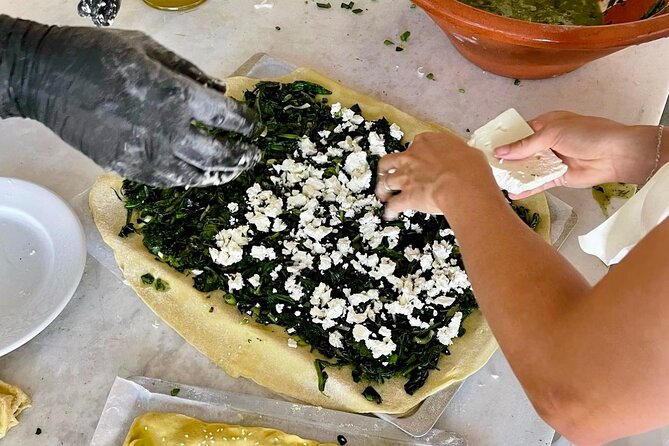
- You cook the meal step by step, not just a demo
- Local hosts with family recipe focus (Vivian, Abdul, Maria have all led classes)
- Wine included with lunch, which changes the whole vibe of the table
- Greek dance is part of the program, with a brief intro and then some participation
- Take-home recipes for what you prepared
- Dietary needs can be handled, if you tell them in advance (a nut allergy was accommodated)
Paros Cooking Class Vibe: Small Group, Big Participation
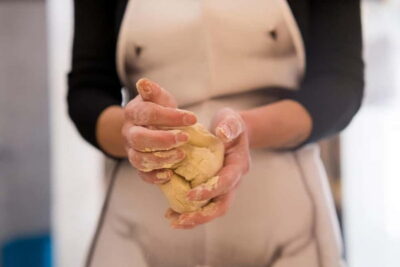
This isn’t a lecture. It’s kitchen time—chopping, mixing, assembling, cooking, tasting—while someone guides you through what matters and what you can skip.
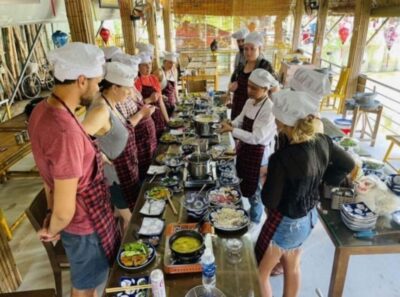
The class is kept small (you’ll see it described as capped at 15 for intimacy, with an overall max set at 25). That size matters because it makes it realistic for everyone to participate. In bigger classes, you end up standing near a cutting board like a statue. Here, you get pulled into the process.
You’ll also notice the tone: it’s friendly and social. People end up at communal tables, start the meal with drinks, and then shift into group cooking stations. It can feel like a shared project with a finish you get to eat.
You can also read our reviews of more tours and experiences in Paros.
What the “Greek meal + wine” format really means
You’re not just learning recipes. You’re learning a Greek rhythm: start with something fresh and savory, move to a main with real weight (think meat or fish paired with grains), and end with something sweet.
The wine is local house wine served during the meal. Even if you don’t drink much, it nudges the whole experience toward celebration instead of formality.
Where You Meet in Paros: Anezina Hotel and Easy Start
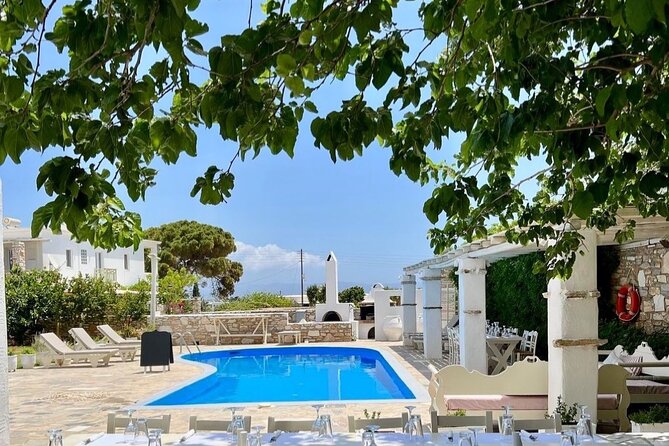
The meeting point is the Anezina Hotel & Village in Naousa area (Drios, 844 00, Greece). Pickup is offered from the hotel lobby or a nearby appointed location, but you’ll need to provide the exact pickup details for your hotel.
This matters on Paros because getting time right can be annoying. A class that starts cleanly—with pickup and a clear return point—helps you avoid that scramble of finding a kitchen on foot while you’re hungry.
The experience ends back at the meeting point, so you’re not left thinking about transport after lunch and wine.
3.5 Hours of Greek Cooking: What Happens During the Session
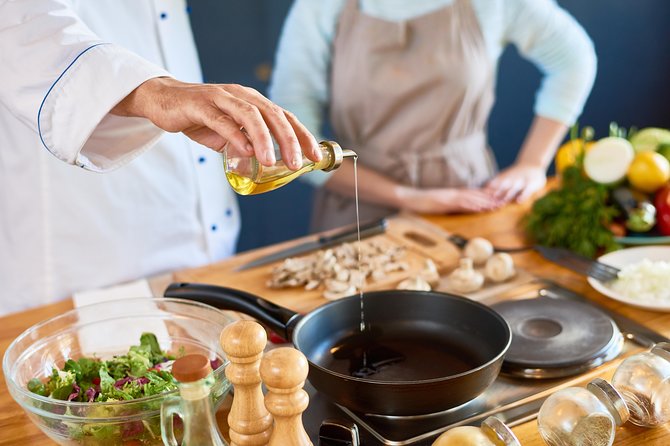
The duration is about 3 hours 30 minutes. Expect a flow that moves from brief orientation to hands-on work, then shared eating.
Even though the cooking is structured, it’s not robotic. You’ll rotate through stations and tasks, and the instructors guide you on technique, not just what to add next.
A practical way to think about the “full meal” promise
You’re getting a Greek meal that typically runs across these categories:
- Appetizers and fresh starters (things like tzatziki and similar cold or salad-style dishes)
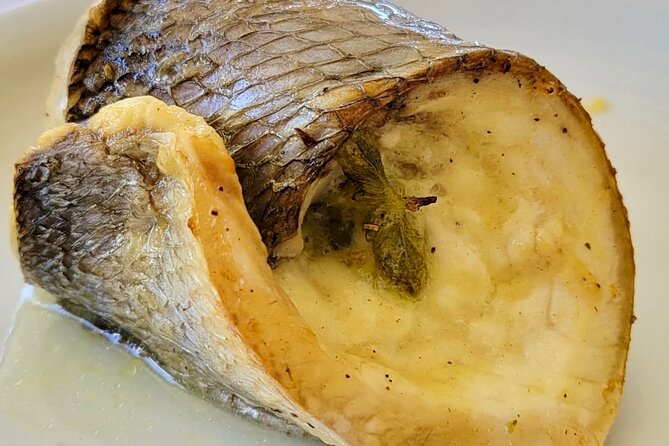
- Savory mains (examples from past menus include moussaka, chicken with orzo, stuffed tomatoes, and seafood dishes like lemon stuffed sea bass)
- Pastry or pie-style sides (spanakopita has shown up often)
- Dessert (baklava has been part of the class menu)
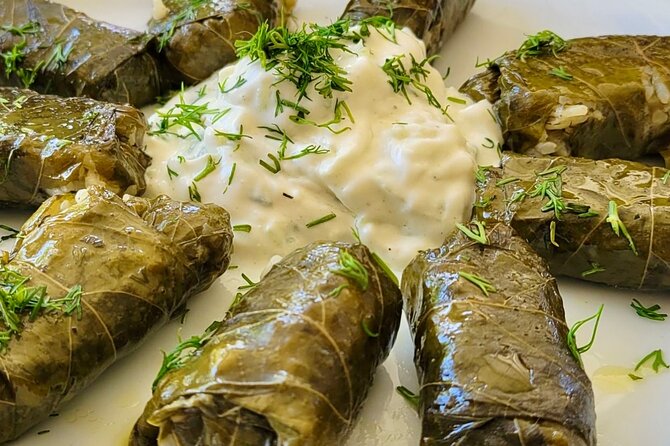
You might also see Mediterranean “small plate” components such as dolmades. The exact lineup can shift, but the approach stays the same: you go from ingredients to finished plates you can describe and repeat at home.
Cooking stations and instruction style
A common pattern is:
- You’re given head covering and an apron.
- You sit down briefly with drinks, then start prepping.
- Different stations handle ingredients while instructors circulate.
- When key dishes come together, the hosts step in more directly.
- Then you all sit together for lunch.
That setup is great for people who are new to cooking. Some measuring and prep is handled in advance, so you focus on the parts that build skills without turning the afternoon into a kitchen marathon.
If you’re hoping to learn fish technique
One of the standout notes from the reviews is that people learned how to fillet a fish. If you want technique beyond salads and stuffing, this class has a track record for going there.
The Anezina Salad to Baklava Moment: Taste Your Work
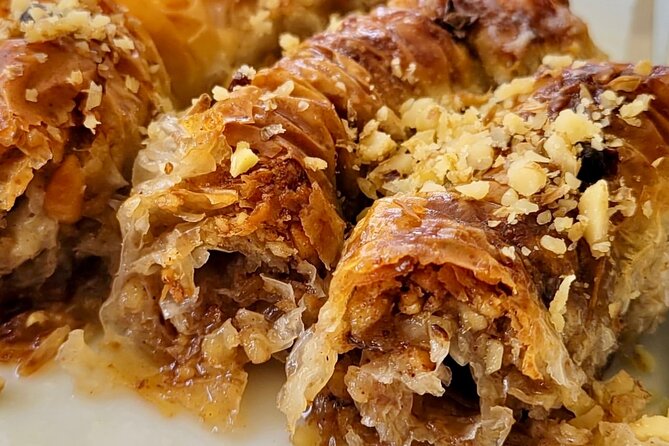
The best part of any cooking class is the last 30 minutes—when your hands finally stop doing work and your table starts doing tasting.
In this class, you typically eat what you prepared, and that’s a big deal. You don’t just learn recipes for later. You build confidence by eating the results while the hosts can still explain what made it work.
Dishes that show up often (so you can picture the menu)
Based on dish names shared by past participants, you can reasonably expect a menu orbit around:
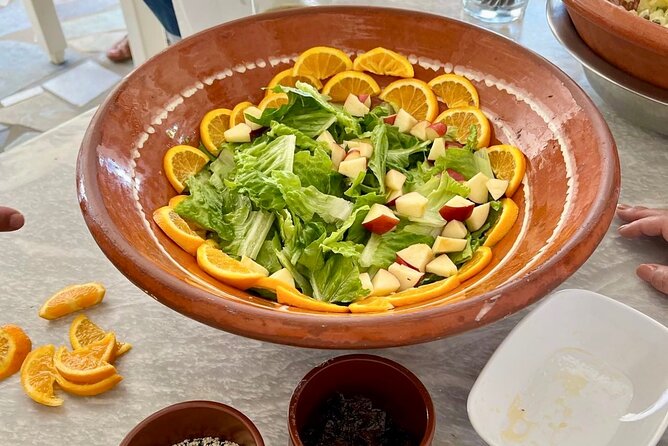
- Anezina Salad
- Dolmades
- Spanakopita
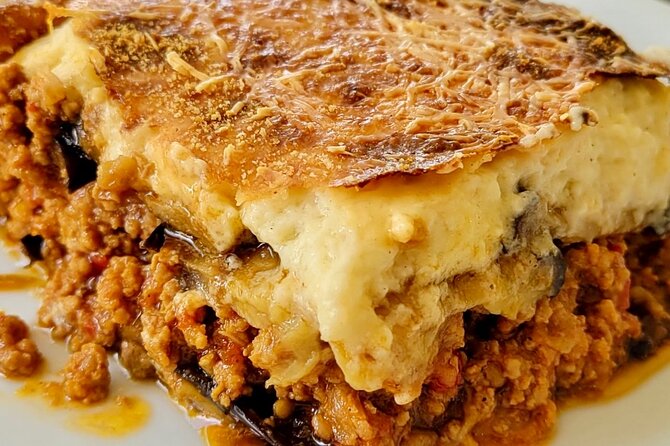
- Moussaka
- Chicken with orzo
- Lemony stuffed sea bass
- Mussels and stuffed tomatoes
- Baklava
If you’re a person who likes structure, that menu mix is ideal: it gives you variety in flavors and textures, plus a mix of cooked and assembled dishes.
Vivian, Abdul, and Maria: Why the Teaching Feels Personal
The class is run by local hosts, and you’ll see names like Vivian, Abdul, and Maria tied to instruction. What you’re really buying is not just recipes, but how the teachers translate cooking into steps you can repeat.
A few things that matter in the teaching style:
- Everyone gets involved, not just the loudest person in the room
- Instructors take time to explain, including variations
- You learn technique along the way (how to combine, how to assemble, how to balance)
Greek dancing isn’t a gimmick here
The program includes a brief introduction to a local traditional dance, and reviews mention music and actual participation. So yes, it’s still fun. But it also ties into the point of Greek food: it’s social, communal, and meant to be shared.
If you’re shy, you can probably watch first. But the group energy tends to pull people in.
Wine With Lunch: Enjoy It, Plan Around It
Local house wine is included with your meal. In a class this social, that affects pacing. People loosen up, talk more, and it stops feeling like a lesson and starts feeling like a celebration.
If you don’t drink alcohol, you should still be fine, but you’ll want to set expectations early. The class is designed around wine as part of the table experience, so “no wine” might change the vibe even if you still eat everything.
Also, consider your day afterward. A 3.5-hour session with wine means you’re better off not scheduling anything intense later.
Price and Value: Is $140.29 a Good Deal?
At $140.29 per person for about 3.5 hours, the value comes down to what you get, not just the headline price.
Here’s what makes it feel worth it:
- You cook and eat a full Greek meal, which would cost much more if you just ordered out across multiple courses
- Recipes are included for the dishes you prepared, so you get something to bring home
- Pickup and drop-off transfer are included, which saves time and hassle on Paros
- The group is small enough for real participation, with instructors guiding you instead of crowd control
Compared with a standard meal at a restaurant, you get far more “active value.” You’re not only consuming food; you’re learning how the dishes work.
Compared with some bargain classes, the wine and shared dining component helps justify the cost, especially since this is designed to be an afternoon highlight, not a quick bite-and-go.
Who This Cooking Class Fits Best
This is a great match if you:
- Want a hands-on Greek experience rather than another walking tour
- Like social settings where people talk and laugh while cooking
- Prefer small groups with real attention from the hosts
- Want recipes you can actually recreate later
It also seems to work well for solo participants. One review specifically called it solo-friendly because the format makes you feel included at the communal table and during prep tasks.
If you have dietary restrictions, tell the organizers ahead of time. The data explicitly asks you to inform them, and at least one review notes an allergy accommodation (a nut allergy was handled).
Small Tips That Make the Day Easier
You’ll enjoy this more if you show up ready to participate and learn, not just to photograph.
A few practical ideas:
- Wear comfortable shoes. You’ll likely be moving between stations and sitting at communal tables.
- Plan your appetite. You’re cooking and then eating a full meal, so don’t fill up with snacks right before.
- Bring your questions. The best moments happen when you ask why something is done a certain way.
- If you’re skipping alcohol, tell the team upfront so they can set expectations for the meal flow.
Should You Book This Paros Greek Meal and Wine Class?
If you want a Paros activity that feels like food culture, not just food, I’d say book it. The big strengths are hands-on cooking, small-group participation, and the way the evening folds in wine and traditional dance without turning weird or awkward.
I’d only hesitate if you’re dealing with strong preferences about alcohol or you want a quiet, low-energy experience. This class is built around a lively table and shared energy.
If you’re in Paros for a short time and want one experience that gives you recipes, skills, and a memorable meal in one go, this is a solid choice.
FAQ
How long is the Paros cooking class?
It runs for about 3 hours 30 minutes.
Does the price include lunch and wine?
Yes. Lunch is included, and local house wine is served during the meal.
Is pickup and drop-off included?
Yes. Pickup and drop-off transfer are included, and you’ll meet at Anezina Hotel & Village in Naousa area (Drios, 844 00, Greece).
What meeting point does the tour use?
The start point is Anezina Hotel & Village, Naousas, Drios 844 00, Greece. The activity ends back at the meeting point.
Do I need previous cooking experience?
No. There’s no need for previous experience.
Is the class taught in English?
Yes, it’s offered in English.
How large is the group?
It’s capped for an intimate atmosphere, with a maximum group size stated as 25 travelers.
What if I have dietary restrictions?
You should inform the organizers about dietary restrictions ahead of time.
Are the recipes included?
Yes. You receive the recipes of the dishes prepared during the class.
What is the cancellation policy?
Free cancellation is available up to 24 hours before the experience starts for a full refund. The experience also requires a minimum number of travelers; if it’s canceled for that reason, you’ll be offered a different date/experience or a full refund.