REVIEW · KRAKOW
Pierogi Cooking Class: Mastering the Art of Polish Dumplings
Book on Viator →Operated by Delicious Poland · Bookable on Viator
Pierogi are a lot easier when someone shows you the rhythm. This Krakow class is built around hands-on pierogi making with a real step-by-step flow, plus beer or wine with what you produce. My favorite part is how forgiving the process feels, even if you have never worked with dough. One thing to keep in mind: like any small food class, timing can get tight if your group size or schedule changes last minute.
You start at a centrally located meeting point and head to a local restaurant near the city center. The class runs about 2 hours, and it’s offered in English with a mobile ticket. A small group format helps the instructors keep an eye on your dough, your sealing, and your cooking pace.
The menu focuses on classic Polish dumplings: pierogi ruskie (potatoes plus creamy, tangy white cheese called twaróg) and a sweet fruit version made with seasonal produce. You’ll also learn practical “at-home” tips so you’re not just eating dinner, you’re taking a usable method back with you.
In This Review
- Key things to know before you go
- Getting started near the city center: meeting point and first steps
- What happens in the kitchen: dough, savory pierogi ruskie, and sweet fruit fillings
- The dough: the base you build everything on
- Savory filling: pierogi ruskie with twaróg and potatoes
- Sweet filling: fruit pierogi made with what’s available
- The real value: the small pierogi skills that actually travel well
- Beer or wine with your dumplings: the part that makes it feel like a meal
- Meet the instructors: why patience is the secret ingredient
- Price and value check for $82.72: what you’re really paying for
- Timing and group size: what to watch so your class stays smooth
- Who this pierogi class fits best (and who might skip it)
- Should you book this pierogi cooking class in Krakow?
- FAQ
- Where do I meet for the pierogi cooking class in Krakow?
- How long is the pierogi cooking class?
- Is the class offered in English?
- What pierogi types will I make?
- Is beer or wine included?
- Is the class family friendly?
- What dietary requirements can you handle?
- What should I wear?
- What’s the cancellation window for a refund?
- What if the tour is canceled due to low participation?
Key things to know before you go
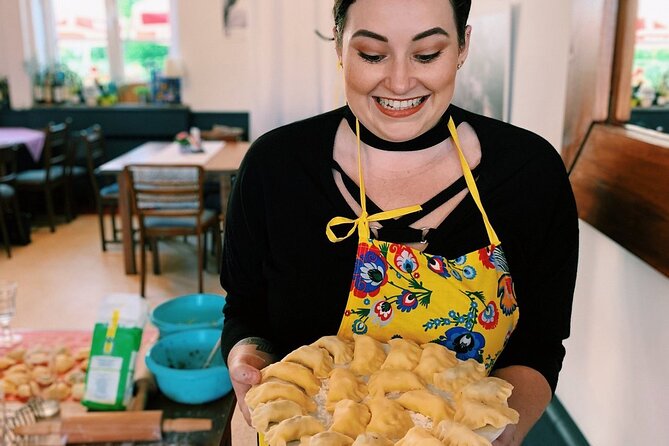
- You make the dough from scratch and learn how it should feel before you roll and cut.
- Two fillings, one class: savory pierogi ruskie and sweet fruit pierogi.
- You get to eat your own dumplings and choose beer or wine to go with the meal.
- Instructors are consistently praised for patience and clear guidance through each step.
- It’s family friendly, and the teaching style is designed to work for beginners too.
- Plan for follow-up if you want recipes emailed afterward; some people reported delays.
Getting started near the city center: meeting point and first steps
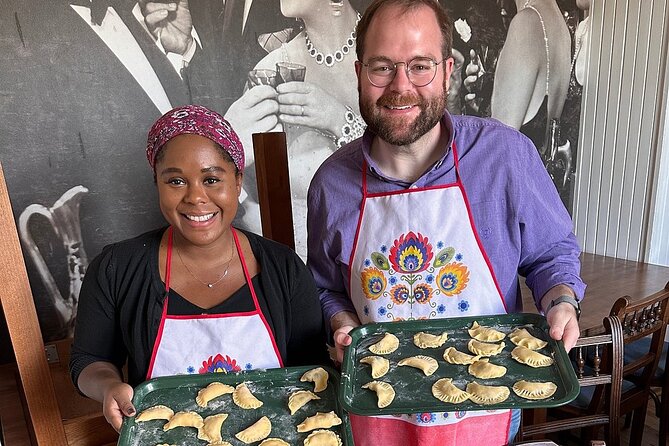
This class begins at WavelovePodchorążych 3, 30-084 Kraków. You meet there, then go to the local restaurant where the cooking happens, and the experience ends back at that same meeting point.
The vibe is practical right from the start. You’re not wandering around collecting ingredients or chasing a scavenger hunt. It’s a focused food lesson: get settled, meet the instructor, then get your hands working.
Logistically, it’s also easy to fit into a Krakow day. The tour is about 2 hours and runs with a centrally timed pickup, which is a big deal in a city where “one more thing” can quickly turn into a time sink. You’ll also have a mobile ticket, and the class is offered in English.
Dress code is smart casual. That means comfortable shoes matter because you’ll likely move a bit between the meeting area and the restaurant kitchen setup. No need to show up in chef whites, but I’d still bring a light layer—restaurant kitchens can run warm once everyone starts cooking.
You can also read our reviews of more tours and experiences in Krakow.
What happens in the kitchen: dough, savory pierogi ruskie, and sweet fruit fillings
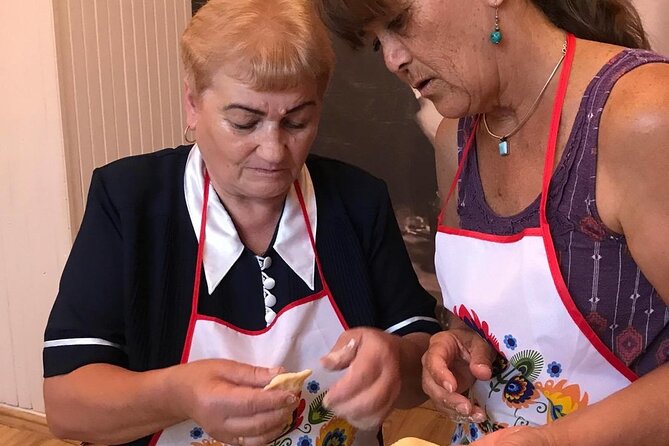
This is a true make-from-start-to-finish class. You’ll create pierogi in a full loop: dough first, then two different fillings, then shaping and boiling, and finally eating.
The dough: the base you build everything on
You start by making the dough entirely from scratch. That’s the part that scares most first-timers, but this class is structured to keep it doable. You’ll work dough step by step, and you’ll see what “good texture” looks like before you have to commit to rolling and sealing.
If you’ve ever tried dumplings at home and ended up with tough dough or messy seams, this is where you gain the most. Getting the dough right also helps the dumplings hold their shape in boiling water.
Savory filling: pierogi ruskie with twaróg and potatoes
For the savory portion, you’ll prepare pierogi ruskie, one of the main pierogi styles in Poland. The filling combines boiled potatoes with creamy and tangy white cheese (twaróg). That mix is a huge part of why pierogi ruskie tastes both comforting and bright.
This class doesn’t just hand you a pre-made filling. You do the work of preparing it, so you learn how the cheese and potatoes come together and how to recognize when the filling is mixed enough.
Sweet filling: fruit pierogi made with what’s available
Then you shift to a sweet filling using fresh fruit that’s available at the time of class. Fruit-filled pierogi are often treated as a main dish in warmer months, so it’s not some tiny dessert add-on.
You’ll build the sweet filling during class and make the dumplings for it too. The result is a nice contrast to the savory version: same basic dumpling skill, different flavor payoff.
The real value: the small pierogi skills that actually travel well
Pierogi taste better when you nail the details. The good news is you’re learning those details in a kitchen setting, not from a blurry video on your phone.
Here are the core skills you’ll want to pay attention to:
Dough feel and thickness
If your dough is too thick, pierogi can turn chewy. Too thin, and they can get fragile. In a good pierogi class, you learn to roll with intention—enough pressure for a consistent sheet, not so much that it becomes hard to work.
Sealing and shaping
The seams matter. When they’re properly sealed, dumplings survive boiling without bursting. When they aren’t, you get filling leaking into the pot and a sad plate.
This is also where a patient instructor makes the difference. Several guides tied to this experience—like Olga, Magda, Maria, and Ania—are repeatedly praised for walking people through each step without rushing.
Boiling and timing
Boiling seems simple, but it’s the step where dumplings either come out tender or overcooked. You learn pacing so the class stays calm and you’re not panicking while the pot works its way to temp.
And because you’re making two types, you get practice with the same technique under two different filling textures. That’s how you start thinking like a cook, not just a diner.
Beer or wine with your dumplings: the part that makes it feel like a meal
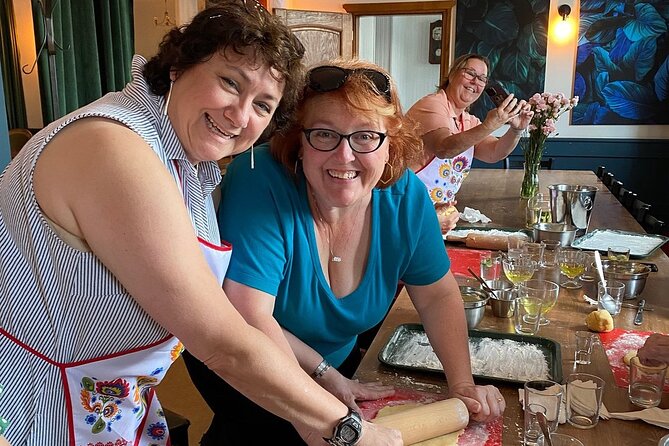
After shaping and boiling, you get to eat what you made. You’ll also choose a local beer or a glass of wine to go alongside the meal.
That pairing matters because it turns the class into an actual dinner moment. Instead of finishing a lesson and then sprinting out for something else, you sit, taste, and evaluate your own dumplings while the flavors are still at their best.
It’s also a nice way to compare the two versions. Savory pierogi ruskie with twaróg tends to be creamy with a tangy backbone. Sweet fruit pierogi shift the flavor toward brightness and fruit. Same technique. Different personality.
Meet the instructors: why patience is the secret ingredient
The teaching style here comes up again and again in feedback, and it’s easy to see why. Pierogi-making is fiddly work. Dough sticks sometimes. Seams can be uneven. Filling can get too wet.
Instructors such as Olga and Magda are singled out for being friendly, funny, and patient, and Maria and Ania also show up with the same pattern: clear explanations and help tailored to what you’re doing right then, not generic “good luck” advice.
That approach matters more than people expect. If you’re a beginner, you don’t just need information—you need guidance at the exact moment your hands get stuck. A small group format supports that.
One small heads-up: a couple of experiences described ingredient or workflow stress when the group was larger than expected. So while the class is designed to be beginner-friendly, it’s still worth confirming any changes to your party size and plan to show up on time.
Price and value check for $82.72: what you’re really paying for
At $82.72 per person for about 2 hours, this isn’t a bargain cooking class. You’re paying for several things that add up fast:
- Real instruction, not just a demo.
- Hands-on ingredients and equipment for making dough and two fillings.
- A sit-down tasting of your own pierogi.
- Beer or wine included, which changes the math compared to classes that treat drinks as an extra fee.
In other words, the price buys you a complete pierogi experience: learn, cook, eat, and leave with a usable method you can repeat at home.
The overall rating is also strong—4.9 with 129 ratings, and 98% of people recommending it. That’s usually a sign that the class hits the basics: pacing, teaching, and food quality.
One value consideration: if you’re the kind of traveler who wants just a quick snack and zero kitchen time, this may feel like more effort than you wanted. But if you like cooking as a souvenir, it’s one of the most practical things you can do in Krakow.
Timing and group size: what to watch so your class stays smooth
This experience is capped at a maximum of 50 travelers, and it’s described as a small group with personal service. In practice, small-group instruction is what helps you learn quickly and avoid feeling lost.
Still, two practical cautions come from the range of feedback:
Big group stress can affect ingredients and pacing
One class experience described the instructor struggling when extra participants joined beyond what was expected. When that happens, you can end up sharing bowls or moving through steps with less room to work.
Recipes email isn’t guaranteed in every case
Some people noted they were told they’d receive recipes by email but didn’t get them. The fix seems simple—follow up—but it’s a reason to not assume the recipes will arrive instantly. If having the recipe in your inbox is important, ask when you book and again at the end of class.
My advice is boring but effective: keep your party count consistent, check your email close to class time, and if you need anything (including dietary notes), communicate early.
Who this pierogi class fits best (and who might skip it)
This is a great fit if you want something more authentic than a typical food tasting. You’re learning a Polish technique you can reproduce, not just sampling flavors.
It also suits families. The experience is explicitly described as family friendly, and multiple reviews mention kids and the relaxed pace that lets people participate without feeling rushed.
This class may be less ideal if you:
- Hate hands-on cooking or feel uncomfortable with dough and heat.
- Want a long “food tour” component. This is focused on cooking and eating, not wandering and tasting your way through Krakow.
- Are trying to stack your schedule tightly at the last minute. A class like this is usually best treated as a firm block in your plan.
If you’re a beginner, you’ll still be fine. The entire setup is built for first-timers, including people who have trouble with pastry dough.
Should you book this pierogi cooking class in Krakow?
Yes, you should book if your goal is a hands-on Polish cooking skill with a real meal attached. The top strengths are consistent: patient teaching, a comfortable pace, and the chance to make both savory pierogi ruskie and sweet fruit pierogi from scratch. Add beer or wine and you get a complete evening, not just a workshop.
I’d hesitate if you’re traveling with a very tight schedule or if your plans might change last minute, because food classes depend on the venue and setup working as planned. If your calendar is flexible and you’re excited to get flour on your hands, this is a smart use of time.
FAQ
Where do I meet for the pierogi cooking class in Krakow?
You meet at WavelovePodchorążych 3, 30-084 Kraków, Poland. The experience ends back at the same meeting point.
How long is the pierogi cooking class?
The class runs about 2 hours.
Is the class offered in English?
Yes, it is offered in English.
What pierogi types will I make?
You’ll make both savory pierogi ruskie (potatoes and twaróg/white cheese) and sweet pierogi filled with fresh fruit available at the time of the class.
Is beer or wine included?
Yes. Alcoholic beverages are included, and you can choose between local beer or a glass of wine.
Is the class family friendly?
Yes, it’s listed as family friendly.
What dietary requirements can you handle?
You should advise any specific dietary requirements at the time of booking.
What should I wear?
Dress code is smart casual.
What’s the cancellation window for a refund?
You can cancel up to 24 hours in advance for a full refund. If you cancel less than 24 hours before the start time, the amount paid is not refunded.
What if the tour is canceled due to low participation?
If it’s canceled because the minimum number of travelers isn’t met, you’ll be offered a different date/experience or a full refund.