REVIEW · KRAKOW
Krakow Pierogi Cooking Class
Book on GetYourGuide →Operated by Delicious Poland · Bookable on GetYourGuide
Hot pierogi secrets, taught by locals. I like the hands-on pace and making pierogi from dough to boil, not just watching. I also love the two fillings lesson—one savory, one sweet—so you leave with real technique. One possible drawback: the venue can be tricky to spot at night since it may have limited exterior lights or signs.
This class is led in English by passionate local instructors, and the vibe changes based on your group. When your group is small, you get more chances to talk—like I’ve heard from classes guided by Magda and Olga, with lots of friendly chat. It’s a fun, focused 2 hours that also gives you the story behind Poland’s most iconic dumpling.
In This Review
- Key things that make this pierogi class special
- Hot Pierogi Secrets in Krakow: What You’ll Be Doing in 2 Hours
- From Scratch Dough: The First Skill That Makes Pierogi Click
- Savory and Sweet Fillings: Two Flavors, One Polish Craft
- Sealing and Boiling: Where Hands-On Coaching Pays Off
- Eating Your Pierogi with Beer or Wine: The Payoff Bite
- The Culture Lesson You Get While Your Hands Are Busy
- Instructor Style in English: Why Clear Teaching Feels Like a Superpower
- Price and Value: What $89 Buys You (and What It Doesn’t)
- Timing, Location, and Venue Finding Near Krakow’s Center
- Who This Pierogi Class Suits Best
- Should You Book the Krakow Pierogi Cooking Class?
- FAQ
- How long is the Krakow Pierogi Cooking Class?
- Is the class taught in English?
- What will I make during the class?
- Will I get to eat the pierogi I make?
- Is this class a small group experience?
- Do I have to pay right away?
- Is there free cancellation?
Key things that make this pierogi class special
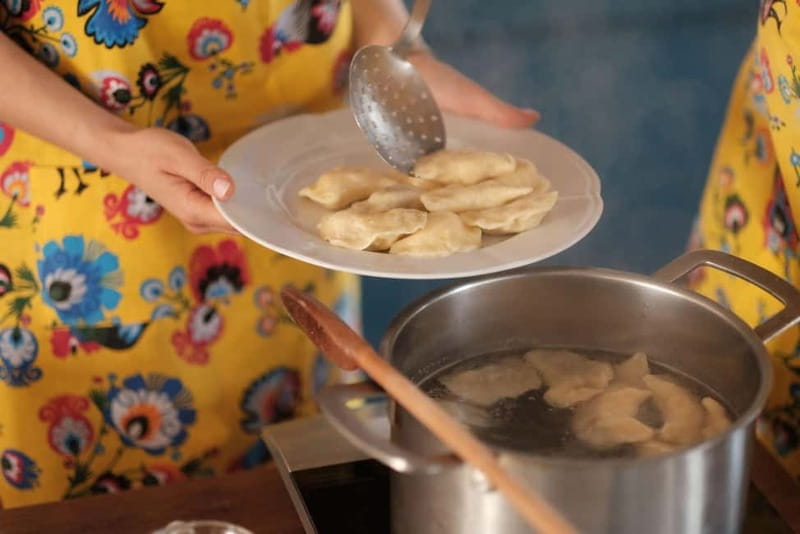
- Start-to-finish pierogi making: you make the dough from scratch, then handle fillings, sealing, and boiling
- Two filling styles: savory and sweet in one session, so you can compare flavors and texture
- English-speaking local hosts: instructors like Magda, Olga, and Sylwia/Sylvie/Sylvia are known for clear guidance
- You eat what you make: pierogi plus a local drink, typically beer or wine
- Small group energy: often around 6 people, which helps you get personal help fast
Hot Pierogi Secrets in Krakow: What You’ll Be Doing in 2 Hours
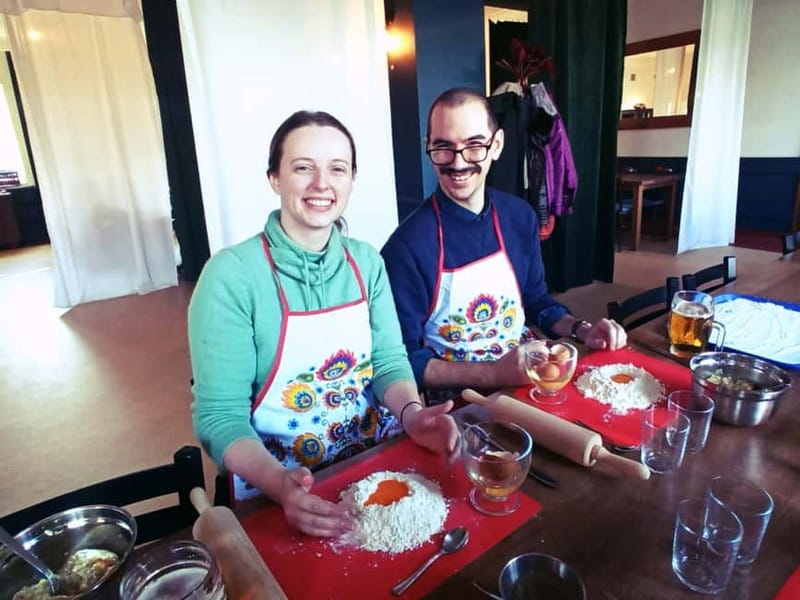
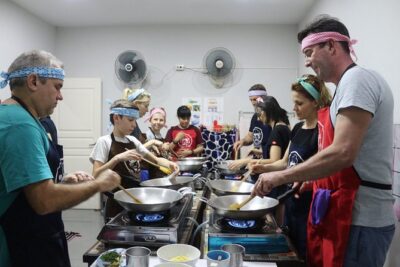
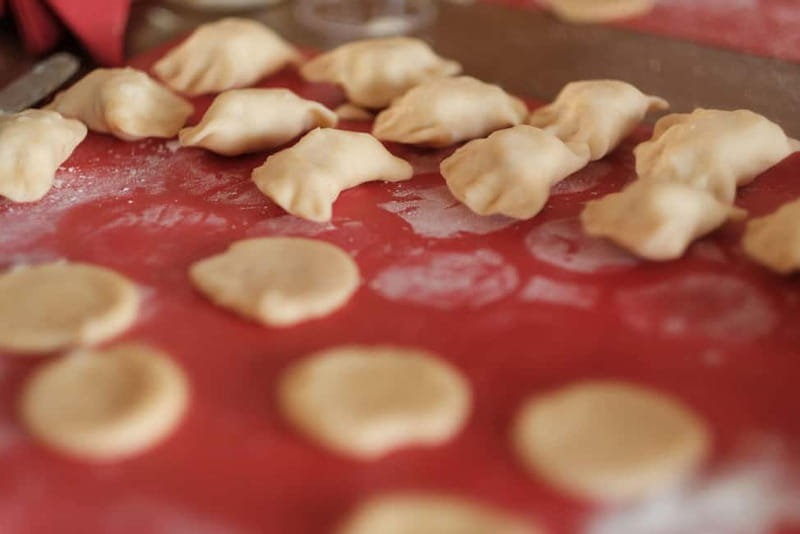
A pierogi cooking class sounds simple until you realize what you’re actually learning: dough, fillings, shaping, boiling, and then eating your own work. In this Krakow class, the whole point is that you’re not a spectator. You’ll be guided step by step, starting with dough you make yourself and ending with pierogi you enjoy hot, with a local drink.
The setting is a local restaurant near Krakow’s city center, which is convenient for timing. The trade-off is that you’ll want to plan a little extra time to find the place—one guide-led experience has been hard to spot at night due to minimal signage.
The duration is 2 hours, so it moves. That’s good if you want a compact, high-satisfaction activity that doesn’t eat your whole day, and you want something more hands-on than a typical walking tour.
You can also read our reviews of more tours and experiences in Krakow.

From Scratch Dough: The First Skill That Makes Pierogi Click
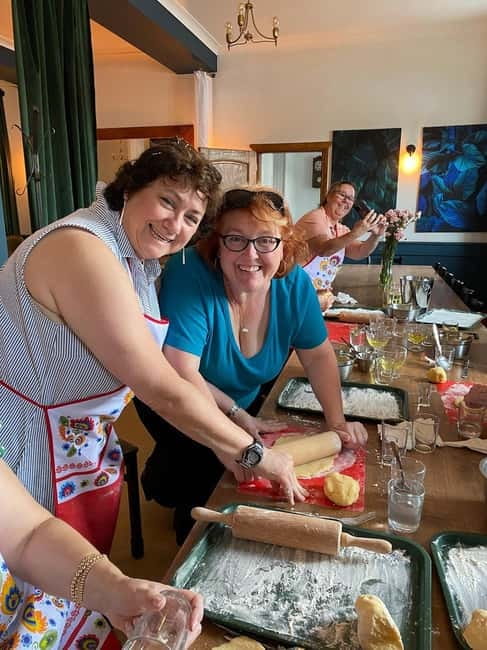
The first big win here is that you make pierogi dough entirely from scratch. That matters because pierogi are only as good as the base. You’re guided through the process, and the class is designed for beginners as well as people who cook at home.
This is the moment where you learn what you’re aiming for: a dough that’s workable, easy to shape, and not so fragile that it falls apart during boiling. Even if you’ve never made dumplings, you’ll have an instructor there to keep you from guessing.
Also, you get the kind of practical guidance you can actually use later. The class is built around family-style methods and includes recipe tips and tricks to try at home. That’s more useful than vague advice because you’ll remember what worked, not just that it was delicious.
Savory and Sweet Fillings: Two Flavors, One Polish Craft
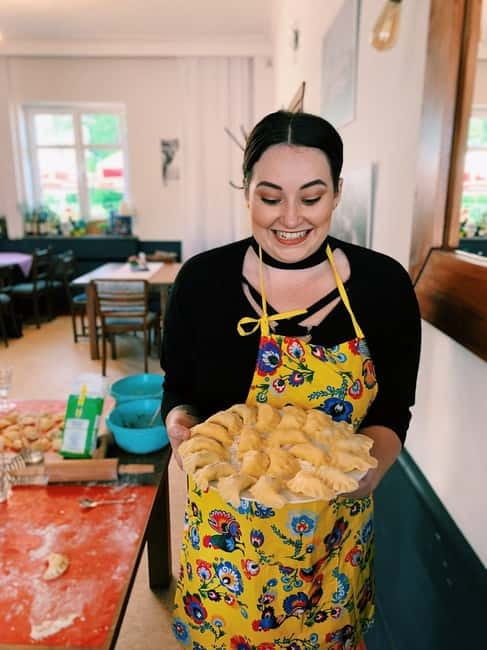
Next come the fillings, and you’ll make two different ones—one savory and one sweet. That’s a smart setup, because it trains you to think about pierogi as more than one dish. You’re not just making a single meal; you’re learning how Polish pierogi can swing from comforting dinner food to dessert-style satisfaction.
For your savory filling, you’ll follow the instructor’s guidance to prepare it as part of the workflow, not as a separate cooking project. For your sweet filling, you’ll do the same thing—again with step-by-step help. When you cook both in the same class, it helps you understand how filling texture and flavor influence what you taste at the end.
The best part is that you leave with enough pierogi to eat during the class, and also enough to take home—at least that’s how one Magda-led group described it: they made plenty of both kinds. Even if your portion varies by group size, you can expect a satisfying output for the time you spend.
Sealing and Boiling: Where Hands-On Coaching Pays Off
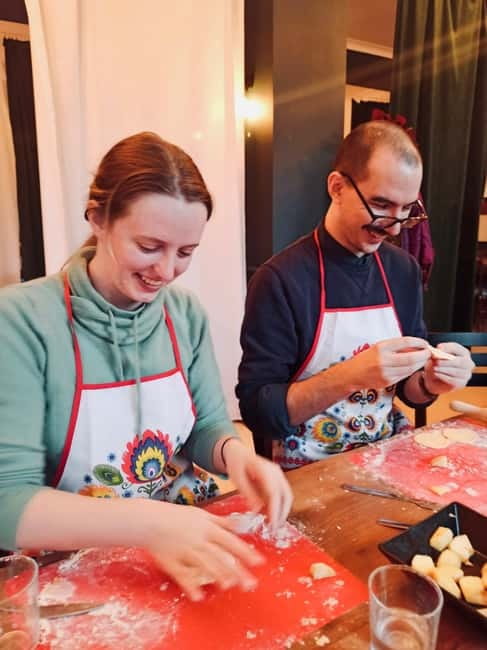
Once you have dough and fillings, the class focuses on doing the full process: filling, shaping, and boiling until the pierogi are ready. This is where beginner cooks often worry. It’s also where having a local instructor makes the biggest difference.
Because you’re working in a shared kitchen environment, you get real-time corrections. That reduces the guesswork that usually comes with home experiments. You’ll learn the steps as you go, so you’re not stuck trying to translate instructions after the fact.
Boiling is especially important for pierogi texture. If you’ve ever had dumplings that turn out mushy or chewy, you know boiling control matters. Here, the class guides you through that final stretch so your pierogi come out cooked but still tender.
If you’re the type who likes to ask questions, this section is your sweet spot. One Sylwia-led class (with only a small number of participants) became more of a chat about Polish history during the process, which shows how comfortable the instructor approach can be.
Eating Your Pierogi with Beer or Wine: The Payoff Bite
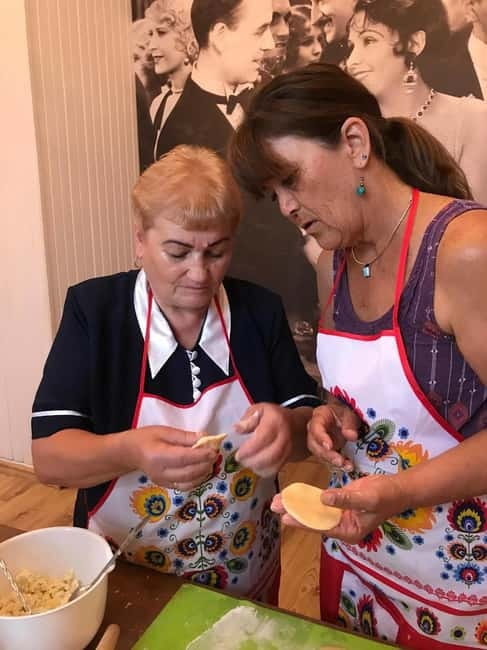
Then comes the best moment: you eat what you made. Your pierogi are served with a local drink pairing—either beer or wine—so the meal feels complete rather than like a cooking demo.
This part is more than a nice extra. It gives you immediate feedback on your results. You can taste how your dough holds up, how the fillings are balanced, and whether the boiling step hit the target. That’s exactly what you need if you want to recreate the experience later.
It also helps that the group tends to be small. In one experience with Magda, the group size was described as about 6, and that kind of number supports conversation and quick help. Even when the group is larger, instructors can manage the pace—one Sylvie/Sylvia-led experience described handling a larger group smoothly.
The Culture Lesson You Get While Your Hands Are Busy
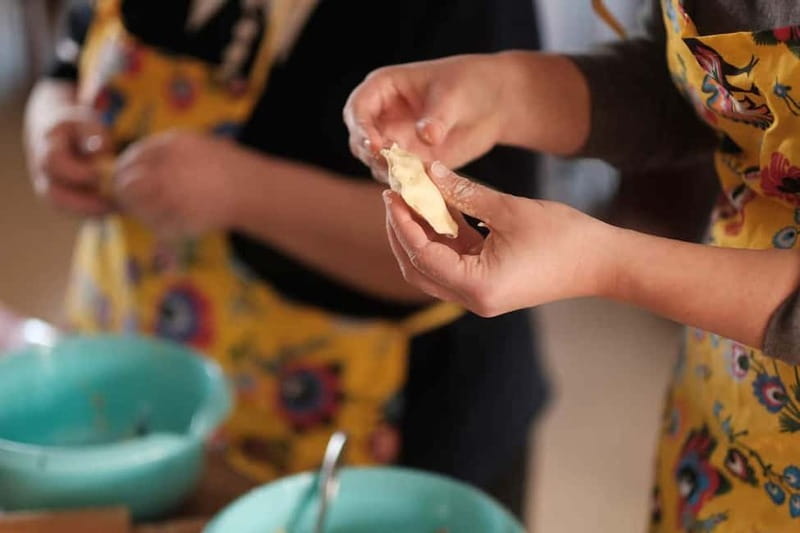
The class doesn’t treat pierogi like a frozen food brand. You’ll hear about Polish culinary culture and the history behind the dish as you cook. You also get family recipe-style insights, including the idea that techniques come from grandmothers’ kitchens.
That storytelling matters because pierogi are more than a dumpling recipe. They’re tied to how people eat in different seasons and life moments—practical, filling, and adaptable. When someone shares how they learned the dish at home, the food stops being just something you order and becomes something you understand.
In a small-group situation, the cultural talk can get deeper. One class hosted by Sylwia turned into extra conversation and story-sharing about Polish history. Another Sylvie-led session included chatting while also getting trip recommendations for the rest of the day, which tells you the instructors don’t only run a lesson—they help you travel better through context.
Instructor Style in English: Why Clear Teaching Feels Like a Superpower
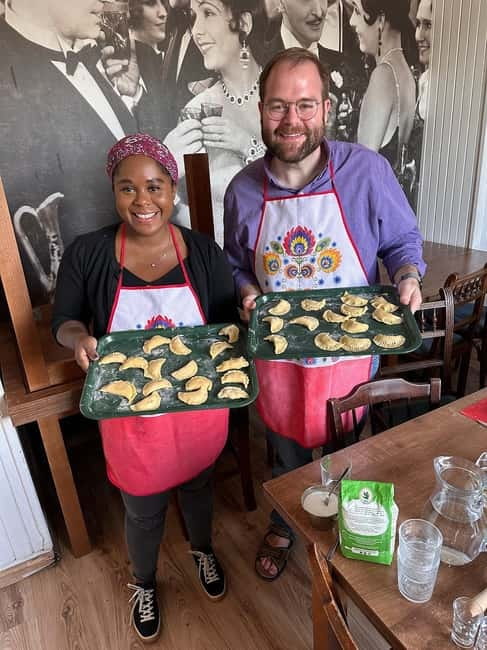
This is an English-taught class, and the teaching style is a major reason for the high satisfaction. In multiple accounts, Magda and Olga were singled out for being engaging and very hands-on. Sylwia and Sylvie/Sylvia also came up repeatedly, with the common thread being clear explanations and lots of support while people cook.
What I like about this kind of instructor-led class is that it reduces intimidation. If you’ve never made dough before, you get shown what to do. If you cook a little at home, you still benefit because it’s structured and step-by-step rather than trial and error.
You’ll also get recipe tips and tricks you can take home. That makes it less like a one-off activity and more like a skill transfer. The best part is that those tips come alongside the culture story, so you learn the why, not just the what.
Price and Value: What $89 Buys You (and What It Doesn’t)
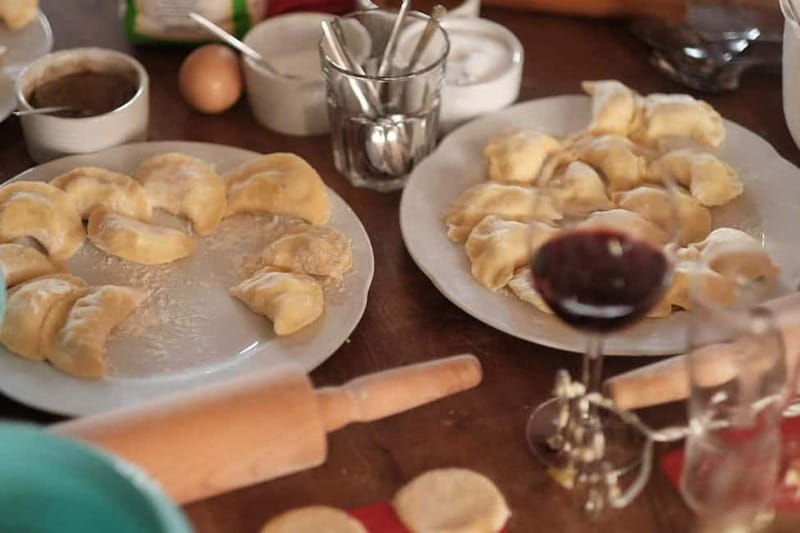
At $89 per person for a 2-hour class, you’re paying for more than a bowl of food. You’re paying for ingredient cost, an instructor to guide you through every step, the use of kitchen equipment, and a meal with a local drink pairing. You’re also paying for the fact that you make two fillings, not just one.
For value, this is a good deal if you want a hands-on Krakow food experience and you don’t want to spend extra time finding dinner afterward. The class feeds you, teaches you, and gives you take-home recipe guidance, all in one timed window.
It might be less ideal if you’re short on time in Krakow and want something that fills the whole evening or includes additional stops. It’s also not a passive tasting tour. If you really prefer just tasting without cooking, you may find the active pace tiring.
Still, for most people who enjoy food and want something authentic beyond typical sightseeing, this price-to-experience ratio feels fair.
Timing, Location, and Venue Finding Near Krakow’s Center
The class meets at a local restaurant near Krakow’s city center. That’s a practical advantage: you can pair it with other central activities without needing long transportation plans.
The caution is finding the venue. One experience mentioned difficulty locating the restaurant because there were no lights or signs outside. So if you arrive early, don’t panic. Give yourself a buffer, and consider checking your directions against a visible landmark nearby.
Because the class is only 2 hours, arriving late cuts into your dough-and-filling time. If you’re the kind of traveler who likes to wander into places by chance, set a clear plan for this one. Your schedule will feel smoother.
Who This Pierogi Class Suits Best
This Krakow pierogi cooking class is a great match if you:
- want a hands-on Polish food experience in a short time
- enjoy learning recipes you can recreate later
- like having a local instructor share culture, not just instructions
- travel in a small group and want more personal attention
It’s also ideal for first-timers. The class is designed to welcome people new to cooking. You’ll still be challenged in a friendly way because you handle dough, two fillings, and the boiling process with guidance.
If you’re traveling solo, it can still work well, especially if the class runs small. One Sylwia-led session was just a few people, and the host used the quiet time for more story-sharing. That kind of atmosphere can be a real perk.
Should You Book the Krakow Pierogi Cooking Class?
Yes, if you want a warm, practical Krakow food experience and you like learning by doing. The biggest selling points are simple: you make pierogi from scratch, you make both sweet and savory, and you eat them right there with a local drink.
I’d book especially if you’re the type who values skill transfer. The combination of step-by-step teaching, family-recipe style tips, and recipe tricks to try at home means you come away with more than a meal.
I’d think twice if you hate active cooking tasks or if your schedule is so tight that a hard-to-find entrance could stress you out. Give it a little extra time at the start, and it becomes a very enjoyable, confidence-building activity.
FAQ
How long is the Krakow Pierogi Cooking Class?
The class lasts 2 hours.
Is the class taught in English?
Yes. The instructor speaks English.
What will I make during the class?
You’ll make pierogi from start to finish. That includes making the dough, preparing two fillings (one savory and one sweet), and boiling the pierogi.
Will I get to eat the pierogi I make?
Yes. After boiling, you’ll enjoy your homemade pierogi, paired with a local drink (beer or wine).
Is this class a small group experience?
Yes. It’s described as a small group experience, with examples including groups of around 6 people.
Do I have to pay right away?
You can reserve now and pay later, keeping your plans flexible.
Is there free cancellation?
Yes. You can cancel up to 24 hours in advance for a full refund.