REVIEW · KRAKOW
Pierogi Cooking Class with Market Shopping and Local Snacks
Book on Viator →Bookable on Viator
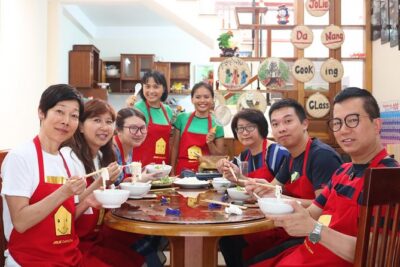
Krakow smells like butter and dumplings. This small-group pierogi class turns an apartment kitchen into a hands-on Polish food lesson, starting with a walk through the area’s oldest marketplace and ending with a full dumpling meal. I love how you get market shopping plus step-by-step cooking, and you don’t just watch—you make the pierogi yourself.
One thing to consider: the experience happens in a local home kitchen, so it’s compact and very focused on cooking (less sightseeing, more rolling, shaping, and eating). If you want a slow, casual stroll through Krakow streets, save that for another afternoon.
In This Review
- Key highlights you’ll care about
- Why This Pierogi Class Feels Like Real Krakow Cooking
- Meeting Point and Timing: Plan Your Afternoon Around Dumplings
- Marketplace Walk for Real Ingredients (and Real Polish Snacking)
- What changes on Sundays
- Back in the Apartment: Snacks, Conversation, and Cooking Space
- The Main Event: Dough, Filling, Shaping, and Boiling
- 1) Dough making and kneading
- 2) Traditional filling: cottage cheese, potatoes, caramelized onions
- 3) Shaping and pleating
- 4) Boiling and finishing
- What You’ll Eat: Starters, Pierogi, and Regional Alcohol
- Starters (seasonal local snacks)
- Main dish: pierogi with traditional filling
- Dessert: regional alcohol pairing
- Value Check: Why $83.48 Can Be a Smart Deal
- Who Should Book This in Krakow (and Who Might Not)
- Who should think twice
- Practical Tips to Get the Most From Your Pierogi Class
- Should You Book This Pierogi Cooking Class?
- FAQ
- How long is the pierogi cooking class?
- How many people are in the class?
- Is the class offered in English?
- Where do we meet in Kraków?
- Do you always visit the market?
- What pierogi filling will you make?
- What food and drinks are included?
- Are service animals allowed?
- What is the cancellation refund window?
Key highlights you’ll care about
- Max 6 people, so you get real coaching while you shape the dumplings
- Old-market ingredient hunt before you cook, including cheese and other local staples
- Traditional filling: cottage cheese, potatoes, and caramelized onions
- Hands-on dough work, from kneading to pleating to boiling
- Seasonal snacks and regional alcohol paired with your meal
- Sundays skip the food market, so the flow changes slightly
Why This Pierogi Class Feels Like Real Krakow Cooking
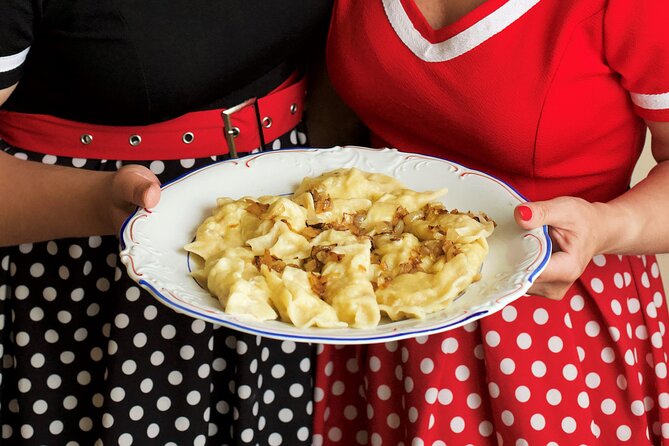
If you want Krakow in a bite-sized, do-it-yourself format, this class is a smart choice. You start in the market area, then move to a local’s apartment kitchen where you learn pierogi from the ground up.
The biggest draw is that it’s not a lecture. You learn dough-making, filling prep, and the exact way to shape and seal pierogi so they boil up properly. I also like that it’s small—up to 6 people—because you’re sharing counter space, so your instructor can actually correct your technique as you go.
English support is included, and the pacing is built around making sure everyone finishes with a plate of dumplings they made. That matters, because pierogi can be fiddly. If you’re the kind of person who wants to learn how to recreate something at home, this class gives you that repeatable method.
You can also read our reviews of more tours and experiences in Krakow.
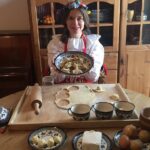
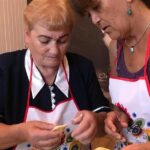
Meeting Point and Timing: Plan Your Afternoon Around Dumplings
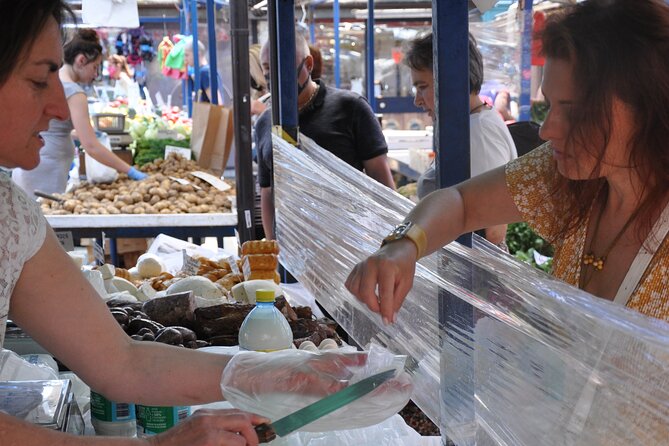
You meet at Grunwald Monumentplac Jana Matejki, 30-001 Kraków, Poland. The tour returns to that same point at the end, which keeps things simple when you’re figuring out your day.
The class runs about 3 hours. That’s long enough to do real cooking (not just a quick taste), but not so long that you’ll miss your evening plans. You’ll also want to treat this as your meal. The experience includes starters/snacks, pierogi as the main event, and an alcohol pairing at the end. In other words: don’t book dinner right after.
You should also know there’s a mobile ticket. Add it to your phone, show up at the meeting point, and you’ll be ready to start.
Marketplace Walk for Real Ingredients (and Real Polish Snacking)
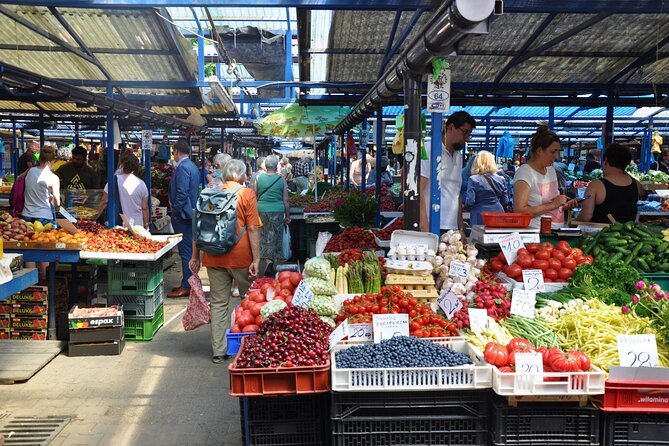
The first major part is the walk through the oldest marketplace in town. This is where you get more than groceries—you get context. You’ll learn what to look for in ingredients (especially cheese), and you’ll taste some local foods along the way.
This stop is also fun because it’s practical. You’re not just told what pierogi should taste like—you see where the key ingredients come from and you buy what you need for the class. And because it’s a market, you’ll naturally want to sample things that aren’t part of the lesson. That’s part of the charm of cooking with fresh items.
What changes on Sundays
If your trip lands on a Sunday, the experience takes place without visiting the food market. That means you’ll still cook and eat, but you lose that market walk portion.
Back in the Apartment: Snacks, Conversation, and Cooking Space
Next comes the short walk to the instructor’s apartment. This is where the vibe shifts from public market chatter to a more personal, hands-on kitchen lesson.
Before you start rolling dough, you’re treated to local snacks and drinks. The snacks are seasonal, and the menu can include things like fresh and smoked cheeses, Polish sausage, sour cucumbers, or sour cabbage. You’ll also hear the instructor’s culinary tips and learn stories tied to Kraków and local food traditions.
A key benefit of this apartment format is that it keeps the group close. With a small number of people, you get steady attention—important for something like dough kneading and sealing pierogi edges. It’s also a cozy setting for trying regional alcohol after the cooking portion.
The Main Event: Dough, Filling, Shaping, and Boiling
Here’s the heart of the experience: you learn the whole process, not just the finished dumplings.
1) Dough making and kneading
You’ll learn how to make the pierogi dough and how to get the texture right through kneading. This is the kind of detail that usually makes or breaks homemade dumplings. In cooking terms, you’re learning how to control firmness and stretch so the dough holds up during shaping and boiling.
2) Traditional filling: cottage cheese, potatoes, caramelized onions
The class uses a traditional filling: fresh cottage cheese, potatoes, and caramelized onions. It’s vegetarian, and it’s built around a flavor combo Poland does extremely well—comforting, savory, and slightly sweet from the onion caramelization.
You’ll also learn how to prepare the potato portion properly for the filling, since potato texture affects how your filling behaves when you seal and boil the pierogi.
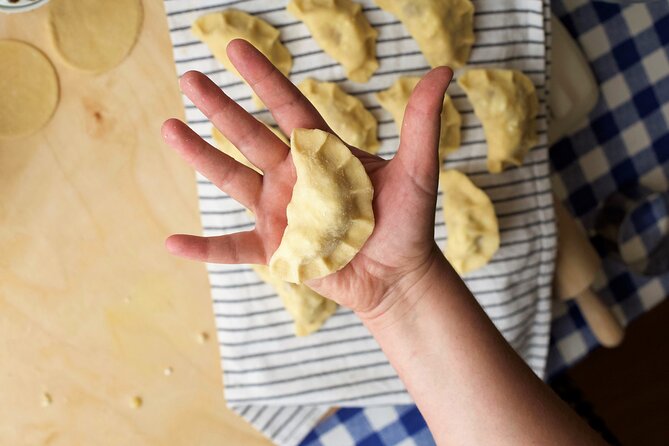
3) Shaping and pleating
Then comes the fun, slightly challenging part: creating the pierogi shapes. Folding pierogi is a skill, not a miracle. Expect to take a few tries to get the edges closed cleanly, especially if you’ve never done it before. Once you understand the sealing technique, it gets easier fast.
4) Boiling and finishing
Finally, you boil your pierogi and serve them with the classic finishing touches. One of the reasons people love this class is that it’s not just theory—you see the dumplings through the end of the process.
And yes, you’ll likely make a lot of pierogi. With a full class, the goal is big: everyone should leave fed, and many people end up with extra they can take home.
What You’ll Eat: Starters, Pierogi, and Regional Alcohol
The sample menu is built around a classic Polish rhythm: start with snacks, eat dumplings as the main dish, then finish with an alcohol pairing.
Starters (seasonal local snacks)
The starter portion depends on the season, but the kinds of foods you may see include:
- local fresh and smoked cheeses
- Polish sausage
- sour cucumbers or sour cabbage
These starters matter because they introduce you to the Polish flavor patterns that work with pierogi—salty, savory, and nicely acidic.
Main dish: pierogi with traditional filling
Your main course is the pierogi you make—again, with the traditional filling of cottage cheese, potatoes, and caramelized onions.
Dessert: regional alcohol pairing
For dessert, you’ll taste regional alcohol, such as homemade liquor or a selection of regional favorites paired with the main dish. In one version of the experience, bison vodka infused with grass was served, which gives you a memorable, very local end note.
Value Check: Why $83.48 Can Be a Smart Deal
At $83.48 per person for about 3 hours, this class might sound pricey until you look at what’s included.
You’re paying for:
- expert instruction on dough, filling, shaping, and boiling
- a guided walk through the marketplace where ingredients are bought
- seasonal snacks before cooking
- a full meal of pierogi you made yourself
- regional alcohol at the end
- a small-group format (max 6), which means more time with the instructor
For a lot of food experiences in Europe, you can either pay for a lesson or pay for a meal. Here, you get both, and the market step adds value because it teaches you what to select (especially cheese) if you’re trying this again back home.
If you enjoy hands-on experiences and you like eating what you cook, this pricing tends to feel fair.
Who Should Book This in Krakow (and Who Might Not)
This works especially well for:
- Families looking for something interactive (the experience has been described as great for kids)
- Couples who want a shared activity and don’t want a stiff, scripted tour
- Food lovers who want a real technique, not just a tasting
If you like meeting other people while cooking, this also helps. The small group format makes it easier to chat without feeling like you’re stuck in a bus tour.
Who should think twice
If you strongly prefer sightseeing over cooking, you may find the format too food-centered. This is a cooking class first, Kraków “wandering” second.
Also, because there’s alcohol involved, it’s worth considering your comfort level if you’re not planning to taste much.
Practical Tips to Get the Most From Your Pierogi Class
A few small choices can make the day feel smoother:
- Arrive ready to cook. Wear something comfortable for standing and handling dough.
- Keep your schedule flexible. You’ll eat plenty here, and it’s easiest if you don’t plan a big dinner right after.
- Pay attention to cheese and dough texture. These are the parts you’ll remember when you try making pierogi later at home.
- Ask questions about the ingredients while you’re shopping in the market area. That’s when the lesson becomes most useful for real life.
Should You Book This Pierogi Cooking Class?
If you want a hands-on Kraków experience that mixes food technique with local shopping and plenty of eating, this is a strong yes. The small group size, the full pierogi process (dough to boiling), and the traditional filling make it feel like a complete class, not a quick novelty.
Book it if:
- you enjoy cooking or want a real skill
- you like learning how ingredients affect the final dish
- you’d rather eat well than just take photos
Skip it if:
- you’re hoping for a mostly sightseeing afternoon
- you dislike food-focused activities or alcohol pairings
If that sounds like your kind of day, you’ll likely leave with a new comfort-food skill and a belly full of pierogi you made yourself.
FAQ
How long is the pierogi cooking class?
It lasts about 3 hours.
How many people are in the class?
The class is limited to a maximum of 6 travelers.
Is the class offered in English?
Yes, it’s offered in English.
Where do we meet in Kraków?
You meet at Grunwald Monumentplac Jana Matejki, 30-001 Kraków, Poland.
Do you always visit the market?
No. On Sundays, the experience takes place without a visit to the food market.
What pierogi filling will you make?
The traditional filling is fresh cottage cheese, potatoes, and caramelized onions.
What food and drinks are included?
You’ll get seasonal local snacks, then pierogi. At the end, you’ll also have regional alcohol paired with the main dish.
Are service animals allowed?
Yes, service animals are allowed.
What is the cancellation refund window?
You can cancel up to 24 hours in advance for a full refund. If you cancel less than 24 hours before the start time, you won’t receive a refund.