REVIEW · TOKYO
Ramen and Gyoza Cooking Class in Tokyo
Book on Viator →Operated by 九条tokyo · Bookable on Viator
Ramen gets personal in Yanaka. This 90-minute cooking class has you making miso ramen and three gyoza styles plus a short history chat, so you leave with a practical guide to what makes Japanese ramen different across the country. I like that the broth starts with kelp plus chicken or scallops, yet the process is taught in a way beginners can follow. I also like that Sioji works with a translator when needed, which keeps the steps clear instead of leaving you guessing.
The only thing to weigh is timing and price: $91.76 is for a private group with a minimum of 2 people, so solo plans may feel expensive. It’s also a short session, so you’ll learn the core method rather than trying to master every possible ramen variation.
In This Review
- Key highlights that make this class worth it
- Yanaka is the right neighborhood for a noodle lesson
- What you cook: miso ramen built from kelp + miso
- Your broth base: kelp plus a main protein or vegetables
- Toppings you assemble as you go
- Gyoza workshop: three dumpling styles, not one
- What makes this class feel beginner-friendly
- The mini history lecture that helps you read ramen menus
- Private class format in a Japanese-style house
- Who it suits best
- Price and value: is $91.76 a fair deal?
- Timing, meeting point, and what 1.5 hours really means
- Where to meet: Yanaka, Taito City
- The mobile ticket setup
- What the flow likely feels like
- Vegan and vegetarian-friendly planning that actually changes the bowl
- Should you book this ramen and gyoza class in Tokyo?
- FAQ
- Is vegan miso ramen available?
- What kinds of gyoza will I make?
- What kind of ramen do you cook?
- How long is the cooking class?
- Where is the meeting point in Tokyo?
- Is this a private experience?
- What time does the class start?
- Is there a minimum number of participants?
- When will I get confirmation after booking?
- Can I cancel for a full refund?
Key highlights that make this class worth it
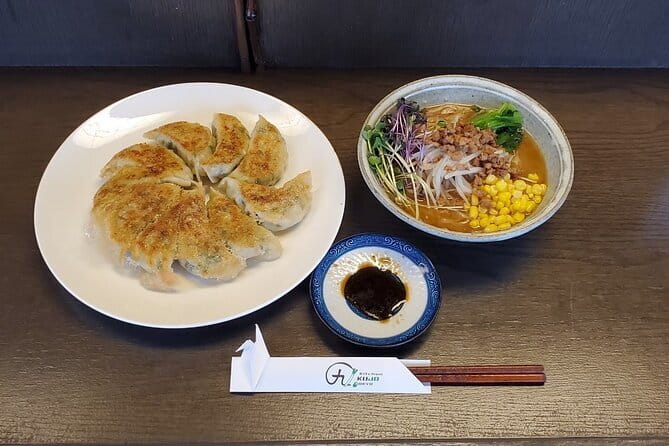
- Miso ramen with kelp-based broth using chicken or scallops, with vegan broth using kelp and vegetables
- Three gyoza styles: regular fried dumplings, cheese dumplings, and kimchi dumplings
- A mini lecture on how ramen and gyoza evolved in Japan so you understand what you’re eating
- Yanaka location near Ueno Station or Nippori in a more old-Tokyo neighborhood
- Private class for only your group, with a minimum of 2 people
Yanaka is the right neighborhood for a noodle lesson
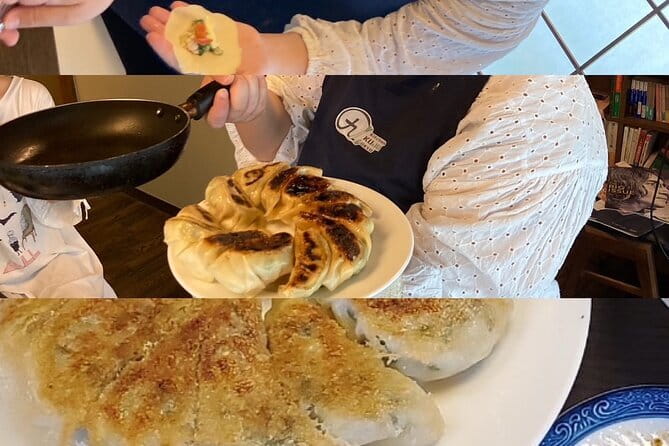
Yanaka is one of those Tokyo areas where the pace feels calmer. You’re in Taito City, and the meeting point is at 谷中スペース (Yanaka, 1-chōme2-10). It’s close enough to Ueno Station or Nippori that you can pair this with a morning or lunch-style Tokyo plan without wrestling with complex transfers.
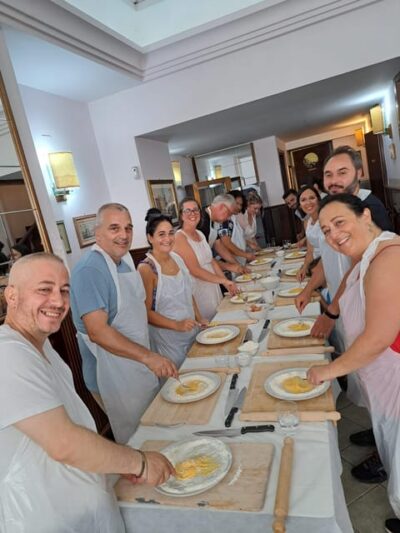
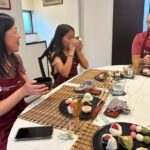
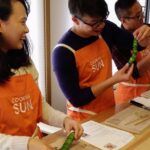
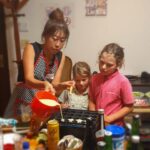
The best part for me is the setting style. You’ll cook in a Japanese-style house, and the vibe is relaxed, so it doesn’t feel like you’re “performing” food. The class also welcomes different kinds of groups, from adults to families with children, which usually means the tone stays friendly and not overly formal.
Add in the fact that this cooking experience has been running since 2018 (excluding the coronavirus period) and has served 500+ foreign visitors, and you can expect the hosting to be practiced and smooth. A lot of food classes sound good on paper—this one has the track record to back it up.
You can also read our reviews of more tours and experiences in Tokyo.


What you cook: miso ramen built from kelp + miso
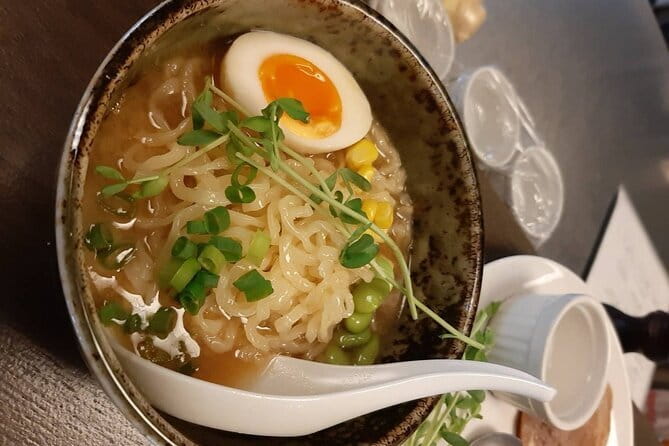
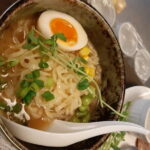
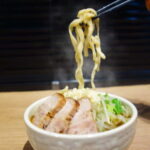
This class centers on miso ramen, and the way it’s structured is useful for real travel. You’re not just making a bowl and moving on. You’re learning the differences between ramen elements—like noodles and broth—so the lesson can turn into a practical ramen guide later.
Your broth base: kelp plus a main protein or vegetables
You’ll make miso ramen using a broth built from kelp, plus either:
- Chicken (with kelp)
- Scallops (with kelp)
And for vegans, the approach changes to:
- Kelp + vegetables instead of animal-based ingredients
That matters because a lot of ramen “wow” comes from the broth depth. In this class, you learn that the base ingredients aren’t random—they’re the foundation of the flavor profile. Once you know the role of kelp in the broth, you’ll start noticing similar foundations in shops across Tokyo and beyond.
Toppings you assemble as you go
You also enjoy your ramen with toppings. The key is that you’re doing it hands-on, so you understand how toppings balance the bowl instead of treating them as a last-minute garnish.
If you plan to eat ramen after the class, you’ll likely feel more confident ordering, because you’ll know what to ask yourself: Is the broth built on kelp? Is it miso? What does the noodle-and-broth pairing seem to be aiming for?
Gyoza workshop: three dumpling styles, not one
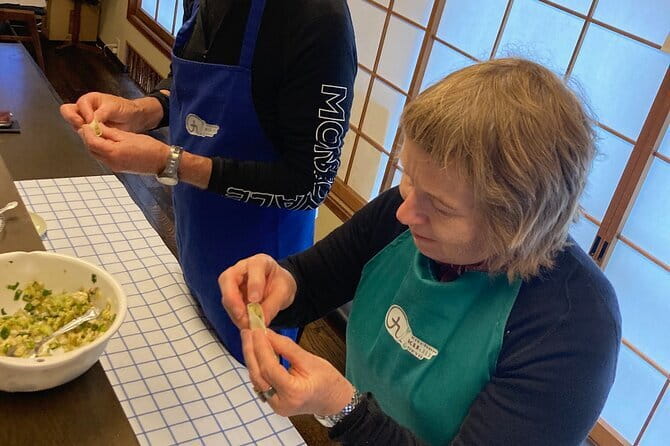
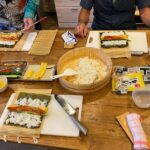
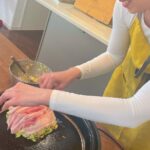
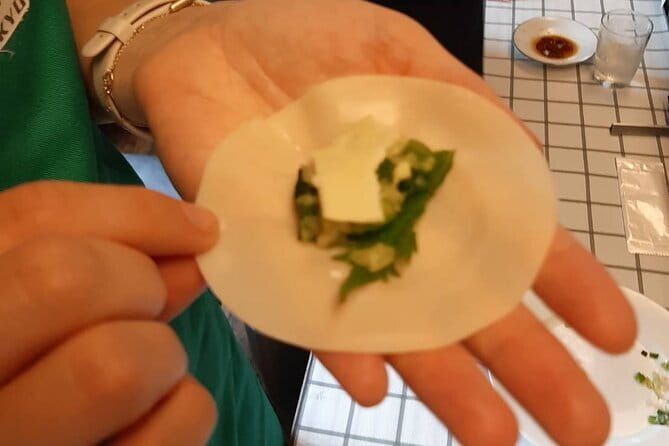
If ramen is the headline, gyoza is the side plot that steals the show. You make three types of Japanese-style fried dumplings:
- regular fried dumplings
- cheese dumplings
- kimchi dumplings
That trio is clever. It shows how the same dumpling format can swing from traditional to fusion-flavored. Even if you already like gyoza, making different styles in one session gives you a clearer picture of how filling choice changes aroma, taste, and overall balance.



What makes this class feel beginner-friendly
The class is designed to be approachable. One of the strongest signals from the experience is that it gives you a simple recipe you can repeat at home, not a complicated technique that only works in a classroom kitchen. I like that the hosts keep things patient and clear, especially when communication support is needed through a translator.
So if you’re worried you’ll only stand around, don’t. This is built around actually cooking.
The mini history lecture that helps you read ramen menus

You get more than a cooking demo. There’s a lecture component that briefly looks back at how ramen and gyoza evolved in Japan. You’ll get it in a “short and useful” format rather than a long classroom lecture.
Why this matters while traveling: ramen culture in Japan is precise. People are particular about details like broth style, noodle type, and the overall direction of flavor. If you understand the basic evolution, you’ll spend less time guessing and more time noticing what you’re eating.
This is also why the class doubles as a ramen guide. By the time you’re done, you’ll be better at recognizing the differences across ramen regions—at least at the level of what makes each bowl distinct. You won’t just remember the taste; you’ll be able to connect taste to ingredients.
And yes, ramen and gyoza are both treated as “Japanese foods” now, even though their paths into Japanese eating culture had their own story. That context helps the bowl feel like culture, not just comfort food.
Private class format in a Japanese-style house
This is a private tour/activity, meaning only your group participates. That’s a big deal for comfort. You can ask questions without feeling like you’re in a crowded room, and the host can pace the lesson to your group.
It’s also designed for mixed group needs. The instruction includes an available vegan option, and the environment is relaxed enough that families can enjoy it too. In practice, that means the class doesn’t feel intimidating if you’re traveling with kids or if you’re new to Japanese cooking.
Who it suits best
This class is a good fit if you:
- want a hands-on food experience rather than just eating
- care about learning how broth and noodles work together
- want a ramen-and-gyoza lesson you can use immediately after the class
- need a vegan option that actually changes the broth approach
It may be less ideal if you’re traveling solo and want maximum value per person, because the minimum participation requirement can push the total cost up.
Price and value: is $91.76 a fair deal?

At $91.76 per person, the price isn’t “cheap,” but it also isn’t random. You’re paying for a private, structured cooking session with:
- miso ramen cooking (including broth approach)
- three gyoza styles
- a mini history lecture
- a host who works with a translator when needed
- a Japanese-style house setting near Ueno/Nippori
The 1 hour 30 minutes duration is also important. This isn’t a long day. You get concentrated instruction and then you eat what you made. For many people, that’s the sweet spot: learning enough to recreate it later, without losing half a day to cooking logistics.
The one cost consideration is the minimum of 2 people. If you’re traveling as a pair, it can feel like a very reasonable way to get more than a meal. If you’re solo, you’ll want to do the simple math: the class is still private, but the minimum can make the per-person value less attractive.
Timing, meeting point, and what 1.5 hours really means
The class starts at 11:00 am and runs about 1 hour 30 minutes. That means it’s ideal for travelers who want a meaningful food activity without sacrificing the whole day.
Where to meet: Yanaka, Taito City
Meeting point address:
Japan, 110-0001 Tokyo, Taito City, Yanaka, 1-chōme210 谷中スペース
It’s near public transportation, and it’s in a neighborhood that’s easy to explore before or after.
The mobile ticket setup
You’ll receive a mobile ticket, so you won’t be hunting for paper. Bring your phone and keep your booking details handy.
What the flow likely feels like
Even though the session is short, it’s structured: lesson first (including history context), cooking second (ramen and gyoza), then eating. The “hands-on” part is emphasized, and the food is taught in a way you can realistically repeat at home.
Vegan and vegetarian-friendly planning that actually changes the bowl

One of the most practical wins here is that the vegan option isn’t just a “swap topping” situation. For vegans, the class makes miso ramen using:
- kelp and vegetables broth
So you’re not being asked to eat around the main broth. You’re learning a version that fits vegan needs and still matches the class focus: broth building.
If you’re vegetarian (not vegan), the class is still worth considering since it’s built around adjustable broth choices. Just double-check what specific dietary option is available for your booking so you get the version you want.
Should you book this ramen and gyoza class in Tokyo?
Book it if you want a food experience with both skills and context. This class is a strong choice because it combines:
- miso ramen you can make again at home
- three gyoza styles, including cheese and kimchi
- a mini history lesson that helps you understand what you’ll see and taste afterward
- a relaxed Yanaka setting and a private setup that makes questions easy
Skip it or reassess if you’re traveling solo, because the minimum of 2 people can make the total cost harder to justify. Also keep expectations realistic: it’s 90 minutes, so you’ll learn the core method, not every possible ramen technique.
If you’re looking for one Tokyo activity that gives you a memorable meal plus real take-home value, this one fits the bill.
FAQ
Is vegan miso ramen available?
Yes. The class includes a vegan version of miso ramen made with broth from kelp and vegetables.
What kinds of gyoza will I make?
You’ll make three types of dumplings: regular fried dumplings, cheese dumplings, and kimchi dumplings.
What kind of ramen do you cook?
You’ll make miso ramen using an original soup and broth built from kelp plus either chicken or scallops (depending on the version you’re doing).
How long is the cooking class?
It runs about 1 hour 30 minutes.
Where is the meeting point in Tokyo?
You meet at 谷中スペース in Yanaka, Taito City: 1-chōme210, Yanaka, Tokyo 110-0001.
Is this a private experience?
Yes. It’s a private tour/activity, so only your group participates.
What time does the class start?
The start time is 11:00 am.
Is there a minimum number of participants?
Yes, the experience requires a minimum of 2 people.
When will I get confirmation after booking?
You receive confirmation within 48 hours of booking, subject to availability.
Can I cancel for a full refund?
You can cancel up to 24 hours before the experience’s start time for a full refund. If you cancel later than that, the amount paid won’t be refunded.