REVIEW · PALERMO
Palermo: Pasta & Tiramisu Cooking Class with Flowing Wine
Book on GetYourGuide →Operated by The Roman Food Tour · Bookable on GetYourGuide
Fresh pasta and tiramisu in Palermo feels like a cheat code. I like how this class turns a simple cooking lesson into a full evening at a real local restaurant. You’re not just watching; you’re making, tasting, and learning the logic behind the dishes.
Two things I’d repeat fast: the step-by-step guidance (especially for pasta dough) and the steady flow of drinks—Prosecco on arrival plus wine with your meal. It’s also a friendly format for meeting people without feeling like a stuffy event.
One consideration: the traditional recipes include gluten, dairy, and eggs, and while substitutions may be possible, they can’t promise zero cross-contact. If you’re very restricted, read the dietary notes closely before you book.
In This Review
- Key highlights at a glance
- Carlo V and Quattro Canti: where the class starts in Palermo
- Practical tip
- Prosecco at the start sets the tone for the whole 150 minutes
- Tiramisu lesson: making dessert feel doable (and not sloppy)
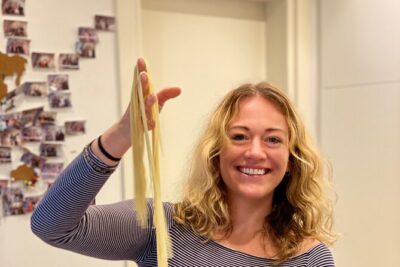
- Fresh pasta dough from scratch: the technique you’ll actually use again
- What you’ll notice as you work
- The meal: sit down, sample your work, and drink with it
- If you like photo moments
- Price and value: why $56 works better than it looks
- Dietary needs and recipe reality: plan carefully
- Who this Palermo class suits best
- A quick word on the teaching style and the hosts
- Should you book this Palermo pasta and tiramisu class?
- FAQ
- Where does the class meet in Palermo?
- How long is the cooking class?
- What’s included with the class price?
- Is hotel pickup or drop-off included?
- Do they offer dietary options?
- What should I bring, and is smoking allowed?
Key highlights at a glance
- Carlo V (Carlo Quinto) meeting point only about 100 meters from Quattro Canti, so you’re in the heart of Palermo quickly
- Prosecco on arrival and a glass of wine with your meal, making the class feel like a proper dinner plan
- Tiramisu first, with instruction (and time to cool before eating) so you’re not rushing dessert
- Pasta dough lessons from scratch, including flour choice and the difference between pasta fresca and pasta secca
- Intimate, interactive teaching led in English, with hosts/chefs like Simone, Giuseppe, Pedro, and Carlos mentioned across experiences
- You sit down to eat what you make, then keep the evening going with your group and the wine
Carlo V and Quattro Canti: where the class starts in Palermo
This cooking class meets at the restaurant Carlo V (Carlo Quinto). The location matters more than people think. You’re not schlepping across town or fighting a hard-to-find meeting point. It’s about 100 meters from Quattro Canti, one of Palermo’s most recognizable intersections, so you can build the rest of your day around it.
When you arrive, you check in right at the restaurant door—enter Carlo V—and you’re soon inside with your group. The vibe is the kind you want in a food activity: practical, social, and already set up like a working dining room. Reviews and general structure also point to hosts who keep things upbeat and welcoming, so even first-timers don’t feel like they’re behind.
You can also read our reviews of more tours and experiences in Palermo.
Practical tip
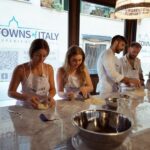
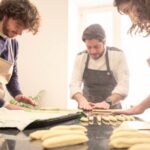
Wear comfortable shoes. You’ll be moving around the workspace early on, washing up, getting an apron, and switching from prep to cooking stations.
Prosecco at the start sets the tone for the whole 150 minutes
The class timing is about 150 minutes (around two and a half hours). That’s long enough to learn real technique and still eat without feeling rushed. The pacing feels designed to keep energy up and reduce the classic cooking-class problem: everyone waiting while one person figures out what to do.
You begin with a welcome glass of Prosecco. That small start does a big job. It makes the room warmer and makes it easier to relax into the instruction. Then the drinks keep showing up again at the meal—a glass of wine paired with what you cook.
A lot of cooking classes stop at the “lesson” part. Here, the meal is part of the teaching. You make food, then you eat it together. That’s when it clicks for most people: you understand the texture and taste targets, because you’re tasting the result right away.
Tiramisu lesson: making dessert feel doable (and not sloppy)
You start with tiramisu, which is a smart choice. Dessert sets you up for success. It also gives the group something to do right away while instructors explain technique.
You’ll put on your apron after washing your hands, then move through the steps to create the tiramisu. The teaching includes:
- the basics of getting the right assembly approach
- practical reminders that help you avoid common mistakes (like texture problems from rushing)
- some explanation of the dish’s history and why it’s made the way it is
One thing you’ll appreciate: tiramisu isn’t just “make it and eat it immediately.” The structure allows for cooling time before you dig in. That matters because tiramisu improves after it chills. It firms up and flavors settle. So the class gives you a better result, not just a faster finish.
Even if your plating looks different from the sample, you still learn the mechanics. Many experiences mention the group learning and comparing results, including small differences in how participants shape or assemble.
Fresh pasta dough from scratch: the technique you’ll actually use again
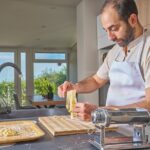
Once tiramisu is underway, you shift to the part most people came for: fresh pasta. The teaching focuses on the dough and the why behind it, not only the steps.
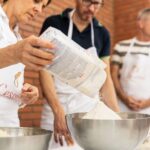
The class includes a guided lesson on making pasta dough, with attention to:
- which type of flour to use
- how to handle the dough for the right feel
- the key differences between pasta fresca and pasta secca
That pasta fresca vs. pasta secca comparison is more useful than it sounds. It helps you understand why fresh pasta can be more delicate and how drying (pasta secca) changes texture and cooking behavior. You end up with a mental model, not just a recipe you follow once.
What you’ll notice as you work
Fresh pasta dough can look intimidating before you start. Then, once you’re mixing, kneading, and shaping with an instructor nearby, it becomes straightforward. That’s a big reason this class earns such high marks. People who’ve never made pasta before often finish with a pasta machine wish—or at least with confidence to try again at home.
Some experiences also mention making pasta shapes like ravioli and tagliatelle alongside the tiramisu. So even within one class format, there’s often variety in what you end up shaping.
The meal: sit down, sample your work, and drink with it
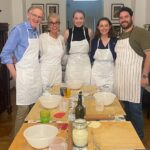
This is not a stand-and-snack class. At the end, you gather around the table to enjoy what you made—lunch or dinner depending on the session time.
Along with your meal, you’ll have a glass of wine. The lesson-style cooking then turns into a proper eating experience: you get to taste the pasta and tiramisu you produced, and you can compare results with the rest of the group.
A recurring theme across experiences is that the portion feels satisfying and that the drinks add to the fun without turning the evening into chaos. Many hosts also spend time chatting after food comes out, which is when you learn the small cultural details that never show up in a cookbook.
If you like photo moments
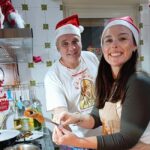
You’ll have setup points where the room, food, and group make sense for pictures. The restaurant setting also helps—Carlo V isn’t described like a generic classroom. It feels like an actual dining spot where you’d want to return for a regular meal.
Price and value: why $56 works better than it looks
At $56 per person for a 150-minute experience, you’re paying for four things at once:
- hands-on instruction (tiramisu + pasta dough)
- ingredients and equipment
- a real meal (lunch/dinner) that comes from your work
- drinks: Prosecco on arrival plus wine with your meal
If you tried to recreate this alone, you’d spend money on ingredients, likely buy tools or at least flour and specialty items, and still have no one correcting your dough texture. Here, you get feedback as you cook. That’s where value shows up.
Also, the location near Quattro Canti helps you save time. You’re not spending your energy on logistics. When you’re on a short trip, that’s real money.
Dietary needs and recipe reality: plan carefully
This is the part you should check early, because it can affect whether the experience works for you.
The traditional recipe includes gluten, dairy, and eggs. The provider notes they can offer substitutes for allergies or preferences, but the instruction always focuses on the traditional recipe. They also say they cannot guarantee 100% free of cross contamination.
Then there are clear limits: the experience is listed as not suitable for:
- gluten intolerance
- lactose intolerance
- vegans
- children under 3 years (and babies under 1 year)
So how should you handle this?
- If you’re lightly flexible, you might still be able to participate with substitutions.
- If you’re strictly gluten-free, lactose-free, or vegan, you should treat the “not suitable” rules as your main answer.
If you do book, send your needs ahead of time so the team knows what to plan for. And if you’re allergic, assume some cross-contact risk and decide accordingly.
Who this Palermo class suits best
This class tends to fit best when you want a fun, practical food experience without needing advanced cooking skills.
You’ll probably enjoy it if:
- you’re a first-timer and want a clear dough-making process
- you want a social activity with a small sense of celebration (music, group energy, drinks)
- you like eating what you make, not just leaving with a recipe sheet
It can also work well for families where kids are old enough to stand at the stations and follow instructions. Experiences mention participation that includes teenage boys, and the minimum age rules help define what’s appropriate.
If you dislike wine (or you’re sensitive to alcohol), plan your expectations. The class includes Prosecco on arrival and wine at the table, and many experiences describe the drinks as freely offered. You can always pace yourself, but the structure is clearly meant for enjoyment.
A quick word on the teaching style and the hosts
The class is led by an English-speaking guide. Across experiences, hosts/chefs named Simone, Giuseppe, Pedro, and Carlos show up as the people running the show, depending on the group.
What matters for you is the pattern: instructors are described as energetic, funny, and interactive, with a focus on making technique simple. People also mention that the class feels approachable even if they don’t cook much. That style is a huge reason you end up confident at the end instead of discouraged halfway through.
Should you book this Palermo pasta and tiramisu class?
Yes, if you want a high-value Palermo food evening that mixes real cooking with a sit-down meal in a central location. You’re getting tiramisu + fresh pasta dough instruction, a chance to taste what you make right away, and drinks built into the experience.
I’d skip (or seriously reconsider) if you have strict dietary restrictions like gluten intolerance or lactose intolerance, or if you’re vegan and need a fully vegan, cross-contact-safe setup.
If your goal is: learn the basics, eat well, and have an easy plan near Quattro Canti, this is a strong pick.
FAQ
Where does the class meet in Palermo?
Meet inside the restaurant Carlo V (Carlo Quinto).
How long is the cooking class?
The experience lasts about 150 minutes.
What’s included with the class price?
You get a welcome glass of Prosecco, the pasta and tiramisu cooking class, lunch or dinner, a glass of wine, and an apron.
Is hotel pickup or drop-off included?
No. Hotel pickup and drop-off are not included.
Do they offer dietary options?
They state that dietary options are available (for example vegetarian, vegan, lactose intolerant and other diets supported), but they also note substitutes may be offered while the instruction focuses on the traditional recipe. They also say they cannot guarantee 100% cross contamination-free food. The experience is listed as not suitable for vegans, people with gluten intolerance, and people with lactose intolerance.
What should I bring, and is smoking allowed?
Bring comfortable shoes and comfortable clothes. Smoking is not allowed.