Golden spices, real family cooking.
This Sri Lanka Cooking Class with Granny in Kandy turns a dinner plan into a practical food lesson, from spice talk to chopping vegetables and cooking your own rice and curry. You get a hotel pickup, a warm tea or coffee welcome, and a class that can adapt to what’s fresh and what you like.
I love the hands-on pacing and the fact that you choose what to cook. You’re not stuck watching from the sidelines. I also like the village-house setting above Kandy, where hosts like Granny Nanti and the kitchen team (often led by Nandini/Nandi, with help from Sudesh on the logistics) teach in a way that feels personal, patient, and very practical.
One thing to consider: the experience can run longer than the listed 3.5 hours if you add the market visit and if your group takes extra time choosing ingredients and tasting. Also, you’ll be in a home cooking setup, so it’s not an air-conditioned, restaurant-style experience.
In This Review
- Key Things to Know Before You Go
- Sri Lanka Cooking with Granny in Kandy: What Makes It Feel Real
- Morning vs Afternoon Options and the Timing Reality
- Getting There: Pickup, Local Transport, and the Clay Kitchen Experience
- Optional Market Visit Upgrade: Why the Shopping Part Changes the Cooking
- The Spice Lesson Before Cooking Starts
- Choosing What You Cook: Personalization That Actually Works
- Rice and Curry Skills You’ll Take Home
- The Meal at the End: Why It Feels Like a Feast
- Price and Value: Is $25 a Good Deal for All This?
- Who Should Book This Cooking Class (And Who Might Think Twice)
- Quick Tips to Make Your Class Go Smoothly
- Should You Book This Kandy Cooking Class with Granny?
- FAQ
- Where does the cooking class start and end?
- How long is the class?
- Is the tour private?
- Does the class include pickup from my hotel?
- What are tea or coffee and bottled water used for?
- What meals are included?
- Is there an option to visit the market?
- What’s not included?
- What if the weather is bad?
Key Things to Know Before You Go
- Hotel pickup and tea/coffee welcome so you start with no stress in Kandy
- Choose your curry ingredients based on daily availability, preferences, and dietary needs
- Optional market visit to pick produce and learn spices before cooking
- Outdoor clay-kitchen feel in the hills above Kandy for a more local experience
- Hands-on cooking plus recipes after so you can re-create the flavors at home
Sri Lanka Cooking with Granny in Kandy: What Makes It Feel Real
If you want Sri Lankan food that tastes like it came from a real kitchen, this is the setup. The class takes place in a family home just outside Kandy, up in the hills, with an outdoor cooking space that’s simple, rustic, and focused on doing. When the host team brings you in, it’s less like a demo and more like joining a household meal process.
You start with a welcome drink (tea or coffee) and an orientation to the ingredients. Then you move into prep work: cutting, chopping, and getting your hands into the curry-making steps. Hosts like Granny Nanti and Nandini/Nandi (the cook-instructor) are the heart of it, with Sudesh commonly helping keep the day’s flow organized, especially when the market visit is included.
What you’re really paying for is not just a meal. It’s the shortcut to understanding Sri Lankan flavor. You learn how spice blends act together, how vegetables are treated, and how coconut and chili-based elements can be adjusted so the end result matches your taste.
You can also read our reviews of more tours and experiences in Kandy.

Morning vs Afternoon Options and the Timing Reality
You can typically pick a morning or afternoon class. That matters in Kandy because your day is otherwise packed with cultural sites and traffic timing. Starting later can also feel easier if you’ve already done a morning temple visit.
The class duration is listed at about 3 hours 30 minutes. In real life, the schedule can stretch, especially if you upgrade to include the market. The reason is simple: picking ingredients takes time, and tasting or asking questions slows things down in a good way. If you have a firm dinner reservation the same night, plan for some flexibility.
Also, the cooking phase is active. You’ll spend time prepping, cooking, and then eating. This is not a quick snack class. It’s a full meal experience, and the package lists lunch and dinner, which gives you the sense that you’ll leave properly fed rather than hungry again later.
Getting There: Pickup, Local Transport, and the Clay Kitchen Experience
A big practical win is the hotel pickup. Instead of meeting in town and negotiating taxis, you get collected from your hotel and brought toward the family home.
From there, you may use local transport arranged for the group, and some guests report taking a tuk tuk for the journey up to the hills and back. The class package does not list private transportation as included, and it also does not include an air-conditioned vehicle. Translation: you’ll ride in the way locals do. That’s part of the charm, but it’s also a heads-up for comfort if you’re sensitive to heat.
Once you arrive, you’ll work in a clay-kitchen style setup. Think open-air cooking space, real cookware, and a grounded rhythm to the day. It’s cozy rather than polished, and it’s exactly what makes it feel like village life without needing days of planning.
Quick comfort note: wear closed-toe shoes you don’t mind getting a little dusty, and bring a light layer. Even when the weather is pleasant, kitchens and prep areas can get warm.
Optional Market Visit Upgrade: Why the Shopping Part Changes the Cooking
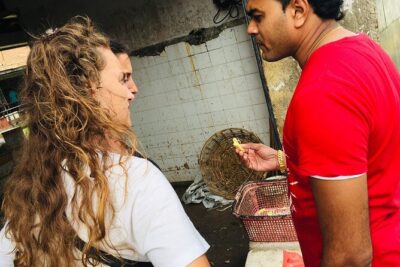
Want the story behind the flavors? Upgrade your class to include an authentic market visit. With this add-on, you start by visiting a local market where you choose vegetables and ingredients. You also get guided attention on what’s in season and what cooks well together.
This is where Sudesh often comes in. In many cases, he helps the group navigate the market and explains what to look for. The experience is hands-on in a literal way: you’re guided through the produce and spices, then you select what you want for your curries.
Why this matters for you: when you pick the vegetables yourself, the cooking instructions land better. Instead of vague “use vegetables,” you’re cooking with real choices you can recognize later at home. It also makes the class feel less generic and more tailored.
If you end up in the market part, you might see ingredient variety like pumpkin, okra, eggplant, long beans, and options for chicken or egg-based dishes. Because the day is built around what’s fresh, the exact menu can change.
One consideration: if you mainly want cooking time and could care less about shopping, you may find the market portion adds time more than value. In that case, choose the standard class without the market upgrade.
The Spice Lesson Before Cooking Starts
Before the pots go on the stove, the hosts explain spices and vegetables. This isn’t a textbook lecture. It’s framed around what you’ll actually use next. The goal is to help you understand the building blocks of Sri Lankan curry, not memorize a list and hope it sticks.
In class, you typically get:
- an overview of key spices and ingredients used in Sri Lankan cooking
- guidance on vegetables and how they behave in curries
- tips on techniques you’ll use in the dishes you choose
If you’re the kind of cook who wants to recreate flavor later, this is the most valuable stage. You’re learning what to look for and why certain spices are tempered or added in a particular way.
One review detail worth noting: instructors emphasize that coconut milk can vary, and that those variations can affect flavor. Even if you don’t perfectly recreate every brand back home, understanding that coconut milk isn’t one single thing helps you get closer.



Choosing What You Cook: Personalization That Actually Works
Here’s a key reason this class gets strong ratings: you’re given choices. You can usually pick what curry dishes you want, based on your preferences and dietary restrictions, and you’re also choosing from a set of fresh local vegetables.
That means a vegetarian-curious person can steer the menu toward plant-based curries. A chicken lover can keep it meat-focused. If you hate one ingredient, you’re not stuck with it because the “menu” was fixed weeks ago.
In many experiences, you end up cooking a bunch of dishes in one session, sometimes around 8 to 9 items. It may include multiple curries plus sides like sambol (spicy condiments), tempered potatoes, and items like papadums depending on what’s planned for the day.
Dessert can pop up too. One guest mentioned coconut pancakes as a dessert highlight. Because the exact dishes depend on daily offerings, think of desserts as possible rather than guaranteed, but the class isn’t shy about finishing strong.
Rice and Curry Skills You’ll Take Home
The core of the class is practicing Sri Lankan rice and curry. You’ll learn technique through repetition: chop, season, cook, taste, adjust. You’re guided step-by-step, with instructors encouraging you to do the work rather than just watch.
As you cook, you’ll likely cover:
- how curry bases come together
- how to handle vegetables for curry (timing and texture matter)
- how heat and spice balance is adjusted for your taste
- how sambol or related condiments fit into the meal
You also get practical guidance on how to make the flavors at home. Some guests report receiving recipes by email after the class, which is a big deal if you want to re-create the dishes without guessing.
If you’ve ever cooked a curry at home and felt like it never tastes quite right, this class helps you understand where the differences come from: spice timing, vegetable prep, and the way the final seasoning is built.
The Meal at the End: Why It Feels Like a Feast
At the end, you eat what you made. And in this setup, you usually eat a lot.
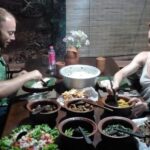
The class is structured around producing a range of dishes, so the meal becomes a spread rather than a single curry plate. Depending on what you choose, your table might include chicken curry, egg curry, lentil or dal-style dishes, pumpkin curry, long bean curries, tempered potato elements, and spicy sambol.
This is the point where Sri Lankan comfort food becomes a real lesson. You can taste how different curries connect, how coconut-based flavors contrast with chili heat, and how rice handles it all.
It’s also a social moment. The hosts treat guests like family for the day, and the tone is often warm and relaxed. You’ll likely hear stories and explanation about the food and what each part of the meal is meant to do.
Price and Value: Is $25 a Good Deal for All This?
$25 per person is unusually good value for a hands-on cooking class that includes:
- hotel pickup
- a welcome tea or coffee
- instruction from a family cooking team
- lunch and dinner (package lists both)
- bottled water
- and the chance to cook multiple curries and sides
What’s not included matters too:
- private transportation
- air-conditioned vehicle
- alcoholic beverages
If you use local transport like a tuk tuk for the journey, it may be handled as a separate cost in some cases. Still, even with a small extra transport fee, the overall cost often feels reasonable given the amount of food and the fact you cook it yourself.
The best way to judge value for you: think about how often you find a class where you choose ingredients, cook multiple dishes, eat a full meal, and take away recipes. That combination is the real bargain.
Who Should Book This Cooking Class (And Who Might Think Twice)
This class fits best if you want:
- hands-on cooking instruction rather than a short demo
- a home-style, village setting outside the usual tourist circuit
- a flexible menu based on ingredients and preferences
- a practical way to learn Sri Lankan rice and curry at the ingredient level
You’ll likely enjoy it even more if you’re open to a market stop and you like choosing vegetables yourself. The market part turns curry cooking into something more personal.
Where it may not fit: if you want a quick, air-conditioned, strictly scheduled experience, this one is more rustic. Also, if you’re tightly booked and can’t afford a longer day, consider skipping the market upgrade.
Quick Tips to Make Your Class Go Smoothly
- Tell the host team about dietary restrictions early, since the menu is customized based on preferences and availability.
- Wear closed shoes and bring a light layer for the hills and kitchen cooking time.
- If you hate the shopping portion, don’t add the market visit upgrade. Focus on cooking instead.
- Ask questions during spice instruction. That’s the part that makes home cooking easier later.
- Plan extra time if you’re doing the market upgrade, since ingredient selection takes time.
Should You Book This Kandy Cooking Class with Granny?
Yes, I’d book it if your goal is to learn Sri Lankan curry in a way you can repeat at home. You’re getting hotel pickup, real instruction, a choice-based menu, and a meal that’s more than just one dish. The family-home setting above Kandy adds a sense of place you can’t fake with a restaurant class.
If your priority is pure cooking and you don’t want extra time, choose the standard class without the market upgrade. If you love produce shopping and want to understand ingredients from the ground up, add the market visit.
Either way, this is the kind of experience where you leave with both full stomach and useful skills.
FAQ
Where does the cooking class start and end?
It starts at Kandy City Centre, Kandy, Sri Lanka. The activity ends back at the meeting point.
How long is the class?
The duration is about 3 hours 30 minutes (approx.).
Is the tour private?
Yes. It’s a private tour/activity, so only your group participates.
Does the class include pickup from my hotel?
Hotel pickup is offered, and the tour begins after you’re collected.
What are tea or coffee and bottled water used for?
You’ll have a welcome drink of tea or coffee at the start, and bottled water is included.
What meals are included?
The package lists lunch and dinner as included, along with coffee and/or tea.
Is there an option to visit the market?
Yes. You can upgrade your class to include an authentic market visit before cooking.
What’s not included?
Private transportation and air-conditioned vehicle are not included. Alcoholic beverages are also not included.
What if the weather is bad?
This experience requires good weather. If it’s canceled due to poor weather, you’ll be offered a different date or a full refund.