REVIEW · ROME
Rome: Spritz & Spaghetti Cooking Class
Book on GetYourGuide →Operated by Carpe Diem Tours · Bookable on GetYourGuide
Spritz first, then pasta skills. This Rome cooking class pairs three spritzes with handmade pasta, all taught in a real Roman kitchen with an English-speaking crew. You’ll roll, cut, and cook fettuccine, then sit down to eat what you make.
I especially like the mix of skills: you learn pasta basics and you also get hands-on guidance for spritz style. The class also tends to feel personal because it’s capped at 14 people, and the instructors you’ll see on past sessions include chef personalities like Chef Sunny, Marzia, Chef Laura, Bart, Jem, and Ida.
One thing to consider: dietary needs are limited. The class can’t accommodate coeliac disease, gluten intolerance, vegan diets, or lactose intolerance because the menu uses gluten and dairy.
In This Review
- Key Highlights You’ll Care About in Rome
- Rome Spritz & Spaghetti: What This Class Really Feels Like
- Aperol Spritz Welcome: Meeting the Chef and Getting Oriented
- Handmade Fettuccine: Rolling, Cutting, and Cooking Like You Mean It
- Sauce Lesson Time: Carbonara or Cacio e Pepe (Your Pasta’s Best Friends)
- Hugo Spritz While You Cook: Why the Drinks Are Built Into the Flow
- Limoncello Spritz Finish: The Meal Comes After the Work
- Who You’ll Be Cooking With: Small Groups, Real Interaction, English Support
- Price and Value: Is $112.15 a Good Deal in Rome?
- Dietary Limits: When This Class Might Not Fit
- Practical Tips to Make Your Night Go Smoothly
- Final Verdict: Should You Book This Spritz & Spaghetti Class?
- FAQ
- FAQ
- What do I learn to make during the class?
- How long is the Rome spritz and spaghetti cooking class?
- How big is the group?
- Is there an option for private groups?
- What dietary needs can the class accommodate?
- What’s included in the price?
- Is the class taught in English?
Key Highlights You’ll Care About in Rome
- Three classic spritzes: Aperol to start, Hugo during pasta, and Limoncello to finish
- Handmade fettuccine: you actively roll, cut, and cook, not just watch
- Small class size (max 14) so you get real attention while you cook
- Chef-led carbonara or cacio e pepe sauce learning paired with your pasta
- Eat everything you make plus take-home recipes for your next pasta night
Rome Spritz & Spaghetti: What This Class Really Feels Like
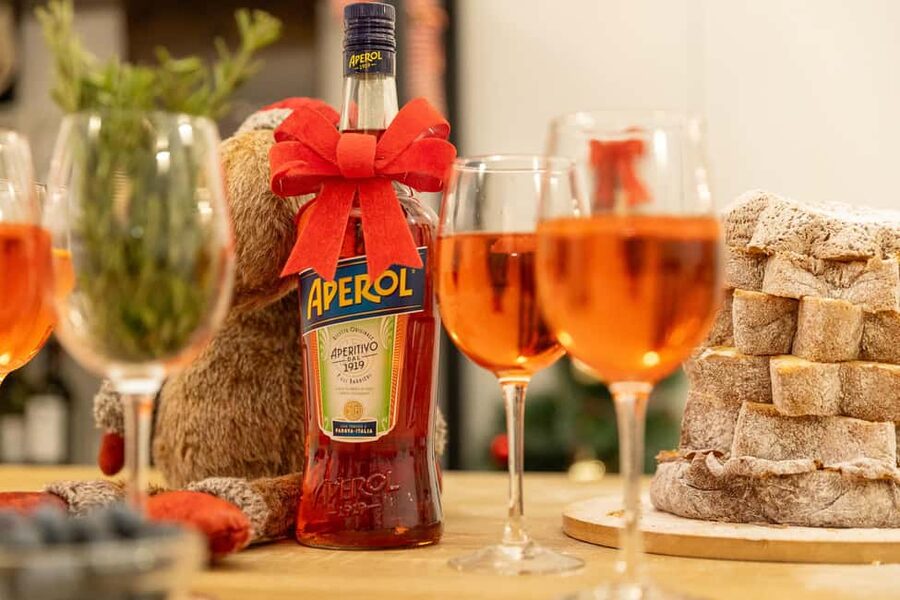
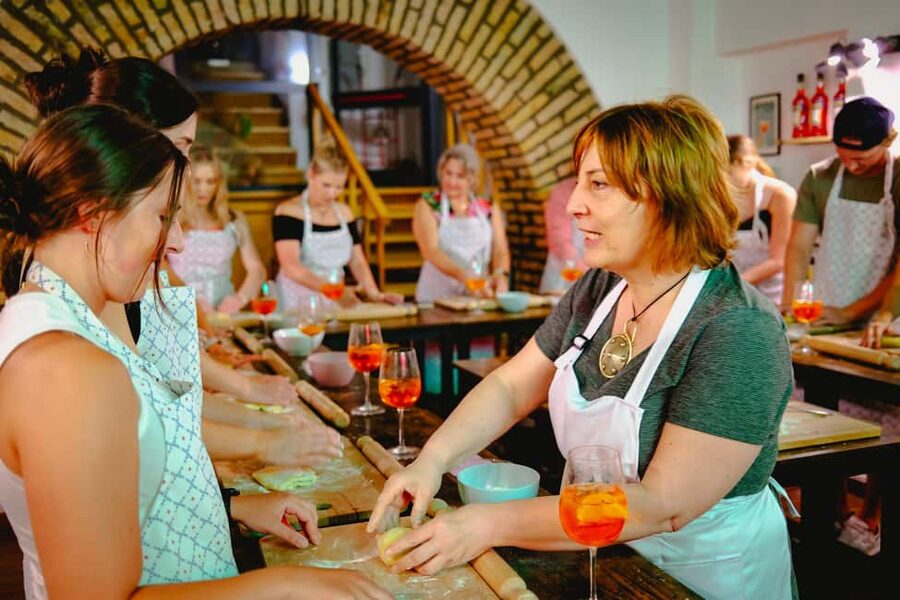
Rome has plenty of food tours. This one is different because it turns the meal into a workshop, then adds a spritz rhythm that keeps the energy up. You’re in a working Roman kitchen for about three hours, guided by a local chef with English support (and mixology help). The whole point is simple: learn a couple of staple techniques, make a mess in the nicest way, and leave with recipes you can actually use later.
The spritz format changes the vibe. You start with an Aperol spritz as a meet-and-chat opener, then you cook while another spritz (Hugo) keeps the mood light. You end with a Limoncello spritz, which feels like the little ceremonial bow on a very hands-on evening.
And yes, this is one of those activities where alcohol is part of the experience. Multiple instructors and groups are known for serving drinks generously, so plan to pace yourself and drink water too—there’s unlimited water and soft drinks included.
You can also read our reviews of more tours and experiences in Rome.
Aperol Spritz Welcome: Meeting the Chef and Getting Oriented
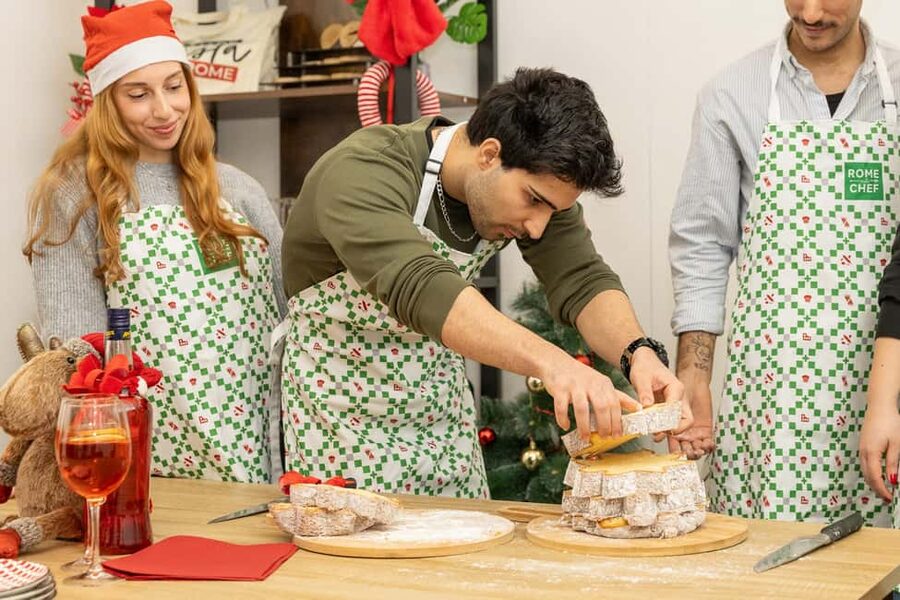
The session kicks off with your first drink: an Aperol spritz. It’s not just a toast. It sets the tone, and it gives you the chance to meet the chef and the other people in your class without the stress of cutting pasta immediately.
As the group settles, you’ll also get the “why” behind Italian cooking—quick context on the traditions you’ll be making. This matters because pasta isn’t just a recipe here; it’s technique. When you understand how sauces and pasta formats connect, your fettuccine and your carbonara or cacio e pepe make more sense at home.
What I like about the start is that it avoids the awkward beginning some classes have, where everyone stands around and waits. Here, you’re already participating—by the time the cooking begins, you’ve been welcomed, oriented, and you’re warmed up.
Handmade Fettuccine: Rolling, Cutting, and Cooking Like You Mean It
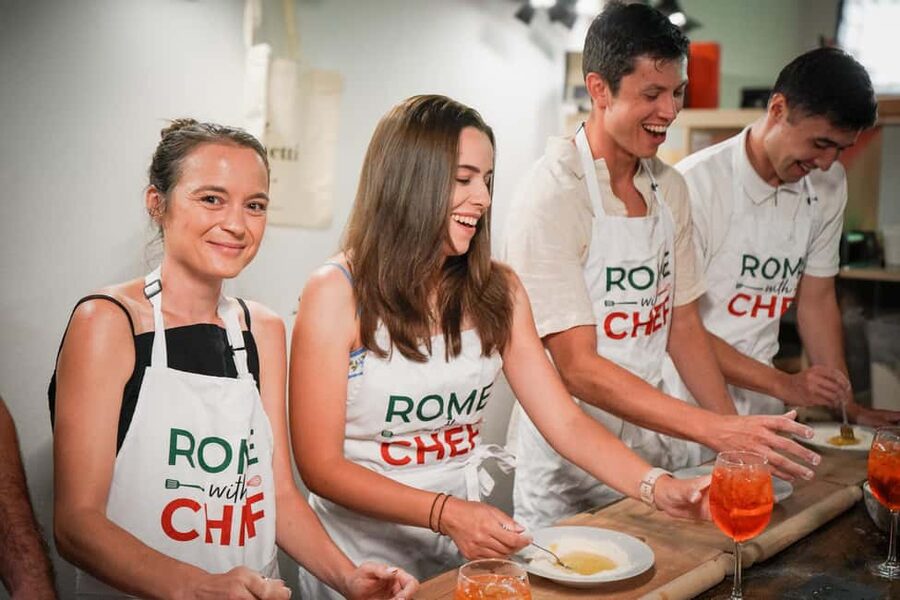
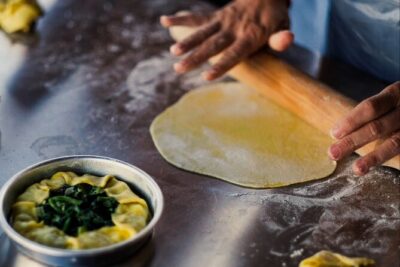
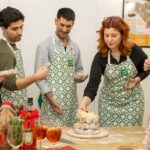
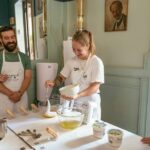
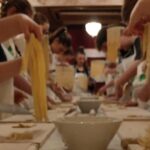
Once you’re ready, you move into cooking mode. You’ll work with fresh, locally sourced ingredients, and you’ll make your own handmade pasta—rolling and cutting your very own fettuccine.
This is the part that tends to earn the big praise. People don’t come to Rome for pasta instruction by accident. When the class is done right, you leave with something you can recreate: the texture, the thickness, the feel of dough under your hands, and the confidence to cook pasta without panic.
You’ll prep and then cook, with the chef guiding you through the steps. The class is designed so you do real tasks, not just one “pose with the dough” moment. Even if you’ve never cooked pasta before, the structure is built for beginners to get stuck in.
A practical tip: since you’ll be handling dough, be ready for a hands-on, slightly messy evening. Wear something comfortable that you don’t mind getting flour on. And keep your water nearby—water and soft drinks are included, so you can stay steady while you cook.
Sauce Lesson Time: Carbonara or Cacio e Pepe (Your Pasta’s Best Friends)
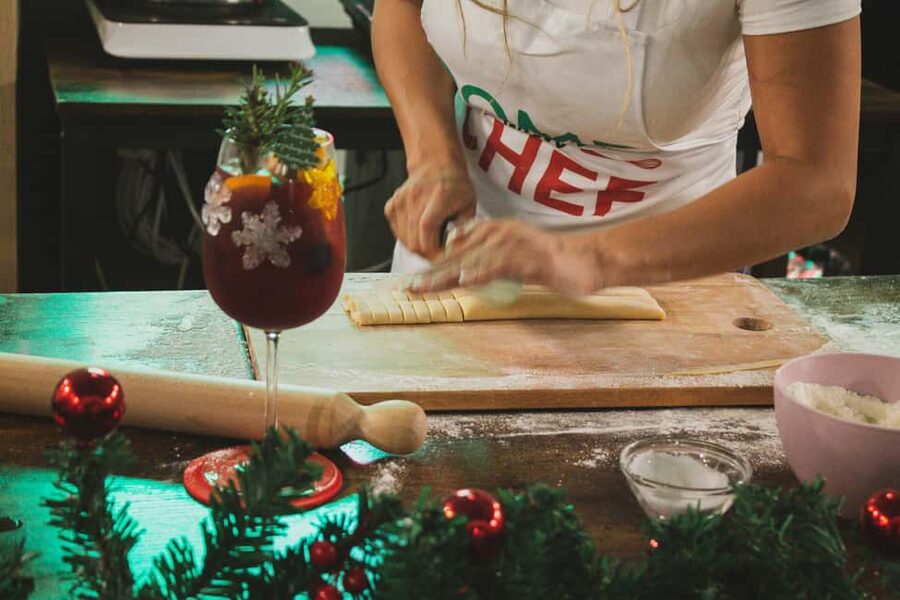
With your pasta moving along, you’ll learn the sauce pairing that makes this feel like Roman comfort food. You’ll make one of the two classic directions: carbonara or cacio e pepe.
The value here is not just the end result. It’s learning the logic behind the flavors. Carbonara and cacio e pepe are both “simple” in ingredient count but serious in technique. A good instructor teaches you what to watch for—consistency, timing, and how to combine sauce elements so they cling properly to pasta.
This is also where the class’s small scale matters. With a cap of 14, you’re more likely to get feedback while you cook, which helps if you need a reminder about timing or the feel of what you’re doing.
If you’re vegetarian, you’re not completely locked out. The class notes vegetarian options available, but you’ll want to check what that means for sauce and menu choices when you book.
Hugo Spritz While You Cook: Why the Drinks Are Built Into the Flow
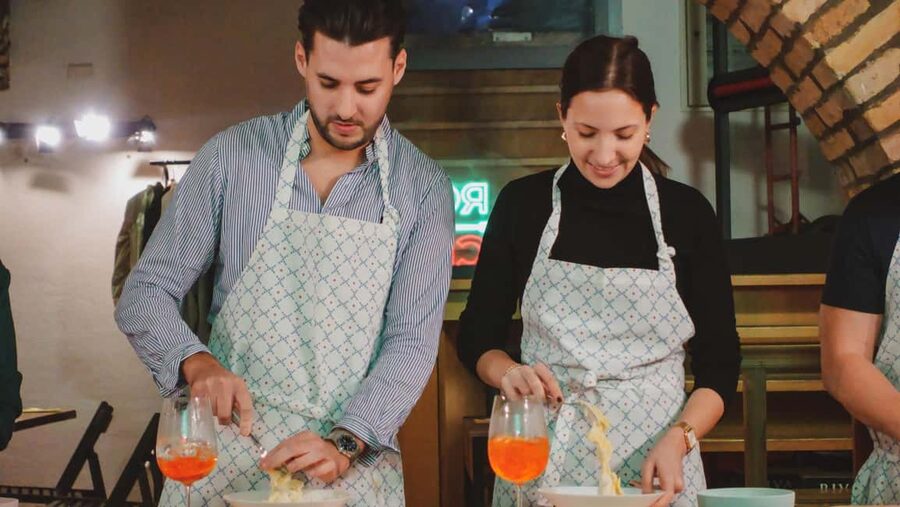
Half the “wow” factor is the drink pacing. While you cook, you’re also enjoying a Hugo spritz. It works like a mid-class reset: energy stays up, conversation keeps going, and you’re not stuck in one long stretch of concentration.
The Hugo spritz also fits the theme of Italian aperitivo culture—time with friends, light sipping, and food that’s part of the social experience. In a city like Rome, that’s a real slice of how people unwind after a long day.
One note: past sessions often get described as drinks being strong and freely flowing. That doesn’t mean you need to get carried away. It means you should plan to drink slowly, use the included water, and eat as you go. Your goal is enjoyment, not a spritz-related nap.

Limoncello Spritz Finish: The Meal Comes After the Work
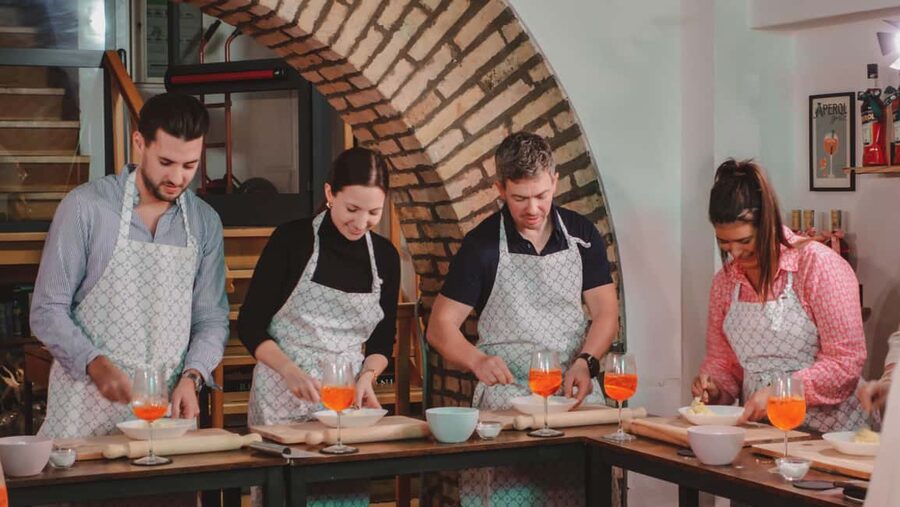
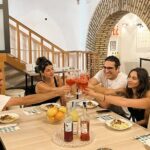
When everything’s ready, you sit down to enjoy the full meal you created, capped with a Limoncello spritz. This final drink feels like a reward, but it also helps the class land in a complete arc: prep, cook, taste, and then end on a bright note.
You’ll eat everything you make. That’s important for value and for confidence. Cooking classes sometimes end with a tiny sample and a “good luck at home.” Here, the meal is the meal—so you taste your success while it’s fresh.
And you don’t just leave with full plates. You also take recipe notes home, which is where many people actually get the payoff weeks later. If you want one evening of Rome that turns into repeat dinner plans, this is that kind of class.
Who You’ll Be Cooking With: Small Groups, Real Interaction, English Support

The group size is capped at 14 people maximum, which changes everything about how the lesson feels. You get more guidance, more check-ins, and less waiting around. It’s also easier to ask questions in a smaller room.
The session runs with a live guide in English, and the chef-led teaching is central. Based on the instructors who have led past classes—people like Marzia, Chef Sunny, Bart, Laura, Jem, Benjamin, and Ida—the style is often described as funny, warm, and very hands-on. You should expect to be treated like a participant, not a spectator.
If you like meeting people, this setup helps. It’s a social cooking class without the chaos of a huge tour group. You’ll likely chat, share plates, and swap food tips like you’ve known these people longer than you have.
Price and Value: Is $112.15 a Good Deal in Rome?
At $112.15 per person, this isn’t the cheapest activity in Rome. But it is closer to a “paid dinner plus instruction” than a simple tasting.
Here’s why it can be good value:
- You get chef-led pasta instruction plus a mixology component
- You receive three spritzes (Aperol, Hugo, and Limoncello) and unlimited water/soft drinks
- You use fresh ingredients and you eat what you cook
- You take home recipes, so it’s not only a one-night thing
A lot of Rome food experiences charge you separately for drinks, meals, and “experiences.” This bundles them into one time block, one kitchen, and one lesson plan—so your money goes toward learning and eating, not logistics.
If your budget is tight, you could find cheaper ways to eat in Rome. If you want a hands-on night that mixes food, drink, and real instruction, this price can feel fair.
Dietary Limits: When This Class Might Not Fit
This is the clear sticking point. The class states it cannot accommodate:
- coeliac disease
- gluten intolerance
- vegan diets
- lactose intolerance
Because the menu uses dairy products and also includes gluten-based pasta, you shouldn’t count on substitutions. If you have dietary restrictions, you’ll need to message in advance so the team can tell you what’s possible.
One workaround: if you’re just aiming for vegetarian options, the class notes that vegetarian alternatives are available. But if you need gluten-free or dairy-free for health reasons, you should look for a different format.
Practical Tips to Make Your Night Go Smoothly
A few things will help your experience feel effortless:
- Come prepared to drink, but pace yourself. The spritzes are part of the show, and drinks can be strong.
- Wear comfortable clothes. You’ll be rolling and cutting dough, and flour happens.
- Eat as you cook. It keeps the alcohol balanced and makes the meal feel satisfying.
- Ask questions while you’re working. With a group up to 14, you’ll get more from the lesson if you speak up.
- Take the recipe notes seriously. This is your best souvenir for recreating Rome at home.
Final Verdict: Should You Book This Spritz & Spaghetti Class?
Book it if you want one memorable Rome evening that combines two things people actually remember: hands-on pasta-making and Italian spritz culture. The small group size, the “eat what you cook” structure, and the recipe take-home make it more than a quick activity.
Skip it if your diet requires gluten-free, vegan, or lactose-free food, because the class explicitly can’t accommodate those needs. Also skip it if you’re not comfortable with a drink-forward atmosphere.
FAQ
FAQ
What do I learn to make during the class?
You’ll learn to make fresh, handmade pasta (fettuccine) with a traditional sauce, plus three spritz cocktails: Aperol spritz, Hugo spritz, and Limoncello spritz.
How long is the Rome spritz and spaghetti cooking class?
The class duration is 3 hours.
How big is the group?
It’s a small class with a maximum of 14 people.
Is there an option for private groups?
Yes, private group options are available.
What dietary needs can the class accommodate?
The class notes that it cannot accommodate coeliac disease, gluten intolerance, vegan diets, or lactose intolerance. Vegetarian options are available.
What’s included in the price?
The price includes the chef-led spritz and pasta workshop, fresh ingredients, the three spritzes, unlimited water/soft drinks, you eat everything you make, and you take home recipes.
Is the class taught in English?
Yes, it’s offered with a live guide in English.