REVIEW · CUSCO
Private Andean Cooking Class, Pachamanca
Book on Viator →Operated by Marcelo Batata Cooking Class · Bookable on Viator
A cooking class in Cusco is a nice change of pace from ruins and road dust. This private Pachamanca–style experience is hands-on, starts with flavor prep, and ends with what you made—plus market tasting and Andean drinks.
I like that you learn by doing, not watching. You’ll build skills across several classics—tamales made from corn, a traditional uchucuta pepper sauce, and tastings that connect food to Andean life.
One thing to consider: you start at 9:00 am and it’s about 3 hours, so it’s best slotted between other plans where you can still eat well and keep your energy up.
In This Review
- Key highlights worth showing up for
- A smart Cusco break: private cooking with real Andean ingredients
- Where the day starts: marination and the flavor logic behind Andean cooking
- Andean tamales from corn: hands-on skills you can actually repeat
- The private market stop: ancient grains, superfoods, and shopping with purpose
- Uchucuta pepper sauce: learning the heat that Incas-style eating is known for
- Chicha tasting and pisco cocktails: fermented and distilled Peru
- Final tasting in clay pots: eating the Andes you helped build
- Price and value: what $150 per person gets you in Cusco time
- Before you go: language, dietary needs, and the passport detail
- Who this Cusco cooking class suits best (and who might skip it)
- Should you book the Pachamanca private cooking class in Cusco?
- FAQ
- Is this a private tour?
- How long is the cooking class?
- What language is the class taught in?
- Is there a vegetarian option?
- What does the price include?
- Do I need to bring anything at the start?
- FAQ
- How much time is there before I need to decide about cancellation?
- What if I cancel less than 24 hours before?
Key highlights worth showing up for
- Private, all-level class with a professional chef, so you can ask questions without feeling rushed
- Market stop for real ingredients, including ancient grains and superfoods you can recognize again later
- Hands-on Andean cooking flow from marination to tamales to finishing in clay pots
- Uchucuta pepper sauce practice, including traditional techniques for a spicy Incas-style condiment
- Chicha tasting plus pisco cocktails, so you taste fermented and distilled Peru, not just food
- Vegetarian option available if you ask in advance
A smart Cusco break: private cooking with real Andean ingredients
Cusco days can go hard. Ruins early, altitude breathing lessons all day, then you still want a good meal that feels like Peru. This class is a calm, focused block where you trade postcards for a cutting board and a warm courtyard table.
What makes it especially useful is the pacing. You’re not just learning one dish. You move through marination, corn tamales, a private market, a pepper sauce, and drink tastings—then you eat the results in the end.
It also feels grounded. The market portion isn’t a vague “browse and snack” stop. You learn what you’re eating and why it matters in the diet and culture of the Andes. That kind of context makes the food stick with you.
You can also read our reviews of more tours and experiences in Cusco.
Where the day starts: marination and the flavor logic behind Andean cooking
You begin at Marcelo Batata Cooking Classes at C. Palacio 135. The class starts at 9:00 am, runs about 3 hours, and finishes back at the meeting point, so it fits cleanly into a travel schedule.
Before any cooking, you jump into marination. That step matters because Peru’s flavors often build in layers: acidity, salt, aromatic sauces, and time. Even if you’ve cooked before, marinating well is where home cooks usually lose points—and this is where the chef starts correcting your instincts.
You’ll learn how to prepare meats and other ingredients in a special sauce that boosts flavor and helps set you up for the next steps. Think of it as the foundation. When you taste later, you’ll understand why the first sauce step wasn’t “just prep.”
Andean tamales from corn: hands-on skills you can actually repeat
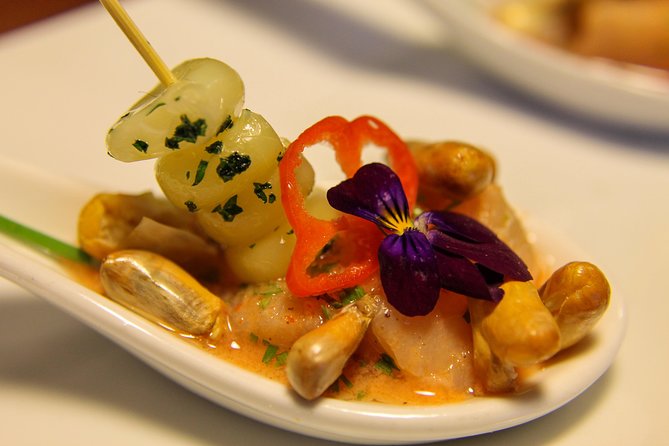
Then you move into Andean tamales, centered on corn. Corn is a major theme in the Andes, but here you’ll see it as technique, not just an ingredient.
You’ll get the steps for assembling tamales and working with the corn base. The experience is designed for all levels, which is good news if you’re confident in a kitchen or still learning to chop without sending half the herbs into the air.
This part also gives you something practical for later. Tamales are one of those foods that sound intimidating until you do them once. After this, you’ll have a real mental picture of how the pieces come together.
The private market stop: ancient grains, superfoods, and shopping with purpose
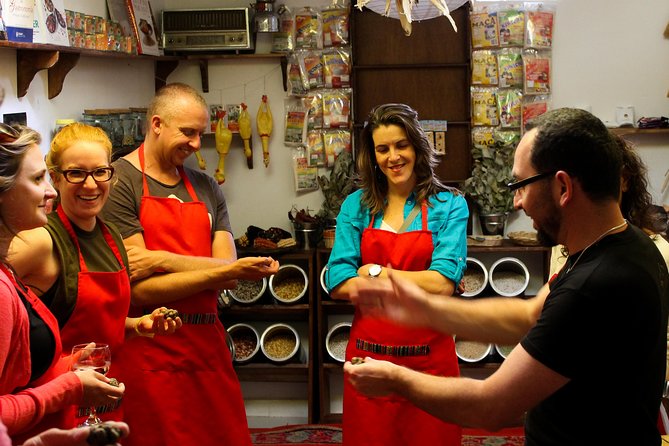
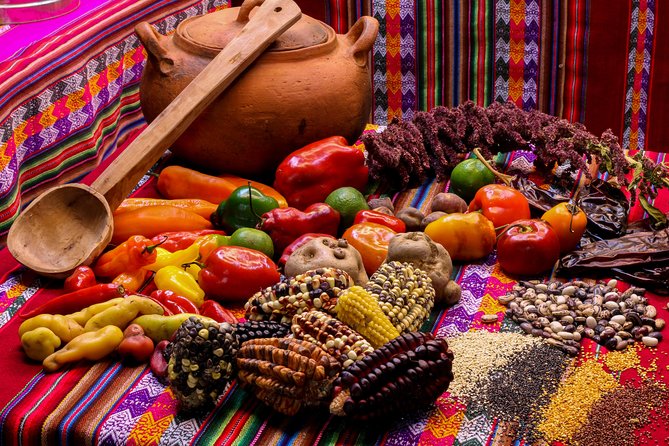
Next comes the private market. This is one of my favorite parts of culinary travel because it changes your relationship with food. You’re not buying ingredients blindly; you’re learning what’s grown and used, and what stands out in Andean diets.
Expect to explore products like ancient grains and superfoods. You’ll also learn their importance in local eating and culture. That turns the market into a mini class, even if you’re just standing there tasting.
A practical upside: once you know what to look for, you can recreate the flavor at home. Even if you can’t find the same exact product abroad, you’ll recognize the category—grain, pepper, grain-based starch, or a particular dried ingredient—and you’ll know what role it plays.
Uchucuta pepper sauce: learning the heat that Incas-style eating is known for
After the market, you’ll work on uchucuta, a spicy pepper sauce associated with the Incas. The class focuses on traditional techniques passed down through generations, which helps explain why some sauces taste deeper than their ingredients alone.
This is also the point where you’ll notice the difference between heat that burns and heat that builds flavor. A good uchucuta isn’t just about making your mouth hot. It’s about getting the peppers, fats, and seasonings to work together so the sauce carries the whole plate.
If you like sauces, you’ll probably have a great time here because it’s the kind of element you can use beyond this class meal. You’ll get a sense of how spicy condiments function in Peruvian cuisine—how they bring balance, not chaos.
Chicha tasting and pisco cocktails: fermented and distilled Peru
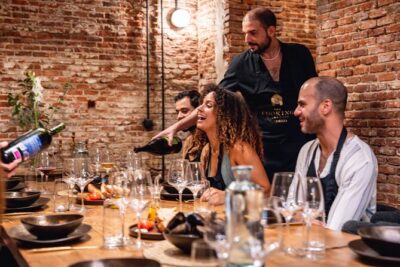
Then the class shifts from cooking into tasting culture. You’ll explore chicha, described as the drink of the Incas and made through ancestral fermentation.
Chicha tasting is a useful reminder that in many places, drinks are part of the food system, not an afterthought. It changes the way you taste the meal that follows because your palate learns a new reference point.
On top of that, you’ll make and taste cocktails with pisco. Several classes in this experience’s orbit include pisco drinks like pisco sours and chilcanos, and you’ll learn how the flavors connect to what you cooked—especially when citrus, spice, and herbs come into play.
One more detail I appreciate: there’s flexibility for families and mixed groups. In one class experience, the chef supported kids with mocktails and friendly music, which made it feel doable for everyone without turning it into a lecture hall.
Final tasting in clay pots: eating the Andes you helped build
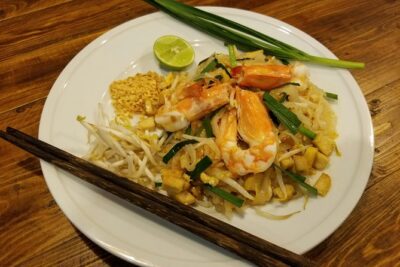
The last step is the final tasting, where you enjoy the aromas and flavors of what you cooked. The meal is served in clay pots, which is a big deal for comfort and texture.
Clay serving tends to keep food warm and can subtly affect how flavors come through on the table. More importantly, it makes the ending feel ceremonial in a simple, real way: you did the work, and the food lands right where it should.
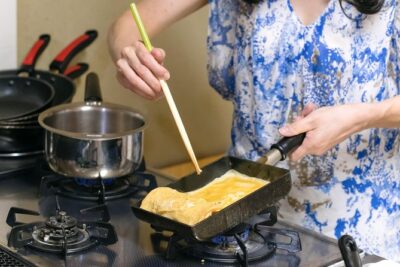
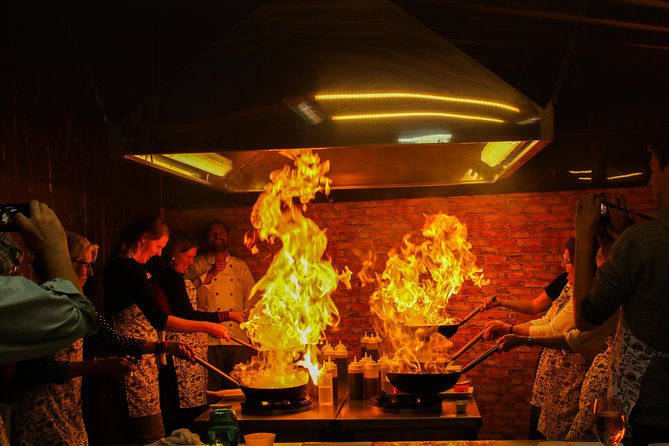
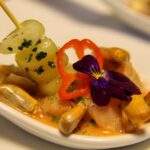
As for what you might cook and plate, expect classic Peruvian dishes and a final meal that matches the steps you practiced. In past class experiences, people have highlighted cooking ceviche and lomo saltado, and there’s sometimes dramatic wok action when the chef teaches flambé-style finishing.
If you like food that’s both home-cooking grounded and restaurant-capable, this ending is a satisfying payoff. You’re not leaving hungry or empty-handed—you’re leaving with flavors that feel teachable.
Price and value: what $150 per person gets you in Cusco time
At $150 per person for about 3 hours, this isn’t a budget snack tour. It’s a paid cooking class with a professional chef, a private setup, a market component, and included meals.
Here’s what makes the value more believable than many “cooking experiences” that only boil down to sampling. Your price includes:
- Lunch (an appetizer and a main)
- Beverages and bottled water
- A private tour (only your group participates)
- Hands-on work through multiple cooking and tasting stages
You’re also getting the kind of learning that’s hard to buy elsewhere: how to prepare sauces, how to work with corn tamales, how to build a spicy pepper condiment, and how drinks fit into the same flavor world. If you’re in Cusco for a short visit, it’s a practical use of a single morning or early day window.
So the value question becomes: do you want more than another meal? If you want an experience you can recreate, this price starts to feel fair.
Before you go: language, dietary needs, and the passport detail
This class can be run in Spanish or English, based on what you request. If you’re more comfortable learning food techniques in English, lock that in when you book.
There’s also a vegetarian option available, and you should advise any dietary requirements ahead of time. That matters because cooking classes can forget dietary swaps until the last minute. Here, they ask you to flag needs early.
One item that surprises many people: you must provide your original passport at the beginning of the course for tax purposes. Bring it. Don’t plan on showing a photo instead.
If you’re traveling with kids or grandparents, this experience has shown up as family-friendly, with chefs adapting the vibe—like using mocktails and helping children participate without turning it into chaos.
Who this Cusco cooking class suits best (and who might skip it)
You’ll likely love this if you:
- Want a hands-on Cusco activity that doesn’t require museum stamina
- Like learning from a chef through tasting and cooking steps
- Enjoy Peruvian classics and want to understand how sauces and drinks connect to the meal
- Travel in a group that appreciates a private setting
You might choose something else if you’re not into cooking or tasting drinks (especially fermented chicha). Also, if you’re booked tight and can’t spare about 3 hours in the morning, it may be harder to fit.
Should you book the Pachamanca private cooking class in Cusco?
Yes, if you want a day in Cusco that feels local and practical, not just scenic. The strongest case is the structure: market learning, then hands-on cooking, then real tastings in the end.
If you’re the type who remembers vacations by what you learned and cooked, this will land well. If you mostly want passive sightseeing, you might find it less your speed.
FAQ
Is this a private tour?
Yes. It’s a private tour/activity, and only your group will participate.
How long is the cooking class?
It runs about 3 hours.
What language is the class taught in?
The class is operated in Spanish or English depending on your request.
Is there a vegetarian option?
Yes. A vegetarian option is available, and you should advise at booking.
What does the price include?
The class includes beverages, a private tour, a professional chef, lunch (one appetizer and one main), and bottled water.
Do I need to bring anything at the start?
Yes. You need to provide your original passport at the beginning of the course for tax purposes.
FAQ
How much time is there before I need to decide about cancellation?
Free cancellation is available, and you can cancel up to 24 hours in advance of the experience for a full refund.
What if I cancel less than 24 hours before?
If you cancel less than 24 hours before the experience’s start time, the amount you paid will not be refunded.