REVIEW · KUALA LUMPUR
New Malaysian Kitchen Cooking Class and Garden Tour
Book on Viator →Operated by New Malaysian Kitchen · Bookable on Viator
Five street-food dishes, cooked family-style. At New Malaysian Kitchen outside Kuala Lumpur, Sara Khong welcomes you to her family home for a hands-on small-group morning that blends a garden walk with real cooking. You get close guidance while you learn how Malaysian flavors come together, not just a quick demo.
I especially like the combo of garden-first learning and practical results. You tour an organic edible garden with 50+ herbs, spices, and flowers, then you cook in a real Malaysian kitchen and leave with a recipe booklet. The one watch-out: this is a weekday morning class (typically 9:00 AM to 1:00 PM), so if your schedule is tight or you only have weekends, you’ll want to plan ahead around that window.
In This Review
- Key highlights at a glance
- A Family-Run Cooking Class Just 20 Minutes From Kuala Lumpur
- Flower Tea and a Garden Tour With 50+ Herbs, Spices, and Flowers
- Choosing Your Five Dishes and Cooking Them Hands-On
- The Recipe Booklet and What You’ll Actually Use Back Home
- Eating Your Results at Home, Then Chit-Chatting About Food Culture
- Timing, Group Size, and the Real-World Logistics That Matter
- Who This Class Fits Best (And Who Might Want Something Different)
- Price Check: What $150 Buys You in Real Teaching Value
- Practical Tips for a Smooth Morning at the Garden and Kitchen
- Should You Book This Kuala Lumpur Cooking Class?
- FAQ
- How long is the cooking class and garden tour?
- How many people are in the group?
- What will I cook during the class?
- Do I get recipes to take home?
- What happens before the cooking starts?
- What time and where does the experience run?
- Is there free cancellation?
Key highlights at a glance
- Sara Khong’s family-run setup means a warm welcome and patient, step-by-step teaching
- Flower tea first, then an organic edible garden with 50+ plants used in everyday cooking
- Small group limit of six for hands-on attention while you cook
- Five dishes you choose so you can match the class to your taste (including popular options like Nasi Lemak and Rendang)
- You eat what you cook, plus time for casual conversation about food and culture
- Recipe booklet included so you can recreate the dishes back home
A Family-Run Cooking Class Just 20 Minutes From Kuala Lumpur
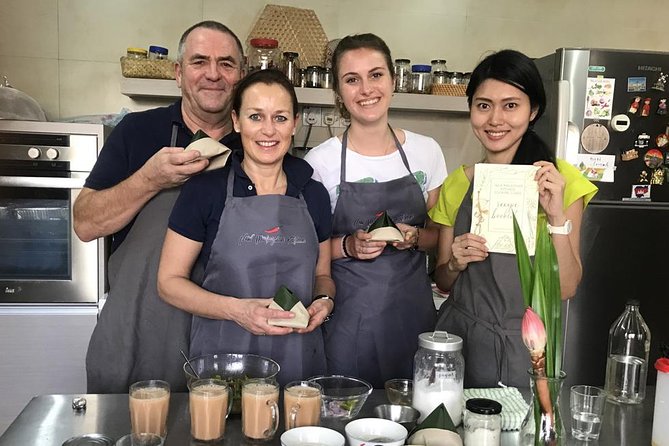
This experience runs at a cooking school set outside the city, but close enough to feel doable on a trip. You start at the meeting point at No. 2, Jalan 11, Taman Len Seng, Taman Len Seng 56000 (Wilayah Persekutuan Kuala Lumpur), and the day ends back there too.
The vibe is intimate. The class caps at six travelers, and it doesn’t feel like a “sit and watch” setup. Instead, you’re in a real kitchen with active instruction, so you can ask questions while your hands are already busy. That matters, because Malaysian street-food style dishes often depend on balance—salt, sweetness, heat, and aromatics all need to land in the right place.
Sara Khong is the host and teacher, and she brings serious food credibility. She’s a professional cook and author of four Malaysian cookbooks, and her teaching style shows up in how the lesson is paced: clear explanations, patient guidance, and time to get things right. Even if you’re not a confident cook, the structure is friendly for beginners because you’re taught the process, not just the end result.
You can also read our reviews of more tours and experiences in Kuala Lumpur.
Flower Tea and a Garden Tour With 50+ Herbs, Spices, and Flowers
The morning begins gently, with a glass of flower tea before you head into the garden. It’s a small detail, but it sets the tone. You’re not rushing straight into heat and chopping; you’re stepping into the ingredients first.
Then you explore an organic edible garden with over 50 herbs, vegetables, spices, and flowers used in everyday Malaysian cooking. You don’t just look from a distance. You’ll be able to see, touch, smell, and taste plants like turmeric and curry leaves. That matters because many Malaysian flavors are built on scent and freshness as much as on the recipe itself.
A garden walk also helps you cook with context. After you’ve handled curry leaves or noticed how turmeric looks and smells, you’re more likely to understand what those ingredients are doing in dishes. It turns cooking into a “why this works” experience instead of pure memorization.
If you like food beyond the bowl—if you care about where flavors come from—this part is a big reason to book. It’s also great for taking photos, but the better payoff is that you come away with ingredient familiarity you can use later in your own kitchen.
Choosing Your Five Dishes and Cooking Them Hands-On
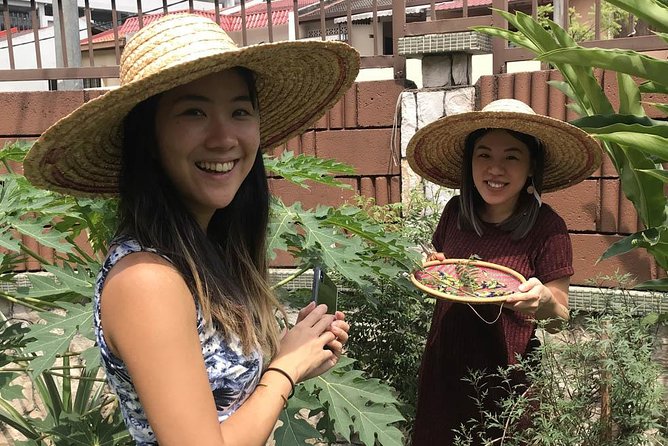
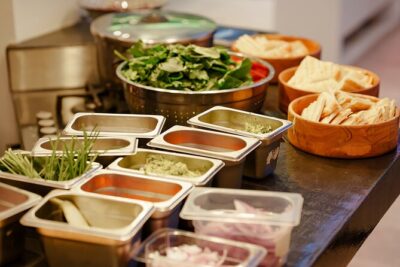
The core of the class is practical: you’ll make five Malaysian food items of your choice in a real kitchen. This is one of those formats that feels fair—rather than being forced into a fixed menu, you get some say, so you’re more likely to cook dishes you’ll actually want to repeat later.
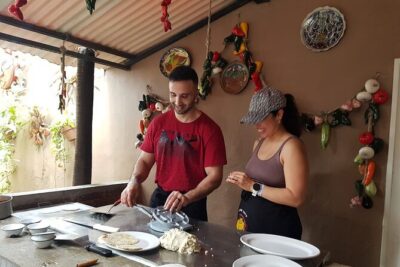
The teaching stays hands-on, with personalized attention in a group of six. That small size changes the whole feel of a class. Instead of waiting your turn or guessing what you did wrong, you can get adjustments while you’re still in the process—especially helpful for steps like spice handling, mixing textures, or getting timing right.
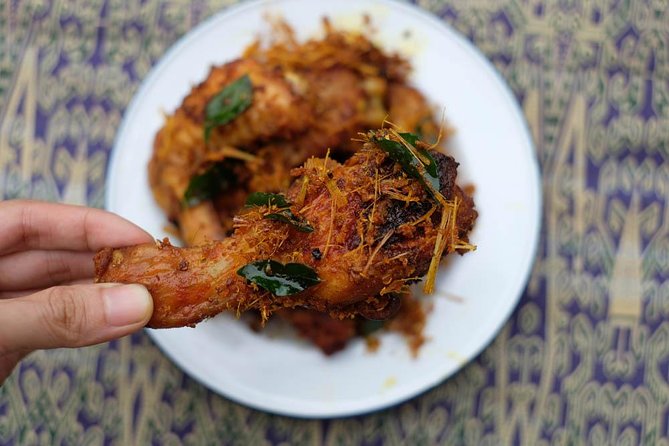
Popular options you might choose include Nasi Lemak, Chicken Rendang, Teh Tarik (Pulled Tea), Ondeh-Ondeh, and an angled bean salad. Not every dish will be available every time, but these are exactly the kinds of Malaysian street-food staples you can expect to run into during a class like this.
What I like about the setup is that it’s not just about producing food. It’s about making sure you understand the method. When people leave feeling confident, it’s usually because they weren’t just copying a final step—they were taught how ingredients behave and what to watch for while cooking.
The Recipe Booklet and What You’ll Actually Use Back Home
You get a recipe booklet after the class, and that’s more important than it sounds. Cooking classes often end with a full meal and great memories, but you still need something you can rely on later.
Here, the booklet gives you a pathway to recreate what you cooked. Since you’re making dishes from scratch in a teaching kitchen, the recipes are likely to line up with the approach you practiced during the lesson. That increases the odds you won’t have to “translate” everything into your own cooking style.
If you’re the type who likes to host dinner or bring a new dish to the table for family, this is a strong follow-through. You’ll have actual home-kitchen instructions instead of relying on memory or a blurry photo.
Eating Your Results at Home, Then Chit-Chatting About Food Culture
Once the cooking is done, you feast on the results. This is the part where the class becomes more than a skill lesson. You sit down and eat together, then you can chat about Malaysian food, culture, and lifestyle in a relaxed setting.
That cultural conversation is one of the best values of a family-run experience like this. You’re getting explanations tied to real daily life, not just an academic overview. You’ll also likely learn how Malaysian home cooks think about taste, timing, and comfort food—things that don’t always show up in ingredient lists.
In other words, you’re not only learning how to make the dish. You’re learning how people think about the dish. That makes your cooking more flexible when you’re adapting flavors for different ingredient availability back home.
Timing, Group Size, and the Real-World Logistics That Matter
The class runs about 4 hours, and it operates in a weekday morning window (Monday to Friday, with opening hours listed as 9:00 AM to 1:00 PM). It’s built for people who want a meaningful experience without losing a full day to logistics.
A mobile ticket is used, and the meeting point is near public transportation, which helps if you’re mixing this with other Kuala Lumpur plans. Also, since the activity returns you to the start point, you’re not stuck solving the last-mile problem after lunch.
The biggest practical consideration is the time slot. If you’re traveling with children, dealing with jet lag, or you like to sleep in, you might find the morning start challenging. If you’re fine with a morning plan, this works well because it fits neatly into an itinerary: cook, eat, learn, then go enjoy the rest of your day.
Who This Class Fits Best (And Who Might Want Something Different)
This is ideal if you want more than a tasting. If you love cooking, or if you’ve got a list of Malaysian foods you want to learn properly—this delivers the method, not just the flavors.
It’s also a good fit if you’re traveling with a small group or a partner. The max group size of six keeps it personal. It’s not a loud, high-volume operation where you’re lost in the crowd.
If you’re a complete beginner, the teaching approach tends to help you succeed because the steps are explained clearly and patience is part of the process. You’re guided through ingredient choices and preparation, so you’re not left to guess what good texture looks like.
On the other hand, if your ideal experience is city sightseeing, museums, or a full-day food crawl, this might feel short and focused. It’s meant for hands-on cooking and garden ingredient education. You won’t be doing a sprawling route around Kuala Lumpur here.
Price Check: What $150 Buys You in Real Teaching Value
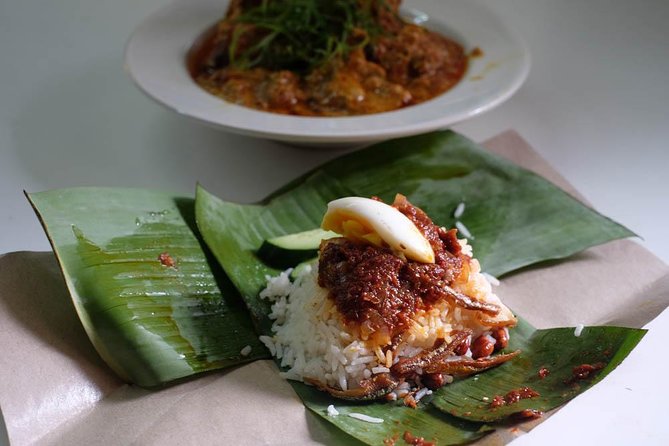
At $150 per person, it’s not a “budget add-on.” But it also isn’t overpriced when you look at what’s included: the garden tour with 50+ plants, hands-on cooking of five dishes you choose, a recipe booklet, and a meal you eat together.
The price also reflects the small group limit. When instruction is personalized, the teacher time per person is higher. It’s also tied to the credibility of the host: Sara Khong is an author and professional cook, and the class is built around that skill.
If you compare cooking classes that feel generic, this one’s value comes from the ingredient education happening first and the fact you’re cooking in a family kitchen. You’re not just learning recipes—you’re learning the ingredients and the rhythm.
A smart way to decide is to ask yourself one question: Will I actually cook these dishes again after I get home? If the answer is yes, this class usually pencils out.
Practical Tips for a Smooth Morning at the Garden and Kitchen
Here are a few things that make the experience easier on the day:
- Wear comfortable clothes you can move in while cooking. Spices have a way of finding fabric.
- Expect to get hands-on during the garden portion. Bring a small towel or be ready to wipe up after touching herbs and leaves.
- Go in with 2 to 3 dishes you’d love to cook. Even though you get choice, it helps to have a plan if you’re picky about spice level.
- Ask questions while you cook. The class pacing works best when you use that one-to-one attention.
Also, take the garden part seriously. If you notice the differences between turmeric, curry leaves, and other herbs in scent and texture, you’ll cook better later, not just faster.
Should You Book This Kuala Lumpur Cooking Class?
Book it if you want a real cooking lesson with a family host, garden-grown ingredients, and enough personalization to feel confident repeating the dishes at home. It’s also a great choice if you’re the type who likes understanding flavors, not just eating them.
Skip it if you need a weekend-only activity, you can’t manage a weekday morning start, or you’re looking for a long sightseeing day instead of hands-on food work. This is focused, and that’s the point.
If you’re excited by Malaysian street food and you want your next meal to taste like you learned it properly, New Malaysian Kitchen is a strong bet.
FAQ
How long is the cooking class and garden tour?
It lasts about 4 hours.
How many people are in the group?
The class is limited to a maximum of 6 travelers.
What will I cook during the class?
You will cook five Malaysian food dishes of your choice in a real Malaysian kitchen.
Do I get recipes to take home?
Yes. You receive a recipe booklet.
What happens before the cooking starts?
You start with flower tea, then explore an organic edible garden with over 50 herbs, spices, vegetables, and flowers used in everyday cooking.
What time and where does the experience run?
You meet at No. 2, Jalan 11, Taman Len Seng, 56000 (Kuala Lumpur area). The opening hours listed are Monday to Friday, 9:00 AM to 1:00 PM, and the activity ends back at the meeting point.
Is there free cancellation?
Yes, you can cancel for a full refund if you cancel up to 24 hours in advance.