REVIEW · JODHPUR
Private Cooking Class in Jodhpur With Pick Up & Drop Off
Book on Viator →Operated by Balaji Forex Tours And Travels · Bookable on Viator
Spice learning in a real home kitchen. What makes this class so appealing is the private, family-run setting plus the convenience of hotel pickup and drop-off, so you can focus on the food and questions, not logistics. You’re choosing either lunch or dinner timing, which makes it easier to fit into a Jodhpur day.
I especially like the hands-on pace and the way instruction stays practical: you get guided steps, then you cook, not just watch. You’ll also get taught core ideas like Indian spices, seasonal vegetables, and classic dishes you can actually reproduce later. One possible drawback: since the class happens in a home kitchen, the experience may feel a bit more casual than a large, formal cooking school setup.
In This Review
- Key things to know before you go
- A Home-Style Kitchen in Jodhpur: What You’re Actually Booking
- Getting Picked Up and Settled: The Start Matters More Than You Think
- Your 3-Hour Cooking Flow: Briefing, Hands-On Cooking, Then You Eat
- The briefing: spices and ingredients first
- Demonstration: learn the method before the hands
- Cooking time: you actually roll up your sleeves
- Eating: you don’t just learn, you taste
- The Dishes You’ll Learn in a Jodhpur Rajasthani Style
- Why the Spice and Vegetable Intro Is More Than a Warm-Up
- Food, Drinks, and Comfort Details You’ll Actually Care About
- Price and Value: Why This $25 Class Can Feel Like a Steal
- Who This Experience Suits Best (And Who Might Want Something Different)
- Tips to Get the Most Out of Your Private Class
- Should You Book This Private Cooking Class in Jodhpur?
- FAQ
- What does the class include?
- Can I choose lunch or dinner?
- Is this a private class or a group activity?
- How long is the experience?
- Are pick-up and drop-off included?
- What dishes will I learn to make?
- Is there an alcohol option?
- What if I have dietary requirements?
- What’s the cancellation policy?
Key things to know before you go

- Hotel pickup and return drop-off keep this class easy to slot into your schedule
- Private group format means you can ask questions without feeling rushed
- Rajasthani technique focus includes spice work and everyday cooking skills
- Choose lunch or dinner so timing matches your energy level
- Included bottled water and coffee/tea make the experience more comfortable
- Max 15 people per booking keeps it small, but still social
A Home-Style Kitchen in Jodhpur: What You’re Actually Booking

This is the kind of cooking class that feels like someone is inviting you into their day, not running you through a scripted show. You start with hotel pickup, then you’re taken to the host family’s kitchen, where you’ll get a briefing on Indian cuisine and an intro to Indian spices and seasonal vegetables. That matters because Indian cooking is built on patterns—how spices bloom, how vegetables are treated, and how sauces come together—rather than just memorizing one recipe.
The price is also refreshingly straightforward for what you’re getting: a full private cooking session (with lunch or dinner), coffee and/or tea, bottled water, and the meal you make. At $25 per person for about 3 hours, it’s one of those experiences that can feel like a bargain if you enjoy food learning and hands-on time.
You’ll notice from the dish list and the example lessons that the class leans heavily into Rajasthani comfort food—the kind of cooking built for flavor, spice balance, and practical everyday ingredients.
You can also read our reviews of more tours and experiences in Jodhpur.

Getting Picked Up and Settled: The Start Matters More Than You Think
Your class begins when someone picks you up from your hotel at the time you select during booking. That small detail is a big deal in Jodhpur. Hotel pickup means you don’t have to solve transport, parking, or finding the right lane in a neighborhood you don’t know yet. You also avoid losing time right at the start of your lesson.
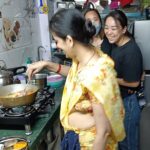
After pickup, you travel to the host home and you’re greeted by the family. In one described class, the welcome included a traditional tikal blessing, which gives you a sense of what kind of experience this is: personal, warm, and rooted in daily home hospitality. Then you’re escorted to the kitchen, where the session begins with an overview of Indian cuisine and an intro to species/spices and seasonal vegetables.
The only “watch your step” consideration here is timing. Because it runs around your selected hotel pickup time and you’ll be in a real home setting, it helps to arrive on time and keep your day plan flexible enough to handle a slightly earlier or later return than you might expect from a city tour.
Your 3-Hour Cooking Flow: Briefing, Hands-On Cooking, Then You Eat
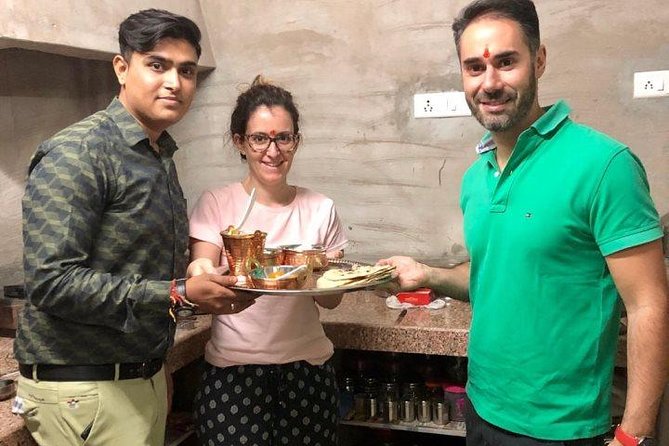
The structure is simple, and that’s why it works. In about three hours, you move through a cycle: briefing → demonstration → cooking → eating what you made → drop-off back to your hotel.
The briefing: spices and ingredients first
You don’t start by measuring sauces. You start with context: Indian culinary traditions and how ingredients fit together. The class includes an introduction to Indian spices and seasonal vegetables, and that’s a smart way to build understanding. You’ll be better at adjusting flavors later if you know why a spice is used and what it contributes.
Demonstration: learn the method before the hands
A family member demonstrates how to prepare several authentic Rajasthani cuisine dishes. This is where you’ll pick up technique cues like how to handle spice mixtures and how to build curries and sides. The helpful part is that you’re not thrown into the deep end; you see the steps first, then you copy them.
Cooking time: you actually roll up your sleeves
Then the work begins. The class is described as interactive, which is important. Instead of standing around watching someone else cook, you’ll be involved in the preparation—learning techniques, spices, and the practical steps that turn ingredients into a finished meal.
Eating: you don’t just learn, you taste
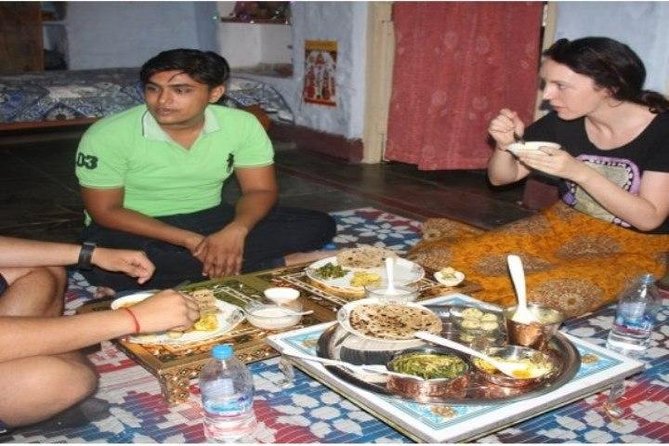
After cooking, you eat what you made. That’s a built-in feedback loop. If a sauce tastes too sharp, too flat, or not quite right, you’ll often learn what to tweak next time—especially because you’re working with real spices and real textures, not just pre-made elements.
Finally, you head back to the hotel. That drop-off closes the loop so you’re not left figuring out transport right after a meal.
The Dishes You’ll Learn in a Jodhpur Rajasthani Style
The class is set up so you choose lunch or dinner, and you’ll learn classic dishes that can include chutney, saffron lassis, biryani, paneer curry, and more. Even if your exact menu varies by the session, the teaching themes are consistent: spice-based flavor building, familiar Indian bread work, and comfort curries.
From the examples shared in the reviews, you can reasonably expect the class to cover parts like:
- Chai masala and ginger tea (spice blend and tea technique)
- Different types of curries and a paneer masala style preparation
- Dahl and other lentil-based cooking
- Khichri, including how to balance it with spices and texture
- Cabbage recipe and seasonal vegetable handling
- Chapatis and paranthas from scratch, including dough work and cooking method
One review specifically mentions the host, Dakshika, walking through items like chai masala and ginger tea, dahl, paneer masala, a cabbage recipe, plus chapatis and paranthas from scratch. Another mentions learning ginger and masala tea, different curries, and khichri, with Ritesh helping on the day. Even if your class menu is different, those examples show the range: tea and spice blends, curries and lentils, and bread-making skills.
That variety is the value. You’re not just learning one dish. You’re learning how Indian cooking tools connect—spice blends link tea and curries, and bread work ties into how you scoop up sauces and sides.
Why the Spice and Vegetable Intro Is More Than a Warm-Up
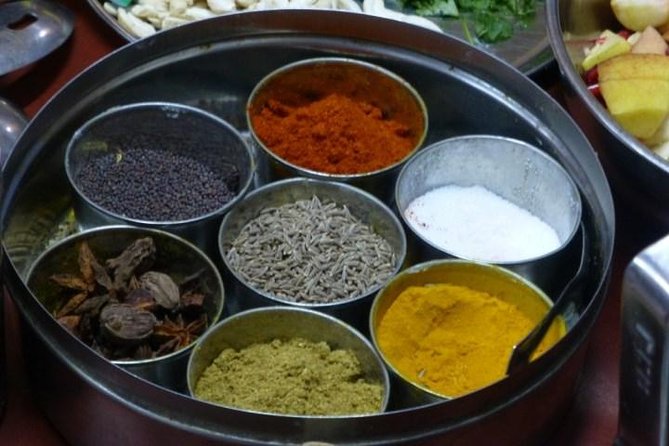
This is where the class earns its reputation. “Spices” can sound generic until someone connects them to real cooking decisions. Here, you get an introduction to Indian spices and seasonal vegetables before you cook. That means you’ll understand what’s in your ingredients and why it shows up again and again.
In practical terms, the spice and seasonal vegetable briefing helps you:
- recognize how dishes get layered flavors
- understand how to swap vegetables when something is in season
- ask better questions while you’re cooking, because you know what to look for
And since the class is private and you have time to ask questions, the guidance doesn’t stop at a lecture. It flows into how you shape your final plate.
Food, Drinks, and Comfort Details You’ll Actually Care About
You don’t just cook; you eat. The meal is included, and you’ll get bottled water plus coffee and/or tea. That’s a nice touch because home kitchens can vary, and having water and tea handled for you keeps the experience comfortable.
Alcohol isn’t included, but you might find it available to purchase. If you’re planning to pair your meal with something stronger, plan on paying extra.
Also note the class is private, meaning only your group participates. Even with a maximum of 15 people per booking, your session stays focused on your group rather than being mixed with strangers you didn’t come with.
Price and Value: Why This $25 Class Can Feel Like a Steal
Let’s talk value in real terms. You’re paying $25 per person for:
- a private cooking session
- lunch or dinner included
- coffee and/or tea
- bottled water
- a professional host
- hotel pickup and drop-off from your selected hotel
If you compare that to the cost of guided tours plus meals plus transport, you’ll often find you pay more before you even get a hands-on meal you make yourself. Here, you’re getting instruction and the finished product. That makes the price feel less like a “ticket” and more like paying for a cooking lesson that also becomes your meal.
One more value angle: small group size and private format mean you’re more likely to get individualized help. When you’re learning bread technique or spice balancing, quick feedback matters. It’s the difference between tasting your own success and just following a set of steps.
Who This Experience Suits Best (And Who Might Want Something Different)
This class is a strong match if you:
- want a hands-on food experience, not just a food tasting
- enjoy learning about spices and how dishes connect
- like home-style hospitality and relaxed Q&A
- want a meal that doubles as a skill-building session
It’s also a good option if your itinerary includes markets and forts but you don’t want another “walk, look, move on” activity. This one slows you down in the best way: with real cooking and real eating.
If you’re the kind of traveler who wants a strict timetable, formal culinary school pacing, or a bigger lecture style, you might prefer a more structured cooking academy. But if you want warmth, practical instruction, and the chance to ask questions while you cook, this home-kitchen format is the point.
Tips to Get the Most Out of Your Private Class
- Go in with at least one question you care about, like how to adjust spice heat or how to make chutney taste balanced. The private format makes those questions worth asking.
- Plan to eat what you make. Try not to schedule something heavy right before or after; the meal is part of the experience.
- If you have dietary needs, tell the provider at booking. The class data says you should advise any specific dietary requirements ahead of time.
- Don’t over-plan your day. With pickup and return included, you still want cushion time so you feel relaxed rather than rushed.
Should You Book This Private Cooking Class in Jodhpur?
Yes—if your idea of a great travel day includes learning something you can reproduce at home and sharing a meal you helped create. For many people, the best part is the combination of private instruction and a genuine family-hosted feel, plus the convenience of hotel pickup and drop-off.
Book it especially if you want Rajasthani staples like curries, paneer-style dishes, lentil cooking, bread-making, and spice blends (including tea). The format also suits solo travelers who want conversation, couples who want an activity with shared focus, and small groups who prefer a private setting over a large class.
Skip it only if you want a more formal, high-production culinary school experience rather than a home-kitchen lesson. In that case, you might feel the environment is too casual. But for most food-minded travelers, the casual warmth is exactly the win.
FAQ
What does the class include?
It includes lunch or dinner (depending on the class time you choose), bottled water, coffee and/or tea, a professional host, a private cooking session, and pick up and drop off from your selected hotel.
Can I choose lunch or dinner?
Yes. You can select whether you want a lunch lesson or a dinner lesson based on your schedule.
Is this a private class or a group activity?
It’s private. Only your group participates.
How long is the experience?
The cooking class is about 3 hours (approx.).
Are pick-up and drop-off included?
Yes. You get pick up from your hotel at your selected time and drop off back to your hotel.
What dishes will I learn to make?
You’ll learn classic Indian and Rajasthani dishes that can include items such as chutney, saffron lassis, biryani, paneer curry, and other dishes. Some examples from past sessions include chai masala and ginger tea, dahl, paneer masala, a cabbage recipe, chapatis, parathas, and khichri.
Is there an alcohol option?
Alcoholic drinks are not included, but they are available to purchase.
What if I have dietary requirements?
You should advise any specific dietary requirements at the time of booking so the host can plan for you.
What’s the cancellation policy?
Free cancellation is available. You can cancel up to 24 hours in advance of the experience start time for a full refund.