REVIEW · KATHMANDU
Local Women Led Nepali Cooking Class
Book on GetYourGuide →Operated by Namaste Cooking School · Bookable on GetYourGuide
Nepali cooking with a purpose is rare. In Thamel, Namaste Cooking School pairs farm-to-table Nepali flavors with women-led empowerment, and the small up-to-8 setup makes the class feel hands-on instead of rushed. I like that the focus isn’t only on food skills; it’s also on why the school exists and how your ticket supports the people running it.
One thing to consider: this is not a hotel pickup and drop-off setup by default, even though pickup service is available. So plan how you’ll get to Thamel and arrive on time for the start of your 3-hour session.
In This Review
- Key Things That Make This Cooking Class Worth Your Time
- Thamel’s Cooking Class That Feels Personal, Not Touristy
- What I Love About the Setup
- The One Practical Consideration
- The Women-Led Mission: Why Your Ticket Means More Than Food
- Farm-to-Table in Kathmandu: What It Means for Flavor
- Inside the 3 Hours: How Your Cooking Day Likely Flows
- 1) Get oriented and start cooking
- 2) Cook the dishes you selected
- 3) Eat what you made, together
- 4) Take home recipes and a certificate
- What You’ll Cook: Entrees, Mains, and Dessert Categories
- The Included Meal: Lunch or Dinner That Actually Feeds You
- Price and Value: Is $30 Fair for 3 Hours?
- Who Should Book Namaste Cooking School (and Who Might Skip It)
- Tips to Get the Most Out of Your Nepali Cooking Class
- Should You Book This Cooking Class?
- FAQ
- Where is Namaste Cooking School located?
- How long is the cooking class?
- What does the class cost?
- Is pickup included?
- What’s included in the price?
- What’s the group size and language?
Key Things That Make This Cooking Class Worth Your Time
- Women-led instruction with a mission tied to empowerment and resilience
- Farm-to-table sourcing, with ingredients coming directly from local farmers
- Small group limits (up to 8) so you can actually cook and ask questions
- Pick your dishes across entree, main course, and dessert categories
- You eat what you make, with lunch or dinner included
- English instruction plus a recipe booklet and a participation certificate
Thamel’s Cooking Class That Feels Personal, Not Touristy
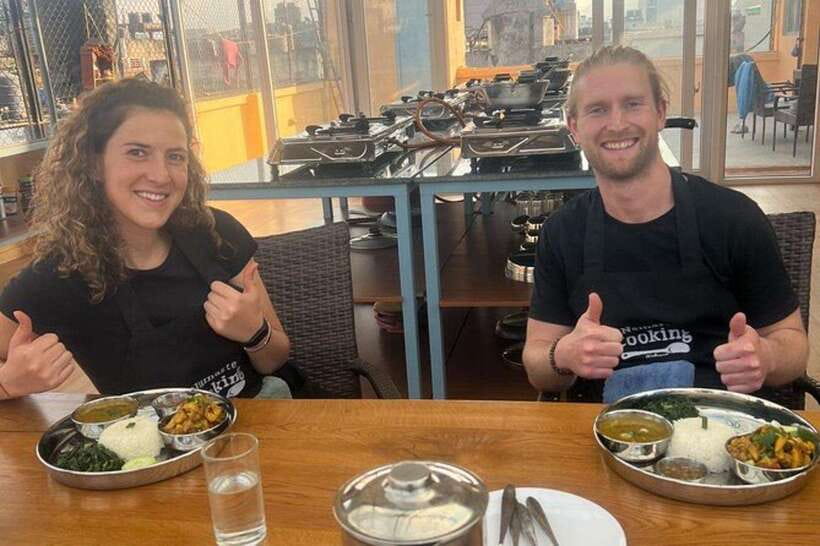
Thamel is the easiest place in Kathmandu to find food, tea, trekking gear, and other travelers. It’s also where a lot of cooking activities start to feel cookie-cutter. Namaste Cooking School avoids that trap by keeping things small and by centering the class on real Nepali cooking traditions and real people.
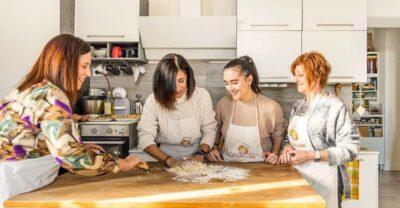
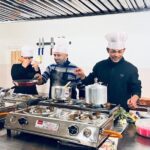
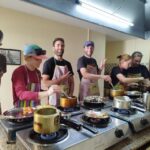
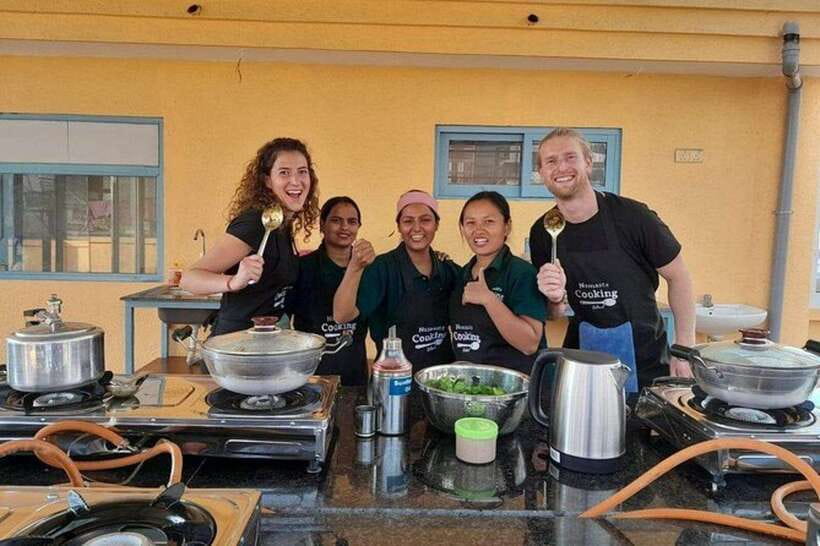
You’ll spend 3 hours learning and cooking with an English-speaking instructor. The group size matters here: with a limit of 8 participants, you’re not standing on the edge of someone else’s class. You get time at the work area, and you’re more likely to get direct coaching instead of a quick walk-through.
The vibe is also friendly and upbeat. The session is described as full of laughter and fun, with a sense of camaraderie among the cooks. That matters because Nepali cooking can be a little hands-on (chopping, mixing, timing), and a relaxed group makes it easier to pick up techniques fast.
You can also read our reviews of more tours and experiences in Kathmandu.
What I Love About the Setup
Two things land really well for me when I think about booking this. First, the school is women-led, and the mission is not a side note. Second, the class uses a farm-to-table approach, so the cooking feels connected to the ingredients rather than just a demo you watch and forget.
The One Practical Consideration
The only real downside is logistics: hotel pickup and drop-off aren’t included. Pickup service may be available, but it’s not automatically bundled. If you don’t know Kathmandu streets well, you’ll want to plan a simple route or arrange a way to get there without stress.
The Women-Led Mission: Why Your Ticket Means More Than Food
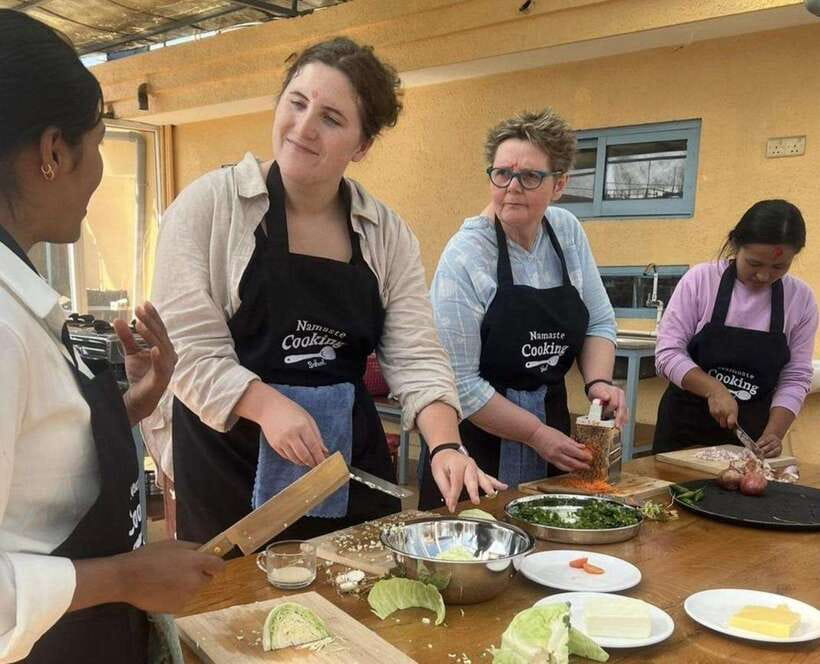
Namaste Cooking School is built around a strong message: Cook for Culture, Empower for Change. The hands that teach you are survivors of trafficking, described as warriors driven by hope and the will to thrive.
That matters for two reasons. One, you’re supporting a school that creates work and stability through hospitality and skill-building. Two, you’re learning Nepali food from people who care deeply about preserving those flavors and sharing them with dignity.
This isn’t about guilt. It’s about choice. If you like to spend travel money on experiences that put your dollars to work locally, this class gives you that option in a very direct way. You’re paying for ingredients, instruction, and a community built around empowerment.
Farm-to-Table in Kathmandu: What It Means for Flavor
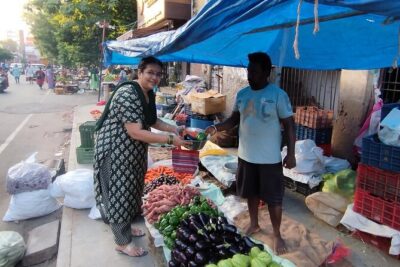
The school’s description emphasizes that ingredients are sourced directly from local farmers. Even if you’ve never thought about how food travels before, you’ll feel the difference in how the cooking starts to make sense.
Farm-to-table usually means:
- you’re working with ingredients that are locally grown or locally sourced
- the flavors tend to reflect what’s available nearby and used in everyday Nepali cooking
- the class stays grounded in authenticity rather than imported convenience
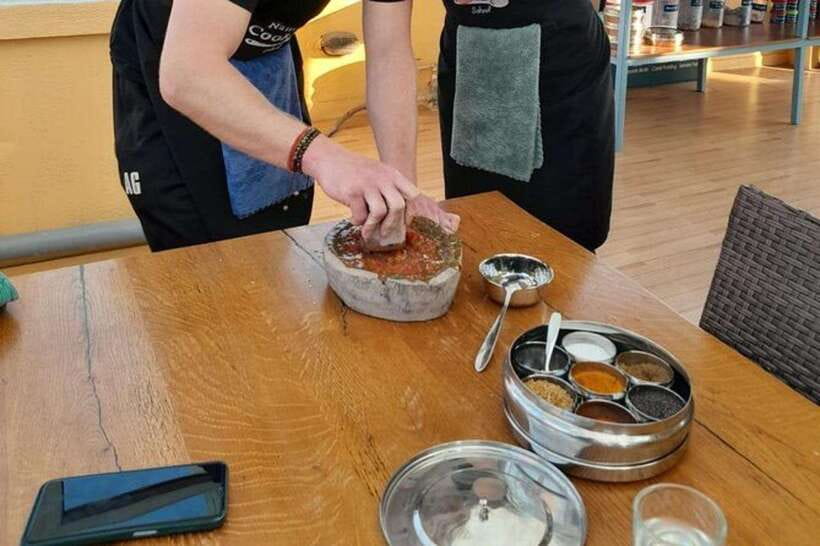
And because you’re cooking, not just tasting, your senses get trained. You notice how spices smell, how sauces change as they heat, and how different components come together. That kind of learning sticks because it’s practical.
The class also has a “culture through food” angle. You’re not only following steps; you’re participating in a story about tradition and community—right in Thamel, where most people only think about quick bites.
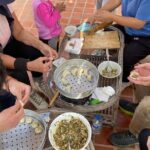
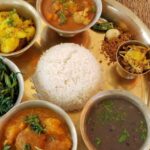
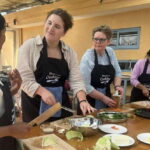
Inside the 3 Hours: How Your Cooking Day Likely Flows
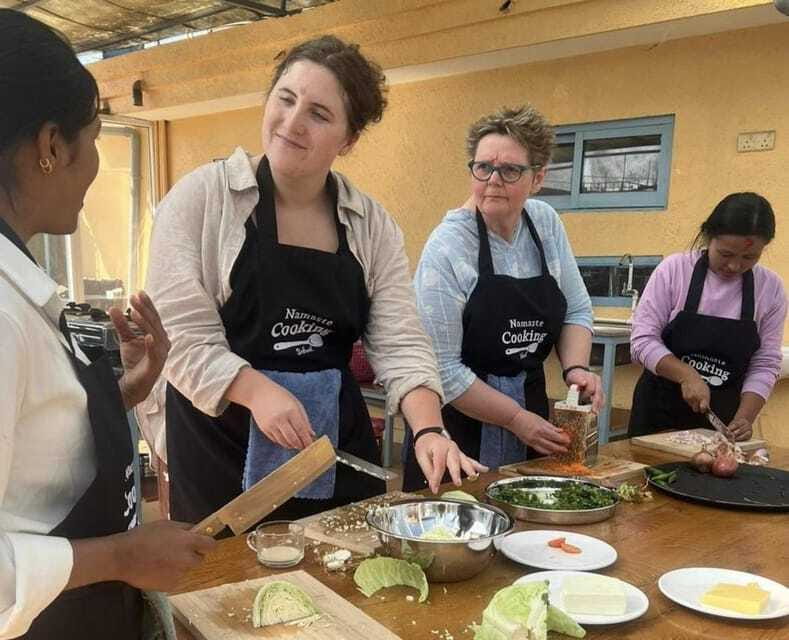
No two cooking classes run in exactly the same order, but Namaste’s structure is clear: you choose dishes, you cook them, and you eat them as lunch or dinner. The class is designed to fit into a single 3-hour block, which is ideal when you’re sightseeing and don’t want a half-day commitment.
Here’s what you can expect in a realistic sequence:
1) Get oriented and start cooking
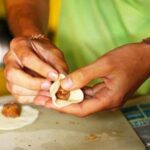
You’ll begin with an instructor guiding you in English. Since it’s a small group, you’ll have a better chance to ask questions while you work. Expect the session to focus on the steps that lead to finished dishes, not just theory.
2) Cook the dishes you selected
The menu selection spans entree, main course, and desert categories. That’s a big deal. Many cooking classes force you into only one type of dish. Here, the structure supports a fuller Nepali meal.
You’ll work with all cooking ingredients provided, so you’re not scrambling to buy supplies or guessing measurements. That keeps the experience beginner-friendly even if you’ve never cooked Nepali food before.
3) Eat what you made, together
The class includes lunch or dinner with the dishes you prepare. This is one of those practical perks that travel writers love. When you eat your own food, you understand what changes mattered—heat, timing, seasoning balance—because you can taste the outcome right away.
4) Take home recipes and a certificate
You get a recipe booklet and a certificate of participation. Even if you don’t frame the certificate, it’s a nice reminder that you completed something real, not just an afternoon snack tour.
What You’ll Cook: Entrees, Mains, and Dessert Categories
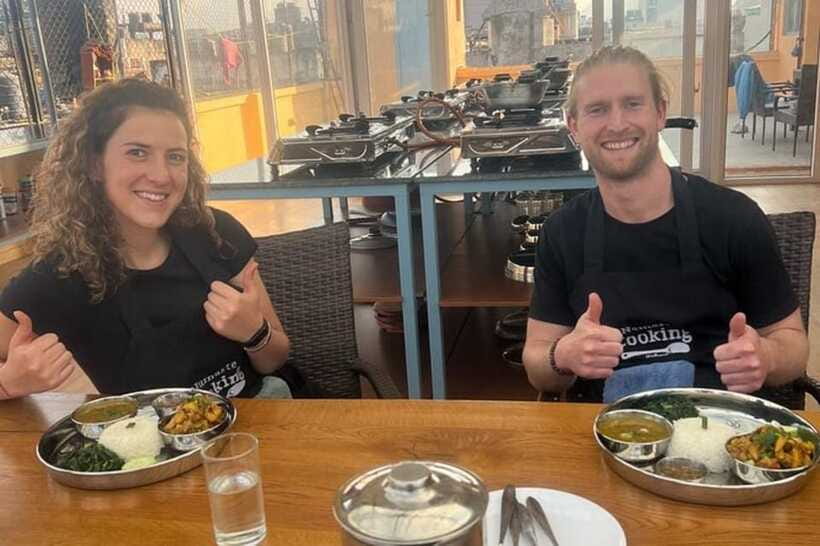
The menu choice is broad: you can select from entree, main course, and desert options. That format helps you build a meal that feels complete, and it gives you flexibility depending on what you’re craving.
If you like to eat a variety of flavors and textures, this is better than a class that only teaches one dish. And if you’re traveling with friends (or you just want to meet other solo travelers), having multiple courses creates natural conversation—people compare what they chose and what they’re cooking.
Because dish specifics aren’t listed here, I won’t pretend you’ll cook a particular famous item. What I can tell you is the structure supports learning a range: something lighter for an entree, something more filling for the main course, and something sweet at the end.
The Included Meal: Lunch or Dinner That Actually Feeds You
One smart part of the deal is that you don’t just taste a few bites. You get lunch or dinner that includes the dishes you cook. In cities like Kathmandu, meal times can get chaotic if you’re bouncing between attractions. This class builds your food plan for you.
From a value standpoint, that’s huge. A lot of cooking classes cost more because tasting fees and food costs are separate. Here, the food is part of the experience package, so your money goes into both learning and eating.
You also get the immediate satisfaction of seeing your work on the table. For many people, that’s the difference between a cooking class that feels educational and one that feels like a one-time show.
Price and Value: Is $30 Fair for 3 Hours?
$30 per person for a 3-hour, English-taught cooking class in central Thamel can be a very fair deal, especially because it includes:
- cooking ingredients
- lunch or dinner (the dishes you prepare)
- a recipe booklet
- a certificate of participation
Where the value gets better is in the combination. You’re paying for instruction, food, and a real social mission—not just kitchen access.
A couple of practical ways to judge value before you book:
- If you’d otherwise spend that money on a few restaurant meals, ask yourself whether you want to keep eating out—or if you want a skill and a recipe booklet you can use later.
- If you like small groups and hands-on work, the up-to-8 limit helps justify the price. You’re not just watching.
Who Should Book Namaste Cooking School (and Who Might Skip It)
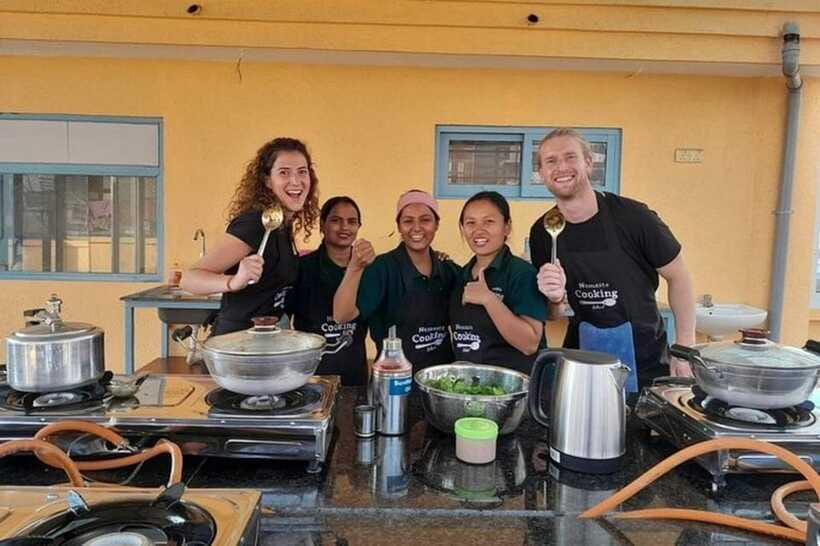
This class is a strong match for you if you:
- want authentic Nepali food focused on farm-sourced ingredients
- care about women-led community empowerment
- prefer small-group activities with real interaction
- like hands-on learning more than food-tasting tours
- are okay going to Thamel on your own (since hotel pickup/drop-off isn’t included)
You might skip it if you:
- want a very large group party vibe
- need a fully guided round-trip from your hotel and don’t want to coordinate transport
- prefer cooking content that is very specific about exact dishes and timings (since the key promise here is course categories rather than a fixed menu in the details provided)
Tips to Get the Most Out of Your Nepali Cooking Class
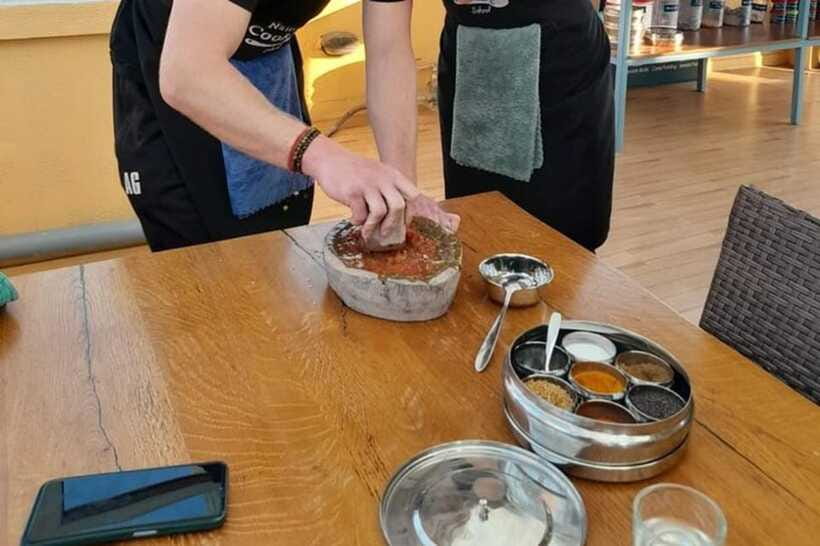
Keep these practical tips in mind so the 3 hours go smoothly:
- Arrive on time. Cooking classes move by the clock. If you’re late, you’ll lose time at the workstations.
- Ask questions while you cook. With a small group, questions get answered in the moment.
- Choose your menu based on your appetite. Entree, main course, and dessert together make a full meal. Pick what you’ll actually enjoy eating.
- Treat the recipe booklet like homework, not decoration. If you want to cook again later, scan it before you forget the flavors.
- Go in for the learning, not just the meal. Yes, you eat well. But the biggest payoff is understanding what changes the taste.
Should You Book This Cooking Class?
If you want a Nepali food experience in Kathmandu that’s both delicious and meaningful, I’d book Namaste Cooking School. The best reasons are practical: you cook in a small group, you eat your results as lunch or dinner, and you leave with a recipe booklet you can use again. The best reasons are also human: it’s women-led, and your participation supports empowerment.
The main reason to hesitate is logistics. If you don’t want to manage getting to Thamel, confirm pickup options in advance. If that’s covered for you, the deal feels strong for $30.
Go hungry, bring curiosity, and expect a class where people laugh while they cook.
FAQ
Where is Namaste Cooking School located?
It’s located in the Bagmati Zone, in the heart of Thamel.
How long is the cooking class?
The experience runs for 3 hours.
What does the class cost?
The price is $30 per person.
Is pickup included?
Hotel pickup and drop-off aren’t included, but pickup service is available—so it’s worth checking what applies to your booking.
What’s included in the price?
All cooking ingredients are included, along with lunch or dinner (the dishes you prepare), a recipe booklet, and a certificate of participation.
What’s the group size and language?
It’s a small group limited to 8 participants, and the instructor teaches in English.