REVIEW · LA FORTUNA
Private cooking class in organic farm at La Fortuna
Book on Viator →Operated by Finca Paraiso Organico · Bookable on Viator
Food begins in the garden, not your plate. On this private organic farm cooking class in La Fortuna, I love how you start with orchard picking and a guided walk through the plants you’ll later use for dinner.
I also love the twist of a medicinal plant tour and the hands-on sugarcane drink moment before you cook and sit down. One consideration: there’s no private transportation included, and you’ll be outside, so plan for real farm walking and weather.
In This Review
- Key Highlights You’ll Care About
- First Impressions: Where You Meet and How the Day Flows
- Walking the Orchard: Your Dinner Starts With Picking
- The Peasant Pharmacy: Medicinal Plants and Plant Uses
- Making Sugarcane Juice With Roots and Herbs
- Into the Kitchen: Cooking a Typical Costa Rican Dinner Together
- Tortilla Time: Hands-On Corn Tortillas, Done for Real
- What You Eat, and Why It Feels Different
- Who This Tour Fits Best
- Price and Value: Is $75 Worth It
- Practical Tips So You Don’t Get Frustrated
- Language and Conversation: How the Hosts Make It Work
- Should You Book This Organic Farm Cooking Class?
- FAQ
- FAQ
- What is the duration of the private cooking class?
- Where does the tour start?
- Is this a private experience?
- What’s included in the price?
- Do I make the food, or is it just tasting?
- Is sugarcane juice included?
- Are alcoholic beverages included?
- Is transportation included?
- Can the hosts accommodate dietary preferences?
- What is the cancellation policy?
- Are service animals allowed?
Key Highlights You’ll Care About
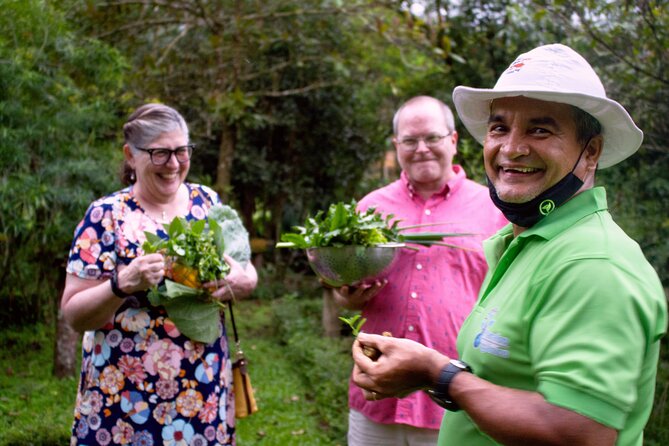
- Harvest-and-cook format: you pick ingredients first, then cook what you harvested
- Medicinal plant garden stops: learn what’s grown for everyday ailments and how people use plants
- Herb-mixed sugarcane juice: you make the drink together, not just taste it
- Tortillas by hand: you’ll learn and actually make corn tortillas to go with dinner
- Family-style private group: only your party joins, with hosts who tailor the experience to you
First Impressions: Where You Meet and How the Day Flows
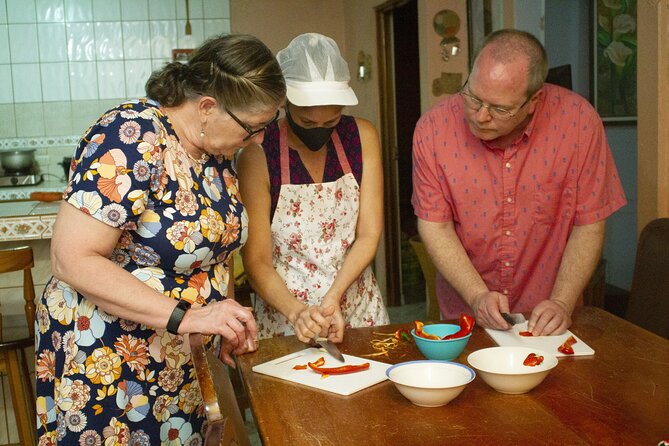
You’ll meet at Finca Paraiso Organico in La Fortuna, in Alajuela Province. This isn’t a big, fast factory tour. It’s more like being invited for a family lesson on farming and cooking, with your own group only.
The experience runs about 2 hours 30 minutes. That timing matters. It gives you enough time to slow down in the garden, make the drink, cook together, and still enjoy the meal without feeling rushed.
Because private transportation isn’t included, you’ll want to arrange your ride to the farm. Once you’re there, the flow is simple: walk the property, collect ingredients, make a sugarcane drink with plants/roots you gathered, then cook a typical Costa Rican dinner together, including tortilla-making.
You can also read our reviews of more tours and experiences in La Fortuna.

Walking the Orchard: Your Dinner Starts With Picking
The first part centers on an organic orchard walk. You’re not just looking. You’re collecting fresh ingredients that will end up in the meal. That one step changes everything about dinner.
I like this approach because it makes the cooking feel earned. When you pick herbs and produce yourself, you start noticing smell and texture in a way that you normally miss at home or at a market. Hosts often turn it into an interactive game, where you guess plants by scent and taste before you learn what they are.
This garden walk also helps you understand what organic growing looks like day to day. You’ll see the real variety people rely on in Costa Rica: kitchen herbs, salad greens, spices, and other plants that might seem like “just weeds” until you see how they’re used.
What to watch for: the pace is outdoors. Pathways can be uneven, and you’ll likely walk on grass or dirt. Comfortable closed-toe shoes help more than you think, especially if it has rained.
The Peasant Pharmacy: Medicinal Plants and Plant Uses
A big reason this class stands out is the medicinal garden section, often described as a peasant pharmacy. You’ll walk through the plants used for different diseases and learn how they’re part of everyday life.
This isn’t presented like a lecture you have to memorize. It’s more practical and story-based. You’ll also have a chance to taste some plants, depending on what the hosts choose that day. That sensory part is a recurring theme in how people talk about the experience, because it turns plant learning into something physical: smell, flavor, and observation.
The medicinal plant stop is also a reminder that food and folk medicine are connected in many places. In Costa Rica, home kitchens often draw on plants for flavor and for comfort. Even if you don’t use every remedy, it’s useful context for understanding local agriculture beyond dinner.
Making Sugarcane Juice With Roots and Herbs
After the farm walk, you shift to the drink-making stage. You’ll make sugarcane juice together, then add roots and plants collected during the tour.
This is one of those moments that’s easy to remember because it happens right in front of you. The sugarcane base gives you that fresh, slightly earthy sweetness, and the herb additions create the “Costa Rican farm” flavor profile that you can’t replicate from a bottle.
I like that it’s not just a tasting. You actively participate, so it feels like part of the lesson rather than a separate activity. If you’re curious about how flavors layer in traditional cooking, the juice teaches that quickly: start with a base, then add plant character a little at a time.
And yes, it’s a great warm-up before cooking. Your palate is awake, and you already have ingredients “connected” to the meal.
Into the Kitchen: Cooking a Typical Costa Rican Dinner Together
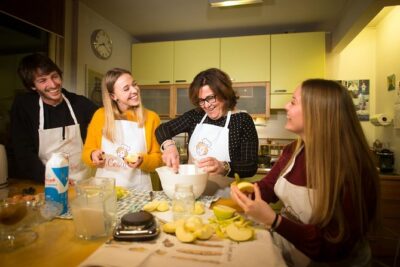
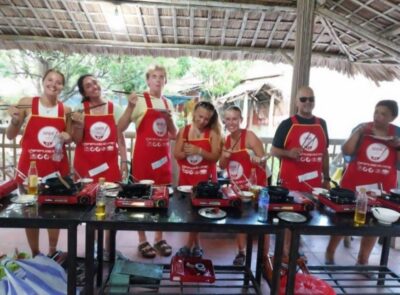
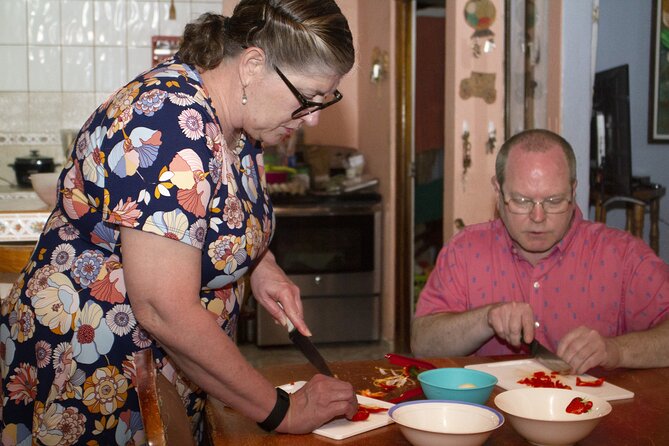
Once everything is ready, you go to the kitchen area and cook a typical Costa Rican dinner with your hosts. The format is hands-on. You’ll chop, season, and work through multiple parts of the meal together.
From the menu style people describe, you can often expect dishes like:
- chicken and rice
- beans
- a garden salad
- plantains prepared as part of the meal
- corn tortillas you make from scratch
Even when the exact plates vary, the experience stays consistent: you learn how the meal comes together step by step, not just how to follow a recipe. That’s the practical value. When you get home, you’re not trying to recreate a single dish from memory. You’re carrying techniques, pacing, and seasoning instincts.
Also, it helps that the hosts are relaxed. Dinner time becomes conversation time too. If you speak English, you’ll likely get plenty of back-and-forth. The family setting encourages questions, and the more you ask, the more you get out of it.
Tortilla Time: Hands-On Corn Tortillas, Done for Real
If you only care about one activity, make it tortilla-making. This is one of the most praised parts because you don’t just watch tortillas being made. You make them yourself.
In practice, tortilla-making is physical and a little rhythmic. You’ll learn how to form the dough, how to work the dough texture, and how to cook them correctly. Someone helps you fine-tune technique so you’re not left guessing.
This matters for value. Tortillas are one of those foods that tastes “simple” until you try making them. Doing it by hand gives you a real appreciation for corn, heat control, and timing.
It’s also a fun skill to bring back home. Corn tortillas are common in the grocery store, but homemade ones hit differently. Even if you don’t make them every week, knowing the method helps you use them confidently when you cook other Costa Rican flavors.
What You Eat, and Why It Feels Different
You’ll eat the dinner you helped prepare. That means your meal isn’t a distant show. It’s the end result of the garden work, the drink mixing, and the kitchen chopping.
The flavors often feel cleaner because the ingredients come from the farm and are used soon after being collected. You also notice the difference in herbs, especially when you’ve smelled and tasted them earlier. That earlier medicinal garden and orchard time acts like seasoning training for your brain.
Some groups also mention extra touches like homemade dessert, which can make the whole meal feel complete. Even if the exact dessert varies, you should expect the dinner to be a full, satisfying Costa Rican spread rather than a light snack.
Who This Tour Fits Best
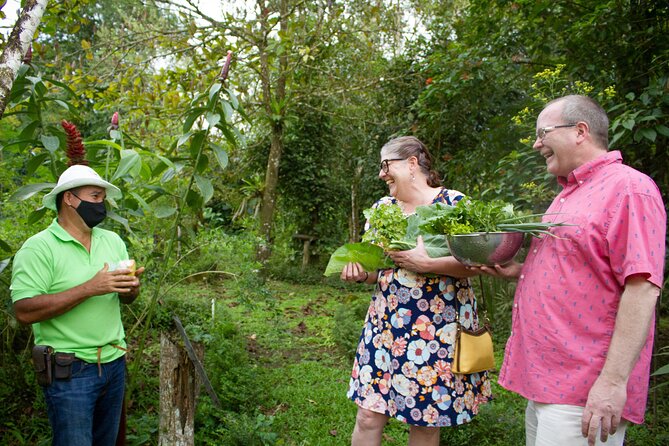
This is a smart choice if you like food experiences with context. You’ll enjoy it whether you’re a:
- couple looking for a hands-on evening with local hosts
- family wanting something educational without being boring
- foodie who wants more than a restaurant meal
It’s also a great pick for people who enjoy learning from real life. This isn’t farm life in a slideshow. It’s farm-to-table in an actual working property setting.
Dietary needs can be discussed. At least one group described that the hosts made adjustments for dietary preferences such as not eating meat. Still, don’t assume everything is possible. If you have a restriction, tell the provider at booking so they can plan.
Price and Value: Is $75 Worth It
At $75 per person for about 2 hours 30 minutes, this is priced like an experience, not like a supermarket meal. You’re paying for three things that don’t happen in standard tours:
1) guided organic farm walking and ingredient collection
2) medicinal plant garden learning
3) active cooking instruction plus tortilla-making
You also get the value of a private format. Only your group participates, which usually means more attention and more time for questions than you’d get in a larger class. If you’re the type of traveler who hates feeling herded, the private setup is part of what you’re buying.
On top of that, the meal is included. You’re not paying extra for dinner at the end. You eat what you help cook, which keeps the experience feeling grounded.
If $75 is your budget ceiling, the decision comes down to what you want most: a quick look at a farm or a full food lesson that actually changes your cooking habits.
Practical Tips So You Don’t Get Frustrated
A few small things make a noticeable difference:
- Bring sturdy shoes for garden paths and possible damp ground.
- Expect weather changes. If it rains, you might be given rain gear like rain coats or umbrellas. Don’t let light rain scare you off.
- Plan your transport. Private transportation isn’t included, so arrange a ride to the farm meeting point.
- Come hungry but hydrated. You’ll be picking, tasting, drinking sugarcane juice, and cooking. Water helps.
- Let them know about dietary needs ahead of time. They’ve shown they can adapt for at least some preferences.
If you’re traveling with kids, this can be a strong choice. The sensory nature of the garden walk and the hands-on tortilla work tend to hold attention. Just keep in mind it’s still a real farm environment, with dirt and plants up close.
Language and Conversation: How the Hosts Make It Work
Hosts you may meet include Huberth, his mother, and sometimes Humberto or Hubert Jr, plus guides like Nano described in past experiences. The key point for you is how the communication style works.
This is not a silent walk with a script. You’ll likely talk throughout. People mention welcome conversation in both English and Spanish, and a guide with strong English skills is often part of the experience. Even if Spanish is your comfort zone, you’ll have plenty to learn from the interactions, not just the explanations.
Should You Book This Organic Farm Cooking Class?
Book it if you want a dinner experience with real substance: farm picking, medicinal plant learning, sugarcane juice, and hands-on cooking that includes tortillas. It’s a good match for travelers who like doing things with their hands and learning why food happens the way it does in Costa Rica.
Skip it only if you’re looking for a low-effort, short stop with minimal walking. This is outdoors first, then kitchen time. If that fits your style, you’ll leave with skills you can use and memories you can’t buy at a restaurant.
FAQ
FAQ
What is the duration of the private cooking class?
It runs for about 2 hours 30 minutes.
Where does the tour start?
The meeting point is at Paraiso Orgánico in Alajuela Province, La Fortuna, Costa Rica.
Is this a private experience?
Yes. It’s private, and only your group will participate.
What’s included in the price?
You get a guided farm tour, and you help prepare and eat a typical Costa Rican meal as part of the experience.
Do I make the food, or is it just tasting?
You cook together with the hosts and participants. The experience includes hands-on tortilla-making.
Is sugarcane juice included?
Yes. The activity includes making sugarcane juice together using plants and roots collected during the tour.
Are alcoholic beverages included?
No. Alcoholic beverages are not included.
Is transportation included?
No. Private transportation is not included.
Can the hosts accommodate dietary preferences?
The information provided indicates they can take dietary preferences into consideration, such as making changes for people who don’t eat meat.
What is the cancellation policy?
You can cancel for a full refund up to 24 hours before the experience start time. If you cancel within 24 hours, the amount paid isn’t refunded.
Are service animals allowed?
Yes. Service animals are allowed.