REVIEW · LA FORTUNA
Pura Vida Cooking Class in La Fortuna (From farm to table)
Book on Viator →Operated by Jacamar Naturalist Tours · Bookable on Viator
Costa Rica tastes better with dirt on your shoes. This La Fortuna cooking class starts at La Finquita Farm, where you learn how sustainable crops grow and then use the seasonal ingredients you picked to cook a classic plate like gallina achiotada.
I love the hands-on farm tour paired with the actual cooking. You’ll get guidance as you harvest what’s ready, then learn traditional techniques while working in an open, farm-style kitchen.
One heads-up: your harvesting plan can shift if conditions aren’t great—on a rainy day, you may not be able to pick everything you hoped to.
In This Review
- Key things that make this class worth your time
- From Jacamar Pickup to the Farm Table: How the 4 Hours Flow
- La Finquita Farm: Sustainable Crops You Can Name (and Cook With)
- Harvest Time: The Fun Part, and What Happens if Weather Changes
- Gallina Achiotada and Tortillas: Hands-On Cooking the Local Way
- The Kitchen Setup: Outdoor Cooking That Feels Like a Real Farm Day
- Meal Time: Eating What You Built in a Quiet Rural Setting
- Value Check: Why $99.44 Can Actually Make Sense
- Who Should Book This Farm-to-Table Cooking Class (and Who Might Not)
- Practical Tips That Will Help Your Day Run Smoothly
- Should You Book Pura Vida Cooking Class in La Fortuna?
- FAQ
- How long is the Pura Vida Cooking Class?
- Where does the tour start?
- Do I get hotel pickup and drop-off?
- Is there a morning or afternoon option?
- What’s included in the price?
- What dish do you learn to cook?
- Are there dietary restrictions accommodations?
- Do they serve alcohol during the class?
- Can I cancel for a full refund?
Key things that make this class worth your time
- La Finquita Farm tour first: see where the ingredients come from before you step into the kitchen
- Harvest your meal ingredients: cassava/yucca, herbs, and other seasonal produce depending on what’s growing
- Gallina achiotada + handmade tortillas: a classic Costa Rican combo, taught step by step
- Small group size (up to 15): better hands-on time and more room to ask questions
- Hotel pickup and drop-off in central La Fortuna: saves you the hassle on a busy travel day
- Appron souvenir and fresh ingredients: a practical take-home and a meal you actually made
From Jacamar Pickup to the Farm Table: How the 4 Hours Flow
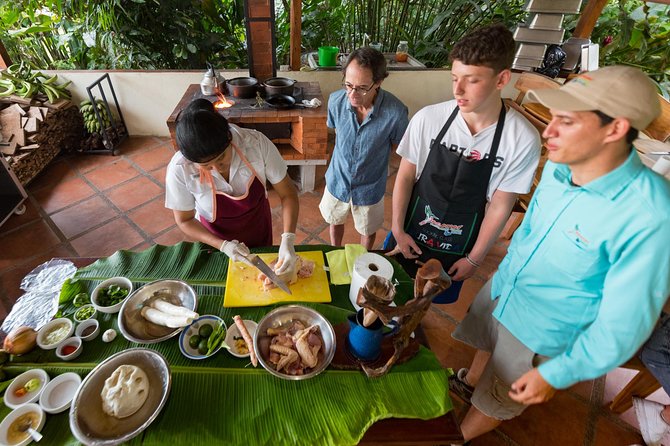
This experience runs about 4 hours, with a morning or afternoon departure option. You’ll start in central La Fortuna with pickup and then head out to La Finquita Farm, a working ecological farm designed around responsible use of natural resources.
The whole point of the timing is that you aren’t just learning recipes in a kitchen. You see the farm, you gather ingredients while they’re fresh and in season, and then you cook them while the experience is still fresh in your head.
There’s also a max group size of 15 travelers, which matters more than you’d think for a cooking class. With a smaller group, you get more real interaction with the chef and guide, and you’re less likely to feel like you’re watching from the sidelines.
You can also read our reviews of more tours and experiences in La Fortuna.

La Finquita Farm: Sustainable Crops You Can Name (and Cook With)
On the farm tour, you’ll get a guided walkthrough of how the property grows food using sustainable agriculture practices. The farm grows staples and kitchen favorites that show up constantly in Costa Rican cooking, including cassava, plantain, sugarcane, corn, and a range of vegetables.
What I like about starting here is that it connects the recipe to a real place. You aren’t just tasting gallina achiotada—you’re learning what ingredients shaped it and how local farming supports the flavors you’ll end up eating.
If you enjoy nature and want the “Costa Rica is alive” factor, the farm setting can add that layer too. One common theme from the experience is wildlife moments, including a sloth spotted near the route to the farm. It’s not the main goal, but it’s the kind of extra that makes the day feel like more than a standard ticket.
Harvest Time: The Fun Part, and What Happens if Weather Changes
A big perk of this class is the harvest element—fresh, seasonal ingredients are part of the experience, and you’ll pick what you need for your meal. Depending on what’s ready that day, you might gather produce and roots that are central to local dishes.
What shows up in the experience content and participant stories includes ingredients like yucca (yuca root) and other farm-picked items such as herbs and spices. People also talk about harvesting spices for the cooking, which is a great reminder that Costa Rican flavor isn’t just about heat—it’s about scent, freshness, and balance.
Here’s the practical consideration: the farm is outdoors. If it’s raining, harvesting can be limited. One participant shared that on a rainy day they didn’t get to harvest vegetables, but the day still worked and the class still delivered a great meal. So treat harvesting as a bonus that you’ll likely enjoy, not as a guarantee you can plan your whole day around.
Gallina Achiotada and Tortillas: Hands-On Cooking the Local Way
The cooking class focuses on traditional Costa Rican recipes, built around ingredients you gathered. The centerpiece dish is gallina achiotada, a typical Costa Rican chicken preparation associated with annatto flavoring (achiote).
You’ll also learn how to make handmade tortillas using techniques passed down through generations. That’s a big deal in a place like Costa Rica, because tortillas aren’t a side hustle—they’re part of how meals feel complete.
You’ll work with a chef and a guide who translate and explain the process while you cook. Names that have appeared for guides include Marco, Hugo, Diego, Nelson, Cindy, and Melody, and a chef name that comes up is Marcella (and also Anna in other instances). You may not get the same team every time, but the consistent theme is that the teaching is friendly and structured—there’s guidance at every step, especially if you don’t cook much.
In addition to the core meal, many people leave with the sense that they cooked a mini spread. Common items mentioned include pico de gallo, plantain chips/patacones, and other local preparations. Even if your exact mix depends on what’s available that day, the experience is still built around making multiple components rather than one bland “tourist version.”
The Kitchen Setup: Outdoor Cooking That Feels Like a Real Farm Day
This isn’t a stuffy classroom kitchen. The cooking happens in a farm-style setting, described as an open-air setup with room for small groups to work comfortably. You may also cook with traditional elements like a wood-burning stove, depending on how the class is set up that day.
That open layout makes the experience feel grounded in the place. You’re not staring at a wall while someone explains spices. You’re standing near the ingredients, touching the process, and seeing how the meal comes together.
One more detail that matters: you’ll have an apron included. It sounds small, but in a hands-on cooking class it’s the difference between feeling ready to participate and feeling like you’re risking your clothes.
Meal Time: Eating What You Built in a Quiet Rural Setting
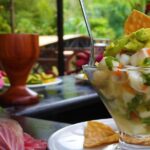
When the cooking ends, you eat the results you helped create—served in the peaceful rural atmosphere of the farm. This is one of the most satisfying parts because you’re not leaving the farm just with photos. You’re leaving with a full meal that reflects real local farming and real local cooking techniques.
The final meal is also when the social part kicks in. People often pair up with other couples and families in the group, which makes it easier to swap travel notes without the pressure of a formal tour. If you’re traveling with kids, the hands-on nature can be a big win. There are also stories of kids learning cooking basics and practicing Spanish in a welcoming environment.
And yes, the food has a reputation for being a highlight of the overall trip—participants describe it as one of their best meals in Costa Rica, with strong “we made this” pride baked in.
Value Check: Why $99.44 Can Actually Make Sense
At $99.44 per person for roughly 4 hours, this is not a cheap add-on. But it also isn’t a basic cooking demo. You’re getting a farm tour, harvesting fresh ingredients, hands-on instruction, and a meal. You also receive an apron and the experience is capped at 15 travelers, which supports real participation.
Here’s how to judge value in real terms: you’re paying for (1) transportation from central La Fortuna, (2) the farm access and explanation of sustainable crops, (3) the ingredients you use, and (4) the cooking instruction and meal. Many food experiences in La Fortuna charge similar money but focus on only one piece. This one tries to connect the full chain—from ground to plate.
Alcohol is not included, though alcoholic beverages are available for sale, and there’s a minimum drinking age of 18. That keeps the base price focused on the core experience.
Demand also seems healthy, since the average booking timing is about 43 days in advance. If you have a tight schedule in La Fortuna, booking ahead is a smart move.
Who Should Book This Farm-to-Table Cooking Class (and Who Might Not)
This is a strong fit if you want:
- A hands-on La Fortuna cooking class that includes real farm context
- Traditional Costa Rican food like gallina achiotada and homemade tortillas
- A smaller group experience where you can ask questions and actually participate
- A day that works well for couples, friends, and families
It may be less ideal if:
- You hate messy, hands-on food prep (even with the apron)
- You’re only interested in a short, passive tasting
- You have dietary restrictions and want a fully customized menu without advance communication (you can share restrictions at booking, but the information you get back will depend on how they adapt)
If you do have dietary needs, the best approach is simple: tell them during booking so they can plan around it.
Practical Tips That Will Help Your Day Run Smoothly
Because you’re on a working farm and doing hands-on cooking, you’ll want to show up ready for real activity, not just observation. Wear comfortable closed-toe shoes (farm paths can be uneven), and bring a small plan for what you’ll do with damp hands, produce smells, and any cooking mess—apron or not.
If rain hits, remember that harvesting might be reduced. The key thing is that the class still runs and you’ll still cook and eat. So focus on participating in the cooking steps, not on treating the harvesting as the only measure of success.
Also, if you’re going with kids, this kind of day can be a fun, structured way to learn where food comes from—so expect them to get involved and enjoy the “we made it” moment at the end.
Should You Book Pura Vida Cooking Class in La Fortuna?
I think you should book if you want your La Fortuna food day to feel authentic, practical, and connected to farming—not just a recipe lesson. The combination of farm tour + ingredient harvest + hands-on cooking + meal is what makes the experience feel complete, and the small group size helps you stay engaged.
Skip it only if you’re looking for a totally low-effort activity or if your priority is purely a tasting with zero participation. For most people—especially couples, families, and anyone curious about Costa Rican staples like tortillas and achiote chicken—this is a strong value choice for a real farm-to-table day.
FAQ
How long is the Pura Vida Cooking Class?
The experience lasts about 4 hours.
Where does the tour start?
Pickup and start are from Jacamar Naturalist Tours in La Fortuna, with the meeting point listed on the Jacamar Naturalist Tours side of the Catholic church in La Fortuna.
Do I get hotel pickup and drop-off?
Yes. The tour includes hotel pickup and drop-off from central La Fortuna.
Is there a morning or afternoon option?
Yes, you can choose either a morning or afternoon departure.
What’s included in the price?
The class includes an apron, a farm tour, fresh ingredients to pick up, the cooking class, and the meal.
What dish do you learn to cook?
You cook gallina achiotada, along with learning to make handmade tortillas.
Are there dietary restrictions accommodations?
If you have dietary restrictions, you should let the provider know when booking.
Do they serve alcohol during the class?
Alcoholic beverages are available for sale, but they are not included. The minimum drinking age is 18.
Can I cancel for a full refund?
Yes, it’s free cancellation. You can cancel up to 24 hours in advance for a full refund. Canceling less than 24 hours before the start time is not refundable.