REVIEW · LA FORTUNA
Ceviche & Empanadas Cooking Class
Book on Viator →Operated by Costa Rica Cooking · Bookable on Viator
Ceviche, mojitos, and a real chef lesson. This La Fortuna class is interesting because you’re not just watching—you’re hands-on with ceviche and empanadas while Chef Scott Alan and his team keep it fun, fast, and very practical. I like the small-group feel (more time at the cutting board and the stove), and I like that lunch comes with all-you-can-drink mojitos plus other drinks. One thing to consider: there’s no hotel pickup, so you’ll want to get yourself to Costa Rica Cooking on your own.
Beyond the food, the whole setup has a personal touch. The cooking space is part restaurant, part chef’s home, and it also connects to a small dog rescue on the property—so you might spend a few extra minutes chatting or helping out after you eat. The format is relaxed, beginner-friendly, and built for people who want to leave with skills, not just photos.
In This Review
- Key things to know before you cook in La Fortuna
- Meet Chef Scott Alan at Costa Rica Cooking (near Arenal country)
- What you’ll cook: ceviche with the kind of details that stick
- Empanadas and guacamole: learn the hands-on skills (and the flavor balance)
- Mojitos, rum cocktails, and mocktails: the drink lesson with real local fruit
- Banana flambé dessert: the sweet finish that feels very Costa Rican
- Small-group attention plus a kitchen setup with personality
- The dog rescue connection: a meaningful bonus you can actually opt into
- Price and value: why $76.93 feels fair for what you get
- Who should book this ceviche and empanadas class in La Fortuna?
- Should you book this ceviche and empanadas class?
- FAQ
- How long is the ceviche and empanadas cooking class?
- What time does it start, and where do I meet?
- What’s included in the meal?
- What drinks are included?
- Is transportation from my hotel included?
- How big is the group?
- Are there any take-home materials?
- What’s the cancellation policy if plans change?
Key things to know before you cook in La Fortuna
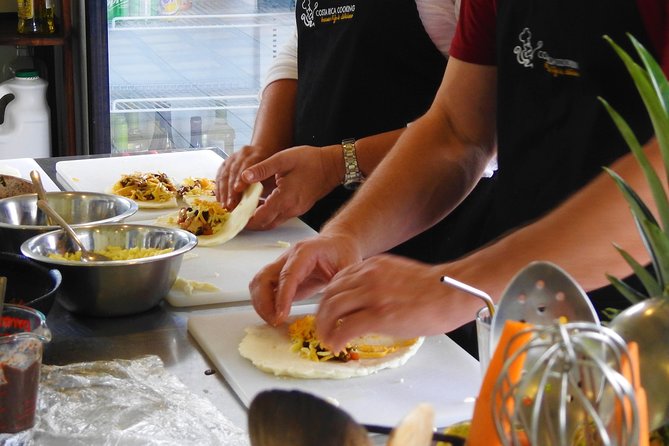
- Hands-on instruction for ceviche and empanadas, not a sit-and-watch demo
- Small group size (max 12), so you get closer attention
- All-you-can-drink beverages including mojitos, sodas, wine, beer, and water
- Take-home recipes so you can repeat the dishes at home
- Dog rescue on-site, with a humane, local side to the experience
Meet Chef Scott Alan at Costa Rica Cooking (near Arenal country)
The class starts at 10:00 am at Costa Rica Cooking, on Diag. 301, Provincia de Alajuela, San Carlos, Costa Rica. It’s set up so the activity ends back at the same meeting point, which makes the day easy to plan. Expect a total time of about 2 hours 30 minutes, which is long enough to actually cook and eat, but not so long that you lose the rest of your La Fortuna day.
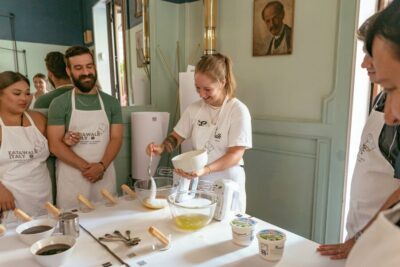
This is a maximum 12-person experience, and that matters more than it sounds. In a class this size, your chef can correct your knife grip, help you adjust chopping, and still keep the pace moving. If you’ve ever felt lost in a group cooking class—too many people, not enough attention—this format is designed to fix that.
Also, no hotel transportation is included. That’s not a deal-breaker, but you should plan to get yourself there and back using local options or taxi.
You can also read our reviews of more tours and experiences in La Fortuna.

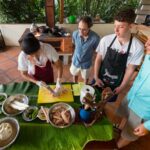
What you’ll cook: ceviche with the kind of details that stick
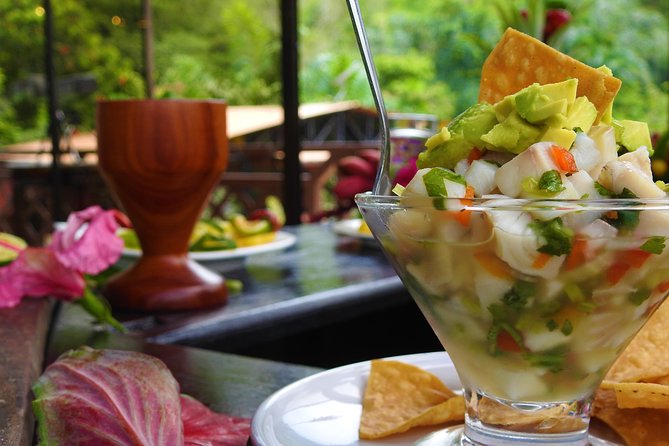
Ceviche is the star, and you’ll do real prep work rather than only assembling at the end. You’ll learn a Costa Rican approach to building flavor, including how to get the balance right between acidity and seasoning. One recipe detail that stands out in the ceviche process: it can use ginger ale as part of the flavoring approach. That’s not the usual method most people expect, and it’s exactly the kind of small technique you’ll remember later when you try ceviche at home.
Practically, the class teaches you the steps you can repeat:
- how to prep ingredients cleanly
- how to think about texture and timing
- how to season so it tastes finished, not just mixed
You’ll also make sure you eat what you cook—this isn’t a “snack tasting” class. Portions are clearly meant to leave you full, and the cooking rhythm is paced so you don’t feel rushed.
Empanadas and guacamole: learn the hands-on skills (and the flavor balance)
After ceviche, you’ll move into empanadas. Expect to work through the basics with support, including how to handle the filling and how to shape the empanadas so they actually hold up. Even if you’re not a confident cook, the teaching style is built around straightforward technique, from chopping to assembly.
Guacamole and tortilla chips often show up in the meal as part of the appetizer spread. It’s a good pairing because it gives you a fresh, creamy contrast to the ceviche’s brightness. The nice part is that you’re not just eating someone else’s version—you’re learning how to make it so you can tweak spice and consistency later.
From a value standpoint, empanadas are smart to teach because they’re a real skill. Once you can fold and cook them correctly, you can recreate them with different fillings later, without needing a new class each time.
Mojitos, rum cocktails, and mocktails: the drink lesson with real local fruit
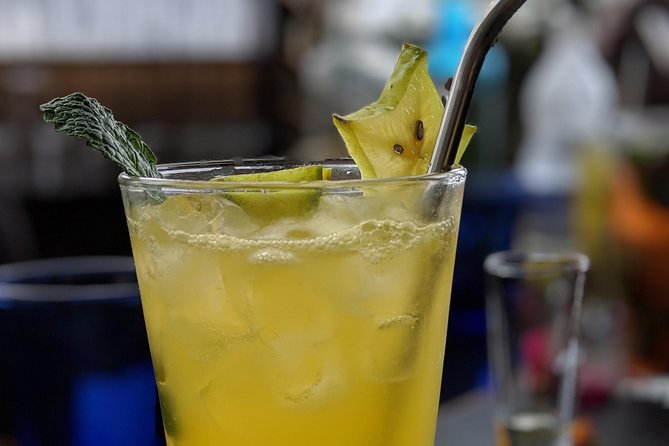
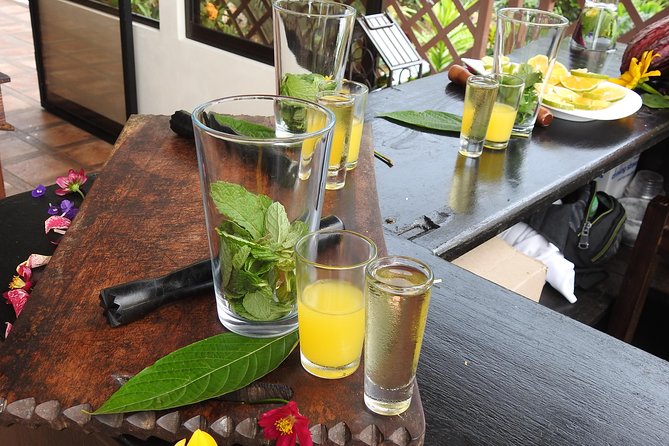
This class doesn’t treat drinks as an afterthought. Lunch includes all-you-can-drink mojitos along with sodas, wine, beer, water, and tropical drinks. The mojito variety can include local fruit mixes such as pineapple and passion fruit, and those flavors are a big reason people walk out smiling.
If you’re not trying to drink alcohol, you’re still in the right place. Multiple accounts describe mocktail options, which tells you the team plans for different preferences. You’ll also learn how cocktails get built—what to add, when to add it, and how the fruit changes the final taste.
One practical tip: if you’re cooking, not just sipping, take a slow approach early on. It’s fun to taste along the way, but you’ll get more out of the class if your hands stay steady during chopping and assembly.
Banana flambé dessert: the sweet finish that feels very Costa Rican
You’ll also get a typical dessert with your meal. The most mentioned finish is banana flambé, which pairs sweet fruit flavors with a warm, showy final step. Even if you think you don’t love bananas, this one seems to convert people—mostly because the dessert is served as part of a broader plate, not as a heavy, plain banana situation.
Dessert here isn’t just sugar at the end. It’s part of the full “what Costa Rican cuisine tastes like” idea. You’ll leave with a better sense of how fruit, spice, and cooking technique come together in local home-style food.
Small-group attention plus a kitchen setup with personality
The cooking class is held at Scott Alan’s place, a restaurant-style kitchen setting that’s also connected to his home life. That “home chef” feel shows up in the way the team moves around the room, checks on you, and teaches. The class format seems to give people enough time to practice while still enjoying conversation.
The environment can also include local wildlife sightings from the area around the kitchen. That’s not something you can schedule, but it adds to the sense that you’re cooking in the real La Fortuna world, not behind a windowless wall.
And because the group is capped at 12, you’re not lost in a crowd. You’re able to ask questions while you cook, and you can follow along without constantly trying to see over someone else’s shoulder.
The dog rescue connection: a meaningful bonus you can actually opt into
One of the most memorable extras is the dog rescue on-site. There are friendly dogs around the property, and in some cases people have volunteered to help after cooking by walking dogs. This isn’t a gimmick added to make the class look cute—it feels like a genuine community effort that happens alongside the meals.
If you love animals, this part can turn a simple cooking class into a more personal experience. If you don’t, it’s still easy to handle—you can focus on the food while keeping your distance when needed.
Either way, it’s a good reminder that local experiences are often about more than the main activity. You get a slice of daily life, plus a chance to learn that compassion is part of the culture here, not just something said on a brochure.
Price and value: why $76.93 feels fair for what you get
At $76.93 per person, this class is priced like a real activity, not a cheap tourist snack. The value comes from three big things working together:
- You’re paying for instruction and hands-on time (chef-led, small group).
- Lunch is included, and it’s not just food—you get a spread you cook and then eat.
- Drinks are included in a meaningful way: mojitos plus sodas, wine, beer, water, and tropical options.
Many people compare cooking classes only on “how much food you eat.” Here, the drink inclusion and the take-home recipes shift the math. If you were to pay separately for a meal, drinks, and a guided cooking session, the total tends to climb quickly. This bundled format is the whole point.
Who should book this ceviche and empanadas class in La Fortuna?
This works especially well for:
- Couples looking for a fun, low-stress activity that’s still a real skill-building experience
- Beginners who want clear steps and help at the cutting board
- Families, since accounts describe the class as suitable for a range of ages, including kids
- People who want a rainy-day plan that doesn’t feel like a compromise
If you dislike group settings or you expect hotel pickup, you might find the logistics annoying. And if you’re sober-by-choice, you’ll want to plan your pace with the drinks in mind—but the presence of mocktail options means you’re not forced into an alcohol-first day.
Should you book this ceviche and empanadas class?
Yes, if you want a genuine La Fortuna food experience where you actually cook and learn. The combination of Chef Scott Alan’s teaching, hands-on prep for ceviche and empanadas, and lunch with mojitos and other drinks makes it feel like a complete package. The added dog rescue element is a bonus that gives the day more heart than many cooking classes have.
Book it if you’re open to using a few Costa Rica-style techniques—like the ceviche flavor approach that can include ginger ale—and if you want take-home recipes that you can repeat later. Skip it only if you’re unwilling to travel to the meeting point on your own or you really don’t want any alcohol-focused extras, even with mocktails available.
FAQ
How long is the ceviche and empanadas cooking class?
The class runs about 2 hours 30 minutes (approximately).
What time does it start, and where do I meet?
It starts at 10:00 am. The meeting point is Costa Rica Cooking, Diag. 301, Provincia de Alajuela, San Carlos, Costa Rica.
What’s included in the meal?
You’ll enjoy what you cook, including ceviche and empanadas, plus a typical dessert. Lunch is included.
What drinks are included?
Lunch includes all you can drink mojitos, sodas, wine, beer, water, and tropical drinks.
Is transportation from my hotel included?
No. Transportation from your hotel is not included.
How big is the group?
The activity has a maximum of 12 travelers.
Are there any take-home materials?
Yes. You’ll get recipes to take home.
What’s the cancellation policy if plans change?
You can cancel for a full refund up to 24 hours before the experience starts. If you cancel less than 24 hours before, the amount paid is not refunded.