REVIEW · TOKYO
Tokyo: Japanese Home-style Cooking Class with Meal
Book on GetYourGuide →Operated by Patia's Japanese Cooking Class · Bookable on GetYourGuide
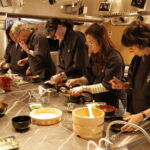
A good cooking class in Tokyo does two things: teaches technique and feeds you well. This one focuses on Japanese home-style recipes like saikyo-yaki and dashimaki tamago, then you sit down to eat what you made. The best part for me is the practical meal outcome, plus the instructor-led coaching on seasoning and presentation. One thing to consider: the experience level can vary a bit, so if you want a super-advanced, chef-level deep instruction, this may feel more recipe-guided than workshop-level.
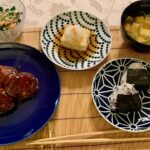
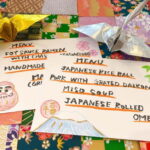
The class runs about 150 minutes, with a clear split between cooking and tasting. You get a small menu built around Japanese staples—dashi stock, saikyo-style grilled fish, rice ball, and miso soup—so you’re not just learning one dish in isolation. The possible drawback is that it’s not a fit for everyone: it isn’t suitable for vegans, and it notes that people with back problems shouldn’t book.
In This Review
- Key highlights at a glance
- Japanese home-style cooking in Tokyo: what you get for $90
- Where to meet near Shinjuku, Chiyoda, or Minato (and the map trap)
- 11:00–13:00 cooking time: learn dashi and Japanese seasoning logic
- Saikyo-yaki fish and dashimaki tamago: the dishes you’ll remember
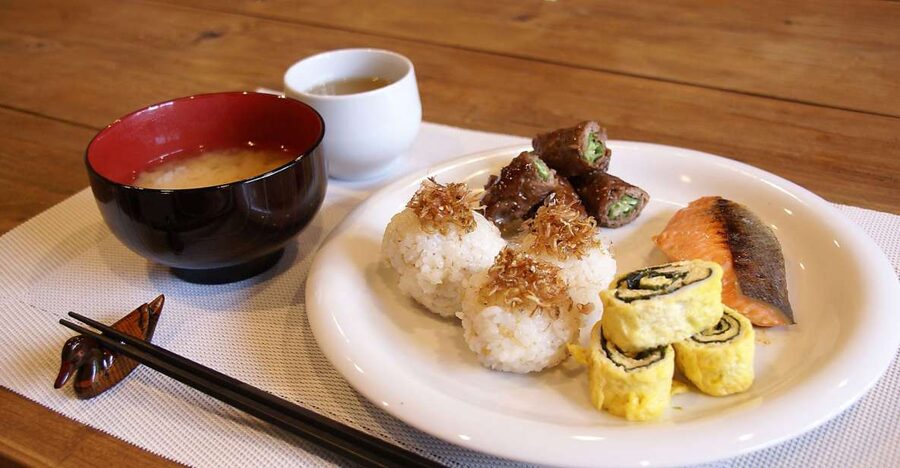
- The meal isn’t one dish: rice ball and miso soup included
- 13:00–13:30 tasting time: eat your work, learn presentation
- What the instructors do well (and the one caution from past classes)
- Price and value: why this feels like a good deal in Tokyo
- Who this cooking class suits best (and who should skip it)
- Should you book this Tokyo home cooking class?
- FAQ
- How long is the cooking class?
- What recipes or dishes will I make and eat?
- Is the class taught in English?
- What is included in the price?
- Is hotel pickup and drop-off included?
- Where is the meeting point?
- What is the cancellation policy?
Key highlights at a glance
- Hands-on cooking led by an English-speaking instructor, with help designed to get you cooking confidently.
- Recipe-based Japanese home classics, including saikyo-yaki-style fish and dashimaki tamago (rolled omelet).
- A complete, Japanese meal at the end of class, including rice and miso soup.
- Flavor fundamentals you can reuse later: Japanese dashi, miso, seasoning balance, and how the food should look.
- Flexible timing with a midday slot (11:00–13:00 cooking, then tasting time).
Japanese home-style cooking in Tokyo: what you get for $90
At $90 per person, this experience is priced like a solid cooking activity that includes more than just instruction. You’re not paying only for time in a kitchen—you’re also getting ingredients, a full meal you cook yourself, and drinks. In a city where food can add up fast, that package value matters.
The menu focus is refreshingly practical. You’ll work with the building blocks of Japanese flavor—dashi stock and miso—and then apply them to dishes that show up in everyday home cooking. The class also calls out things like nutritional balance, seasoning, and presentation, which tells you the goal isn’t only taste. It’s also learning how the pieces fit together on a plate and why certain flavors work.
Do keep expectations realistic. One set of feedback praised the instructors for being patient and for making recipes feel doable at home. Another set was more critical, saying the execution sometimes felt less polished (for example, tools and the way steps were followed). That doesn’t mean the class is bad—it means you should treat it as a friendly home-cooking experience, not a high-end culinary boot camp.
You can also read our reviews of more tours and experiences in Tokyo.

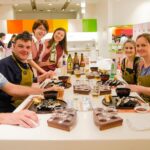
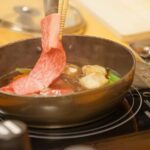
Where to meet near Shinjuku, Chiyoda, or Minato (and the map trap)
Logistics in Tokyo can be tricky, especially when a single listing points to multiple possible studio locations. Here, the main heads-up is simple: the address shown on Google Maps can point you to the wrong place. The studio locations are near Shinjuku, Chiyoda, and Minato wards, and you’ll be told the correct details 3 days before your reservation.
My practical advice: when you get the message with the exact studio info, screenshot it and set a quick walking plan. Then show up a little early. The class notes you should arrive before the start time because the cooking portion begins right at 11:00–13:00.
Also remember you’re not getting hotel pickup or drop-off. So you’ll need to handle your own transit to the neighborhood. The good news is that these wards are well connected, which usually makes meeting a studio manageable as long as you confirm the right address ahead of time.
11:00–13:00 cooking time: learn dashi and Japanese seasoning logic
The cooking session is scheduled for about 1.5 hours, running from 11:00 to 13:00. That timing matters because it gives you enough time to actually practice, not just watch.
The class menu includes Japanese dashi stock, which is basically the flavor engine of a lot of home-style Japanese cooking. Even if you’ve had miso soup before, making or working with dashi helps you understand why Japanese soups taste the way they do—clean, savory, and not heavy. It also helps you connect the dots for the rest of the menu, because dashi shows up as a base and a reference point for seasoning.
You’ll also learn about nutritional balance and seasoning. That sounds like a lecture topic, but in a cooking class it usually becomes a hands-on habit: tasting, adjusting, and thinking about saltiness and richness as a balance rather than a single goal of more flavor. If you’ve ever made a dish and wondered why it didn’t taste like restaurant food, this kind of guidance is often what closes the gap.
Saikyo-yaki fish and dashimaki tamago: the dishes you’ll remember
Two dish names anchor this class: saikyo-yaki and dashimaki tamago.
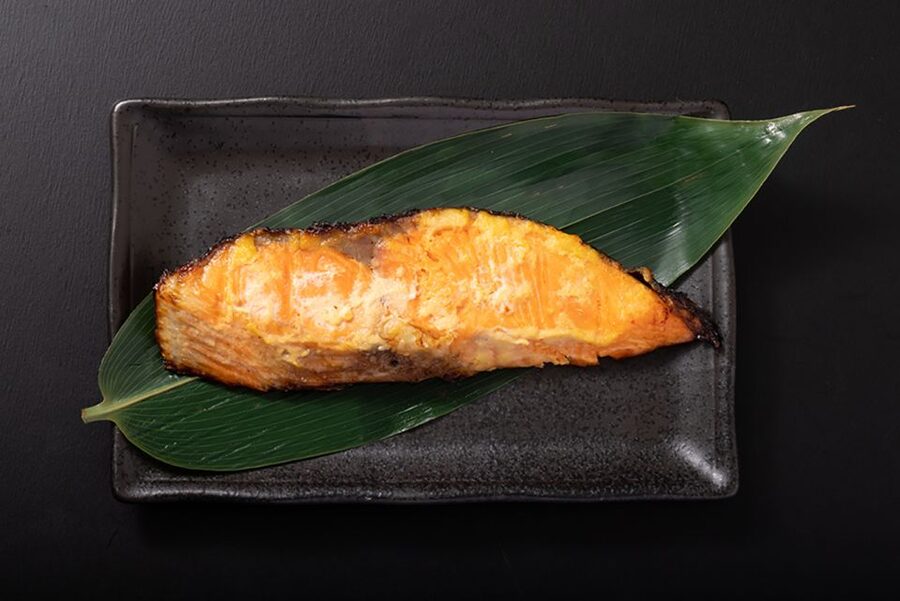
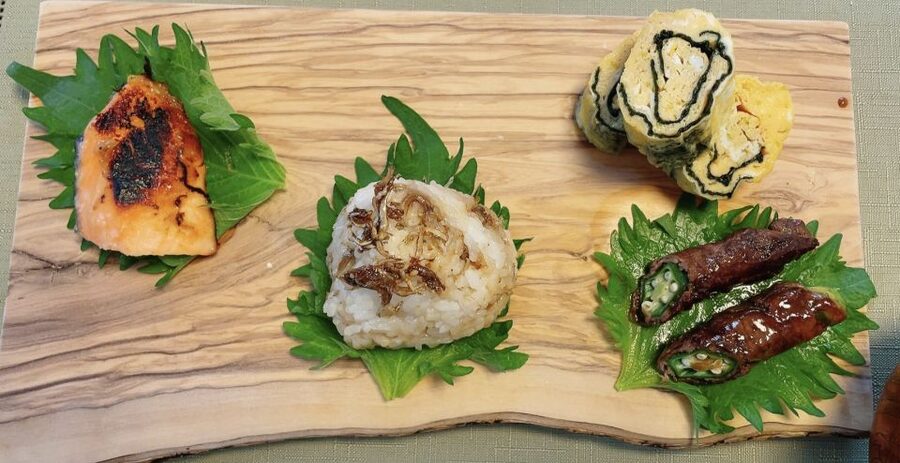
Saikyo-yaki (here described as grilled fish in a saikyo-yaki style) is known for being marinated in miso—often a lighter miso style—then grilled. The result is typically sweet-savory, aromatic, and less aggressive than other grilled fish styles. In a home-class setting, that makes it a great teaching dish because you can focus on the process and the flavor payoff without needing complicated restaurant gear.
Dashimaki tamago is the rolled omelet. It’s one of those Japanese classics that looks deceptively simple. The real trick is getting the texture right—tender, not rubbery—and rolling it in a way that stays intact. The class description specifically calls it out as a recipe you’ll learn, so you’re not just going to cook around it. You’ll get practice with the core idea of the dish.
And here’s the practical win: fish with saikyo-yaki style + an omelet recipe gives you two very different cooking experiences. One is about handling protein and marinated flavor. The other is about egg texture and technique. If you want to leave with skills that cover more than one category of Japanese home cooking, this pairing helps.
The meal isn’t one dish: rice ball and miso soup included
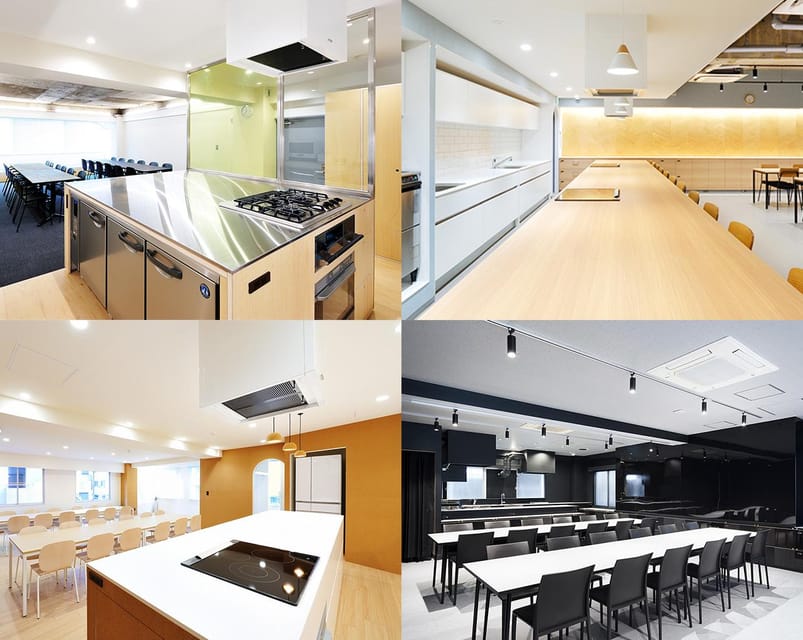
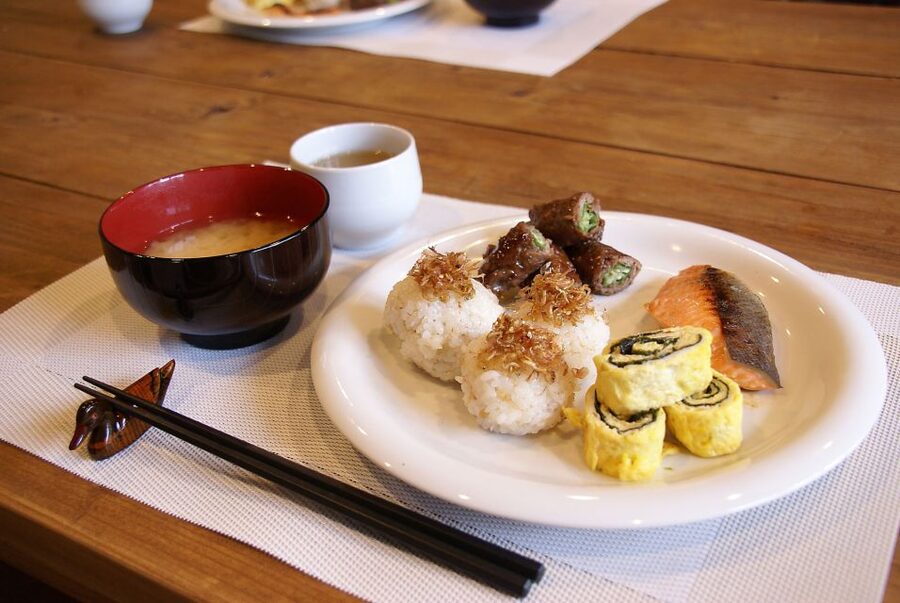
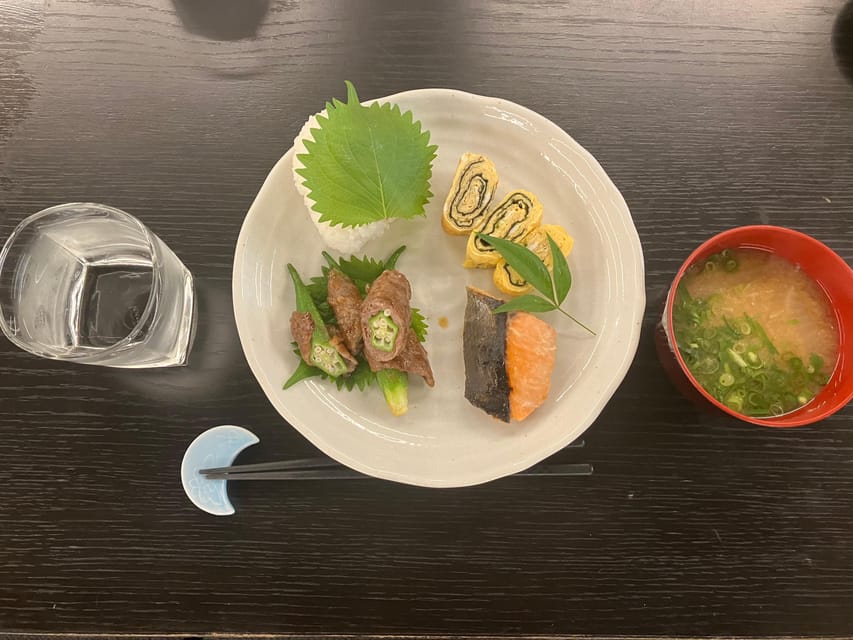
A lot of cooking classes get away with serving you one “hero” dish plus something basic. This one plans a more complete meal, with the menu including:
- Rice ball
- Japanese miso soup
- The grilled saikyo-yaki style fish
- Dashi stock as part of the cooking focus
That matters because Japanese meals are built around balance. The rice is the calm, satisfying base. The miso soup adds warmth and savory comfort. And the fish provides the main taste focus.
The best part for your everyday cooking after the class is that these components are reusable. Even if you never make saikyo-yaki fish perfectly again on your first try, you can still apply what you learn about miso and dashi balance to the soup and rice pairing. That’s the kind of “transferable skill” that makes classes worth more than a one-time meal.


13:00–13:30 tasting time: eat your work, learn presentation
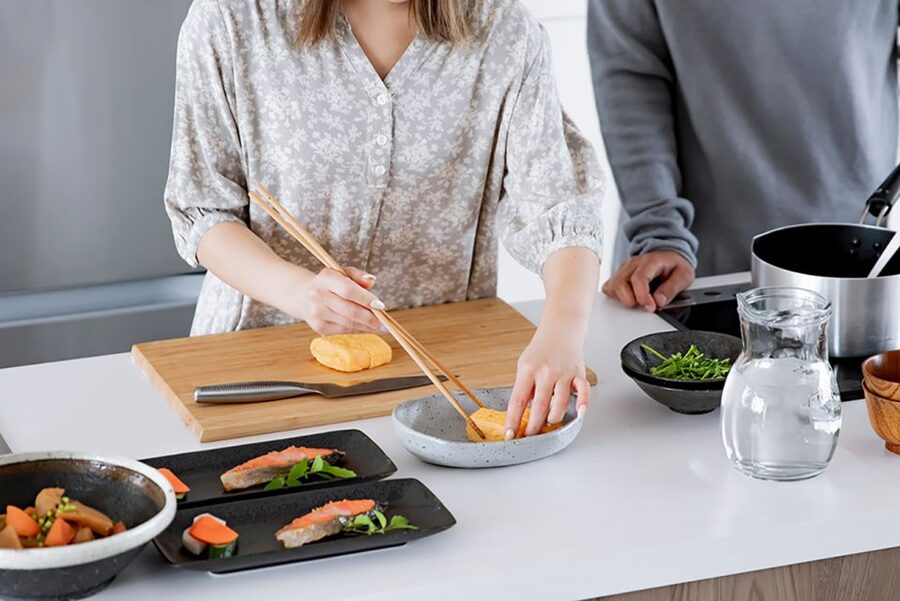
After the cooking portion, you get a tasting window scheduled for 13:00 to 13:30. This is when you sit down and enjoy what you cooked, including the dishes on the class menu.
The class also signals it will cover food presentation, which is a polite way of saying: Japanese home cooking cares about how food looks when it hits the table. That might include how the rice ball is shaped, how the fish is served, and how the meal is laid out so it feels intentional.
You may also notice something else during the tasting: the flavors tend to feel cohesive rather than loud. Japanese home flavors often work by restraint and balance. If you pay attention during your meal—taste first, then think about what you adjusted—you’ll leave with a clearer idea of how the seasoning should feel in your own kitchen later.
And yes, it’s nice to have drinks included with the meal. It turns the class into an actual lunch plan, not just a snack break between cooking steps.
What the instructors do well (and the one caution from past classes)
The cooking is instructor-led in English. Recent feedback highlighted instructors named Nao and Erika for being helpful and for explaining recipes in a way that people could realistically recreate later. That’s a big deal. Japanese home cooking can look intimidating on YouTube, but if someone guides you step by step and helps translate the why, you’re far more likely to succeed.
Another set of feedback wasn’t as flattering. It mentioned that one instructor didn’t seem like a fully trained or experienced cook and that some steps required checking during the process. It also pointed to practical issues like unsuitable or dull knives and an expectation for more variation tips than were provided in the course.
So here’s how I’d frame it for you: treat this as a friendly, doable class with a recipe focus. If you want expert-level improvisation and pro-grade technique coaching, you might be slightly disappointed. If you want a structured way to learn core Japanese home dishes and eat well afterward, it’s likely to feel like time well spent.
Also, there’s an explicit rule about no smoking indoors. That’s just good sense for a kitchen environment.
Price and value: why this feels like a good deal in Tokyo
Let’s talk value without the hype.
You’re paying for four things:
- Instruction from an English-speaking instructor
- Ingredients included
- A meal you cook yourself, including the core menu items
- Drinks included
At $90 for a 150-minute activity, it lands in the “worth considering” zone because you’re not just buying a lesson—you’re also getting a planned meal. In Tokyo, that combination can easily beat the cost of paying separately for ingredients, a private meal, and a guide.
And the time split is fair. You’re not spending two hours just learning theory. You cook from 11:00 to 13:00, then you eat during the tasting window.
The only cost you should plan for is getting yourself to the studio. Hotel pickup isn’t included, so your transit matters. But if you’re already near major rail lines, that’s usually manageable.
Who this cooking class suits best (and who should skip it)
This experience is a great fit if you:
- Want to learn Japanese home-style recipes you can recreate
- Like hands-on cooking more than food-only tours
- Care about how flavors balance with dashi and miso
- Prefer a class that ends with you eating a real meal
It’s not suitable for:
- Vegans (explicitly not suitable)
- Children under 3
- People with back problems (the class notes this limitation)
If you’re traveling with limited mobility or you know you struggle with standing for an extended cooking session, I’d be cautious. The class duration is 150 minutes, and cooking work often involves standing and careful movements.
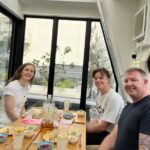
If you’re coming as a couple, a small group, or solo, it also tends to work well because you’re actively cooking rather than just watching a demo.
Should you book this Tokyo home cooking class?
Book it if you want a structured, recipe-based introduction to Japanese home cooking, especially if saikyo-yaki and dashimaki tamago are on your food hit list. The strongest reason to choose it is the combo: learn, cook, then eat what you made during the tasting time. The meal plan with rice and miso soup also means you’re leaving with a complete Japanese lunch experience, not just a bite-sized sample.
Skip it (or look for a different style of class) if you’re a high-expectation technique hunter. Some past feedback suggests the instruction can be more recipe-following than deeply expert, and there’s a clear note that the class may not match people who expect advanced variation tips. Also skip if you need vegan options, or if your back makes longer kitchen work uncomfortable.
My final take: this is a practical Tokyo cooking class for people who want real home-style flavors and a meal at the end. If that’s your goal, it’s an easy “yes” to consider—just confirm the exact meeting studio details after they send them 3 days prior.
FAQ
How long is the cooking class?
The total duration is about 150 minutes, including cooking time and a tasting time after.
What recipes or dishes will I make and eat?
You’ll learn Japanese home cooking and cook dishes including Japanese dashi stock, grilled fish in saikyo-yaki style, a rice ball, and Japanese miso soup. The class also mentions recipes such as saikyo yaki and dashimaki tamago.
Is the class taught in English?
Yes, the instructor provides instruction in English.
What is included in the price?
The price includes the cooking class, ingredients, the meal featuring the cooked dishes, and drinks.
Is hotel pickup and drop-off included?
No, hotel pickup and drop-off are not included.
Where is the meeting point?
The cooking studios are located near Shinjuku, Chiyoda, and Minato wards, but the correct address is not the same as the Google Map shown. You’ll receive the details 3 days before your reservation.
What is the cancellation policy?
You can cancel up to 24 hours in advance for a full refund.