REVIEW · MERCATO TRIONFALE
Rome: Pasta, Ravioli, and Tiramisu Cooking Class with Wine
Book on GetYourGuide →Operated by Insideat Cooking Class and Food Tour · Bookable on GetYourGuide
Fresh pasta, right by the Vatican. This hands-on Rome cooking class walks you through rolling dough, stuffing ravioli, and layering tiramisu from scratch, then you sit down with wine to eat what you made. I love how interactive it is from the first minuto, and I love that the English-speaking chef keeps it friendly and doable even if you’ve never made pasta before.
There is one catch to plan for: the finished meal is served as part of a group service, and in practice that can mean your pasta dish may be combined or handled alongside others rather than plated entirely as one-to-one with your exact work. It’s still great food and a great class, but set your expectations for the eating part.
In This Review
- Key things to know before you go
- Meeting at Pummare Restaurant above Trionfale Market
- Aperitivo start: chips, spritz or prosecco, and the pre-cooking groove
- Tiramisu first: ladyfingers, mascarpone, and cocoa layering
- Rolling fettuccine and stuffing ricotta ravioli
- Dinner service: Roman sauces, wine pairings, and what to expect
- Price and value: what $91.76 really buys you
- Who should book this class (and who might not)
- Should you book this Rome pasta, ravioli, and tiramisu class?
- FAQ
- How long is the cooking class?
- Where do I meet the group?
- How many people are in the class?
- What dishes will I make?
- Is the class vegetarian-friendly?
- Do you serve wine or other drinks?
- Are there restrictions for kids or minors?
Key things to know before you go
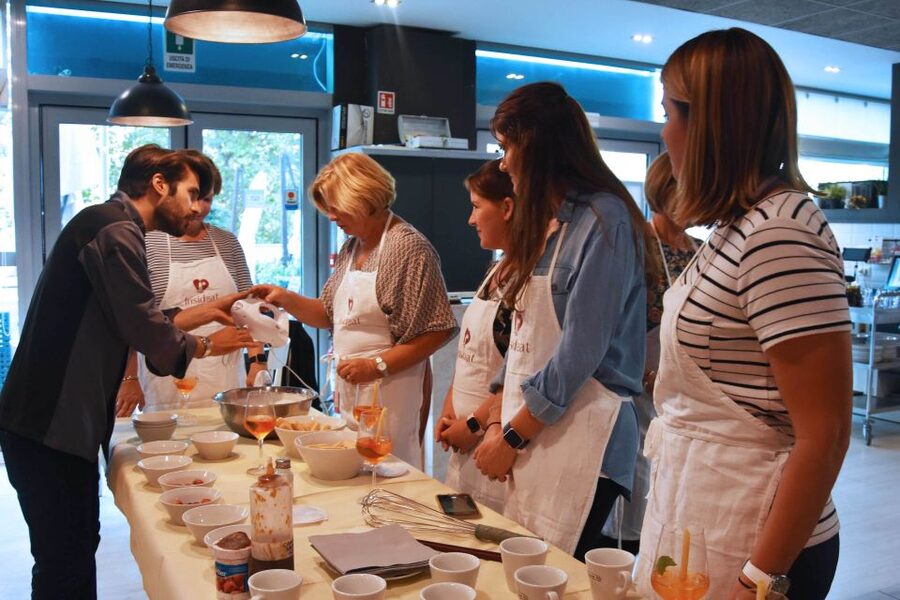
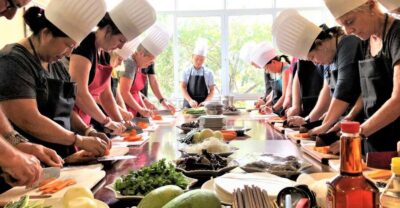
- Small group kitchen time: typically capped at 12 people, with enough hands-on attention to keep you rolling, filling, and layering.
- Two pasta styles + one famous dessert: fettuccine, ricotta-stuffed ravioli, and tiramisù all made from scratch.
- Local wine in the flow: you start with an aperitivo-like drink and continue with wine or alternatives with the meal.
- Your own station: you use an apron and utensils and work through the steps at your place.
- Vegetarian options available: and the team is happy to accommodate dietary needs when you book.
Meeting at Pummare Restaurant above Trionfale Market
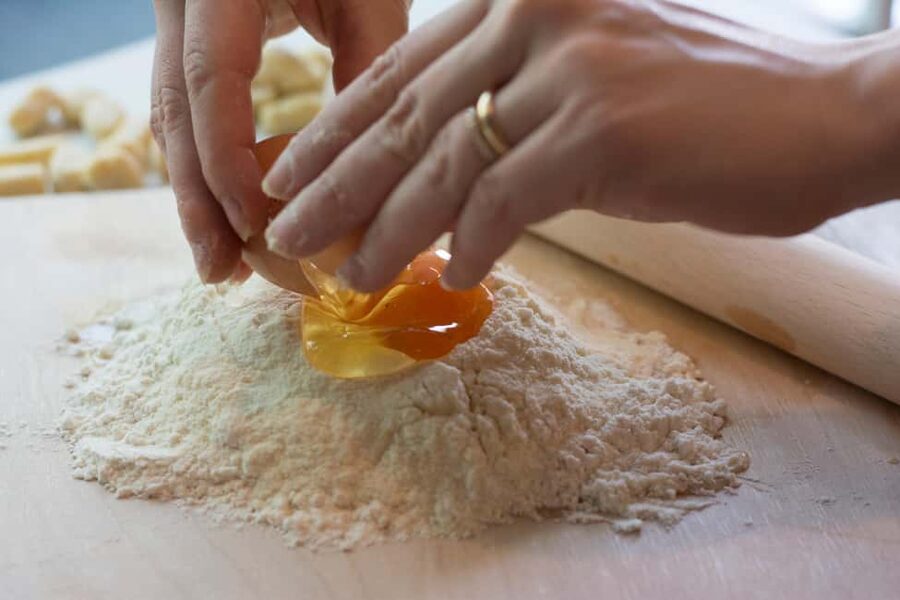
Your class begins just steps from the Vatican area, at Via Andrea Doria 41, at Pummare Restaurant right above Trionfale food market. The directions are very specific: go to the top of the graffiti stairs, then look for the restaurant terrace on the right. You should spot your guide by a chef’s jacket, which is helpful when you’re arriving while other people are milling about.
I recommend arriving 10 minutes early. Not because you’ll be rushed, but because getting oriented in Rome is half the fun and half the stress. When you show up early, you can settle in, grab water if you need it, and get your apron situation sorted before the group starts.
This is also where the “value” shows. You’re paying for more than a show-and-tell meal. You’re paying for access to a working kitchen setup and real instruction at close range, in a location that keeps you from wasting time crossing the city.
Aperitivo start: chips, spritz or prosecco, and the pre-cooking groove
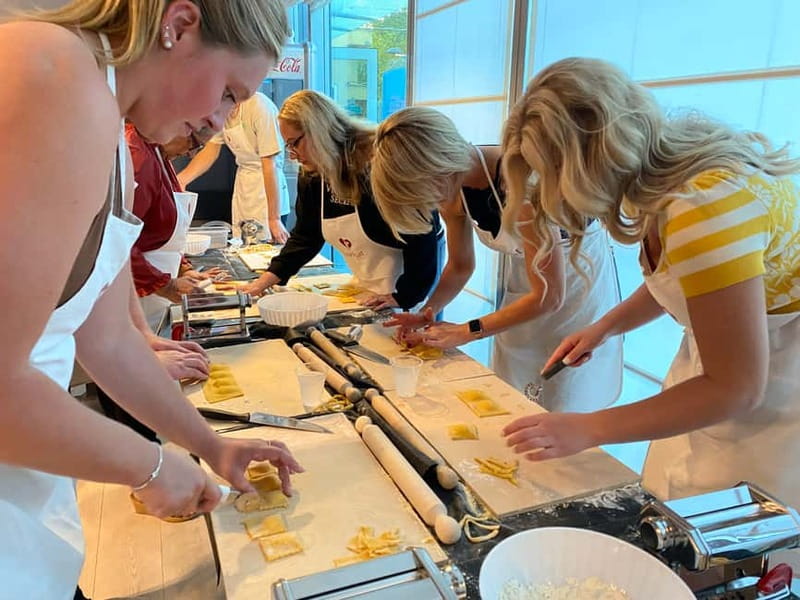
Before you touch dough, you’ll get a warm Italian welcome with a short “get into the mood” setup. Expect an aperitivo-style drink like a spritz light cocktail or Prosecco, plus a seasonal selection of appetizers. You’ll also snack on homemade cacio e pepe chips, which is a clever warm-up: that peppery, pecorino-forward flavor tells your brain you’re in Roman territory.
Timing-wise, this first stretch matters. It helps you stop thinking like a visitor and start thinking like a cook. You’ll be standing, tasting, and listening while the chef explains what’s coming next. That’s when questions actually come easy, especially if you’re unsure about the difference between mixing, kneading, and resting.
If you’re coming straight from sightseeing, don’t ignore the instruction that there’s quite a lot of food. I’d rather you arrive hungry-but-not-ravenous. Have a snack earlier in the day if needed, but avoid a full meal right before class so you can enjoy the pasta, ravioli, and dessert without feeling stuffed.
Tiramisu first: ladyfingers, mascarpone, and cocoa layering
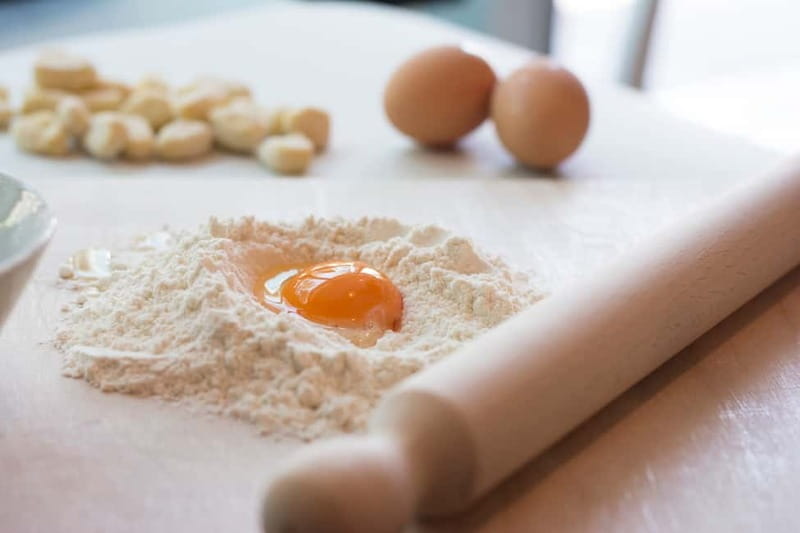
The class starts with tiramisù, which is a smart order. It gets you practicing the dessert technique while the kitchen rhythm is building, and it sets you up for success even if pasta feels intimidating.
You’ll layer ladyfingers, mascarpone, and cocoa. The chef’s job here is to show you how to layer without overthinking it, and how to get a satisfying texture—sweet, creamy, and not sloppy. This is also where you’ll learn a lot about timing and assembly, because tiramisù isn’t about complicated cooking steps. It’s about getting the structure right.
What I like about beginning with dessert is psychological. Once you’ve made something recognizable, you stop worrying about the dough later. You’re doing real work, and the dessert becomes proof that you can follow a process and end with something impressive.
Rolling fettuccine and stuffing ricotta ravioli
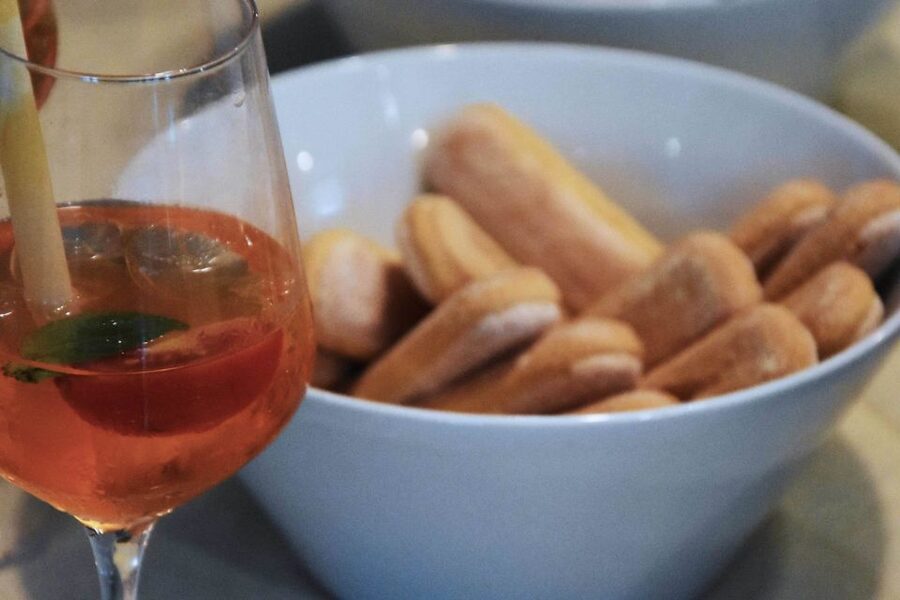
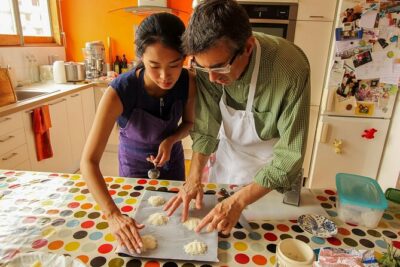
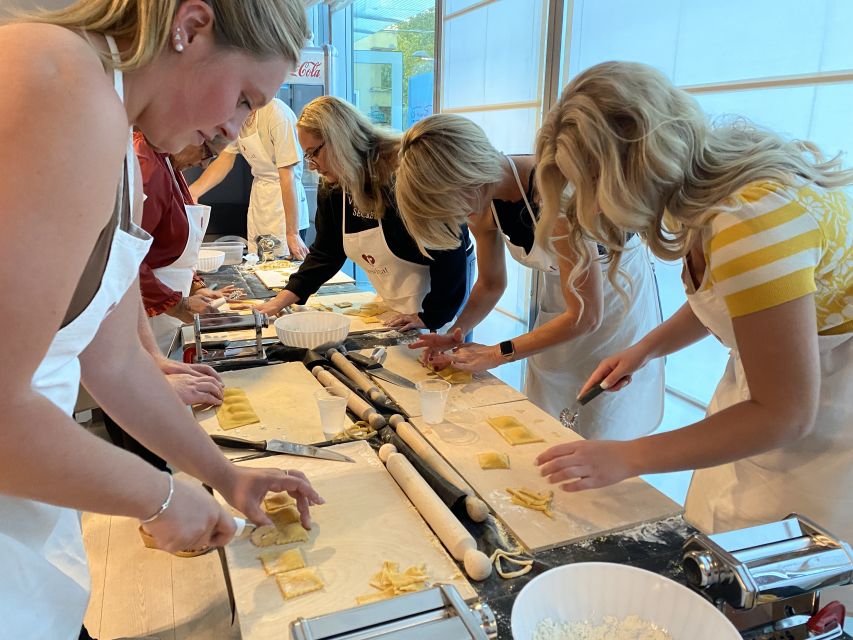
Then it’s onto the main event: pasta. You’ll make traditional fettuccine and homemade ricotta-stuffed ravioli, and the experience is truly hands-on. You get your own station, your own tools, and step-by-step guidance as you roll, shape, and fill.
For fettuccine, the key moments are:
- Rolling the dough to a thin, even sheet
- Cutting or shaping the strands as the chef shows you
- Learning how to handle the dough without tearing it
For the ravioli, the process gets more “Italian nonna” by design. You’ll roll, then fill, then shape and seal. This is where patience pays off. If your filling looks uneven, the chef helps you adjust. If your seals don’t look perfect, you’ll get tips right away.
One of the best parts of a small class is that nobody gets stuck in the same trouble spot for long. When your hands are doing the work, you need quick corrections, not vague advice. The class format is set up for that.
You’ll also see how much of “good pasta” is technique, not talent. The dough is manageable, the steps are learnable, and by the end you usually feel confident that you could repeat it at home with the recipe you take away.
Dinner service: Roman sauces, wine pairings, and what to expect
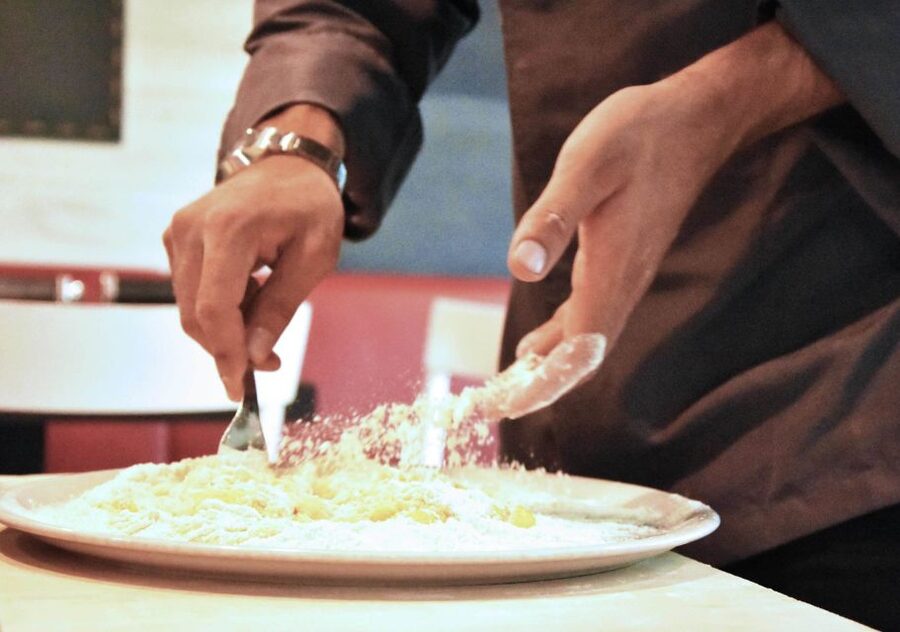
After you finish the prep, you sit down to relax in the cozy restaurant or on the terrace. This is when the course turns into a meal, not just a class.
Your pasta will be dressed in a mouthwatering Roman sauce such as carbonara or cacio e pepe, and your dessert is your tiramisù. The meal also comes with a glass of local wine. Depending on what you choose or what’s offered for your group, you may also see wine/beer or soft drink listed as options, plus water.
Now, the practical consideration: this is a shared class meal in a restaurant setting. One downside that can show up is that food is cooked and served as part of the group flow, so it may not be the exact same portion you shaped being plated alone for your consumption. The upside is that you still learn the process and you still eat a satisfying meal, and you don’t have to manage logistics after your hands are covered in dough.
If you care most about eating every bite that you personally made, tell yourself that the cooking skill is the main prize here. The meal is part of the experience, and it’s plentiful—just don’t expect a gourmet one-plate-per-customer photo moment.
Price and value: what $91.76 really buys you
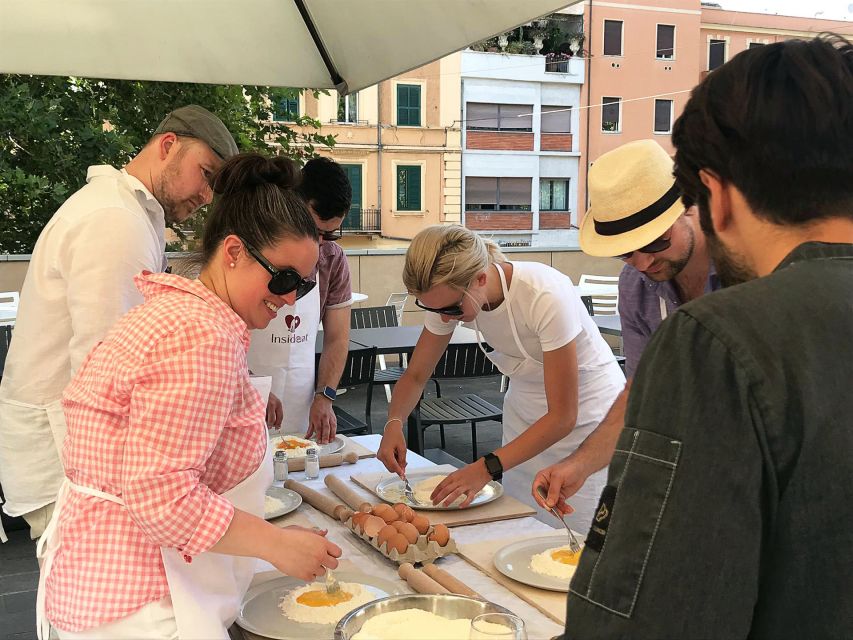
At $91.76 per person for about 3 hours, the question isn’t just cost. It’s value per hour and value per skill.
This price typically covers:
- An Italian chef’s instruction (in English)
- Ingredients for fresh pasta, ravioli, and tiramisù
- The meal you prepare and eat
- A drink start (spritz or Prosecco) plus wine/beer or soft drink
- Small-group attention (maximum 12 people, and it can run from 2 up to about the low-teens)
If you try to recreate this at home, you’d quickly spend money on ingredients, plus you’d lose the teaching. Here, you’re paying for the shortcut: someone shows you how thin the dough should be, how to seal ravioli, and how to build tiramisù layers without guessing.
Is it “cheap”? No. Is it a solid use of time in Rome? Yes—especially if you want more than another restaurant meal. You’ll leave with techniques you can actually repeat, not just a plate you polished off and then forgot.
Who should book this class (and who might not)
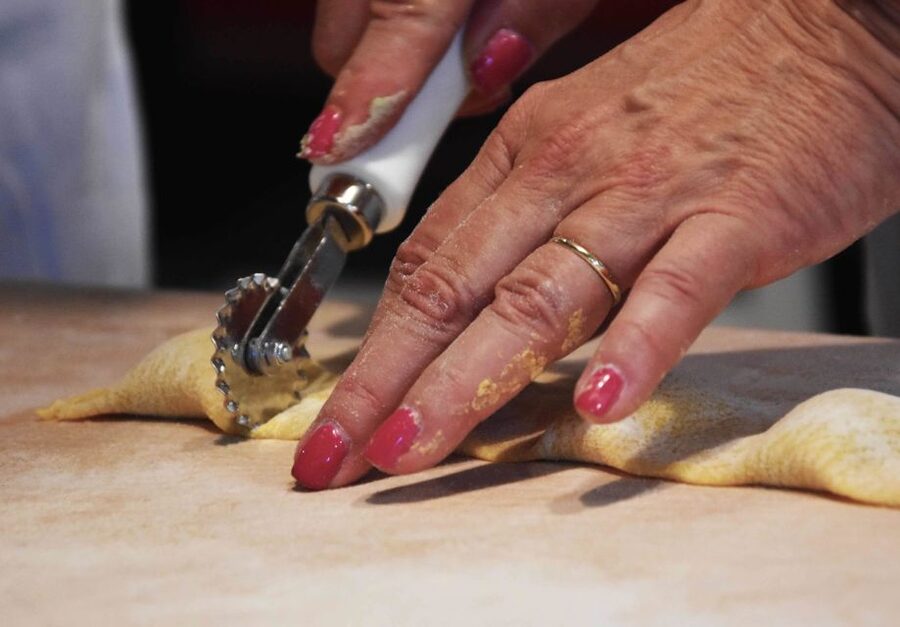
This is a great fit if you:
- Want a fun, social activity where you’re doing the work, not just watching
- Like food vacations that go beyond eating
- Are a beginner who wants clear guidance at a small station
- Travel solo, as a couple, or as a group and want an easy way to meet people
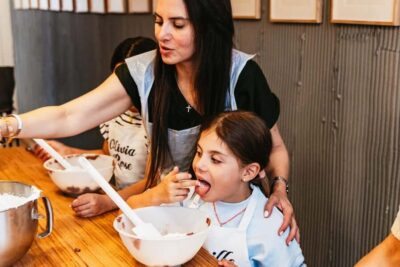
It’s also family-friendly in a real way. Children can participate with an adult, and the class runs in a way that supports mixed ages. If you’re bringing kids, bring the expectation that some kitchen mess can happen—this is dough and food, not a sterile lab.
Who might want to rethink it? If you strongly prefer to eat only what you personally made with strict separation of food prep, you may feel slightly less satisfied with the group-service reality. You’ll still learn a lot, but your enjoyment will hinge on treating the meal as part of the overall experience, not as a perfectly isolated craft product.
Should you book this Rome pasta, ravioli, and tiramisu class?
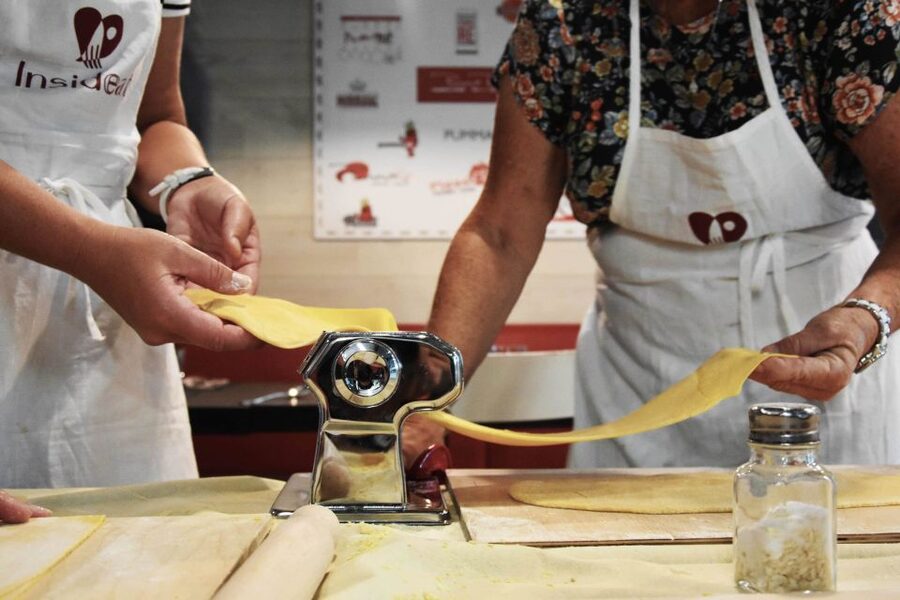
Yes, if you want an authentic-feeling food activity that teaches you real technique in a small group setting near the Vatican. I’d book it when:
- You’re hungry for hands-on skills, not just a dinner out
- You’d rather spend a few hours learning than spending that time hunting a cooking store and guessing recipes later
- You want a relaxed evening with wine and a chef who helps you along step by step
Skip it only if your top priority is a perfectly separate, individually plated meal made only from your personal batch. Otherwise, this class hits the sweet spot: you roll dough, you shape ravioli, you build tiramisù, and then you get to eat it while the whole room feels like a real Italian kitchen moment.
FAQ
How long is the cooking class?
The experience runs for 3 hours.
Where do I meet the group?
Meet at Via Andrea Doria at Pummare Restaurant above the Trionfale food market. Go up to the top of the graffiti stairs and find the terrace on the right. Look for your guide with a chef’s jacket.
How many people are in the class?
It’s a small-group class, with a maximum of 12 people. The class can run from a minimum of 2 up to about the low-teens.
What dishes will I make?
You’ll make fresh pasta (fettuccine), ricotta-stuffed ravioli, and tiramisù from scratch.
Is the class vegetarian-friendly?
Yes. Vegetarian options are available, and you should advise any specific dietary requirements when booking.
Do you serve wine or other drinks?
Yes. You’ll get a spritz light cocktail or Prosecco with a selection of appetizers, and you’ll also have wine/beer or a soft drink with the meal, plus water.
Are there restrictions for kids or minors?
Unaccompanied minors aren’t allowed. Children must be accompanied by an adult.
If you want, tell me your travel month and whether you prefer an earlier or later start time, and I’ll help you pick the smoothest slot around Vatican-area sightseeing.