REVIEW · SEMINYAK
Cooking class in the comfort of your own personal villa. Yes, I’ll come to you!
Book on Viator →Operated by Yohana Parapat's Cooking Class · Bookable on Viator
Cooking comes to your villa.
This private Indonesian cooking class in Canggu, Bali is built for comfort: Yohana comes to you, teaches you how to make three dishes, and handles the ingredients and cleanup so you can focus on cooking and eating. The big plus is the hassle-free setup, especially if you want a real Bali food moment without leaving your property. One thing to think about: the class runs about 3 hours, so it’s best if you’re happy learning a focused set of dishes rather than squeezing in extra recipes.
I also like how flexible the menu can be for different diets. It’s designed to work for vegetarians and vegans, and the chef can adjust based on your group’s preferences (including gluten-free alternatives in some cases). Since you eat in your own villa, you can keep the evening relaxed and match the timing with whatever drinks you already have planned.
In This Review
- Key highlights at a glance
- Why cooking in a Canggu villa feels different
- Meet Yohana, your on-site cooking teacher and problem-solver
- The three-dish menu: what you’ll learn and why it matters
- A realistic timeline: how the 3 hours usually play out
- Dietary needs: vegan, vegetarian, gluten-free, and chicken preferences
- What lunch and dinner in your villa actually means for value
- Getting the most out of your villa cooking setup
- Who should book this cooking class in Seminyak and Canggu
- Should you book Yohana’s villa cooking class?
- FAQ
- FAQ
- How long is the cooking class?
- How many Indonesian dishes will we cook?
- Does the chef bring ingredients and handle cleanup?
- Will there be lunch and dinner during the class?
- Can the menu be adapted for vegetarians or vegans?
- What dishes are available to cook?
- Is this activity private for my group?
- What dietary needs can be accommodated?
- What time does the experience run?
- Where does it start and end?
Key highlights at a glance
- Chef-led, hands-on cooking: learn three authentic Indonesian dishes step by step
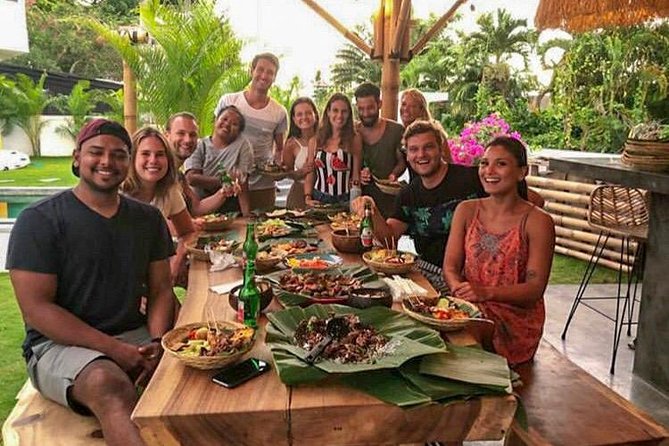
- Villa dining: eat at your place, so the vibe stays easy and personal
- Diet-friendly customization: vegetarian, vegan, and even gluten-free options can be handled
- You skip the busywork: chef brings supplies and does the washing up
- Great value for a private night: lunch and dinner are part of the experience
Why cooking in a Canggu villa feels different
A cooking class can be either an activity you schedule or a memory you actually enjoy. This one works because it happens where you’re already living your Bali days. You’re not hauling yourselves across town, finding a parking spot, or juggling timing around a restaurant kitchen. Instead, you get a small “event” right at your villa, which makes the whole evening feel more like a holiday highlight and less like homework.
There’s also a practical win. When you cook and eat on-site, you don’t have to worry about how hungry you’ll be afterward or what time you’ll need to get dinner later. And because it’s a private experience for your group, the pacing feels more natural. One guest described Yohana as helping kick the evening off in the right way, with a friendly, funny teaching style that makes the time fly.
The class is built around three dishes, so you’ll learn real technique instead of chasing a long checklist. That’s especially appealing if you want flavors you can repeat at home, not just photos from a line of dishes you barely had time to taste.
You can also read our reviews of more tours and experiences in Seminyak.
Meet Yohana, your on-site cooking teacher and problem-solver
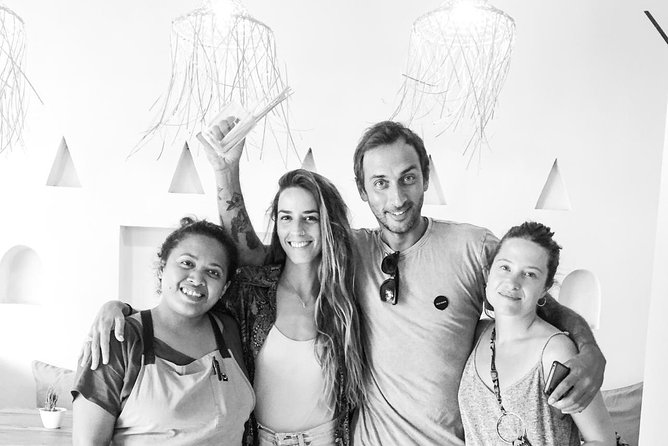
Yohana Parapat’s Cooking Class is centered on a chef who doesn’t just cook—she coaches. Multiple guests talk about her personality and the way she adapts to the group’s energy. She walks you through what to do, not just what the final dish should look like, and she keeps things moving in a way that feels doable even if it’s your first time cooking Indonesian food.
The other big part is the support around you. The chef brings the supplies and takes care of the cooking flow at your villa. You’re not left standing around waiting for someone else to do everything, but you also aren’t stuck cleaning as you go. Guests specifically praised the fact that washing up is handled before she leaves, which means you can enjoy the rest of your night without thinking about pots and pans.
If you’re traveling with a group where people have different comfort levels—some confident in the kitchen, others not—this format tends to work well. Yohana’s teaching style is described as easy to follow, and she can include gluten-free alternatives when needed. That combination of clear instructions plus practical adjustments is a big reason this experience scores so high.
The three-dish menu: what you’ll learn and why it matters
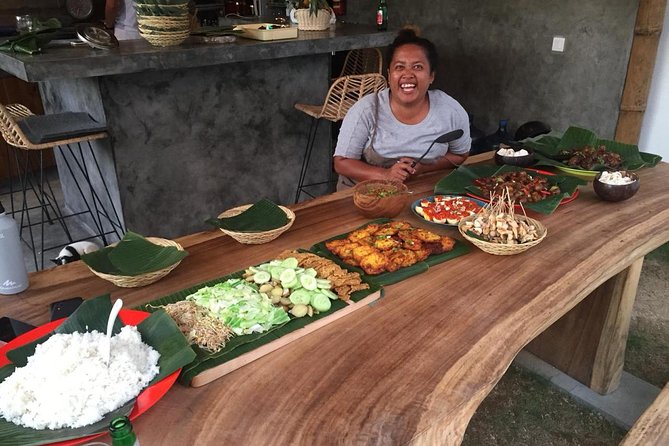
The class focuses on three Indonesian dishes. The exact menu is customizable, and you’ll choose from local favorites such as gado-gado salad, corn fritters, chicken in sweet soy sauce, and klepon (a coconut-and-palm-sugar sweet). The goal isn’t just to make food. It’s to understand the flavors behind it so you can recreate the feeling later.
Here’s what those dishes usually teach you:
- Gado-gado salad: you’ll work on balancing fresh vegetables with a rich dressing. Indonesian peanut-based sauces are all about texture and depth, and this dish gives you a practical way to think about sauce thickness, seasoning, and how much dressing to use.
- Corn fritters: fritters are great for learning dough consistency and heat control. You get instant feedback: too runny and they won’t hold shape; too dry and they’ll taste heavy.
- Chicken in sweet soy sauce: you’ll learn how Indonesian sweet-savory sauces come together. This isn’t just “pour sauce and wait.” Sweet soy flavors depend on reduction and timing so you don’t end up with something flat.
- Klepon: this is the dessert that teaches you about fillings and gentle handling. The outside needs to set while the inside stays sweet and soft.
In at least one example menu, guests cooked potato cakes with chili and two chicken curries. That’s a helpful reminder that the chef can tailor the dish set to match what your group likes. One guest also highlighted the importance of spices—especially when herbs and spices get ground into a paste for each dish. That step is where Indonesian cooking often becomes noticeably different from what you might do at home, so it’s worth paying attention.
If you go into the class knowing you’ll only make three dishes, you’ll enjoy it more. You can go deeper into technique instead of rushing from one dish to the next.
A realistic timeline: how the 3 hours usually play out
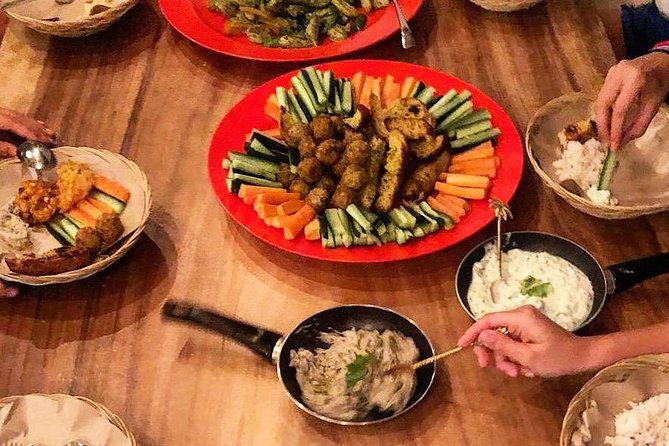
The experience is about 3 hours. That time is enough to learn actively, cook properly, and enjoy the meal without everyone getting tired. The schedule works best when you treat it like a guided cooking workshop, not a cooking marathon.
Typically, you’ll start with the chef setting up and bringing ingredients to your villa. Then you’ll move dish by dish through prep and cooking. Because you’re making three dishes, you’ll get continuity: you see how the kitchen workflow changes as you go from savory plates to sweet finishing touches.
Where time can feel tight is when groups ask for more than the planned set. One guest felt the session was rushed when the plan expanded beyond what they expected. The lesson for you: if you want the class to feel calm, stick to the standard three-dish plan. If you have a special request, ask early and be clear that the session still needs to fit within the 3-hour window.
Also remember that you’re not eating separately. The class is built to end with you enjoying the food you made right in your villa setting. So even if the cooking is structured, the meal part can feel like the relaxed payoff.
Dietary needs: vegan, vegetarian, gluten-free, and chicken preferences
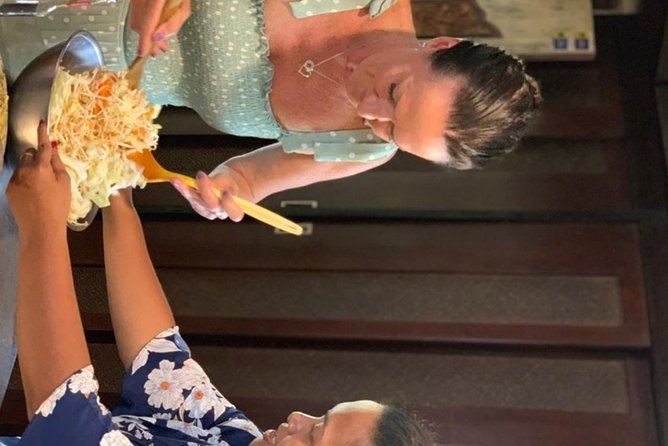
This is one of the strongest reasons to book it. The class is described as fully customizable for vegetarians and vegans, and guests report that dietary requests aren’t a problem. That matters in Bali, where menus are often built around a default of meat and fish unless you ask.
You’ll also want to know that the chef communicates about allergies and preferences before cooking. One guest mentioned that the chef requested allergy information for a reason, which makes sense when you’re working with shared prep and sauce components. Another review specifically called out easy handling of gluten-free needs, with the recipe approach adjusted to keep the experience enjoyable.
Chicken is a common question on Indonesian menus, since it appears in lots of local favorites. One review notes there was a chicken preference issue and the chef had been informed. The practical takeaway: tell the chef your group’s likes and no-go items upfront. The better the input, the smoother the menu planning.
If you’re traveling as a mixed group—some vegetarian, some not—this class can be a smart compromise. Everyone gets a role in the cooking, and the meal lands as something you all can eat.
What lunch and dinner in your villa actually means for value
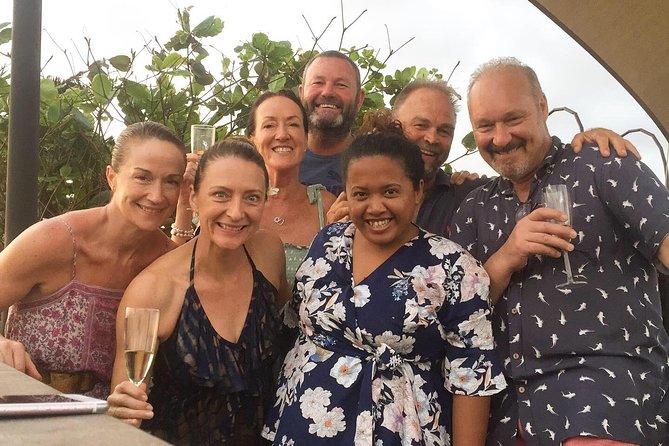
Price is $50 per person, and what makes it feel fair is what’s included. You get meals during the session—lunch and dinner—with ingredients covered, plus cleaning included as part of the experience. That’s important because many “cooking classes” only include instruction and a small tasting, then you pay extra for the full food experience.
Here, the chef is doing a real job: bringing ingredients, guiding the cooking, and then cleaning up. If you’ve ever traveled with people who love cooking but hate cleanup, you’ll understand why this matters. The cost is basically paying for cooking time, shopping, and kitchen logistics that you don’t have to manage.
It’s also private, meaning you’re not sharing your chef’s attention with strangers. Your group discounts are mentioned too, which can make it especially attractive for friends traveling together. Even if you’re a couple, you’re getting the “at-home” factor: no travel overhead, no restaurant logistics, and the ability to keep the evening at your own pace.
The value gets strongest if you’ll actually eat what you make. Since the class is designed around three dishes and then dining in your villa, you’re not paying for empty calories or small bites. You’ll leave with the satisfaction of real meal volume plus the technique behind it.
Getting the most out of your villa cooking setup
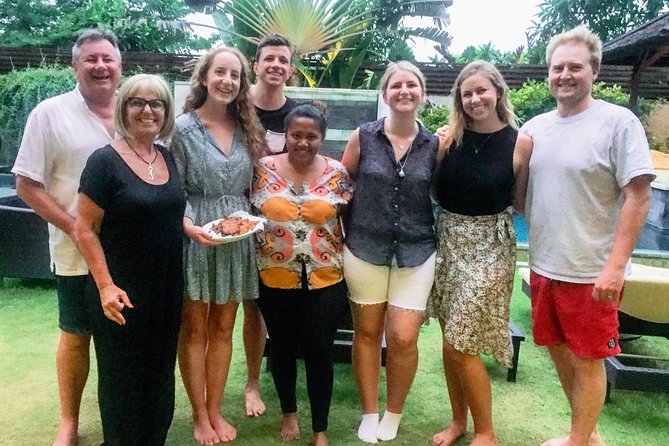
This is a “chef comes to you” setup, and that’s the whole point. You don’t need to prepare the menu or do the shopping. The chef brings supplies and handles cleaning, including washing up before she leaves. So your job is simpler than most cooking tours.
In practice, you’ll get the best experience if your villa has a workable cooking space—think a kitchen area where the chef can prepare food and a dining area where your group can eat comfortably. Since the tour is private, the chef can adapt to your space and group rhythm more easily than in a crowded class room.
If your villa is outdoors or open-air, consider how you’ll manage heat and airflow while cooking. Indonesian cooking often involves sauces and frying steps, so keeping the process comfortable for everyone is key. You don’t need to micromanage it, but being ready with a stable cooking spot helps the lesson stay on track.
One more practical tip: plan to treat this like an evening activity, not a quick daytime errand. The best cooking classes don’t feel rushed because you’re present and hungry. With eating built in, you’ll enjoy the timing more if you avoid scheduling it too close to a heavy dinner plan afterward.
Who should book this cooking class in Seminyak and Canggu
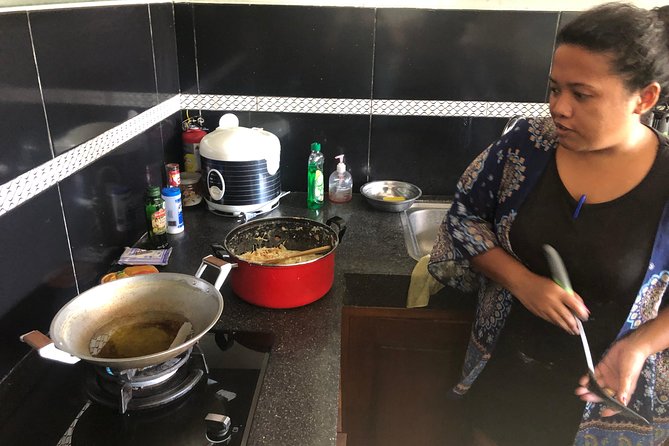
This works best for people who want three things at once: real cooking instruction, a fun social evening, and a low-effort setup. If you’re the type who likes learning flavors and then recreating them later, the three-dish structure is a good match.
It’s also a strong choice if:
- you’re traveling with vegetarians or vegans and want them to have a full meal without stress
- you want a private experience for couples, friends, or small groups
- you’d rather stay in your villa than jump in transport after a day out
- you like interactive teachers with personality and humor
Some guests mention groups with very different needs, including people asking for gluten-free alternatives and dietary adjustments. That’s a good sign that Yohana handles real-life travel variations, not just a fixed menu.
If you hate doing dishes, this is especially worth it. Multiple reviews highlight that washing up is handled for you, and that detail changes the feel of the experience. It turns cooking into a vacation activity instead of a temporary chore.
Should you book Yohana’s villa cooking class?
If your goal is an authentic Indonesian meal with hands-on learning, and you want it in the comfort of your own villa, I’d book this without overthinking. The combination of chef-led cooking, customization for diet needs, and included lunch and dinner plus cleanup is what makes it good value at $50 per person.
I’d reconsider only if you’re the type who needs lots of extra recipes, long cooking time, or printed take-home handouts. One guest specifically felt the experience lacked recipe handouts, and another felt time was tight when the session expanded beyond the planned scope. If that would bother you, ask about takeaway materials and keep expectations aligned with a three-dish class format.
FAQ
FAQ
How long is the cooking class?
It runs for about 3 hours.
How many Indonesian dishes will we cook?
You’ll learn how to cook three different Indonesian dishes.
Does the chef bring ingredients and handle cleanup?
Yes. The chef brings the supplies, and cleaning is included. Washing up is handled before the chef leaves.
Will there be lunch and dinner during the class?
Yes. Lunch and dinner are included, with ingredients and cleaning covered.
Can the menu be adapted for vegetarians or vegans?
Yes. The experience is described as suitable for vegetarians and vegans, with a fully customizable menu.
What dishes are available to cook?
Common options include gado-gado salad, corn fritters, chicken in sweet soy sauce, and klepon. The chef can also adapt the menu based on your group.
Is this activity private for my group?
Yes. It’s a private tour/activity, and only your group participates.
What dietary needs can be accommodated?
The chef can handle dietary requests and can provide gluten-free alternatives in some cases. You should share allergies and preferences so the menu can be adjusted.
What time does the experience run?
Opening hours are Monday through Sunday from 9:00 AM to 9:30 PM.
Where does it start and end?
It starts in Canggu, Kuta Utara, Badung Regency, Bali, Indonesia, and it ends back at the meeting point.