REVIEW · MILAN
Milan: Pasta, Tiramisu, Cooking Class! Learning Premium Products!
Book on Viator →Bookable on Viator
Fresh pasta and tiramisu in a real Milan home.
This is an intimate hands-on cooking class where chef Rafael teaches you how to build Italian flavor from top-shelf ingredients, not shortcuts. I like that you start by tasting key products—single-origin olive oil and aged balsamic—so the recipes make sense right away.
What I love most is the way you actually do the work. You’ll make fresh pasta from scratch using eggs and flour plus a traditional pasta machine, then cook classic sauces like Pomodoro and a creamy Parmigiano Reggiano style (listed as fettuccine Alfredo). One possible drawback: this is an informal residence setup, and Rafael’s humor is pretty direct, with talk that can get a little colorful—fun for many, but not for everyone.
In This Review
- Key highlights you’ll feel right away
- A Chef’s Home in Milan: what the class feels like
- Meeting at Via Giuseppe Ripamonti: getting there without stress
- Premium olive oil and aged balsamic: the lesson that upgrades your cooking
- Handmade pasta from scratch: eggs, flour, and a traditional machine
- Pomodoro and Parmigiano Reggiano: two sauces, two styles of Italian comfort
- Classic Pomodoro sauce
- Creamy Parmigiano Reggiano style (fettuccine Alfredo)
- Tiramisu + Italian wine: dessert that teaches discipline
- Family-style dinner and Italian food stories at the table
- Price and value: what $102.80 buys you in Milan
- Who should book this Milan pasta and tiramisu class
- A few things to consider before you go
- Should you book it?
- FAQ
- How long is the cooking class in Milan?
- Do I choose lunch or an early dinner?
- What dishes will I learn to make?
- Is the class small?
- Is the class offered in English?
- Is there free cancellation?
Key highlights you’ll feel right away
- Premium product tasting first: single-origin olive oil, aged balsamic vinegars, and artisan bread before you touch the stove.
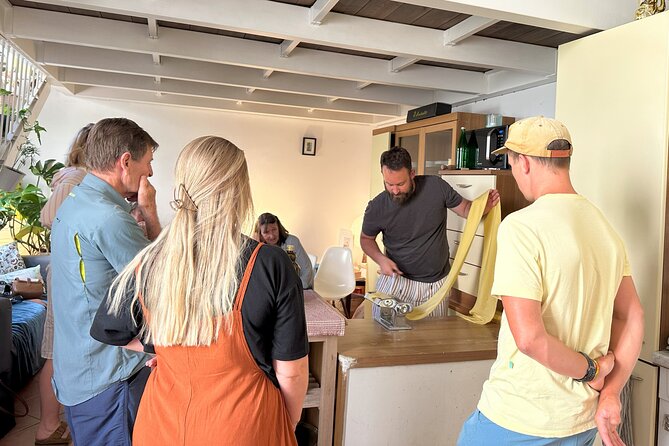
- Real pasta technique: eggs, flour, and a traditional pasta machine, with a focus on how dough should feel.
- Two signature sauces: classic tomato sauce and a creamy Parmigiano Reggiano sauce built around top ingredients.
- Tiramisu plus wine: you’ll make tiramisu and pair it with an Italian wine.
- Small-group atmosphere: capped at about six per group, with the overall class cap up to eight.
- Chef Rafael’s storytelling: food, Italian culture, and life in restaurant kitchens around the table.
A Chef’s Home in Milan: what the class feels like
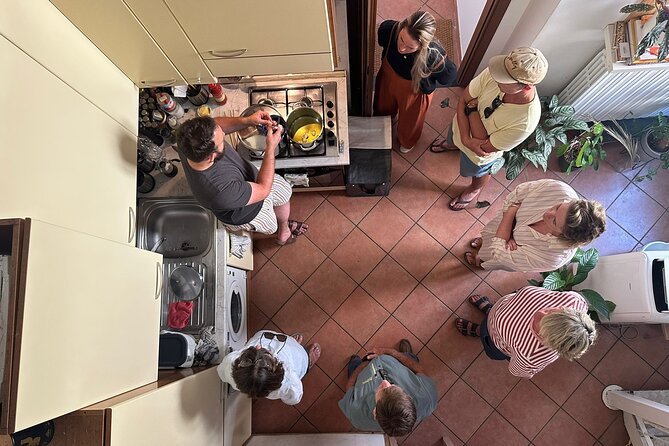
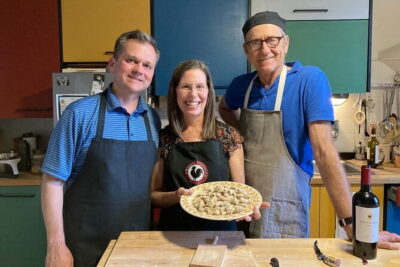
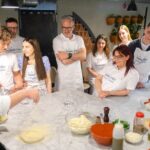
The setting matters, and this one is personal. You meet at Via Giuseppe Ripamonti, 7/a (a Milan address close enough to public transportation that you’re not stranded), then you go into the chef’s home-style space to cook. The vibe is warm and social—more dinner party learning than museum-class posture.
You also get to choose the vibe of your day when you book: lunch or an early dinner class. Either way, the timing is built around food flow. You’ll taste first, cook in the middle, then eat what you made family-style at the end.
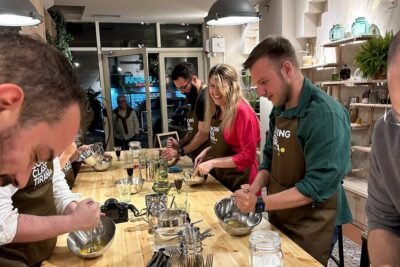
Group size is intentionally small. The experience is described as capped at six per group, and the activity overall lists a maximum of eight travelers, so you should expect lots of attention and real participation rather than a long show-and-sit-down lecture.
You can also read our reviews of more tours and experiences in Milan.

Meeting at Via Giuseppe Ripamonti: getting there without stress
Your start point is Via Giuseppe Ripamonti, 7/a, 20136 Milano MI. The location is near public transportation, which is a big deal in Milan. You’ll save time and energy by planning to arrive a few minutes early, then getting settled for the tasting and the first instructions.
Bring normal cooking-classtype essentials: an appetite and comfortable clothes. You’ll be standing and working at counters, and you’ll be tasting multiple products, so you want to move easily and not worry about spills.
One more practical note: the class duration is listed at about 3 hours 30 minutes, but one real-world tip from experience is to keep extra time in your schedule. Some sessions run a bit long, so don’t book a tight train connection right after.
Premium olive oil and aged balsamic: the lesson that upgrades your cooking
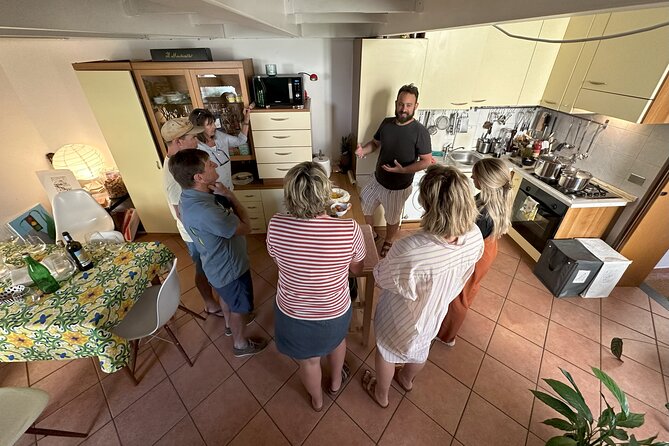
Before pasta flour goes flying, the class starts with an ingredients lesson you’ll actually use back home. You taste premium single-origin DOP olive oil and premium balsamic vinegars, paired with artisan bread.
Why this matters: tomato sauce and creamy cheese sauces in Italian food aren’t just about recipes. They’re about choosing flavors that already taste good on their own. Tasting first gives you a reference point, so when Rafael talks about balance—sharpness, sweetness, fruitiness—you can connect it to what’s in your glass and on your bread.
The class also specifically highlights aged balsamic, including 12-year aged balsamic vinegar. That aging turns vinegar into something rounder and deeper, not just sour. If you’ve only used basic supermarket balsamic before, this is one of those moments that changes how you shop and how you finish a dish.
Handmade pasta from scratch: eggs, flour, and a traditional machine
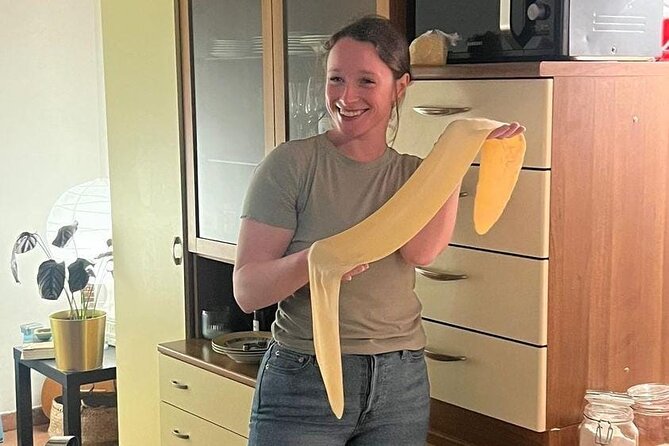
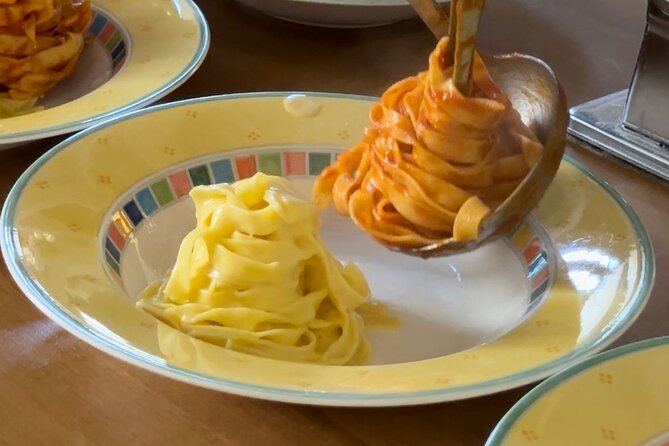
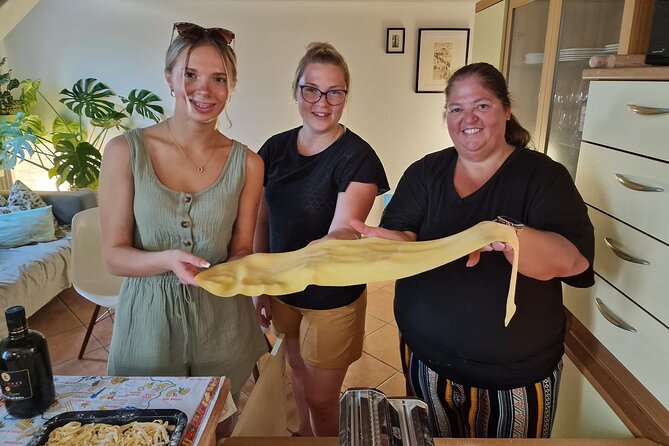
This is the core skill you come away with. You’ll learn to make authentic handmade pasta using eggs and flour, and you’ll use a traditional pasta machine rather than skipping straight to “chef demo” mode.
You’re not just watching dough stretch. You’re working through the process, and that’s where the technique clicks. Pasta is simple ingredients—yet it’s easy to mess up. Getting the feel right is the whole point, and Rafael’s teaching style is aimed at helping you understand what’s happening, not just follow steps.
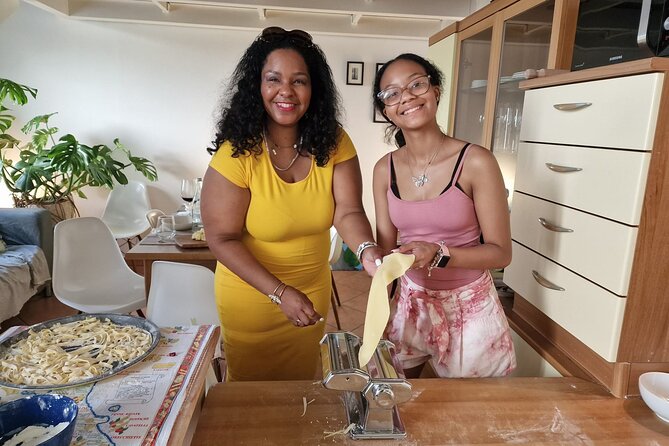
You’ll learn and cook with fettuccine-style pasta during the class. The sample menu lists fettuccine Alfredo and fettuccine with classic tomato sauce, so you’ll see how one shape can lead to two very different flavor directions: buttery cheese richness and tomato-based comfort.
Also: because this is a small class, you’re more likely to get quick feedback when you need it. That matters for confidence. If you’ve ever tried making pasta at home after watching one video, you know the first attempt can be humbling. Here, the guidance helps you avoid the common mistakes.
Pomodoro and Parmigiano Reggiano: two sauces, two styles of Italian comfort
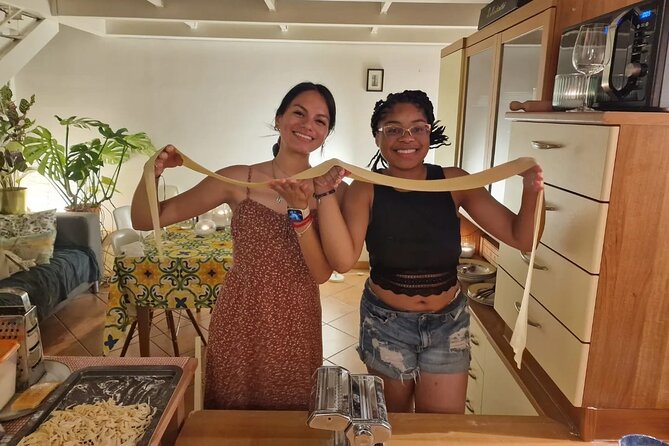
After the dough work, it’s sauce time. This class focuses on classic dishes, but the emphasis is on ingredient quality and technique.

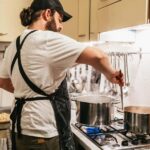

Classic Pomodoro sauce
The tomato sauce lesson is built around the idea that Italian cooking can be about fewer ingredients—if the quality is there and the method is respected. In other words, you don’t need a pantry full of spices to make something taste like Italy. You need good tomatoes, the right approach to timing, and attention to how the sauce develops.
You’ll cook a classic tomato sauce and learn how to keep it tasting clean and simple rather than heavy.
Creamy Parmigiano Reggiano style (fettuccine Alfredo)
You’ll also learn a creamy sauce built around 24-month-aged Parmigiano Reggiano, plus premium ingredients like fine butter. The menu describes it as the “simply the best” approach, which is a fancy way of saying this sauce depends on flavor density and good texture, not powdered shortcuts.
Aged Parmigiano brings more depth and a stronger cheese character. When you cook with that kind of cheese, you get a sauce that tastes rich without needing to overcomplicate it. Rafael’s ingredient focus is why so many people leave saying they’ll reproduce it at home.
Tiramisu + Italian wine: dessert that teaches discipline
Dessert is not an afterthought here. You’ll create traditional tiramisu, working through the story and technique of the dish with premium ingredients.
The class doesn’t treat tiramisu as just a sweet finale. It frames it as a technique-driven dessert—layers, timing, and getting the right texture so it tastes good and not watery or overly firm. If you’ve only made tiramisu from a box mix before, this is where you learn the real method.
Wine pairing rounds out the evening. The overview says the tiramisu is paired with a bottle of Italian wine. In practice, you may enjoy sips of both white and red during the experience, depending on how the evening flows.
This is one of the best “keep learning after you leave” parts of the class. When you understand what the flavor makers are (and how long things need), you can recreate tiramisu at home with less guessing.
Family-style dinner and Italian food stories at the table
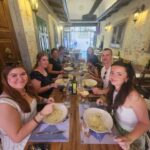
Once the cooking is done, you sit down to a family-style dinner and eat what you made. This is where the class becomes more than a skill workshop. You’ll enjoy your creations while Rafael shares warm, personal stories about life in Italian restaurant kitchens.
That mix of conversation and food is a big reason people remember this class. Milan can be showy. This is the side of Italy that feels quieter and human: people talking about ingredients, what they like, and why the simplest things work best.
It’s also a social class in a good way. You’re capped at a small group, so conversations don’t evaporate after five minutes. And yes, reviews note that the class can be kid friendly—one family even brought a 7-year-old who got involved.
Price and value: what $102.80 buys you in Milan
At $102.80 per person, this isn’t a budget “walk-up and snack” activity. But it also isn’t overpriced for what you actually get: premium product tasting, hands-on cooking instruction, multiple full dishes (pasta, sauces, tiramisu), and wine.
The real value is in the ingredients lesson. You’re not only learning recipes. You’re learning how to pick olive oil, recognize balsamic vinegar quality, and understand how aged Parmigiano Reggiano behaves in sauces. Those are skills you can keep using long after your trip is over.
Also, the small group size matters. In a crowded cooking class, you’d spend more time waiting for your turn. Here, you’re more likely to participate in the prep and get feedback, which makes the whole price feel more justified.
If your goal is just to taste Italian food, you can do that in Milan for less money. But if your goal is to leave with techniques and ingredient confidence, this class is a strong value.
Who should book this Milan pasta and tiramisu class
Book it if you want:
- A hands-on Milan cooking class with real technique, not a long demonstration.
- Fresh pasta skills you can try at home.
- A guided ingredient tasting experience focused on olive oil and aged balsamic.
- A small-group evening with conversation and wine.
It’s especially great for food lovers who enjoy learning how things are built. If you love understanding why Parmesan tastes different when it’s aged 24 months, you’ll like this.
Families can also make it work since the vibe is social and participation-friendly, including for kids around the ages mentioned in reviews.
A few things to consider before you go
First, keep your expectations aligned with the format. This is at a private residence. That makes it cozy and fun, but also informal. Rafael is described as humorous and opinionated, and you may hear colorful jokes. If you prefer very formal, quiet instruction, this may not be your style.
Second, plan for a slightly flexible schedule. The class is listed at about 3 hours 30 minutes, yet one review noted it ran longer by a couple hours. Build in buffer time for transit and your dinner plans afterward.
Should you book it?
Yes, I’d book it if you want more than a meal in Milan. This experience gives you a practical skill set—pasta technique, sauce logic, and dessert method—plus premium ingredient tastings that make the recipes click.
Skip it only if you’re looking for a strict, formal cooking class with very neutral hosting and tight timing. If you enjoy food stories, hands-on cooking, and learning what makes Italian ingredients work, this is one of the better ways to spend a half-day in Milan.
FAQ
How long is the cooking class in Milan?
The class runs about 3 hours 30 minutes.
Do I choose lunch or an early dinner?
Yes. You can choose between a lunch class or an early dinner class when you book.
What dishes will I learn to make?
You’ll make handmade pasta from scratch and cook two dishes: a classic Pomodoro-style tomato sauce and a creamy Parmigiano Reggiano sauce (fettuccine Alfredo is listed). You’ll also make tiramisu for dessert.
Is the class small?
Yes. It’s described as a sociable small-group class capped at about six per group, and the activity also lists a maximum of eight travelers.
Is the class offered in English?
Yes, it’s offered in English.
Is there free cancellation?
Free cancellation is available. You can cancel up to 24 hours in advance for a full refund. If you cancel less than 24 hours before the start time, the amount paid is not refunded.