REVIEW · MADRID
10 Tapas Cooking Class Experience in Madrid with Sangria
Book on Viator →Operated by A Punto Cooking School · Bookable on Viator
Madrid smells like garlic and good decisions.
This tapas cooking class is a fun, hands-on way to learn Spanish cooking in the middle of the city, led by Chef Gustavo (Gus) and a team that keeps things moving without making it stressful. I especially like the small-group setup (max 15), because you actually get a station to work at and time to ask questions while you cook. One thing to consider: the class does not fully adapt the menu for dietary restrictions, and there is no full vegetarian menu—so plan carefully if you need special foods.
You’ll start at 4:00 pm, make multiple tapas, then sit down for a home-style dinner with included sangria. The drawback is simple: the non-alcohol substitute isn’t always as satisfying value-wise (some people reported a soft drink instead), so if you’re avoiding alcohol, double-check what you’ll get when you book.
In This Review
- Key highlights that matter before you go
- A Chef-Led Madrid Evening, Built Around Real Cooking
- The 4:00 pm Start: What Happens in the First Part of Class
- How the cooking stations work
- The Menu You’ll Actually Make (and Why It’s a Smart Mix)
- Starter: Salmorejo
- Starter: Idiazabal lollipops
- Coca with sobrasada or vegetables
- Main: Ajillo shrimps
- Dessert: Horchata torrijas
- Main: Spanish omelette
- Starter: Gilda skewers
- Starter: Squid sandwich
- Main: Patatas bravas
- Sangría (included)
- The Home-Cooked Dinner Moment (Why It Matters)
- Value and Price: What $82.24 Is Really Paying For
- Group Size: The Sweet Spot for Learning
- Timing and Energy: A Fun Class That Can Feel Busy
- Dietary Notes You Should Not Ignore
- Best for Who? Who This Class Fits Perfectly
- Practical Tips for Getting the Most From Your Station
- Should You Book 10 Tapas Cooking Class with Sangria?
- FAQ
- What time does the tapas cooking class start in Madrid?
- Where is the meeting point?
- Is the tour offered in English?
- How many people are in the group?
- Is sangria included?
- What dishes are on the menu?
- Are there vegetarian options?
- Do they accommodate dietary restrictions?
- Is transportation or hotel pickup included?
Key highlights that matter before you go
- Up to 10 tapas dishes made hands-on, not just watched from a distance
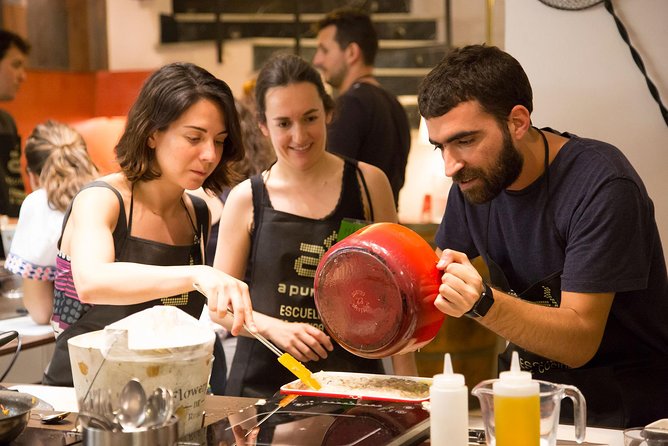
- Small group (max 15), with cooking stations and staff support to keep things orderly
- Chef-led instruction in English, with real tips and technique guidance
- Included dinner + free sangria, so you’re not hunting for food afterward
- Souvenir apron included, which is oddly nice to have on vacation
- No full vegetarian menu and dietary adaptations are limited
A Chef-Led Madrid Evening, Built Around Real Cooking
If your Madrid plan is mainly museums and walking, this is a great swap for one afternoon or early evening. You still get the “local” part—Spanish food, Spanish ingredients, Spanish habits—but the focus is practical: you’ll work at a station and learn how dishes come together.
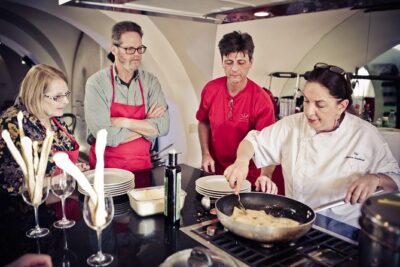
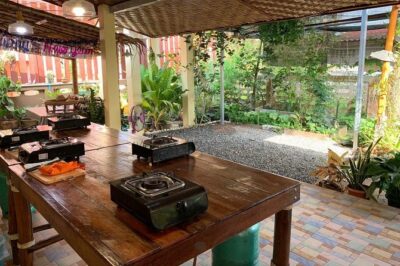
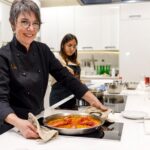
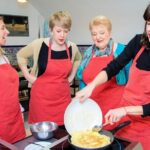
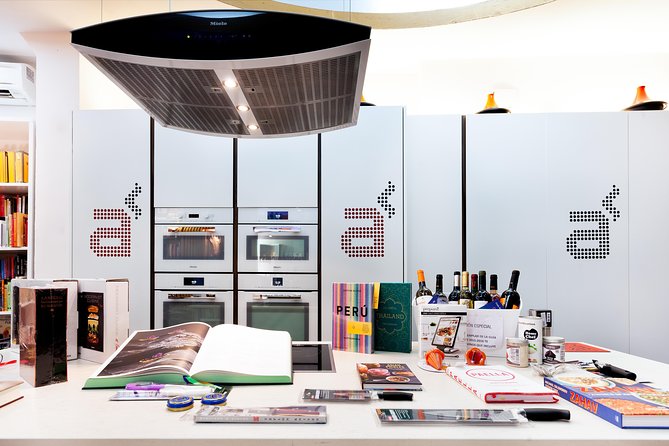
What makes this experience work is the pace and structure. The kitchen space is set up for multiple stations, and the chef and assistant team keep ingredients stocked and stations clean while you cook. In recent classes, instruction from Chef Gustavo (Gus) has been a big part of the positive energy, with support from helpers like Carmencita (and other teachers such as Rosa and Sandra, depending on the session).
You’re not doing a tiny tasting. You’re cooking enough food that the end result feels like a meal you’d serve at home. And you don’t leave hungry—there’s a proper dinner after.
You can also read our reviews of more tours and experiences in Madrid.

The 4:00 pm Start: What Happens in the First Part of Class
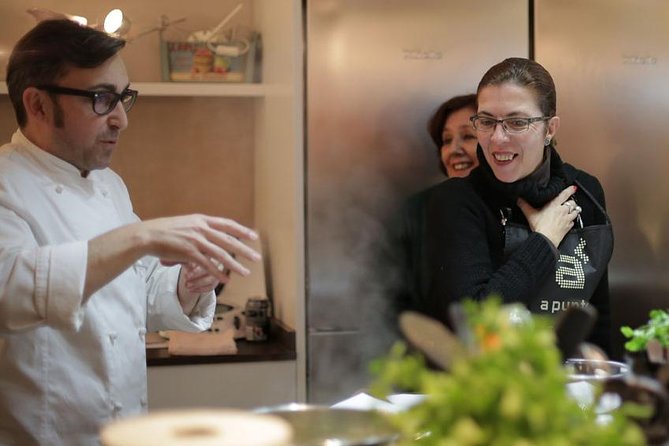
You meet at C. de la Farmacia, 6, Centro (28004 Madrid) and the class starts at 4:00 pm. The activity runs about 2 hours 30 minutes, and it ends back at the meeting point.
In the early stage, you typically get a quick setup: the chef explains what you’ll cook, where you’ll stand or work, and how tasks are divided. One practical note from the way these classes are run: with multiple dishes happening at once, the instructions can feel fast at the start. The upside is that you’re not left alone—staff and the chef are around to keep you on track.
How the cooking stations work
The format is team-based. Each person works on at least one tapa, and multiple groups cook different dishes in parallel. When the kitchen is busy (and it will be), this keeps the timing from dragging. It also means you get a mix of roles, even if you’re not an expert cook.
If you want the best odds of learning a dish you care about most, choose the station tied to that dish early, and don’t be shy about asking what ingredient swaps or technique details matter.
The Menu You’ll Actually Make (and Why It’s a Smart Mix)
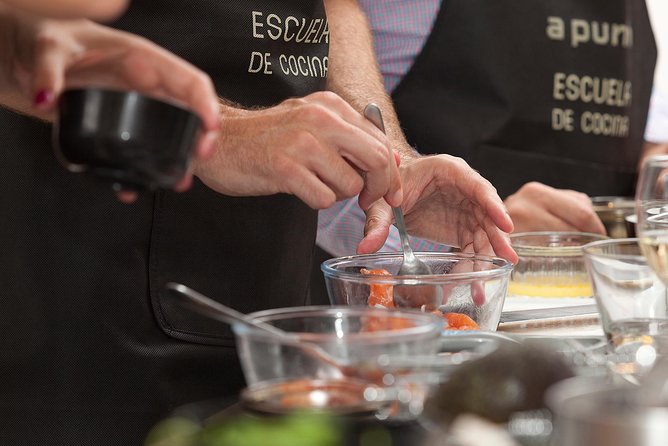
You can expect to craft up to ten tapas dishes, plus enjoy a home-cooked dinner. The menu changes by session, but this sample gives you a clear sense of the style—cold starters, hot seafood, classic egg and potato dishes, and a dessert that drinks itself into your memory.
Here’s what’s on the sample menu, with what to pay attention to while you cook:
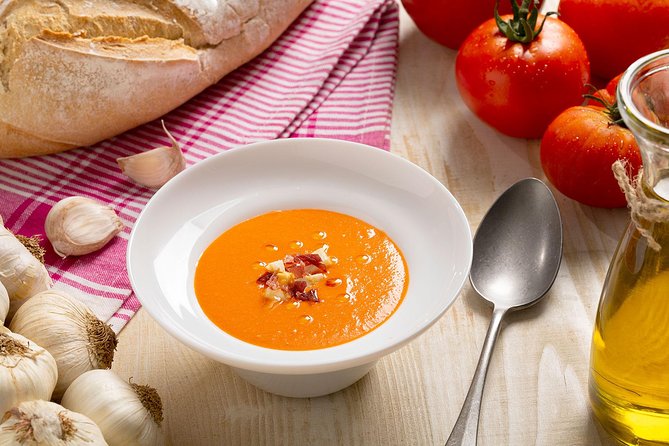
Starter: Salmorejo
Salmorejo is Spain’s answer to a thick, creamy tomato comfort food. It’s served cold, usually with good olive oil and bread involved in the texture. While you’re making it, watch for the consistency—this is one where “almost there” still tastes off.

Starter: Idiazabal lollipops
These are made with Idiazabal, a celebrated sheep cheese from Spain. The “lollipop” shape is playful, but the real learning is heat control and how to handle melted cheese without ruining the bite.
Coca with sobrasada or vegetables
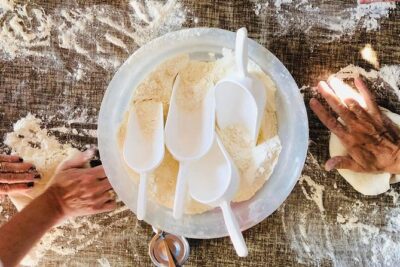
Think of coca as a Spanish-style flatbread, common in the Balearic Islands. With sobrasada, it leans into rich, cured flavor; with vegetables, it becomes a lighter choice. Either way, this teaches you how toppings behave on a hot base.
Main: Ajillo shrimps
Ajillo means garlic-forward, olive-oil friendly cooking. Expect fresh shrimp with garlic and a lot of olive oil. This is a great technique dish: you learn how quickly shrimp go from tender to overdone if you rush.
Dessert: Horchata torrijas
Horchata is the Levante drink made from tiger nuts, and it shows up here with torrijas—Spanish-style French toast. The lesson: soak and texture. You want custardy and soft, not watery or dry.
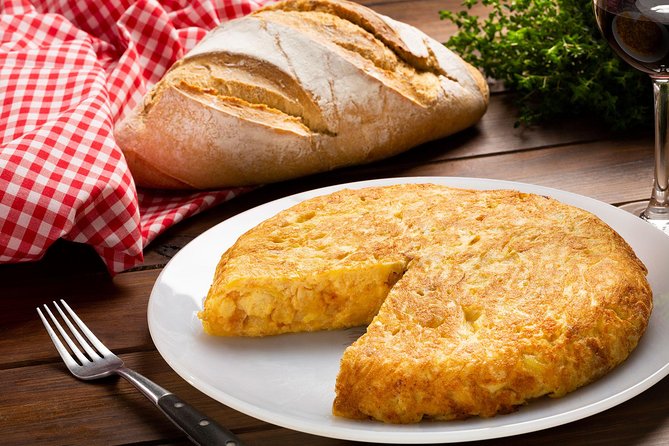
Main: Spanish omelette
Classic tortilla española: potatoes (with or without onion, depending on how you choose). The key skill is getting the eggs set without going rubbery. It’s one of the most practical skills you can bring home.
Starter: Gilda skewers
Gilda is a simple but iconic skewer—typically olives and anchovies, often with a few other touches. It’s a strong flavor combo in a small bite, so it’s a good “taste the culture” tapa.
Starter: Squid sandwich
This is very Madrid in spirit: fried squid with alioli (aioli). You’ll see how the crunch stays crunchy, and how sauce balance matters when fried foods show up.
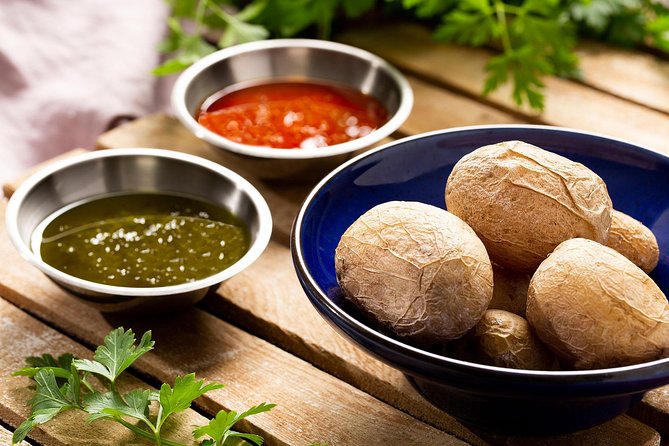
Main: Patatas bravas
Potatoes with a spicy tomato sauce. Bravas can be gentle or aggressive depending on the cook. While you’re making it, pay attention to sauce thickness and spice level, since that controls the final bite more than you’d think.
Sangría (included)
Your glass is homemade with fresh fruit and spices. And yes, sangría is part of the fun. If you’re skipping alcohol, keep in mind the class has a non-drink substitute, and it may not match the value people expect from sangría.
The Home-Cooked Dinner Moment (Why It Matters)
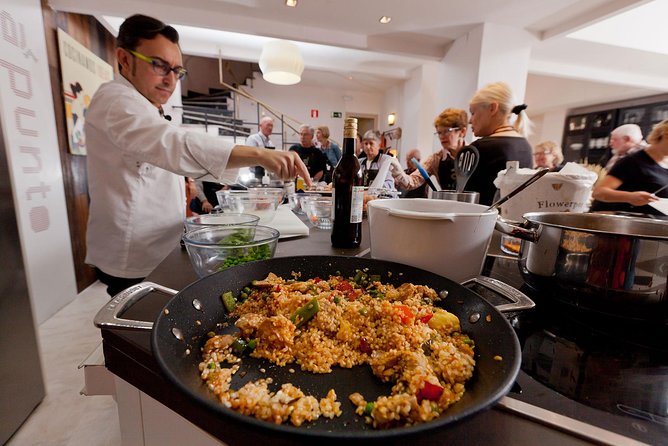
After cooking, you sit down for a dinner that’s built around what you made. This is important because you’re not just leaving with recipes and a few bites. You’re tasting the full set as a meal.
It also changes the tone of the experience. In many cooking classes, there’s a “cook frenzy” and then a quick end. Here, the dinner part gives you a chance to slow down, talk with your group, and actually enjoy the results of your work.
If you like social travel, this is one of the better formats. You’ll be working alongside other people, often with different cooking styles and backgrounds, and then you get to eat together.
Value and Price: What $82.24 Is Really Paying For
At $82.24 per person, this isn’t a budget meal. But you’re paying for a real teaching kitchen: the chef-led instruction, ingredients, and a full meal that goes beyond a snack.
Here’s how the value stacks up:
- You cook up to ten tapas, so the experience isn’t just a demo.
- Ingredients are included, which matters because tapas ingredients can add up fast.
- Dinner is included, so you avoid spending extra money for a full meal later.
- Sangría is included, which adds to the social feel and the total value.
The main value question is the non-alcohol option. If you’re not drinking, and the substitute is less satisfying, the “included drink” piece can feel less generous than you’d hope. If alcohol isn’t your thing, ask what you’ll get when you book.
Group Size: The Sweet Spot for Learning
This class is limited to 15 people, and that’s not a random number. When a group stays small, the chef and assistant can move between stations. You’re less likely to be stuck watching, and more likely to get real feedback.
Also, smaller groups usually mean better interaction. You’ll meet people from different places, and because you’re all focused on cooking, conversation starts naturally. It’s a good pick if you’re solo and want an evening activity that doesn’t feel like forced nightlife.
Timing and Energy: A Fun Class That Can Feel Busy
The whole experience is about 2 hours 30 minutes, and the format is action-heavy. That’s why it’s fun. That’s also why the beginning can feel a bit rushed—especially if you’re the type who wants a slow, detailed lecture before touching anything.
If you’re the kind of traveler who likes to learn by doing, you’ll love it. If you want lots of quiet time and a super leisurely cooking pace, you might find it moving quickly.
Dietary Notes You Should Not Ignore
You should read this part closely, because it’s the most practical “fit” factor.
- They ask you to advise dietary requirements at booking.
- But they do not adapt the whole menu for dietary restrictions.
- There is no vegetarian option for the whole menu. Almost half of the proposed tapas are vegetarian, but not all.
So if you’re vegetarian (or have allergies), plan ahead. You might be able to eat a chunk of the menu, but you can’t count on a full customized dinner.
Best for Who? Who This Class Fits Perfectly
This is an ideal activity if you want:
- A hands-on Madrid food experience, not just tasting.
- A group setting that doesn’t feel chaotic because the class is capped at 15.
- A chef who teaches technique, not just “here’s the food.”
It also makes sense for couples and family groups with older kids (minimum age is 14). Since the class includes alcohol, the minimum drinking age is 18, so younger participants will need to handle that within the rules of the group.
One more rule: no parties. If you’re celebrating something for more than five people, skip this class and look for a private option elsewhere.
Practical Tips for Getting the Most From Your Station
You’ll get the best experience if you show up ready to work.
- Wear shoes you’re comfortable standing in for a couple hours.
- Be ready to handle ingredients and timing.
- If you care most about one specific dish, aim for that station early.
- Bring curiosity. Ask how to recreate the dish at home, especially for tomato sauces and egg/potato timing.
And if you like to recreate what you cook, it’s worth asking the staff whether they share recipe notes or any take-home info during your session.
Should You Book 10 Tapas Cooking Class with Sangria?
I’d book it if you want a structured, social Madrid food experience where you leave with real cooking skills (especially tortilla, bravas, and the kind of sauce control tapas require). The small-group size, the chef-led guidance from Gustavo, and the sheer amount of food you make are the core wins.
I wouldn’t book it if you need a fully vegetarian menu, or if dietary restrictions require full customization. And if you avoid alcohol, confirm what the non-alcohol replacement drink is, since some people felt the substitute didn’t match the sangría value.
If you’re flexible and hungry for an authentic Madrid evening that’s part cooking, part dinner, and part friendly chaos (the good kind), this is a strong choice.
FAQ
What time does the tapas cooking class start in Madrid?
The class starts at 4:00 pm and runs about 2 hours 30 minutes.
Where is the meeting point?
You meet at C. de la Farmacia, 6, Centro, 28004 Madrid, Spain.
Is the tour offered in English?
Yes, the experience is offered in English.
How many people are in the group?
The maximum group size is 15 travelers.
Is sangria included?
Yes. Sangria is included and is provided free as part of the experience.
What dishes are on the menu?
A sample menu includes salmorejo, Idiazabal lollipops, coca (with sobrasada or vegetables), ajillo shrimps, horchata torrijas, Spanish omelette, gilda skewers, squid sandwich, patatas bravas, and sangria.
Are there vegetarian options?
There is no vegetarian option for the whole menu. Almost half of the tapas proposed are vegetarian, but not all dishes are.
Do they accommodate dietary restrictions?
You should advise dietary requirements at booking, but they do not adapt the whole menu to dietary restrictions.
Is transportation or hotel pickup included?
No. Hotel pickup and drop-off aren’t included, and transportation to and from attractions is not included.