REVIEW · VALENCIA
Seafood paella cooking class, tapas and visit to Ruzafa market.
Book on Viator →Operated by My First Paella · Bookable on Viator
Paella tastes better when you shop for it. This Valencia class pairs Ruzafa market ingredients with a hands-on seafood paella lesson and a sangria workshop that turns a cooking class into a proper afternoon out. You start with shopping and local context, then cook, drink, and eat what you make.
Two things I especially like: it is small-group friendly, so chefs such as Jose and Christine (and sometimes Ana, Guillermo, Valentin, or Cris depending on your group) can actually circle and help. And it is truly hands-on—you get work to do, not just a seat while someone else cooks. One drawback to plan around: it involves a short walk to the kitchen, and the start location can be a little tricky to spot if you arrive early.
In This Review
- Key Highlights You’ll Care About
- Valencia Paella Starts in Ruzafa, Not in a Kitchen
- Finding the Start Point and Getting to the Kitchen on Time
- Tapas and Sangria First: The Warm-Up That Makes Cooking Fun
- Seafood Paella Cooking: Step-by-Step, Station-By-Station
- How the group format affects your hands-on time
- What you’ll likely leave knowing
- The Meal After Cooking: Wines, Tomato Salad, Cake, and Mistela
- Price and Value: Why $78.64 Feels Reasonable
- Who Should Book This Paella and Market Class?
- Should You Book This Seafood Paella Class in Valencia?
- FAQ
- FAQ
- What time does the class start?
- How long is the seafood paella and tapas experience?
- Where do we meet?
- Does the class include a visit to Ruzafa market?
- Is it taught in English?
- What is included in the meal and drinks?
- Is the seafood paella cooking hands-on?
- How big is the group?
- Can kids join?
- Is free cancellation available?
Key Highlights You’ll Care About
- Ruzafa market shopping first, so you understand what goes into the paella before the heat starts
- Sangria workshop plus tapas before cooking, with drinks like sangria, beer, water, and soft options
- Hands-on seafood paella cooking, with step-by-step guidance and roles for everyone
- A full sit-down meal: paella, tomato salad, local wines, fruit, Valencian cake, mistela, and coffee
- Small groups up to 20, usually split across stations with multiple instructors
Valencia Paella Starts in Ruzafa, Not in a Kitchen
This experience begins with real-world shopping in the neighborhood market of Ruzafa. You meet at the door of Parroquia de San Valero and head out together to buy the fresh items needed for a good paella. The point is simple: you see the ingredients up close, talk through what they are used for, and get cultural context while the stalls are still lively and the food still looks like food.
The market portion also adds the kind of detail that makes later cooking click. You hear about the origin and customs behind paella, and you learn how Valencians think about this dish as more than just a recipe. One nice bonus: there’s a bit of tasting while you shop, so you are not just collecting supplies and hoping for the best.
Practical heads-up: the market portion does not run on Sundays because it is closed. If you are traveling on a Sunday, double-check that your date still includes the market time you want.
You can also read our reviews of more tours and experiences in Valencia.
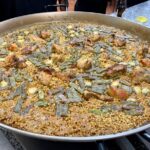
Finding the Start Point and Getting to the Kitchen on Time
The scheduled start is 11:00 am, and your meeting place is at the Parroquia de San Valero address on Carrer del Pare Perera, 6 in L’Eixample (46006 Valencia). You do not need to hunt for a hidden office; you meet at the door of the parish, then the group moves together.
After the market, you walk to the kitchen—about 8 minutes. That is not long, but it matters if you have mobility concerns or you are traveling with heavy bags. Comfortable shoes are the move here.
One more small logistics consideration: even though the meeting point is specific, some people have found it a bit unclear at street level. If you are the type who hates wandering, arrive a touch early and use your phone map to orient yourself before the group forms.
Tapas and Sangria First: The Warm-Up That Makes Cooking Fun
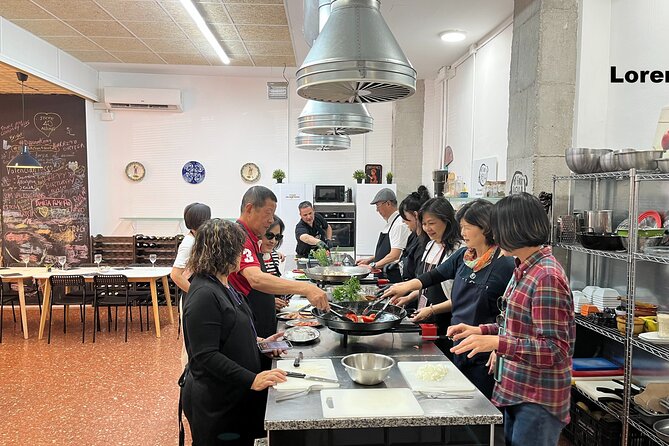
Before anyone touches a paella pan, the schedule builds momentum with sangria workshop time and tapas. The chef starts the session with pre-cooking snacks, usually with sangria and other drinks like beer, water, and soft drinks.
Then comes the sangria part, where you learn how to make it and why it tastes the way it does. In past sessions, instructors have included Christine and Ana, and the vibe tends to be playful and active, not stiff. It is a good warm-up because you are learning by doing while the group settles in.
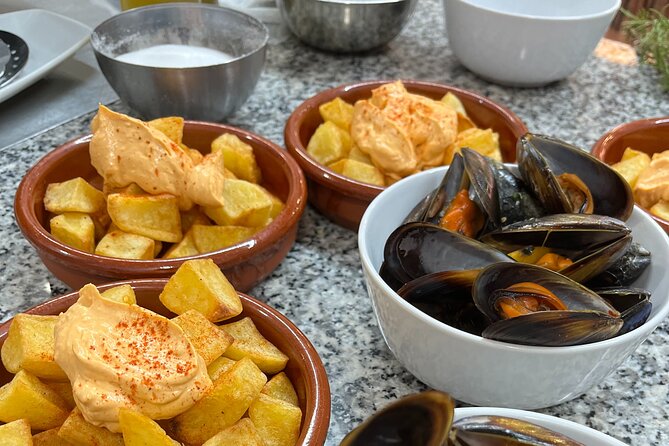
The tapas you may see during the session include classic Spanish hits such as:
- Patatas bravas with sojanesa
- Jamón serrano and Manchego cheese
- Steamed mussels
- Olives
This matters for value. You are not just buying a cooking class; you are buying an eating-and-drinking afternoon where the food arrives in a logical sequence: first snacks, then cooking, then the meal you made.
Seafood Paella Cooking: Step-by-Step, Station-By-Station
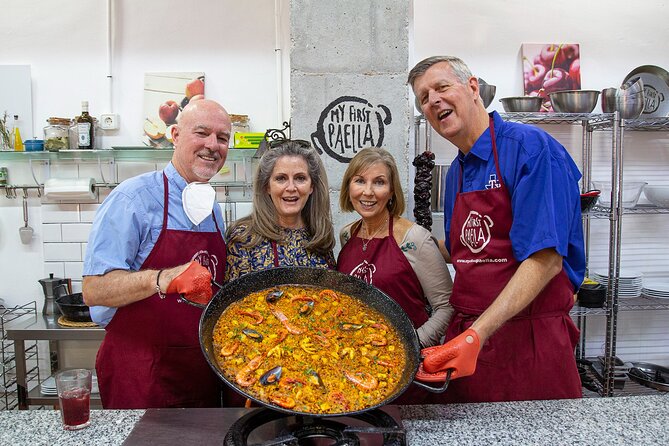
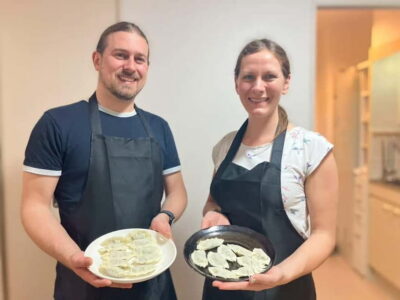
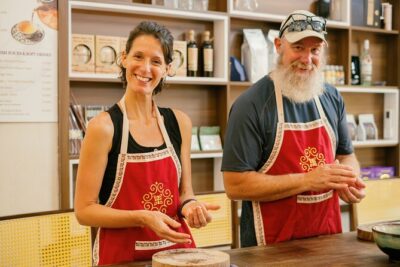
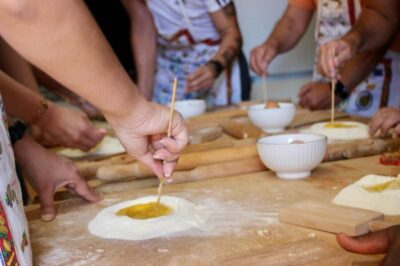
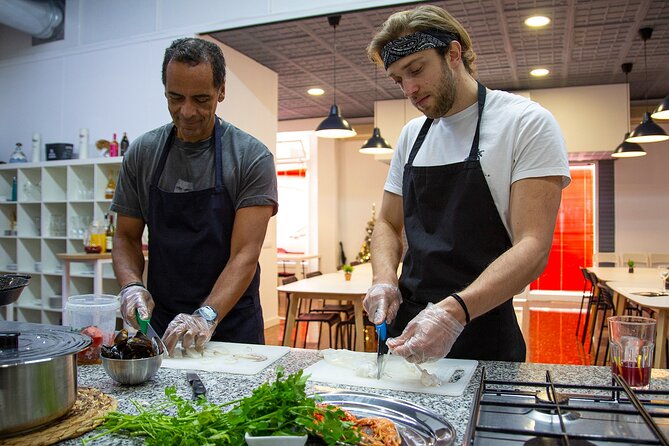
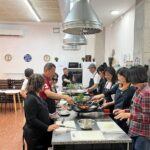
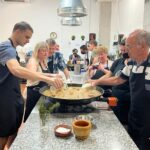
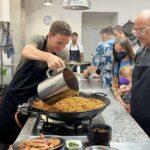
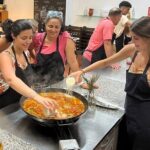
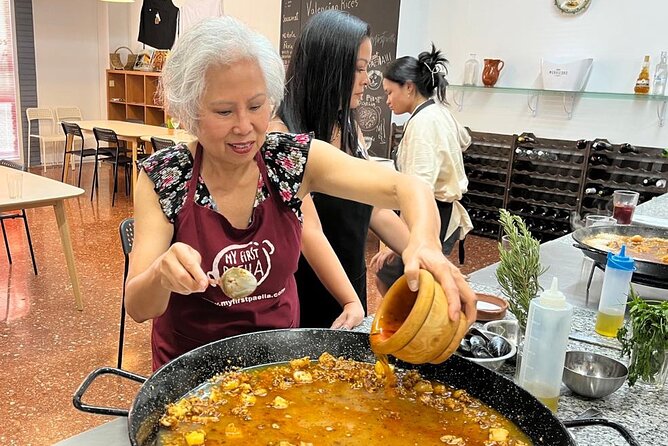
The heart of the experience is the seafood paella cooking lesson. You start with the chef breaking the process into steps, then you move into prep and cooking with guidance throughout. It is not a passive demonstration. The whole point is getting you doing the work—chopping, preparing, and participating in the cooking stages so the final pan makes sense.
You also get context around paella as a Valencian centerpiece. The chefs explain customs and how paella fits into local table culture, and that cultural layer helps you avoid the most common home-cook problem: making something that is technically correct but feels oddly flat because you missed the intent.
How the group format affects your hands-on time
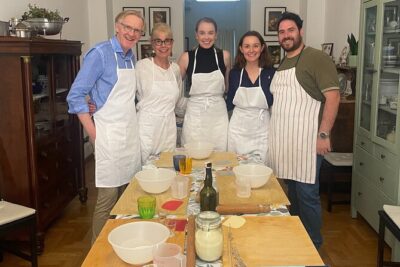
Classes are set up for multiple people at once. Depending on group size, you may cook at different stations, and more than one chef may be involved at the same time. Some sessions run with two chefs supporting three paellas, which can work well, though an extra chef per station would make timing even smoother.
If you want maximum attention during every step, you still should get it because the group is small (max 20 travelers), and chefs tend to actively check what each person is doing. Just understand it is a lively group format, not a one-on-one private class.
What you’ll likely leave knowing
Even without being a chemistry student, you will pick up practical skills:
- how to manage prep to cooking timing
- how to follow the chef’s order of operations
- how to finish with confidence so you can reproduce the results at home
If you have tried paella at home before, this course can also sharpen the details. Several participants have come away feeling their own method improved after seeing the cooking stages broken down clearly and watching how they connect.
The Meal After Cooking: Wines, Tomato Salad, Cake, and Mistela
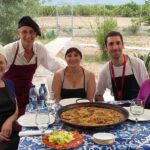
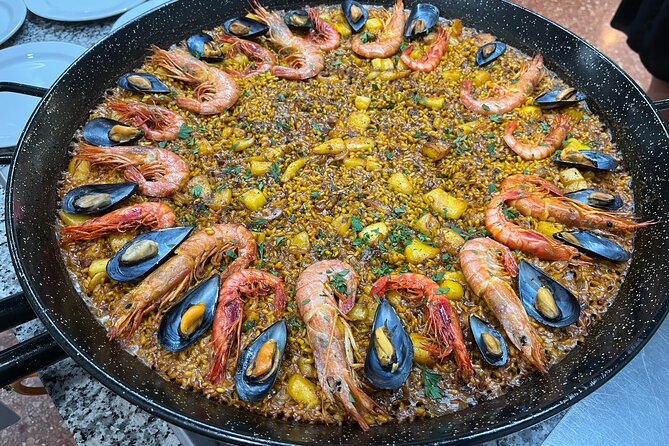
After cooking, you sit down and eat what you made. This is where you get the full Valencian spread, not just a small tasting portion.
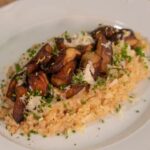
The paella is served with Valencian tomato salad, plus drinks such as Valencia wines. The dessert list leans into sweet local traditions, including:
- Seasonal fruit
- Typical Valencian sponge cake
- Sweet wine (mistela)
- Coffee
And yes, there’s usually more wine and sangria served during the session, so pace yourself. You get plenty of drinking options, but you also get water and soft drinks, so it is easy to keep your head clear enough to enjoy the lesson and not feel wiped out halfway through.
The final meal matters because it locks in the lesson. You tasted the ingredients at the market, you learned the cooking flow, and then you eat the finished dish with the right sides and sweets. That sequence makes the experience feel complete.
Price and Value: Why $78.64 Feels Reasonable
At $78.64 per person, this is not the cheapest activity in Valencia. But it includes a lot of what drives costs in a real food experience: ingredients, equipment, guided shopping, hands-on instruction, and a full meal with drinks.
You are typically getting:
- tapas and a full sit-down meal with paella
- sangria workshop plus wine/beer/water/soft drinks
- dessert, coffee, and mistela
- ingredients and equipment to cook
It is also time-efficient. In about 3 hours 30 minutes, you get market context, cooking skills, and the meal. If you like tours where you actually eat the result, the value is stronger than it looks at first glance.
One smart move: book ahead if you can. This class often sells out with an average booking lead around a month, and small groups mean fewer seats.
Who Should Book This Paella and Market Class?
This experience fits best if you:
- want a hands-on cooking class, not a lecture
- enjoy social cooking and meeting other people while eating well
- care about the link between market ingredients and the final dish
- like Valencian drinks such as sangria, wine, and mistela
It might be less ideal if you:
- have mobility issues that make a short walk hard
- prefer low-alcohol experiences (this class does offer a lot of drinks)
- get easily thrown off by unclear street-level meeting spots (arrive early and confirm directions)
Should You Book This Seafood Paella Class in Valencia?
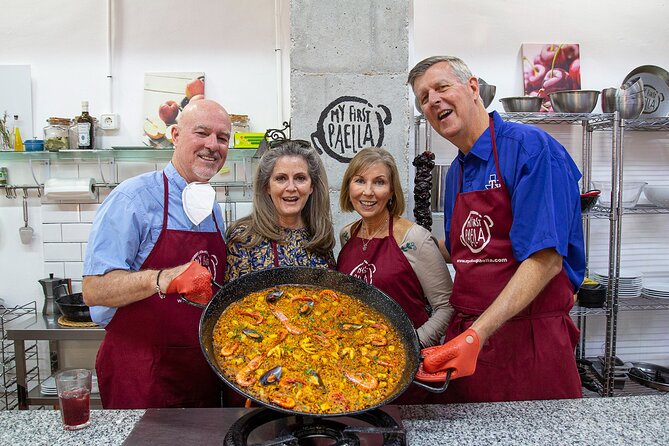
If your goal is to leave Valencia with a real cooking story, plus a solid ability to recreate seafood paella at home, I think this is a strong pick. The combination of Ruzafa market shopping, a guided seafood paella process, and a full Valencian meal is the kind of package that feels like you spent your money on food and learning, not just time.
Book it if you can match the schedule and you are okay with a short walk and a drink-forward format. If you want a calmer, alcohol-light afternoon, consider tempering expectations before you go.
FAQ
FAQ
What time does the class start?
The experience starts at 11:00 am.
How long is the seafood paella and tapas experience?
It runs for about 3 hours 30 minutes.
Where do we meet?
You meet at the door of Parroquia de San Valero, Carrer del Pare Perera, 6, L’Eixample, 46006 València, Valencia, Spain.
Does the class include a visit to Ruzafa market?
Yes. You go together to Mercado de Ruzafa to shop for the fresh ingredients. Note: the market visit is not available on Sunday because the market is closed.
Is it taught in English?
Yes. The class is offered in English (and may also be multi-lingual, including Russian and Spanish).
What is included in the meal and drinks?
You get tapas, Valencian tomato salad, paella, dessert, coffee, and drinks including sangría, wine, beer, and soft drinks or water. Mistela is included as well.
Is the seafood paella cooking hands-on?
Yes. The session is designed so you help with preparation and cooking with step-by-step instructions, then you sit down to taste the paella you cooked.
How big is the group?
The tour has a maximum of 20 travelers.
Can kids join?
Children must be accompanied by an adult.
Is free cancellation available?
Yes. You can cancel for a full refund up to 24 hours before the experience starts.