REVIEW · SEVILLE
Seville: Spanish Cooking Class with Dinner
Book on GetYourGuide →Operated by Taller Andaluz de Cocina -Cooking School · Bookable on GetYourGuide
A market meal, cooked with your own hands, is hard to beat. This Seville chef-led class turns Triana Market into a working kitchen, where I love the hands-on cooking time and the fact you eat what you make with proper drinks. One thing to consider: it runs as a group activity, so you’ll spend some time working together instead of moving at your own pace.
The menu is Spain in a nutshell: chilled soup or soup-like starter, tapas, Valencian-style chicken paella, and a light finish with lemon sorbet and Cava. I also like that it’s in English and designed for different cooking levels, so first-timers aren’t left behind. If you’re expecting a quiet, sit-back-and-watch show, this isn’t that vibe.
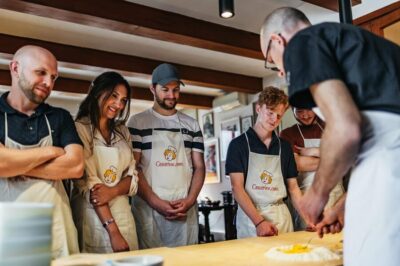
Meet at Triana Market, roll up your sleeves, and expect a fun night with a real chef host—names you might see include Carlos/Carlo, Leo, David, Dom, and Pedro. It’s a solid value for $82 if you want a full dinner experience plus skills you can use later.
In This Review
- Key Things to Know Before You Cook in Triana
- Entering Triana Market: Stalls 75–77 and the Start of the Night
- The 3-Hour Cooking Flow: Starter, Tapas, Paella, Dessert
- Salmorejo or Gazpacho: A Cold Starter You’ll Want to Recreate
- Tapas Hands-On: Spinach and Chickpeas, Eggs, or Spanish Omelet
- Paella the Valencian Way: Chicken and Seasonal Vegetables
- Dessert With Lemon Sorbet and Cava
- Drinks and Dinner: Sangria During Cooking Plus Two More Drinks
- What You Really Learn (Beyond the Recipe Card)
- Price and Value: Does $82 Make Sense in Seville?
- Dietary Needs and Easy Adjustments
- Who Should Book This Class (and Who Might Not Love It)
- Practical Tips for a Smooth, Fun Evening
- Should You Book Seville: Spanish Cooking Class With Dinner?
- FAQ
- Where do I meet for the Seville cooking class?
- How long is the class?
- Is the cooking class in English?
- What dishes will I cook and eat?
- Are drinks included?
- Is there any help for dietary restrictions?
- What’s included besides the food?
- What’s the price?
- Can I cancel if plans change?
- How big is the class?
Key Things to Know Before You Cook in Triana
- Triana Market meeting point (stalls 75–77) keeps this grounded in real Seville food life.
- Sangria during cooking means you’re not just tasting at the end—you’re tasting while learning.
- Your dinner is the course list you cook: starter/tapas, paella, and dessert.
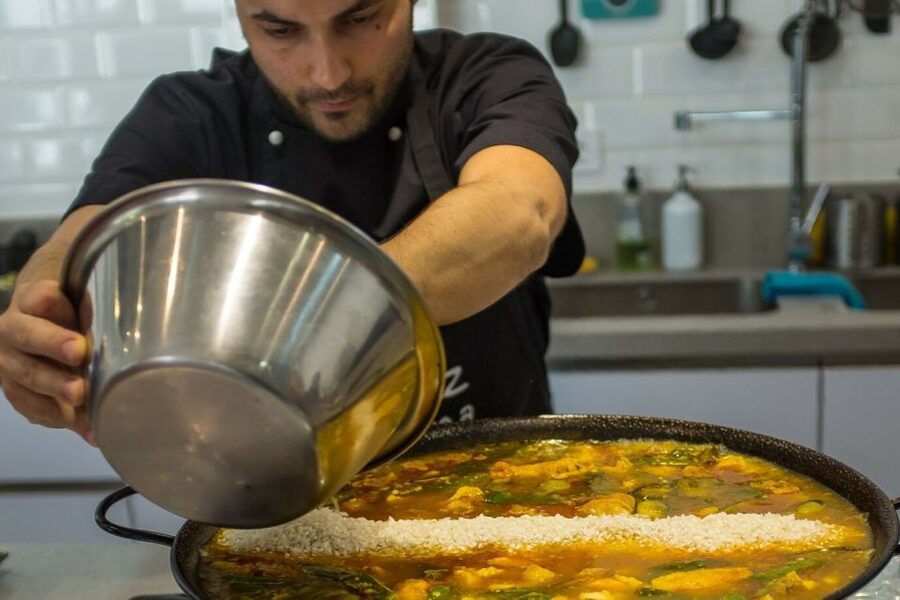
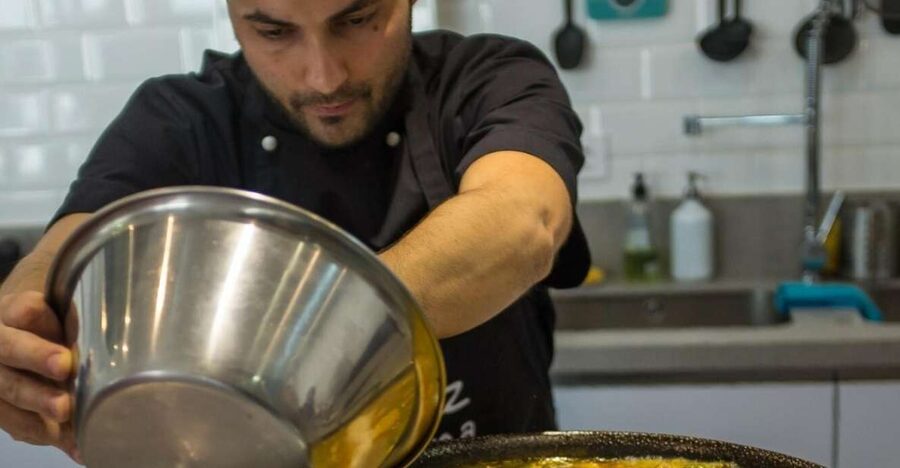
- Paella is the main focus with chicken and seasonal vegetables, taught like a process, not a trick.
- Chefs like Carlo and Leo run the show with humor and hands-on teaching style.
- Dietary changes are possible if you tell the school in advance.
Entering Triana Market: Stalls 75–77 and the Start of the Night
Seville has a lot of great food zones, but Triana Market is different because it feels like daily life—not a themed food stop. You’ll meet at stalls 75–77 at the market on Plaza del Altozano, then you’re guided into the cooking-school setup.
This matters more than you might think. Starting inside a real market keeps the class connected to where ingredients actually come from. And it also sets expectations: you’ll be moving through a food environment with real aromas, busy energy, and that Andalusian “eat well, often” mindset.
You’ll also get a clear rhythm right away. The session is 3 hours, so it’s long enough to teach real technique and short enough that you’ll still feel fresh by dessert.
You can also read our reviews of more tours and experiences in Seville.
The 3-Hour Cooking Flow: Starter, Tapas, Paella, Dessert
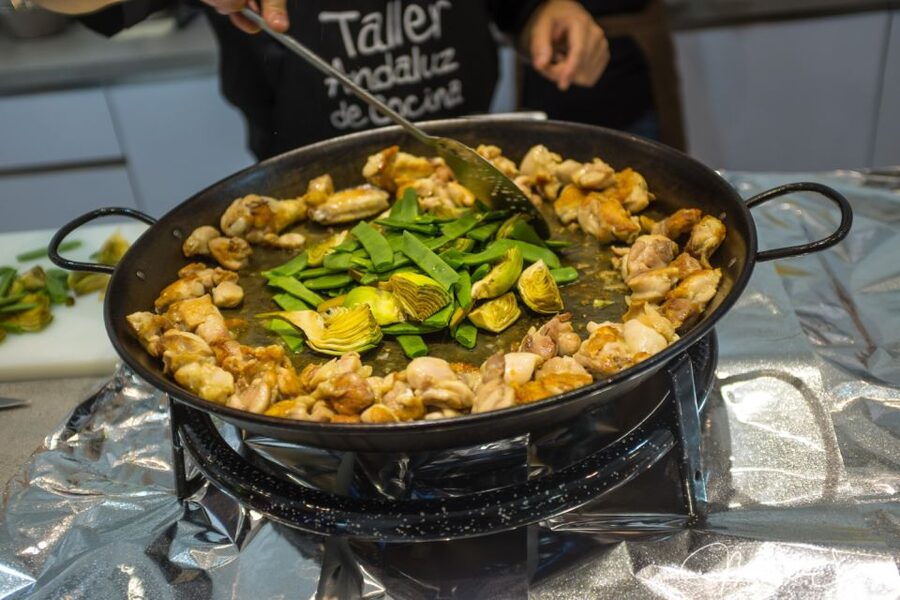
This class is built like a dinner you can actually explain afterward. The structure is simple:
1) Chilled starter + tapas you make early in the night
2) Paella as the main event
3) Dessert to wrap it up lightly
The exact starter can be salmorejo or gazpacho, depending on what’s running. Either way, you’re working with the kind of flavors Seville is famous for: tomatoes, olive oil, garlic, and that cool, silky texture that makes hot weather make sense.
Then you’ll add typical tapas. Choices include spinach with chickpeas, huevos a la flamenca, or a Spanish omelet. Don’t worry if you’re new. The class is set up for novice cooks and more experienced cooks, so you’ll get a path in.
Finally, dessert is lemon sorbet with Cava—a bright finish that isn’t heavy, especially after paella.
Salmorejo or Gazpacho: A Cold Starter You’ll Want to Recreate
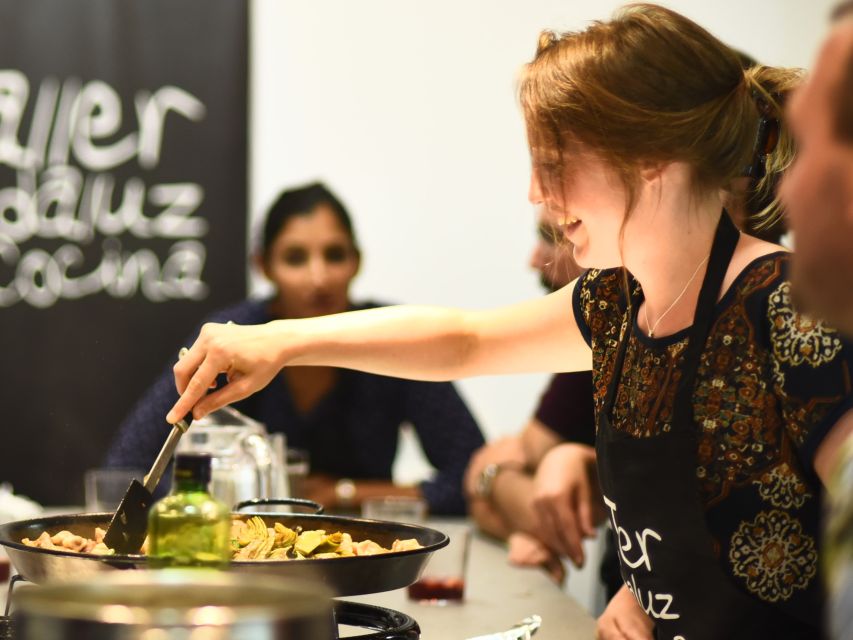
If you’ve ever had salmorejo and thought, I could probably do this, you’re right—but technique matters. The starter is designed to teach you how Spanish cooks build flavor quickly and cleanly.
Here’s what you’re practicing with either option:
- Chill and texture: these dishes shine when they’re cold and smooth
- Balancing richness: tomatoes plus olive oil create body, not heaviness
- Flavor layering: garlic and seasoning show up early, not as an afterthought
You’ll be making your starter at the cooking school, then you’ll keep rolling into tapas. That sequence helps your brain: you start with a foundation (cool tomato flavor), then you move to savory plates that are more about heat, timing, and technique.
Tapas Hands-On: Spinach and Chickpeas, Eggs, or Spanish Omelet
Tapas are where you learn speed and confidence. Even if you end up loving only one dish, the skills transfer.
The tapas options include:
- Spinach with chickpeas (often the best “I can make this at home” pick)
- Huevos a la flamenca (a classic egg-in-a-flavor-base dish—great for learning how eggs behave)
- Spanish omelet (simple ingredients, but timing and texture are everything)
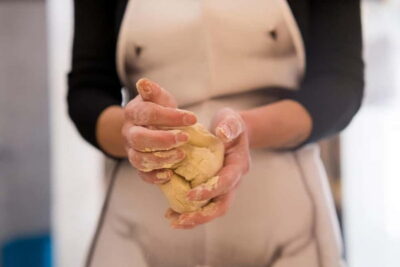
In practice, this is the part of the class where your hands get busy: chopping, mixing, cooking components, and getting used to how Spanish flavors come together. One of the big values here is that you’re not just learning recipes—you’re learning decision-making. When to stop cooking, when to season, and what “done” looks like for each dish.
Paella the Valencian Way: Chicken and Seasonal Vegetables
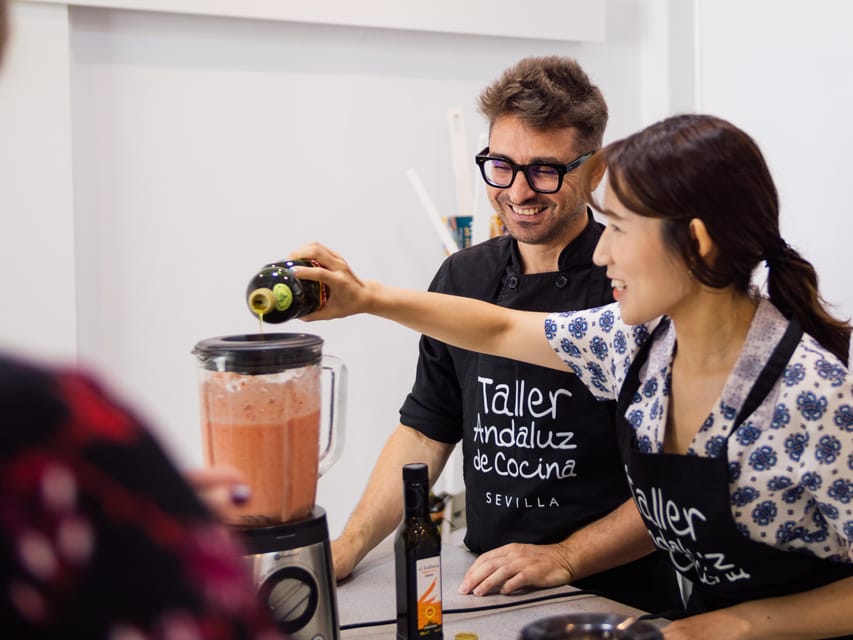
Paella is the headline for a reason. It’s not just a dish; it’s a method and a timing game. In this class, the main course is an authentic Valencian paella with chicken and seasonal vegetables.
Why paella is the best “skills investment”
- You learn how rice behaves as it absorbs flavor
- You see how cooking steps affect taste later
- You practice making something that feels special without being mysterious
This is also the part where the chef’s teaching style shows up. Hosts such as Carlo/Carlos and Pedro are known for keeping things lively while still teaching clearly. Expect technique tips, not just a recipe list.
And yes, the final reward is real. You don’t just taste a small sample—you eat the meal you made, later with extra drinks.

Dessert With Lemon Sorbet and Cava
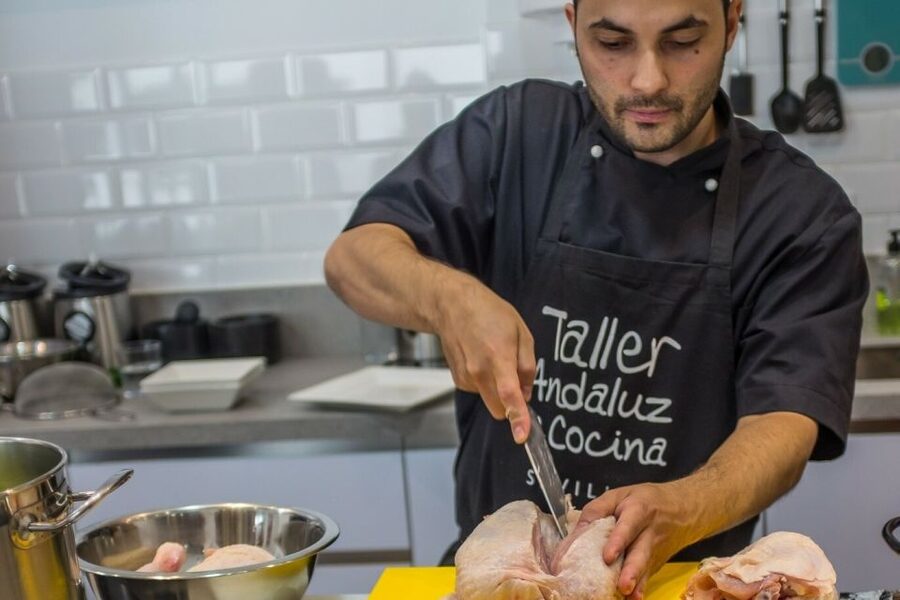
Dessert is intentionally light: lemon sorbet with Cava. After paella, it hits the reset button. Lemon brings brightness; Cava keeps it festive without making the night feel heavy.
This course is a good reminder of something Spanish cooking does well: pacing. You don’t end the meal with a sugar bomb. You end with cool, clean flavor.
Drinks and Dinner: Sangria During Cooking Plus Two More Drinks
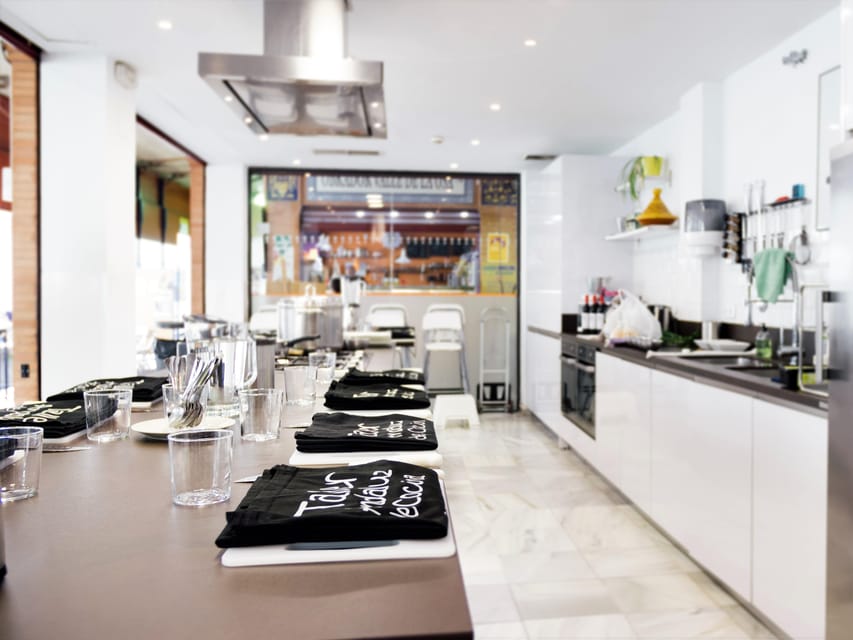
Food classes are often “mostly cooking, then a snack.” This one is closer to a real evening dinner.
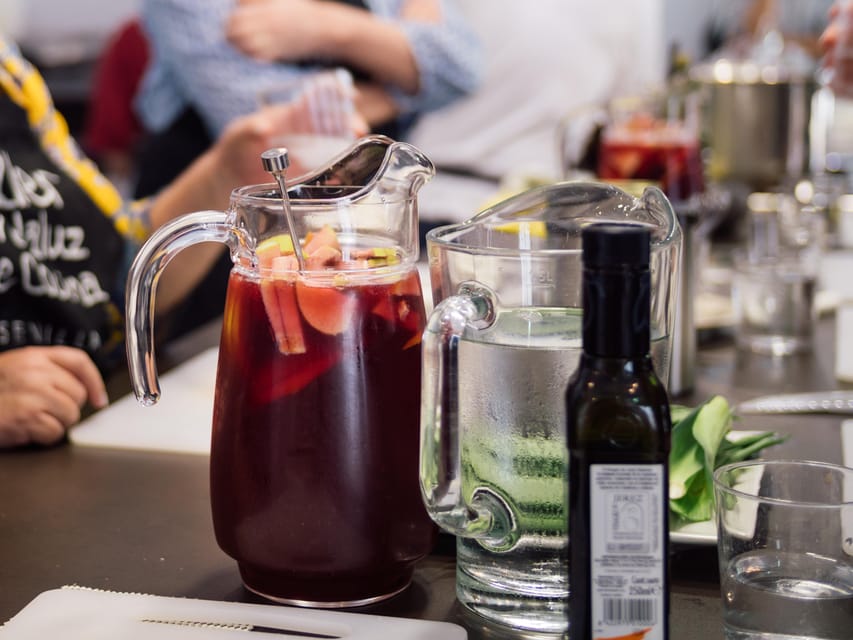
During the lesson, you get sangria while you cook. Then when you sit down to eat, your meal comes with two additional drinks, chosen from white or red wine, local beer, or soft drinks.
This is a big part of why the price feels fair. You’re paying for ingredients, a chef-led class in an actual market area, and a full dinner with drinks—not just the instruction.
If you’re the type who gets nervous in cooking classes, the drinks can help you loosen up. But keep it practical: you’ll still need focus while learning paella timing.
What You Really Learn (Beyond the Recipe Card)
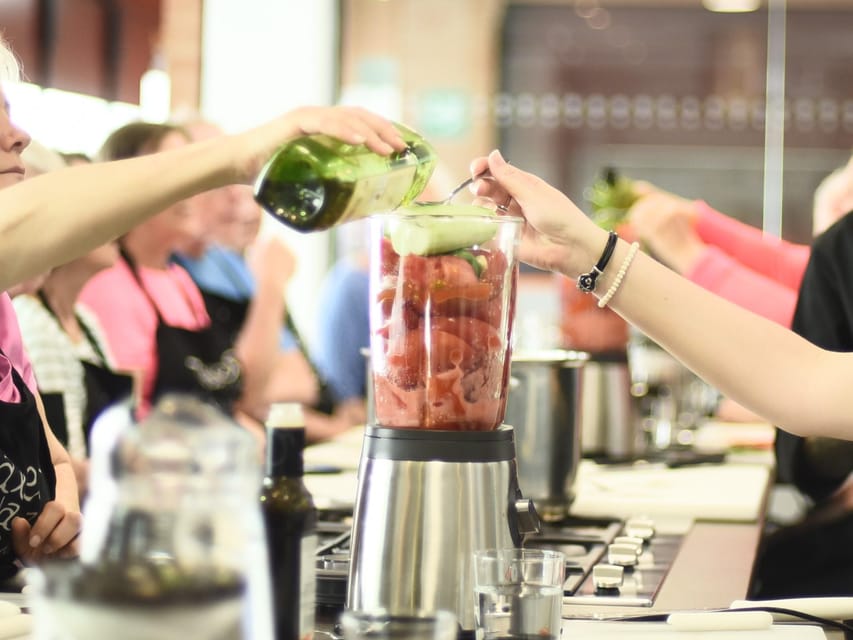
The best part of a good cooking class is the gap it closes between “I followed steps” and “I can cook this again.” This one pushes you toward the second option.
You learn:
- How to prep and assemble Spanish classics without second-guessing
- How texture matters in chilled starters and egg dishes
- How paella is about process and timing
- How to finish a Spanish meal with a cool, citrusy dessert
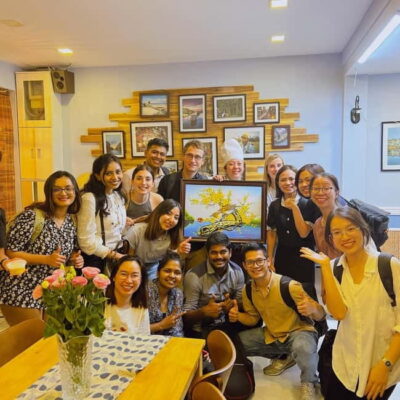
Also, expect lots of conversation. You’ll be cooking with a mixed international group, and the vibe tends to be social rather than stiff. If your host includes someone like Leo, Sabrina, David, Dom, or Domenico, the energy is typically part of the lesson—humor, encouragement, and quick answers to questions.
Price and Value: Does $82 Make Sense in Seville?
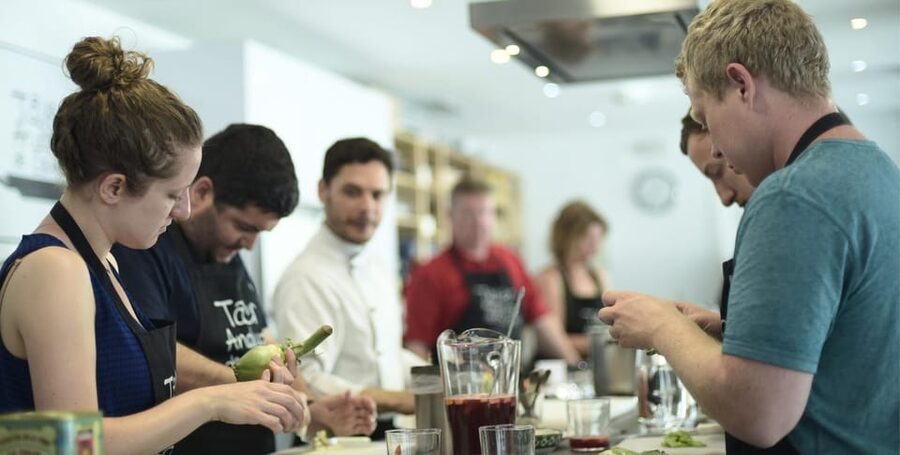
$82 per person sounds like a splurge until you price it like a local night out.
You’re paying for:
- A 3-hour chef-led class in Seville
- All ingredients
- An apron
- Sangria during the lesson
- The full meal you cook: starter/tapas, paella, dessert
- Two additional drinks with dinner
If you’ve been eating tapas around Seville at standard bar prices, this is very easy to compare. The class isn’t just dinner—it’s dinner plus instruction plus the experience of cooking in a market-based cooking school setup.
In plain terms: it’s a good deal if you want both food and skills. If you only want a meal and don’t care about cooking, you might find cheaper ways to eat well. But for a “learn and eat” night, it’s priced like a real activity.
Dietary Needs and Easy Adjustments
The school says the recipes can be adapted for dietary restrictions if you advise in advance. That’s important because tomato-based starters, vegetable tapas, and even paella can often be adjusted, but only if the instructor has time to plan.
If you have allergies or restrictions, don’t wing it on the day. Message ahead so they can change the menu safely.
Who Should Book This Class (and Who Might Not Love It)
This works best for:
- Couples and small groups who want a shared activity
- First-timers to Spanish cooking who want structure
- People who like food with a social side
- Anyone who wants paella taught in a way they can repeat later
You might be less thrilled if:
- You want a silent, hands-off tour experience
- You’re only interested in one dish and don’t care about learning multiple courses
- You’re short on time and can’t spare the full 3 hours
If you’re on a tight itinerary, this is still a strong choice because the location ties into Triana Market and the class ends as a full dinner.
Practical Tips for a Smooth, Fun Evening
A few small things will make your night go better:
- Come hungry. This is a full menu, not a tasting flight.
- Wear comfortable shoes. You’re starting in a market environment and moving around a kitchen setup.
- Tell them about dietary needs early. The class can adapt, but planning is key.
- Bring curiosity, not perfection. The point is learning how Spanish cooks think, not producing restaurant-level results on day one.
- Expect a lively host. Carlos/Carlo, Leo, David, Dom, and Pedro show up as familiar names, and the teaching style is usually interactive and fun.
Also: it’s in English, so you won’t feel lost when someone explains why a dish is made a certain way.
Should You Book Seville: Spanish Cooking Class With Dinner?
If your goal is a memorable Seville night that mixes real food, real technique, and a social atmosphere, I’d book it. The pairing of market-based location, chef-led hands-on cooking, and a complete dinner with sangria and extra drinks gives you more than “just a meal.”
Book it especially if:
- You want to leave with skills you can use at home
- You care about paella done properly
- You’d rather cook with a group than wander for dinner alone
Skip it only if you want a low-energy activity or you’re not interested in cooking at all.
FAQ
Where do I meet for the Seville cooking class?
Meet at stalls 75–77 in Triana Market on Plaza del Altozano.
How long is the class?
The class lasts 3 hours.
Is the cooking class in English?
Yes, the class is taught in English.
What dishes will I cook and eat?
You’ll prepare a starter (either salmorejo or gazpacho), plus tapas such as spinach with chickpeas, huevos a la flamenca, or a Spanish omelet. Your main course is Valencian paella with chicken and seasonal vegetables, and dessert is lemon sorbet with Cava.
Are drinks included?
Yes. Sangria is served during the lesson, and your meal includes two additional drinks (white or red wine, local beer, or soft drinks).
Is there any help for dietary restrictions?
Recipes can be adapted for dietary restrictions. You should advise in advance if you need changes to the menu.
What’s included besides the food?
You’ll get all ingredients plus use of an apron.
What’s the price?
The price is $82 per person.
Can I cancel if plans change?
Yes. Free cancellation is available up to 24 hours in advance for a full refund.
How big is the class?
The basic info doesn’t list an exact group size. One booking in the provided details described a group of about 10 people.