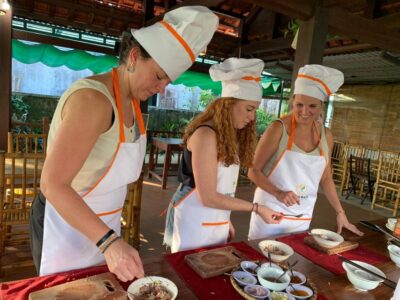
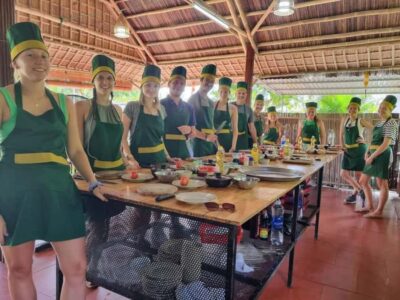
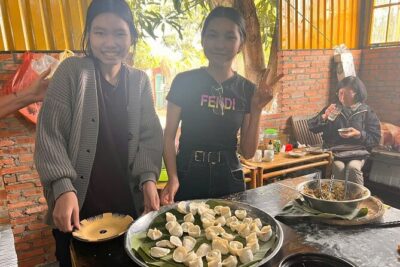
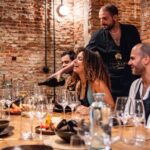
A Madrid cooking class inside a family home beats a studio. I love the hands-on pace—you’re actually making the food, not just watching—and I also love the family-recipe feel that comes from cooking the way Antonia does at home. It’s built around seasonal classics like tortilla, gazpacho, omelet, or paella, so you get real Spanish food instead of a generic menu.
One practical drawback: the kitchen is on the 2nd floor with no elevator, so you’ll want to plan for stairs when you show up.
In This Review
- Key things I found most compelling
- A Madrid kitchen in Carabanchel, not a tourist studio
- What you’ll cook: seasonal Spanish classics with real guidance
- From apron to table: your meal, sides, wine or beer, and dessert
- The hosts make it feel personal: Ariadna and Antonia at home
- Price and value: where the $289 really goes
- Practical tips before you go (so it feels easy)
- Who should book this Spanish cooking class in Madrid?
- Should you book it?
- FAQ
- What dishes might I cook in this class?
- Is this class private?
- Is alcohol included?
- Can you accommodate dietary restrictions?
- Where do we meet, and is pickup provided?
- Is the apartment accessible?
Key things I found most compelling
- You cook from scratch in a real apartment, with step-by-step guidance
- Seasonal menu choices like tortilla, gazpacho, omelet, or paella
- Eat what you make, with sides plus dessert, not just a tasting
- Wine or beer included (typically 1–2 glasses) with your meal
- Dietary needs can be handled if you request them at booking
- A personal host experience with Ariadna and Antonia (and a warm welcome noted by prior guests)
A Madrid kitchen in Carabanchel, not a tourist studio
This class takes place in a local family apartment in Carabanchel, at the address C. de la Inmaculada Concepción, 23. It’s not set up like a show kitchen. You’re joining a real household for a few hours, which changes the vibe fast. The whole experience feels like an invitation, not a performance.
You’ll start at the meeting point near public transportation, and the tour ends back there too. There’s no hotel pickup and drop-off, so you’re responsible for getting yourself to Carabanchel. That’s actually a plus if you enjoy figuring out transit and walking bits of a neighborhood on your own—just don’t expect it to be door-to-door convenient.
The hosts are Ariadna and Antonia, with Ariadna guiding you through the cooking and stories. In one set of feedback, a host named Juan is also mentioned as being part of the welcome. Either way, the consistent point is simple: people feel greeted and cared for, and dietary needs are taken seriously.
Do note the practical detail that can affect your comfort level: the apartment is on the 2nd floor and there’s no elevator. If you’re traveling with heavy bags, limited mobility, or knee issues, plan on stairs at the start and end of the class.
You can also read our reviews of more tours and experiences in Madrid.

What you’ll cook: seasonal Spanish classics with real guidance
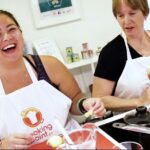
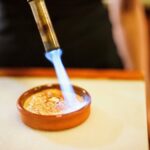
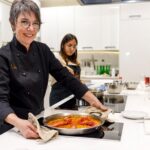
The heart of the experience is the cooking portion—about two hours hands-on—where you’ll make Spanish dishes step by step. The exact menu is seasonal, but you should expect options in the family of classics like Spanish tortilla, gazpacho, Spanish omelet, or paella.
Here’s why this matters for your trip: these dishes are recognizable in Spain, but you often never learn the method. This class focuses on technique—how you build flavor in a tortilla from the ground up, or how you approach a cold, punchy gazpacho. You also get shown how to do the dish in a way that fits the family’s rhythm, which is where the experience starts to feel authentically Spanish rather than just educational.
Ariadna talks you through the process while also sharing useful cooking tips and local suggestions for Madrid. That combo is underrated. You’re learning how to cook while also getting ideas for where to go and what to notice later in the city—like what to try, what to skip, and how locals think about food.
If you have preferences, you can request what you want to cook when you book. The menu is described as seasonal, so there’s no promise of every dish every day, but the hosts do take direction. Dietary options are also available—lactose free, gluten free, vegetarian, and vegan—if you advise them in advance, including allergies and restrictions.
From apron to table: your meal, sides, wine or beer, and dessert
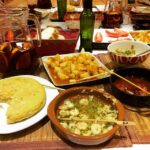
Cooking is only half the story here. The other half is sitting down and eating a seasonal homemade meal together after you finish the hard work. This is one reason I like this format so much: you get to taste what your effort created, and you don’t have to guess whether the finished dish will actually be satisfying.
After the cooking, your meal is served with sides, plus wine or beer. Alcohol is included in the price of the experience, and it’s typically 1–2 glasses of local wine. That’s a comfortable amount—enough to feel like a proper Spanish meal, without turning the afternoon into a blur.
Dessert is included too. The exact desserts aren’t listed, but the key point is that the meal isn’t just a plate of your main dish. It’s presented as a traditional, family-style sequence: main, supporting sides, dessert, and drinks. For me, that’s where you understand Spain’s everyday rhythm—food is social, paced, and meant to be enjoyed rather than rushed.
One small note: since dishes and menu items are seasonal, your final plate might differ from what you expected when you pictured the class. If you’re very attached to one specific dish (say, paella), request it when booking. The hosts can guide you based on what’s available, but being upfront helps.
The hosts make it feel personal: Ariadna and Antonia at home
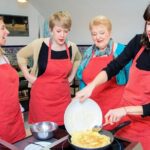
The stand-out theme in feedback is how welcoming the hosts are. People describe the experience as friendly, like cooking with friends or family. That matters, because in a cooking class, the teacher’s style affects everything—your comfort with chopping, stirring, tasting, and asking questions.
Ariadna leads the class and provides the step-by-step structure. She’s also described as sharing stories and local suggestions during the cooking. So you’re not stuck in a lecture mode. Instead, you learn while the conversation keeps moving.
Antonia is part of the heart of the class: you’re cooking with a grandmother’s influence and family recipes, using the way she cooks for her household. That might sound like a marketing line, but you can feel the difference when a meal comes from someone’s everyday standards rather than an instructor’s “perfect for tourists” version.
One review specifically calls out accommodation for dietary needs and a warm welcome. That lines up with what’s stated in the details: you should advise restrictions or allergies at booking time. If you do, you’re more likely to get a class that works for you and your group rather than forcing you to eat around limitations.
If you’re the type who loves hearing stories—about what ingredients matter, why a dish is made a certain way, and what Madrid life looks like—this is the class that rewards that curiosity.
Price and value: where the $289 really goes
At $289 per person, this isn’t a budget cooking class. But it’s also not a generic group activity. The format is a private tour/activity, meaning your group is the only one in the apartment at that time. That privacy matters when you want questions answered, dietary needs handled, and instruction tailored to the pace of your table.
You’re paying for several concrete things:
- A hands-on cooking session where you make Spanish dishes from scratch
- A full home-style meal afterward
- Local wine or beer included
- Hosts’ time and guidance in a home setting
- Gratuities, taxes, and fees included in the listed price
When I look at value, I care about whether you leave with something real. Here, you leave with a meal you made and learned from—plus a better sense of Spanish cooking logic. That’s different from paying for a snack tour where you just sample and move on.
There’s also a note about group discounts. Because the experience is private, the most likely value boost is if you book with more people in your group and the price becomes more favorable per person. If you’re traveling as a duo or a small group, this can feel more “worth it” than if you’re coming solo.
Still, if you’re hoping for a cooking class that’s purely about technique with zero cultural sharing, you might find this pricier than you want. But if you like food plus a genuine home setting, the price starts to make sense.


Practical tips before you go (so it feels easy)
A few details can make or break the day, and they’re worth planning for.
First, build your expectations around the home setting. You’ll be in a residential apartment on the 2nd floor with no elevator. Wear shoes that work on steps, and keep your bags light if possible.
Second, plan your meal timing. The class runs about 3 hours (approx.), and the overall description also references a 4-hour private cooking class. Either way, you’re cooking for a chunk of time and then sitting down to eat. I’d treat it as a main event day activity—don’t schedule a second long meal right after.
Third, communicate dietary needs early. Options include lactose free, gluten free, vegetarian, and vegan, and the hosts can accommodate restrictions if you advise them at booking. If you have allergies, be explicit. This is one of the things the experience is actually designed to handle, not something you’re expected to figure out on the spot.
Fourth, bring a flexible mindset about what you’ll cook. The menu is seasonal, so you might not get every dish you hoped for. The good part is that the class covers Spanish classics, and you’ll still learn the methods behind the favorites.
Finally, use the local-suggestion angle. Ariadna shares tips on things to do in Madrid during the cooking. If you’re the kind of traveler who loves quick, practical recommendations, have a couple questions ready: what neighborhood to walk, what to eat next, and what might be worth your time.
Who should book this Spanish cooking class in Madrid?
I’d book this if you want more than a food demo. It’s ideal for couples, small groups, and travelers who enjoy learning hands-on in a relaxed setting. It’s also a great choice if you’re food curious but want it to be personal—learning from Ariadna and Antonia’s approach, not a script.
It’s especially fitting if you value:
- Real Spanish dishes like tortilla, gazpacho, omelet, or paella
- A meal that ends in a full sit-down experience with wine or beer
- Dietary flexibility when you plan ahead
On the flip side, it may not be the best fit if:
- You need step-free access due to the apartment stairs
- You want a class with no alcohol at all (alcohol is included)
- You don’t want to handle getting yourself to the meeting point by public transport
Should you book it?
If you like cooking, eating, and hearing real stories at the same time, I’d strongly consider booking. The value isn’t about being cheap—it’s about getting a private home meal with guided cooking, accommodations for dietary needs, and a warm welcome that people clearly notice.
Just go in with the right expectations: it’s in a family apartment on the 2nd floor with no elevator, you’ll be making Spanish classics from scratch, and you’ll spend a few focused hours together before sitting down to a traditional meal with local drinks.
If that sounds like your kind of Madrid day, this one is a solid pick.
FAQ
What dishes might I cook in this class?
The menu is seasonal, and it may include Spanish tortilla, gazpacho, Spanish omelet, or paella. You can request preferences when booking, and the hosts can guide you based on what’s available.
Is this class private?
Yes. It’s listed as a private tour/activity, and only your group will participate.
Is alcohol included?
Yes. Alcohol is included in the price, typically with your meal as 1–2 glasses of local wine. The class also notes wine or beer with the meal.
Can you accommodate dietary restrictions?
Lactose free, gluten free, vegetarian, and vegan diets are available. If anyone in your group has allergies, dietary restrictions, or cooking preferences, you should advise the hosts at booking time.
Where do we meet, and is pickup provided?
You meet at C. de la Inmaculada Concepción, 23, Carabanchel, 28019 Madrid, Spain. Hotel pickup and drop-off are not included, and the experience ends back at the meeting point.
Is the apartment accessible?
The hosts’ apartment is on the 2nd floor and the building has no elevator, so you should plan for stairs.