REVIEW · ROME
Rome: Pasta and Tiramisu Cooking Class in Piazza Navona
Book on GetYourGuide →Operated by IPM COETUS SRL · Bookable on GetYourGuide
One of Rome’s best food lessons happens in a real square. This Piazza Navona pasta and tiramisu class teaches you how to make fresh fettuccine and a classic tiramisu, then turns it into a sit-down meal with views.
I love the hands-on pace (no standing around hoping someone else does the work), and I especially like that you choose your pasta sauce and eat your own creation right after. The main thing to consider is comfort: the room can feel warm, so plan for the weather and bring a little patience.
The best part is the pairing of cookery with a proper restaurant experience. You’ll make your pasta dough, cut it into fettuccine, and then build tiramisu with the steps you can actually repeat later at home. Still, if you have dietary restrictions like gluten or lactose intolerance, this one is not a match.
In This Review
- Key highlights you’ll care about
- Piazza Navona cooking class: why this is more fun than a “tour”
- Where the value shows up
- Ristorante Tucci meeting point: how the afternoon starts
- Making fresh pasta: fettuccine technique and sauce choices
- How the restaurant finishes your pasta
- Tiramisu workshop: assembling the classic dessert
- Why tiramisu is a good choice for a class
- Bruschetta, drinks, and eating your pasta in Piazza Navona view
- The real-world payoff
- Small-group format: why limit matters for learning
- Who should book this class, and who should skip it
- If you should think twice
- Wheelchair access
- Price and value: is $64 worth it?
- Should you book this Piazza Navona pasta and tiramisu class?
- FAQ
- Where do I meet for the cooking class?
- How long is the experience?
- What’s included in the price?
- What pasta can I choose?
- Is it suitable for dietary restrictions like vegan or gluten-free?
- What’s the language of instruction?
Key highlights you’ll care about
- Piazza Navona address feel: the class and meal happen at Ristorante Tucci with Piazza views
- Fettuccine from scratch: you roll dough by hand and cut it into fresh pasta
- Pick your sauce: Carbonara, Cacio e Pepe, al Pomodoro, or al Pesto
- Tiramisu-making taught step-by-step with a finish you’ll be proud to serve
- Small group size (limited to 10) so you actually get help when you need it
- Lesson turns into dinner: bruschetta, wine/beer, then coffee or limoncello
Piazza Navona cooking class: why this is more fun than a “tour”
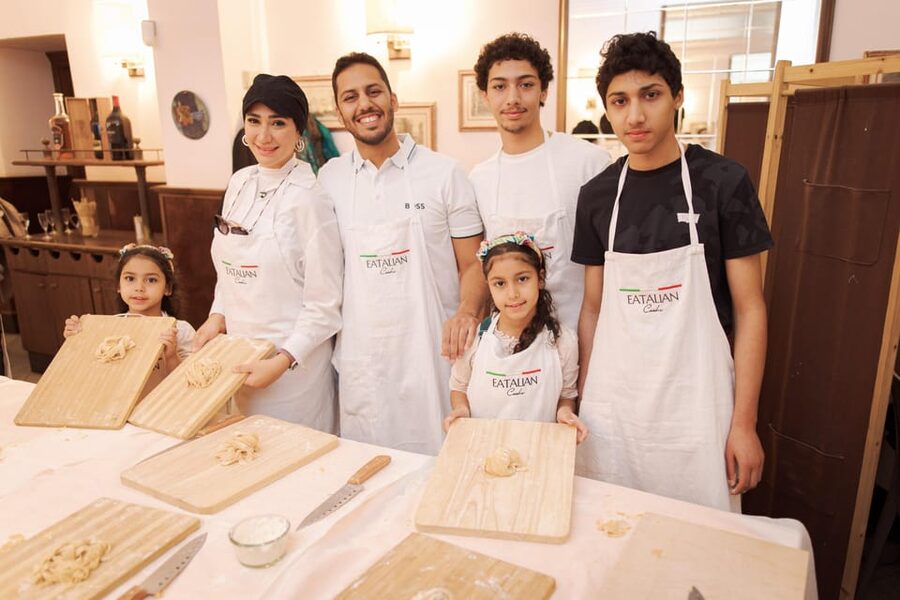
If you want a Rome activity that feels like food, not just sightseeing, this class is a strong bet. You’re in the heart of Piazza Navona, and the whole experience is built around doing two iconic things Italians do well: making pasta and making tiramisu.
I like that the format is practical. You learn the steps for fresh pasta dough and then see how the restaurant finishes it with your chosen sauce. Then tiramisu goes from workshop to dessert plate while you’re still in the piazza area, so your effort lands fast—less waiting, more eating.
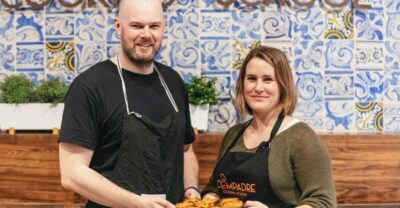
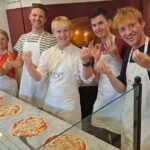
One more reason this works: it’s social without being a loud chaos machine. The group is capped at 10, and the teaching style is designed for English-speaking guests. In past sessions, instructors like Luca, Sarah/Sara, Enea, Simone, Georgia, and Cleo have led the class, and the common theme is patient guidance with simple instructions.
You can also read our reviews of more tours and experiences in Rome.
Where the value shows up
At $64 per person for about 2.5 hours, you’re not just paying for a recipe handout. You’re paying for:
- cooking instruction for pasta and tiramisu
- the ingredients and setup needed for both
- and a restaurant-style meal with drinks
That matters in Rome, where a simple dinner can add up quickly. Here, the lesson is bundled with the meal, so you get a “do and eat” experience rather than paying twice for two separate plans.
Ristorante Tucci meeting point: how the afternoon starts
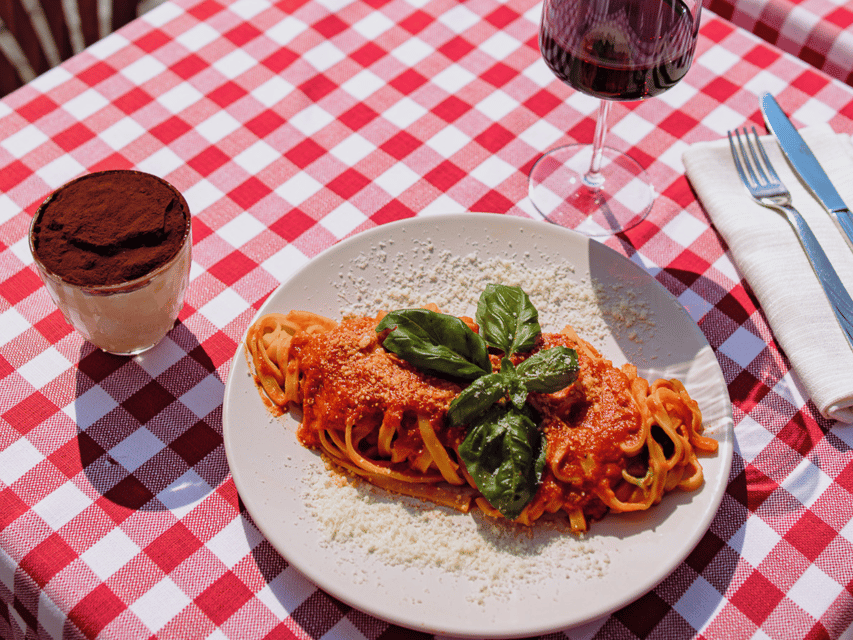
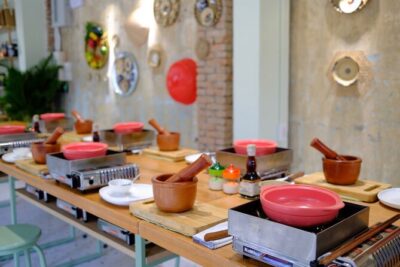
You meet inside Ristorante Tucci. When you arrive, ask a waiter to point you toward the cooking class area. Aim to get there about 10 minutes early. This matters because the class isn’t private, so being late can throw off the timing for everyone.
The vibe at the start tends to feel like you’re settling in for a laid-back Roman meal with a cooking component. Many people describe an early welcome drink—often a Prosecco-style aperitivo—while others gather. Even if you just treat that as a bonus, it’s a nice rhythm shift: instead of rushing from one landmark to another, you start with a drink and a place to focus.
Inside, you also get the advantage of being in one spot. You’re not marching across town with a crowd while trying to handle questions. It’s a tight loop: classroom-to-kitchen-to-table, with Piazza Navona nearby.
Making fresh pasta: fettuccine technique and sauce choices
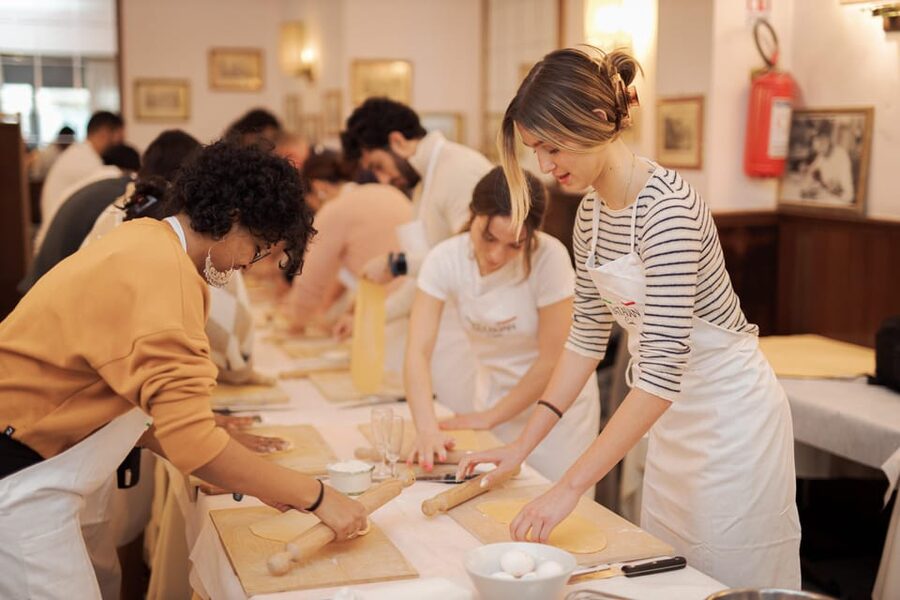
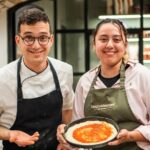
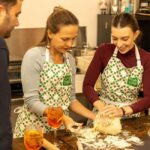
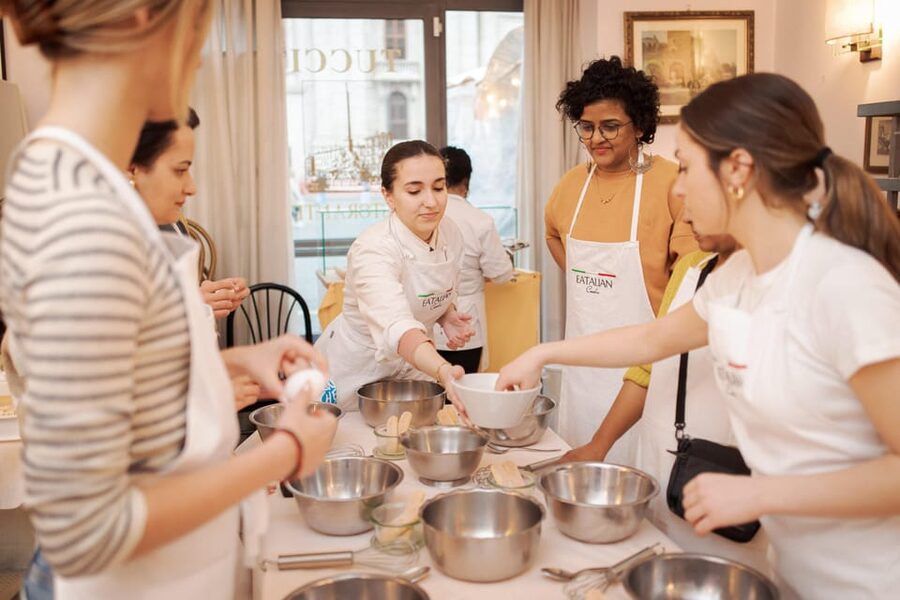
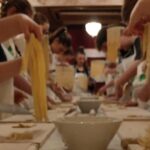
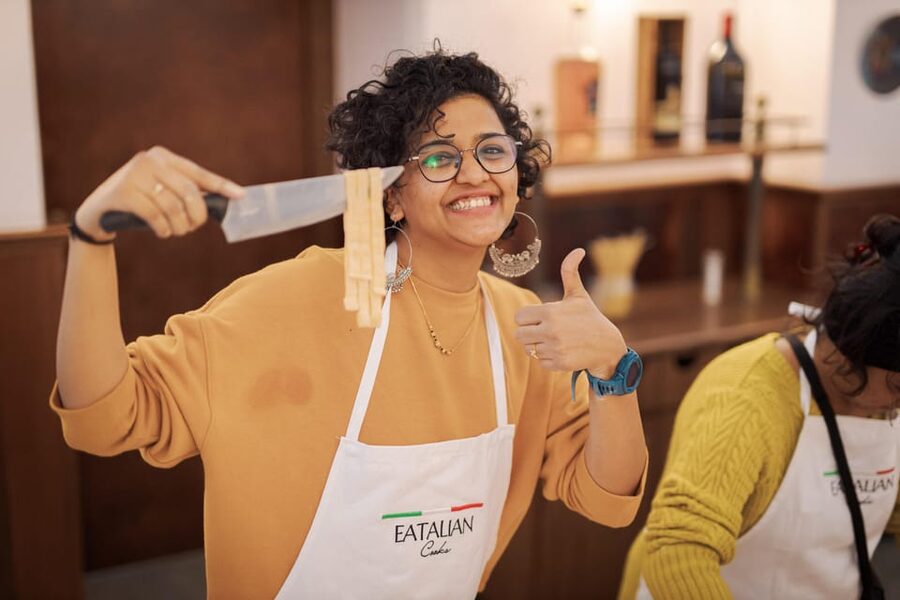
This is the cooking heart of the class. You learn how to make fresh pasta dough the Italian way—then you cut it into fettuccine. Expect a hands-on flow where the instructor shows the steps and then checks in as you work. When instructors like Luca or Simone are teaching, people often mention how encouraging and clear the instructions feel, including little tricks that make the process easier than it looks.
You’re also not locked into one sauce. Before the pasta is finished, you choose from four classic options:
- Carbonara
- Cacio e Pepe
- al Pomodoro
- al Pesto
This choice is one of the smartest parts of the experience. It turns the cooking class into something personal. You’re not just learning “a pasta recipe”—you’re learning how to make pasta and then pair it with a sauce you actually want to eat.
How the restaurant finishes your pasta
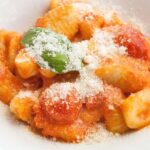
Here’s where the timing makes sense. Once your pasta is ready, your class-made pasta is taken to the restaurant kitchen to be cooked with the sauce you picked. Then the staff brings it out to your table.
It’s a small detail, but it’s a big deal for your enjoyment. The class gives you the skills and the muscle memory, and the restaurant handles the exact cooking moment so your pasta doesn’t turn into a stressful experiment.

Tiramisu workshop: assembling the classic dessert
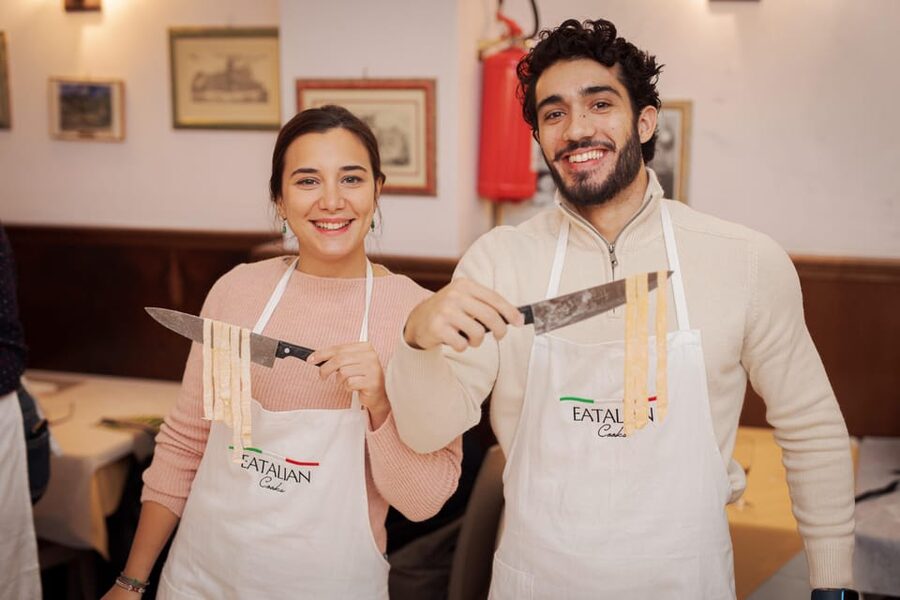
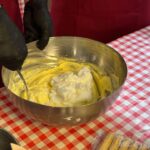
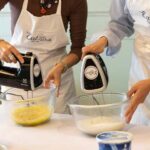
After pasta, you switch gears to tiramisu. This is the second half of the class, and it’s designed for real participation, not watching. You learn the steps to build tiramisu with fresh ingredients and a method you can repeat.
People often highlight that the dessert part feels straightforward once you’re in the flow. Names you may see teaching include Sarah/Sara, Enea, Cleo, and Alexandra, and multiple reviews mention how patient and encouraging the instruction is—especially when beginners worry they’ll mess up something delicate like tiramisu.
Why tiramisu is a good choice for a class
Tiramisu looks intimidating in photos. In a class setting, you get two benefits:
1) someone shows you the steps so you don’t guess
2) you learn the timing and assembly approach, so you understand what matters (layers, texture, and how it sets)
And because your tiramisu is served as part of the meal, you don’t end up with a dessert that just sits while you wander Rome. You finish it, you eat it, you feel that payoff.
Bruschetta, drinks, and eating your pasta in Piazza Navona view
This is where the experience turns from workshop into dinner.
You start with an appetizer: bruschetta (bread with tomato, oil, and basil). Then you get drinks included with the meal:
- one glass of wine or beer
- plus coffee or limoncello
- and soda and water
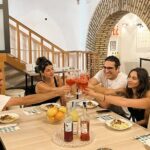
The drink choice keeps things flexible. If you’re in the mood for a Roman aperitivo vibe, you can pick wine or beer. If you’re keeping it light, the non-alcohol options still feel like part of the meal rhythm.
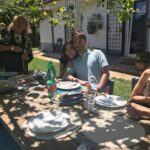
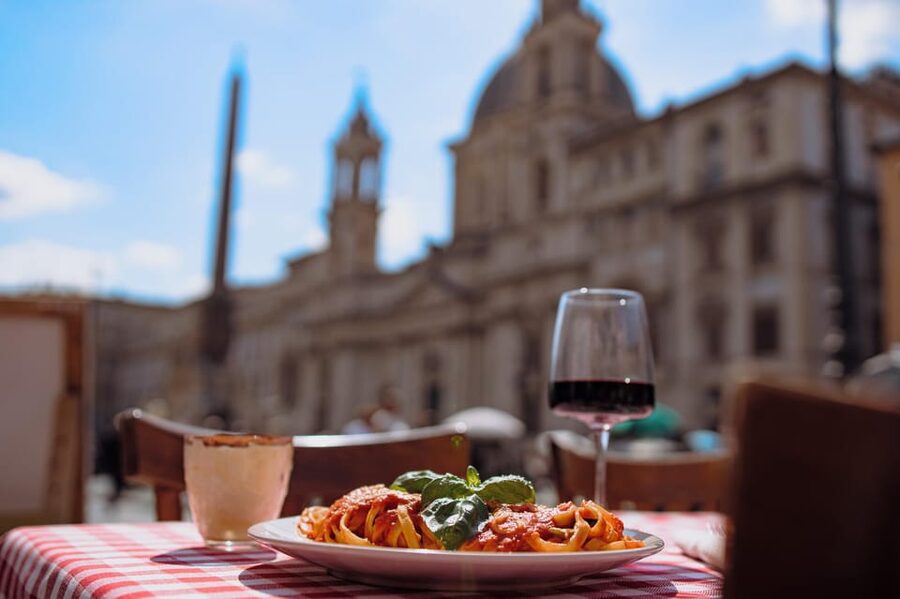
Then comes your pasta—served after the kitchen cooks it with your chosen sauce. Finally, your tiramisu appears as dessert. Many people describe eating outside or at tables facing the piazza area, with the fountains as a backdrop. Even if you’re indoors, there’s often a strong view feeling through windows toward the square.
The real-world payoff
What I like about this structure is that it prevents the classic cooking-class problem: learning something and then never eating it. Here, you cook and then immediately get to enjoy the results. You’re also not responsible for turning the lesson into a meal plan. It’s built in.
And yes, that means you’ll leave with a full stomach and a stronger chance of remembering what you did—because you’ll want to recreate it later.
Small-group format: why limit matters for learning
This class is limited to 10 participants, which changes the whole experience. With a small group, instructors can actually check your hands and your dough texture. When people mention how easy the class felt, that’s often a sign that they got feedback at the right moment.
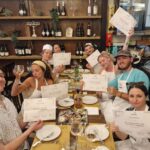
It also makes socializing easier. You’ll likely chat with the people next to you while waiting for the kitchen to cook the pasta. It’s a comfortable setup for friends, couples, and solo travelers. If you’re traveling alone in Rome and you want a built-in way to meet people without forcing it, a class like this usually works better than a generic walking tour.
Finally, small groups tend to help with pace. The class runs for 2.5 hours, and the structure keeps you moving through pasta, then tiramisu, then food service without long dead times.
Who should book this class, and who should skip it
This is a great fit if you want:
- a practical Rome food experience that includes a meal
- hands-on instruction in English
- a chance to learn fresh pasta basics and a classic dessert
It’s also a solid choice for groups because everyone gets the same core experience and then customizes the pasta sauce. If you’re a foodie or a first-time cook, the step-by-step approach tends to lower the fear level.
If you should think twice
This activity is not suitable for:
- vegans
- people with gluten intolerance
- people with lactose intolerance
- people with diabetes
- children under 7 years
If any of those apply, this class can turn into frustration. The recipes here rely on ingredients that aren’t aligned with those limitations.
Also, comfort can vary depending on how the room feels in your season. One common point people raised is that the space can get warm or not feel as air-conditioned as you’d hope. If you’re sensitive to heat, plan accordingly.
Wheelchair access
The activity is marked as wheelchair accessible, which is a helpful check for visitors with mobility needs.
Price and value: is $64 worth it?
For $64 per person, the key question is what you’re getting beyond the cooking lesson. You’re getting a full package:
- pasta-making class
- tiramisu-making class
- four pasta sauce choices
- bruschetta appetizer
- drinks (wine or beer, plus coffee or limoncello, plus soda and water)
That turns the price into a combined value. You’re not just buying instruction; you’re buying the ingredients, the cooking support, and a restaurant-style meal outcome. In Rome, that combo is usually a better deal than choosing a cooking class and then paying separately for dinner and drinks.
Should you book this Piazza Navona pasta and tiramisu class?
Book it if you want a high-engagement Roman experience in the center of everything, with fresh pasta and tiramisu that you actually eat soon after learning. I’d also book it if you enjoy small-group settings where an instructor can correct your technique, especially if you’re not confident in the kitchen.
Skip it if you’re dealing with gluten or lactose intolerance, need a vegan menu, or want an experience that’s designed for very young kids. And if heat affects you, plan for the room conditions and choose a time that works for your comfort.
If your goal is to leave Rome with something practical—real steps you can repeat at home—this class hits the mark because it links cooking to a meal right in the piazza atmosphere.
FAQ
Where do I meet for the cooking class?
You meet inside Ristorante Tucci. When you arrive, ask a waiter to guide you to the cooking class.
How long is the experience?
The class lasts 2.5 hours.
What’s included in the price?
You get pasta-making and tiramisu-making instruction, a choice of 4 pasta sauce options, a bruschetta appetizer, and drinks including one glass of wine or beer, plus coffee or limoncello, along with soda and water.
What pasta can I choose?
You can choose between four sauce/pasta options: Carbonara, Cacio e Pepe, al Pomodoro, or al Pesto.
Is it suitable for dietary restrictions like vegan or gluten-free?
No for vegans, and it’s also not suitable for people with gluten intolerance or lactose intolerance. Vegetarian and other diets are supported, but you’ll need to inform the provider of your needs when booking.
What’s the language of instruction?
The instructor teaches in English.