REVIEW · KYOTO
Gyoza Cooking Class in Kyoto: Traditional Japanese Dumplings
Book on GetYourGuide →Operated by Factory Alliance · Bookable on GetYourGuide
Gyoza in Kyoto feels like time travel. In 90 minutes, you’ll wrap and pan-cook traditional dumplings with an English-speaking instructor, then take home a full recipe and even get a photo moment with a Samurai. It’s hands-on food education, not a sit-and-watch show.
I love that you get real wrapping practice, not just demonstrations, and you can choose among meat and vegetable fillings so the dumplings match your taste. The whole vibe stays calm and welcoming, even if you’re new to cooking.
One consideration: it’s not wheelchair-friendly, and the meetup is a short walk from Karasuma Oike Station, so plan to arrive a bit early and walk in comfortably.
In This Review
- Key highlights you’ll care about
- Finding the Workshop Near Karasuma Oike (and why timing matters)
- Your instructor setup: tools, a free drink, and a friendly coaching style
- Choosing fillings: how to customize meat and vegetable gyoza
- Wrapping gyoza: getting the shape right without fear
- Cooking on the pan: turning technique into crisp-and-juicy results
- Eating your gyoza and the cultural add-ons (including the Samurai photo)
- The take-home recipe: why this is more than a one-time meal
- Price and value: what $127 gets you in real terms
- Who this Kyoto gyoza class fits (and who should think twice)
- Should you book this gyoza class in Kyoto?
- FAQ
- How long is the gyoza cooking class?
- Where do I meet for the class?
- Is there an English-speaking instructor?
- What’s included in the price?
- What food will I make and eat?
- Can I choose different fillings?
- Do you get a recipe to take home?
- Is it wheelchair accessible?
Key highlights you’ll care about
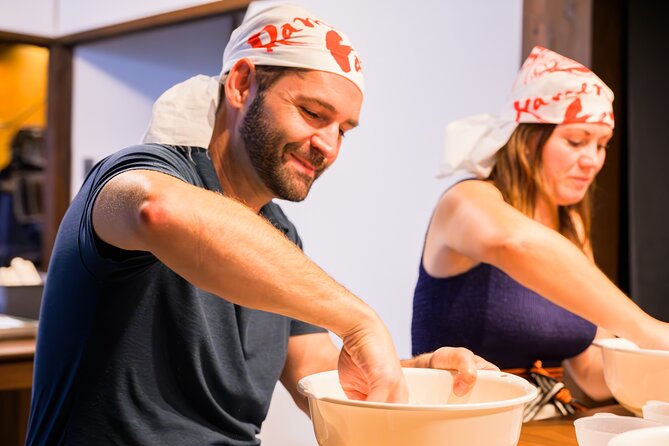
- English-speaking instruction that helps you understand each step clearly (and ask questions).
- Ingredient selection + stuffing choices, including vegetable options.
- Hands-on gyoza wrapping, with guided technique so yours don’t fall apart.
- Pan-cooking right in class, so you taste the results while it’s fresh.
- Take-home value: a full recipe you can use after your trip.
Finding the Workshop Near Karasuma Oike (and why timing matters)
This class is easy to slot into a Kyoto day because the meeting point is close to transit. You’ll meet about a 5-minute walk from Exit 2 of Karasuma Oike Station on the Karasuma Line/Tozai Line (roughly 362 meters from the station). That matters because gyoza classes move fast once you start cooking, and you don’t want to be stressed hunting for the entrance.
What I’d do: arrive a few minutes early, take a quick look at street signage, and then settle in. You’ll likely spend some time prepping and then wrapping, which is easier when you’re not rushing. If you’re coming straight from another Kyoto stop, give yourself a small buffer so you can focus on technique instead of time.
You can also read our reviews of more tours and experiences in Kyoto.
Your instructor setup: tools, a free drink, and a friendly coaching style
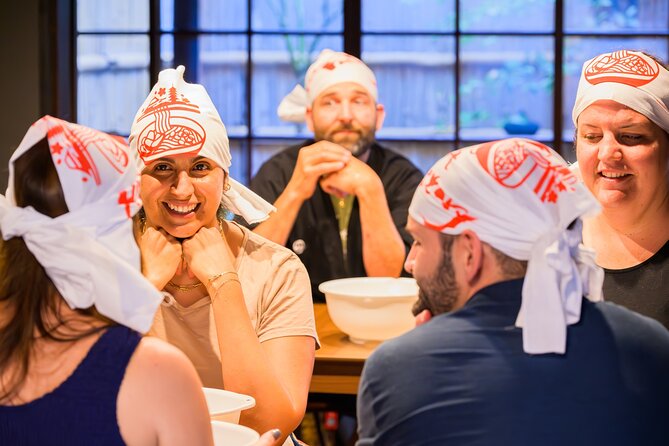
You’ll go into the workshop with the essentials already handled. Cooking tools are provided, and you also get one free drink during the class. That’s a practical win: you’re not hunting down gear, and you can focus on learning the dumpling workflow.
The teaching is built around step-by-step guidance. In particular, the instructor Hama is highlighted as friendly and patient, with clear explanations that work even for beginners. That’s the difference between a class that feels like homework and one that feels like you’re learning a skill you can repeat at home.
The course is offered in English and Japanese, with an English-speaking instructor. If you’re comfortable with basic Japanese, you might catch extra phrasing from the atmosphere, but you won’t be left guessing.
Choosing fillings: how to customize meat and vegetable gyoza
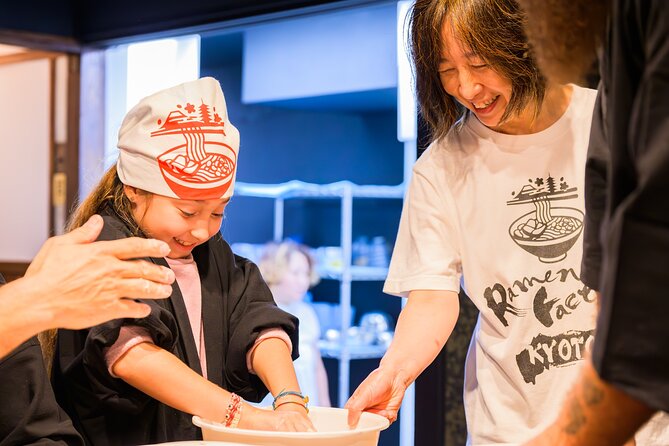
One of the best parts for me is that you don’t just make one standard filling. You’ll select ingredients and choose among meat and vegetable options. That means you can tailor your dumplings to your preferences and dietary needs (within what they offer), instead of being stuck with a single flavor profile.
This is also where beginners benefit most. When you start with a filling you actually want to eat, it’s easier to stay engaged through the wrapping stage. You’ll pay closer attention to texture—because you can taste the difference when you finally cook your own gyoza.
Before you arrive, do flag allergies or dietary restrictions in advance. The class specifically asks you to inform them ahead of time, which is a smart move if you know you’ll need a careful substitution.
Wrapping gyoza: getting the shape right without fear
Here’s the core skill: you’ll learn to wrap and shape your own gyoza. That’s not a throwaway detail. Gyoza is all about wrapper technique and a seal that holds during cooking. When you learn it with guidance, you stop treating dumplings like a mystery and start treating them like a repeatable process.
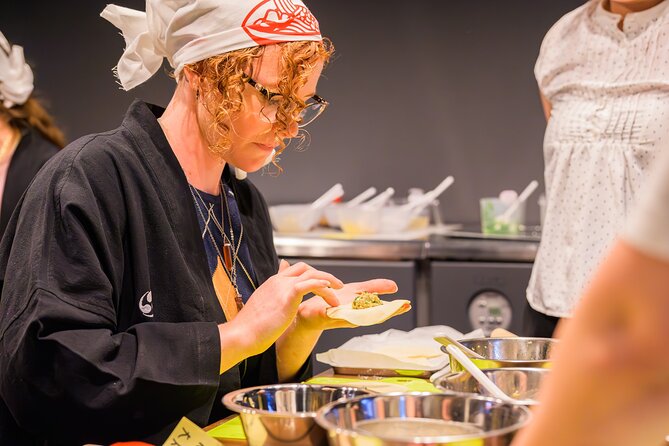
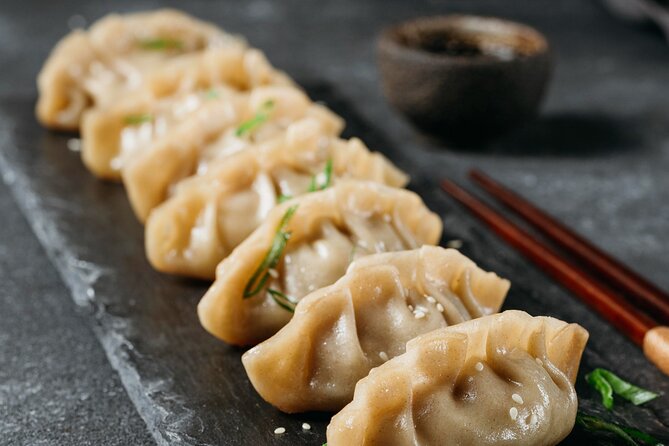
In class, you’ll practice the wrapping enough to make a full batch yourself. The most rewarding part is that your dumplings don’t come out as clumsy first attempts. The results tend to land where you want them: crisp outside and juicy inside, which is exactly what you’re aiming for with this pan-cooked style.
If you’re worried about being a beginner, take comfort in how the teaching is described. The atmosphere is relaxed, and the instruction is patient. That’s especially important for gyoza because the pleated look can seem tricky at first—but once you get the rhythm, it becomes muscle memory.
Cooking on the pan: turning technique into crisp-and-juicy results
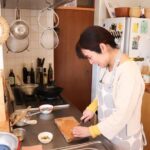
After you’ve shaped your dumplings, you’ll cook them to perfection right in the class. You’re not tasting a finished dish and calling it learning. You see the process from wrapper to pan, and then you eat what you make fresh.
The goal is texture. In descriptions of the final results, the dumplings consistently come out crisp on the outside and juicy within. That’s a big deal for two reasons:
First, it’s the main reason people love gyoza—crispy bottom plus a soft interior texture. Second, it’s proof that your wrapping worked. If the seal holds and the cooking is right, you get that satisfying bite.
You’ll also get immediate feedback. If a dumpling is browning too quickly or not cooking evenly, you can adjust how the pan is managed for the next batch. That feedback loop is what makes this class more valuable than trying to follow a recipe later with no guidance.

Eating your gyoza and the cultural add-ons (including the Samurai photo)
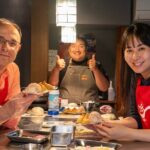
Once your dumplings are ready, you’ll enjoy what you cook. You’ll also get the gyoza that you make in the class included, so your meal experience is built directly around your work.
There’s also a cultural piece woven through the workshop. You’ll learn about the culture and stories behind this beloved Japanese dish. You won’t get a lecture-length history lesson, but you’ll come away with context that makes your dumplings feel more meaningful than just a snack-making session.
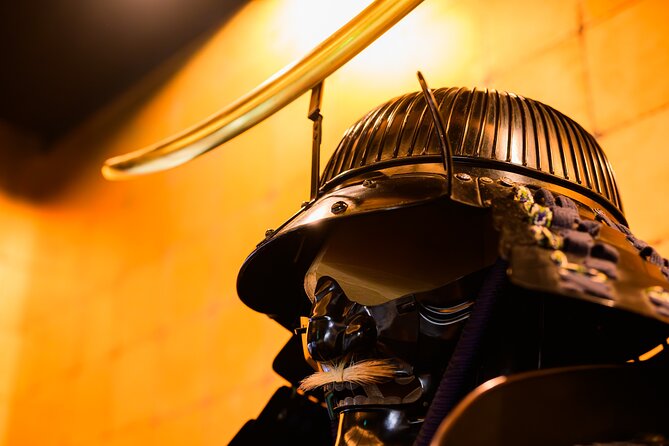
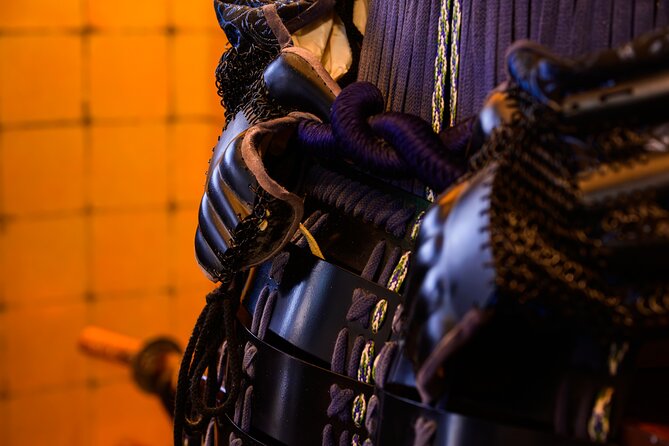
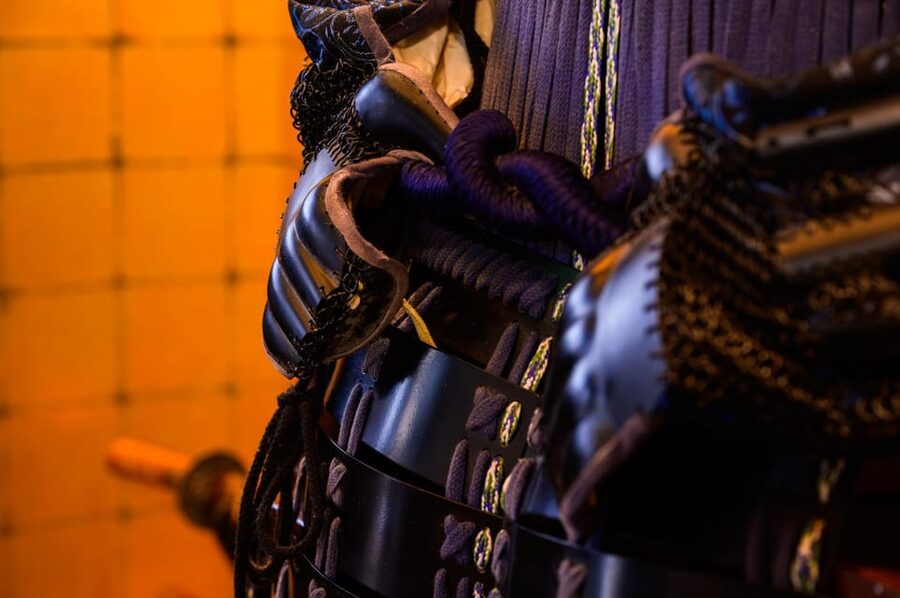
And yes, there’s a fun extra: you can take a photo with a Samurai. It’s brief, but it adds a memorable Kyoto moment that doesn’t require any extra planning. If you’re traveling with kids, this part tends to land well because it turns cooking into an experience, not only a class.
The take-home recipe: why this is more than a one-time meal
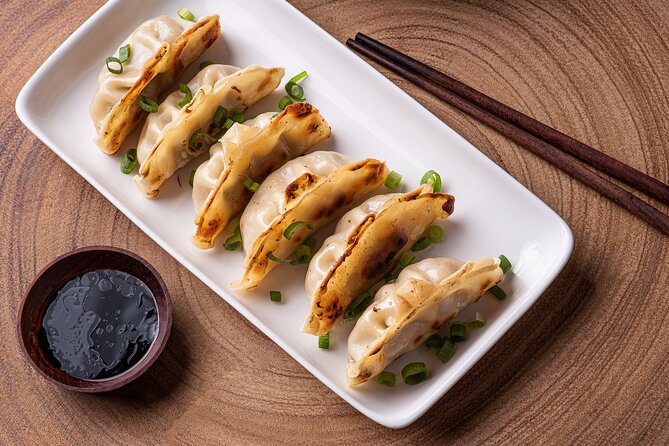
The biggest practical takeaway is the full recipe to cook Japanese gyoza at home. This matters more than you might think.
When you learn to wrap and cook gyoza in person, your memory becomes visual. Later, at home, you’ll want a recipe you can trust that matches what you practiced. Having that full recipe reduces guesswork, so you can recreate the dumplings without hunting for a different method each time.
I also like that you’re leaving with something usable. In other words, you’re not just buying a fun evening and forgetting it. You can cook gyoza again for friends, and you can tweak fillings the next time since you learned how customization works during the class.
Price and value: what $127 gets you in real terms
At $127 per person for a 90-minute workshop, this isn’t the cheapest food activity in Kyoto. But it also isn’t just a ticket to eat dumplings.
You’re paying for:
- Hands-on instruction (including English coaching)
- Cooking tools provided
- Ingredients and the gyoza you make included
- One free drink
- A full take-home recipe
- The overall experience framing, including cultural stories and a Samurai photo moment
So the value equation is about skill plus results. If you were to recreate gyoza at home later, you’d still need ingredients, wrappers, and trial-and-error cooking. Here, you compress that learning curve into 90 minutes with guidance and immediate feedback.
My take: it’s best value if you’ll actually cook again at home. If you’re only looking for a quick bite, you might prefer a regular restaurant meal. If you want a skill you can repeat, the price starts to make a lot more sense.
Who this Kyoto gyoza class fits (and who should think twice)
This experience works especially well if you want a playful, structured entry into Japanese cooking. It’s designed for both beginners and people with more cooking experience, so you won’t feel out of place if you can’t boil water—or if you’re already comfortable in the kitchen.
It’s also a strong choice for families. One example described two kids around age 11 having a great time, which tells me the class can feel approachable rather than overly technical.
You might reconsider if:
- You need wheelchair access, since the activity isn’t suitable for wheelchair users.
- You want a super-luxury, long sit-down dining experience. This is active and practical—your time is spent making and cooking.
Should you book this gyoza class in Kyoto?
If you want a Kyoto activity that mixes real cooking practice, a clear learning path, and a take-home recipe you’ll actually use, this class is a smart bet. The teaching style described—patient, friendly, and clear—makes it especially good for first-timers, and the choice of meat or vegetable fillings gives you control over what you end up eating.
Book it if you’re:
- Curious about how gyoza is made
- Interested in learning wrapping technique
- Looking for a fun evening that also gives you something practical to take home
Skip it if you’re:
- Counting every yen and just want a cheap snack
- Relying on wheelchair-friendly access
If you’d like, tell me your travel dates and whether you prefer meat or vegetable fillings, and I’ll suggest the best time of day to fit this into a Kyoto route near your other plans.
FAQ
How long is the gyoza cooking class?
The class lasts 90 minutes.
Where do I meet for the class?
Meet about a 5-minute walk from Exit 2 of Karasuma Oike Station on the Kyoto City Subway Karasuma Line and Tozai Line (around 362 meters away).
Is there an English-speaking instructor?
Yes. The class includes an English-speaking instructor, and the workshop languages are English and Japanese.
What’s included in the price?
Included are the English-speaking instructor, cooking tools, one free drink, and the gyoza you make in the class.
What food will I make and eat?
You’ll make gyoza dumplings and eat the gyoza you make during the class.
Can I choose different fillings?
Yes. You can choose from a variety of meat and vegetable fillings.
Do you get a recipe to take home?
Yes. You’ll receive the full recipe to cook Japanese gyoza at home.
Is it wheelchair accessible?
No. The activity is not suitable for wheelchair users.