REVIEW · TUSCANY
Tuscan Cooking Class
Book on Viator →Operated by La Chiusa Tuscany · Bookable on Viator
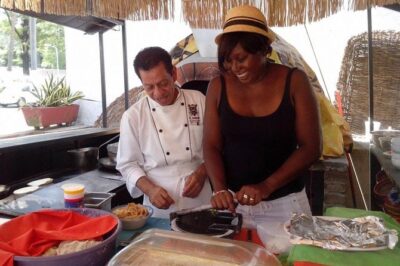
Tuscan pasta night starts with your hands, not your phone. This 4-hour class in Montefollonico lets you learn classic recipes from local women while you actually make the food. I like that the format is hands-on and recipe-focused, not a sit-and-watch show.
My favorite part is the menu structure: you’ll prepare three typical Tuscan pastas, a garlic sauce, a seasonal dish, and cantucci (almond biscuits). One consideration: the real work happens in about 2 hours of cooking, so come ready to get involved rather than just tasting your way through.
In This Review
- Key Highlights I’d Plan Around
- Where This Class Fits in a Tuscany Trip (Montefollonico as Your Base)
- How the 4-Hour Experience Flows From Cooking to Tasting
- Your Hands-On Menu: Pici, Ravioli, Garlic Sauce, Seasonal Dish, and Cantucci
- Handmade pici and garlic sauce
- Ravioli
- A typical seasonal starter
- Cantucci (almond biscuits)
- Why “Grandmothers” and Local Women Matter Here
- What Makes the Tasting Portion Worth Staying for
- Language and Group Size: Why the Class Doesn’t Feel Lost in the Crowd
- Price and Value: What $192.66 Per Person Buys You
- Getting There: The Meeting Point at Via della Madonnina
- Who This Tuscan Cooking Class Is Best For
- FAQ
- FAQ
- How long is the Tuscan cooking class?
- Where do we meet for the class in Tuscany?
- Is the cooking class offered in English?
- How many people are in the group?
- What dishes are included in the lesson and tasting?
- Can I get a full refund if I cancel?
- Should You Book La Chiusa Tuscany’s Tuscan Cooking Class?
Key Highlights I’d Plan Around
- Local women teach the recipes the same way they always have, with a real sense of tradition
- 3 Tuscan pastas + garlic sauce are part of the lesson, so you’ll leave with practical technique
- Cantucci with almonds rounds out the cooking with a classic Tuscan dessert
- Small group cap of 15 keeps the vibe friendly and question-friendly
- English instruction is built in, which helps you actually follow what’s happening
- About 4 hours total means you get both cooking time and a full tasting afterward
Where This Class Fits in a Tuscany Trip (Montefollonico as Your Base)
This class is set in Tuscany, Italy, at Via della Madonnina, 88, 53049 Montefollonico SI. You’ll meet there and the experience ends back at the same spot, which is nice if you’re trying to keep the rest of your day simple.
Montefollonico is the kind of place where “getting there” is half the trip. If your travel plan is tight, I’d build buffer time, because rural meeting points can take longer than city stops.
Also, the schedule is clear: the total experience is about 4 hours, with lessons lasting around 2 hours. That makes it easy to pair with a slower afternoon or an evening meal afterward, when you’ll already have fresh ideas for what to order.
You can also read our reviews of more tours and experiences in Tuscany.
How the 4-Hour Experience Flows From Cooking to Tasting
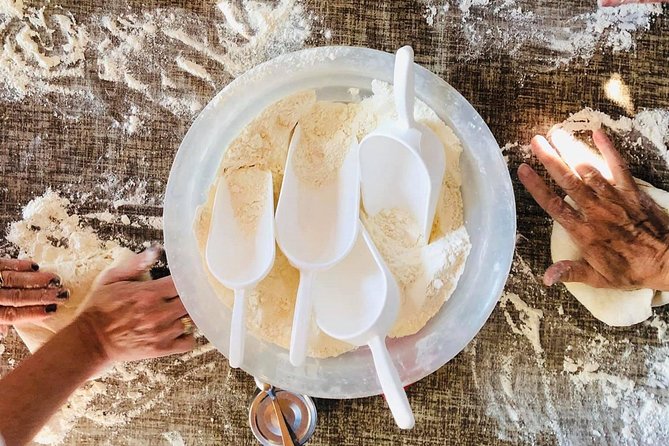
You’re not just learning recipes on paper. The core of the experience is a guided lesson where you prepare multiple dishes, then finish with a tasting of what you made.
Here’s the rhythm you can expect:
- You start with instruction and ingredient setup.
- You then spend about 2 hours cooking and assembling the dishes.
- After the prep, you sit down and taste the results you helped create.
The big value in this pacing is that you get an end-to-end outcome. You’ll go from mixing and shaping to tasting, which helps the steps click in your brain. It also means the class doesn’t end with a “good luck at home” feeling.
Your Hands-On Menu: Pici, Ravioli, Garlic Sauce, Seasonal Dish, and Cantucci
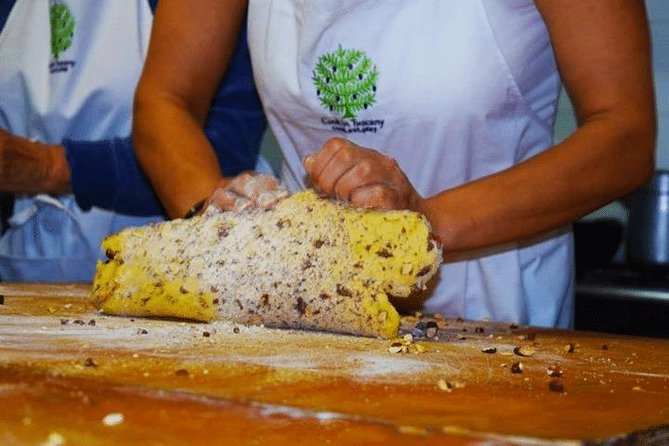
The lesson focuses on making “typical Tuscan” dishes, and the sample menu shows several anchor items clearly. You’ll work on:
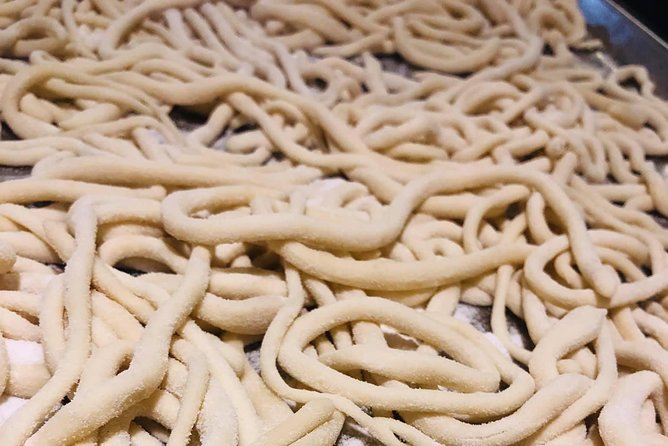
- Handmade pici with garlic sauce
- Ravioli
- Cantucci (Tuscan almond biscuits)
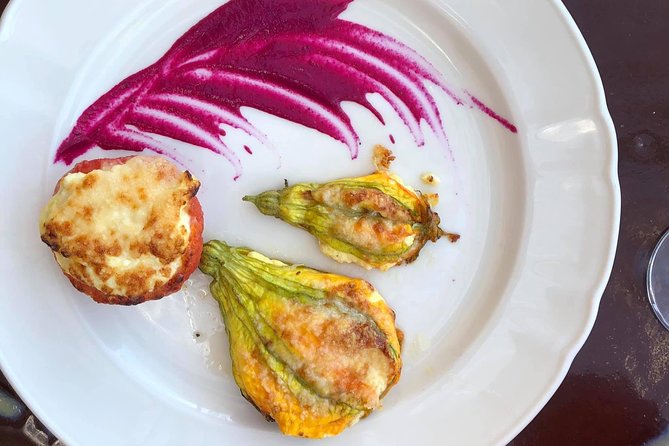
- A typical seasonal dish as your starter
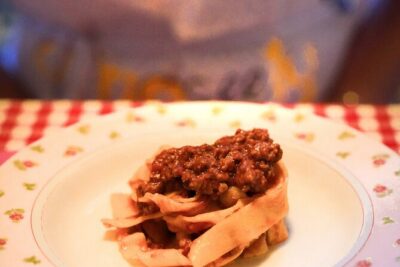
The overview also says the lessons include preparation of 3 typical Tuscan pastas plus the garlic sauce, along with the seasonal dish and cantucci. The sample menu lists pici and ravioli as the pastas you’ll likely recognize right away, and it’s common that the third pasta component is part of the lesson even if it’s not spelled out in the sample menu text.
What I like about this structure is that it gives you variety. Pici and ravioli are both pasta-focused, but they push you toward different techniques and textures. Then you switch to cantucci, which teaches you a different kind of kitchen patience since it’s a biscuit-based dessert.
Handmade pici and garlic sauce
This is the part that really sells the Tuscan feel. Pici is described here as handmade, and garlic sauce is explicitly part of the menu. That means you’re not only learning pasta work, you’re also learning how a classic sauce supports it.
Practical tip: keep your hands clean and your workspace organized. Even if you’re comfortable cooking, pasta dough gets sticky fast, and small messes become big messes when the group is moving.
Ravioli
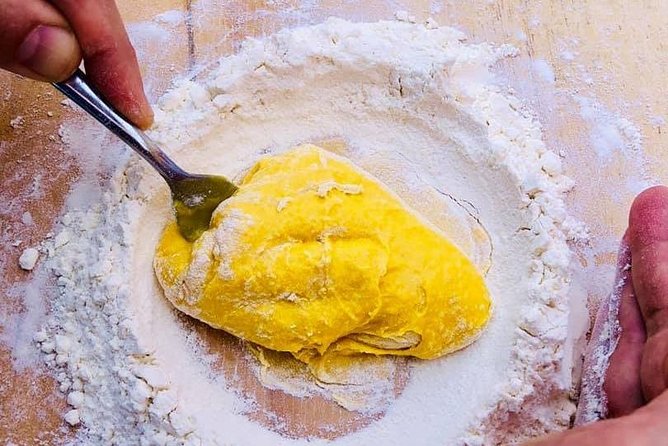
Ravioli is listed as another main. This is a good inclusion because it’s one of those dishes that looks intimidating until you actually do a few steps yourself.
If you learn best by doing, this is exactly that kind of lesson. You’ll come away with a better sense of what matters most for pasta success: consistency, timing, and how the dough behaves.
A typical seasonal starter
You also make 1 typical seasonal dish. Seasonal here matters because it teaches you how Tuscan cooking changes with what’s available. You’re not locking yourself into one flavor pattern for the whole lesson.
Because it’s seasonal, the exact dish may vary, but the benefit is the mindset: cook what the season supports, not just what’s always on a restaurant menu.
Cantucci (almond biscuits)
Finally, you end with cantucci, described as the typical Tuscan biscuits with almonds. Dessert classes can sometimes feel like an afterthought, but here it’s part of the main cooking block.
Cantucci is a great takeaway because you can reproduce it later without needing a pasta-making setup again. If you want a “bring home the memory” recipe, this is one of the better candidates.
Why “Grandmothers” and Local Women Matter Here
This class isn’t framed as a cooking demo by visiting chefs. It’s led by local women described as authentic custodians of the culinary traditions, and the lesson ends with tasting the preparations with their “grandmothers.”
That wording is more than cute marketing. When instruction comes from people who grew up with these recipes, you usually get more than instructions. You tend to get practical judgment—what dough should look like, how you can tell if something is on track, and what makes a Tuscan plate feel right even when you’re cooking in a modern kitchen.
I also appreciate the cultural angle. You’re not only learning food; you’re learning how locals talk about their food. That’s the kind of detail you can’t get from a recipe card alone.
What Makes the Tasting Portion Worth Staying for
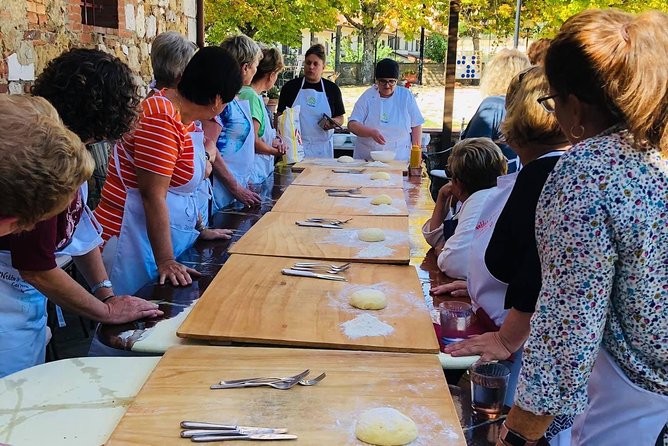
The tasting is not a bonus snack. The class ends with a tasting of the elaborated preparations, and you’ll be tasting what you worked on during the lesson.
This is where the whole experience locks in. When you taste your own food right after learning it, you understand why each step exists. Even if one part doesn’t look perfect, you learn what the final flavor should be.
If you’re the kind of person who plans trips around food, this is also when the group energy usually peaks. Everyone has the same menu in their heads, so conversation stays easy and natural.
Language and Group Size: Why the Class Doesn’t Feel Lost in the Crowd
The class is offered in English, and the group size has a maximum of 15 travelers. That’s the sweet spot for this type of activity.
With a cap that small, you’re more likely to get direct answers instead of generic tips. You can ask something that’s specific to what you’re doing, not just what you’re wondering in general.
Also, “confirmation will be received at time of booking,” which typically reduces stress when you’re planning a day in the countryside. I like experiences that feel structured from the start.
Price and Value: What $192.66 Per Person Buys You
At $192.66 per person, this isn’t the cheapest activity in Tuscany. But for a hands-on cooking class with multiple dishes, local instruction, and an end tasting, it’s in a category where you’re paying for time, teaching, and ingredients rather than just a seat.
Here’s what justifies the cost in real terms:
- You’re working on several dishes, not just one recipe.
- You get structured instruction in English.
- The lesson includes both cooking (about 2 hours) and tasting, which makes the experience feel complete.
If your main goal is saving money, cooking from the supermarket and doing a self-guided meal can be cheaper. But if your goal is learning technique and eating with context, this class earns its price.
Getting There: The Meeting Point at Via della Madonnina
The meeting point is Via della Madonnina, 88, 53049 Montefollonico SI, Italy. Since the class ends back at the same location, you don’t need a long “return journey” plan mid-day.
Practical move: plan your route so you’re not hunting for the address while hungry. In smaller towns, a few minutes searching can turn into a lot of frustration.
If you’re relying on public transport, I’d confirm timing ahead of booking because meeting points in smaller places can be less flexible than city centers.
Who This Tuscan Cooking Class Is Best For
This works especially well if you:
- Want a hands-on class and not just a meal out
- Enjoy Italian cooking basics you can repeat later
- Like learning from locals rather than from scripted, generic instruction
- Prefer small groups (max 15) and conversation
It may not be the best fit if you’re looking for a purely observational experience. This is structured around making food. You’ll likely spend most of the time cooking, not sitting back.
It’s also a good option if you’re in an English-speaking group and want instruction you can follow without guesswork.
FAQ
FAQ
How long is the Tuscan cooking class?
The experience is approximately 4 hours total. The lessons inside that block last about 2 hours, followed by tasting.
Where do we meet for the class in Tuscany?
You’ll meet at Via della Madonnina, 88, 53049 Montefollonico SI, Italy. The activity ends back at the meeting point.
Is the cooking class offered in English?
Yes. The tour is offered in English.
How many people are in the group?
The class has a maximum of 15 travelers.
What dishes are included in the lesson and tasting?
You’ll prepare about three typical Tuscan pastas, garlic sauce, one typical seasonal dish, and cantucci. The tasting at the end includes the dishes you prepared.
Can I get a full refund if I cancel?
Yes. Cancellation is free up to 24 hours in advance of the experience start time for a full refund.
Should You Book La Chiusa Tuscany’s Tuscan Cooking Class?
I’d book this if you want a real cooking session with a clear outcome: pasta work, garlic sauce, a seasonal dish, and cantucci, then a tasting of what you made. The small group size and English instruction are a strong combo for feeling guided rather than lost.
Skip it only if your ideal Tuscany day is mostly sightseeing and minimal kitchen time. This is for people who enjoy rolling up sleeves, learning technique, and eating the results without overthinking it.